

Roofing can seem complex, and understanding it may feel like a challenging task. Did you know that roofs are one of the most vital components in any house? This ultimate guide will demystify roofing, covering everything from materials to maintenance, so you can make informed decisions about your roof.
Don’t let the jargon overwhelm you – we promise it’s not as daunting as it seems!
Key Takeaways
- Roofing materials like asphalt shingles, clay tiles, and metal panels offer durability and aesthetic appeal.
- Proper roof insulation helps regulate temperature and reduce heating and cooling costs.
- Roof trusses provide strength and stability to modern roof systems.
- Flashing prevents water damage by redirecting water away from vulnerable areas.
- A well – designed drainage system protects the integrity of your roof and building structure.
- Underlayment acts as an extra barrier against moisture for long – term durability.
- Ventilation ensures optimal airflow, preventing moisture buildup in the attic.
- Common roofing issues include leaks, ice dams, storm damage from high winds or hail.
- Regular inspections and maintenance are essential for a long – lasting roof.
Understanding Roof Systems
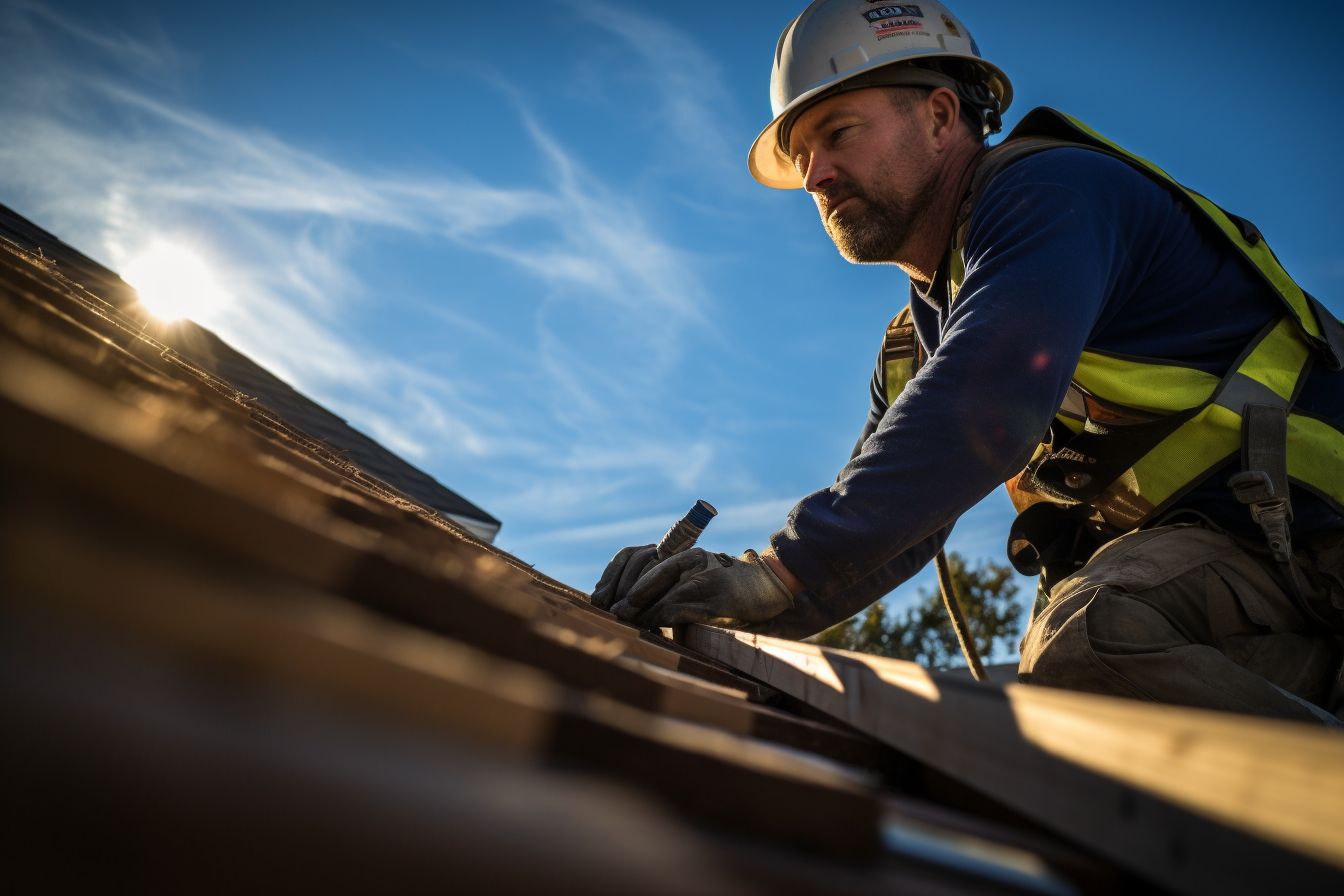
Understanding roof systems involves familiarizing yourself with various components such as roofing materials, coverings, insulation, trusses or rafters, sheathing or decking, flashing, drainage system, underlayment, and ventilation system.
Roofing materials
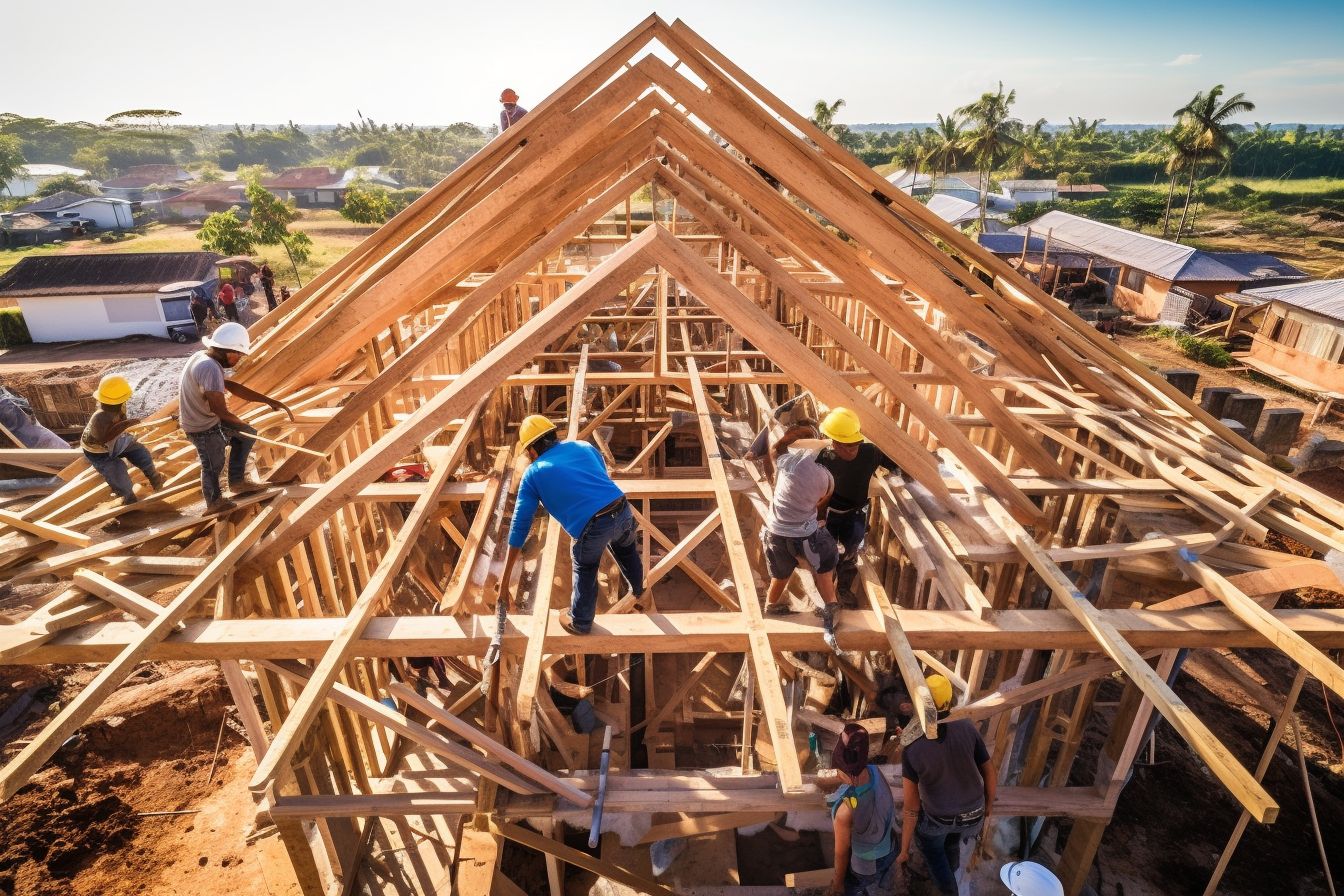
Asphalt shingles, clay tiles, and natural slate are among the most common roofing materials used in residential settings, noted for their durability and aesthetic appeal. Commercial buildings often opt for metal or tile roofs due to their resilience against harsh weather conditions.
Recently introduced into the market are innovative options such as modified bitumens, single-plies, sprayed polyurethane foam, metal panels, and reinforced liquid-applied roof systems.
The choice of roofing material significantly affects not only the appearance but also the lifespan of a roof. These diverse materials give homeowners a wide array of choices to suit varying tastes and functional requirements while ensuring long-lasting protection from outside elements.
Roof coverings
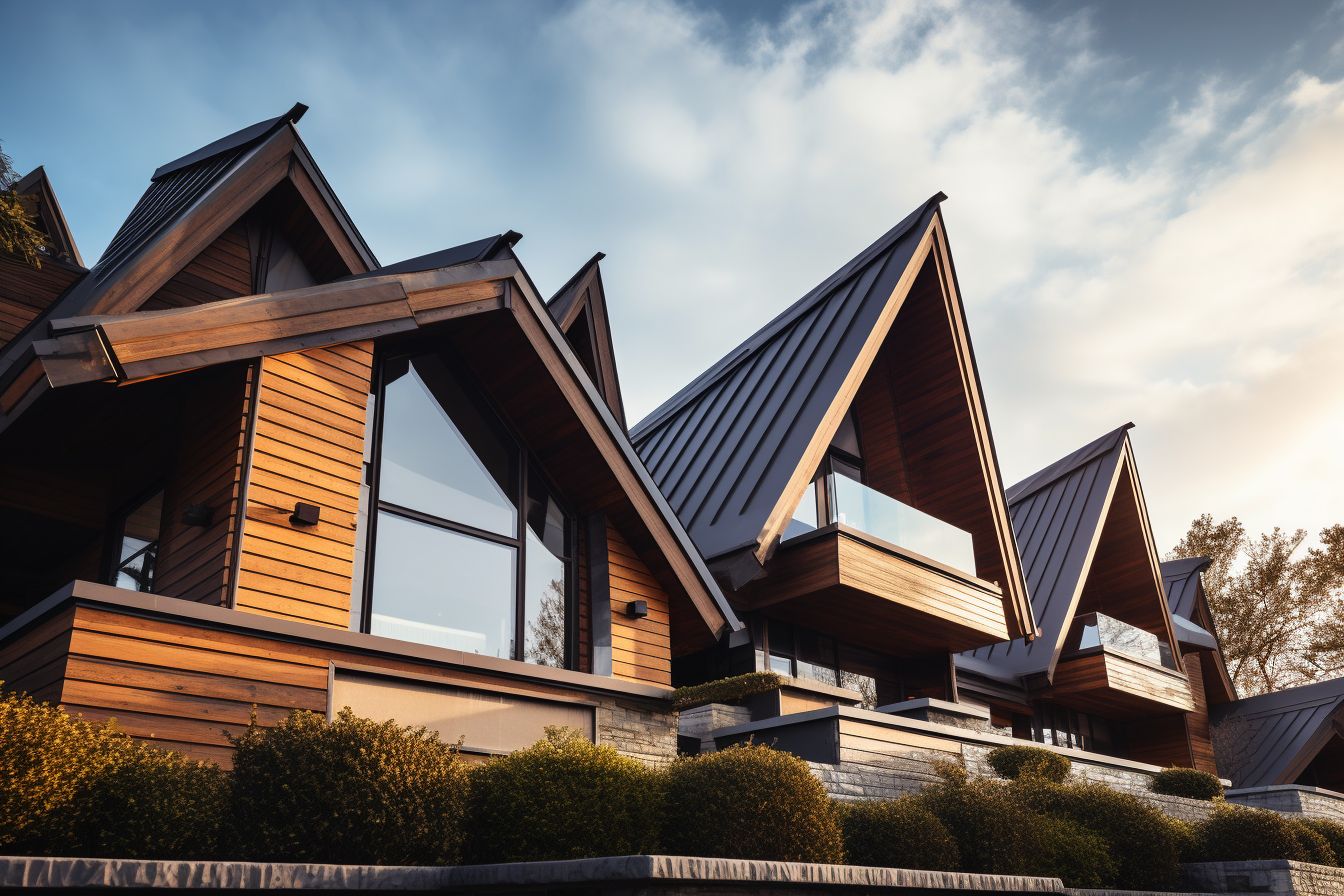
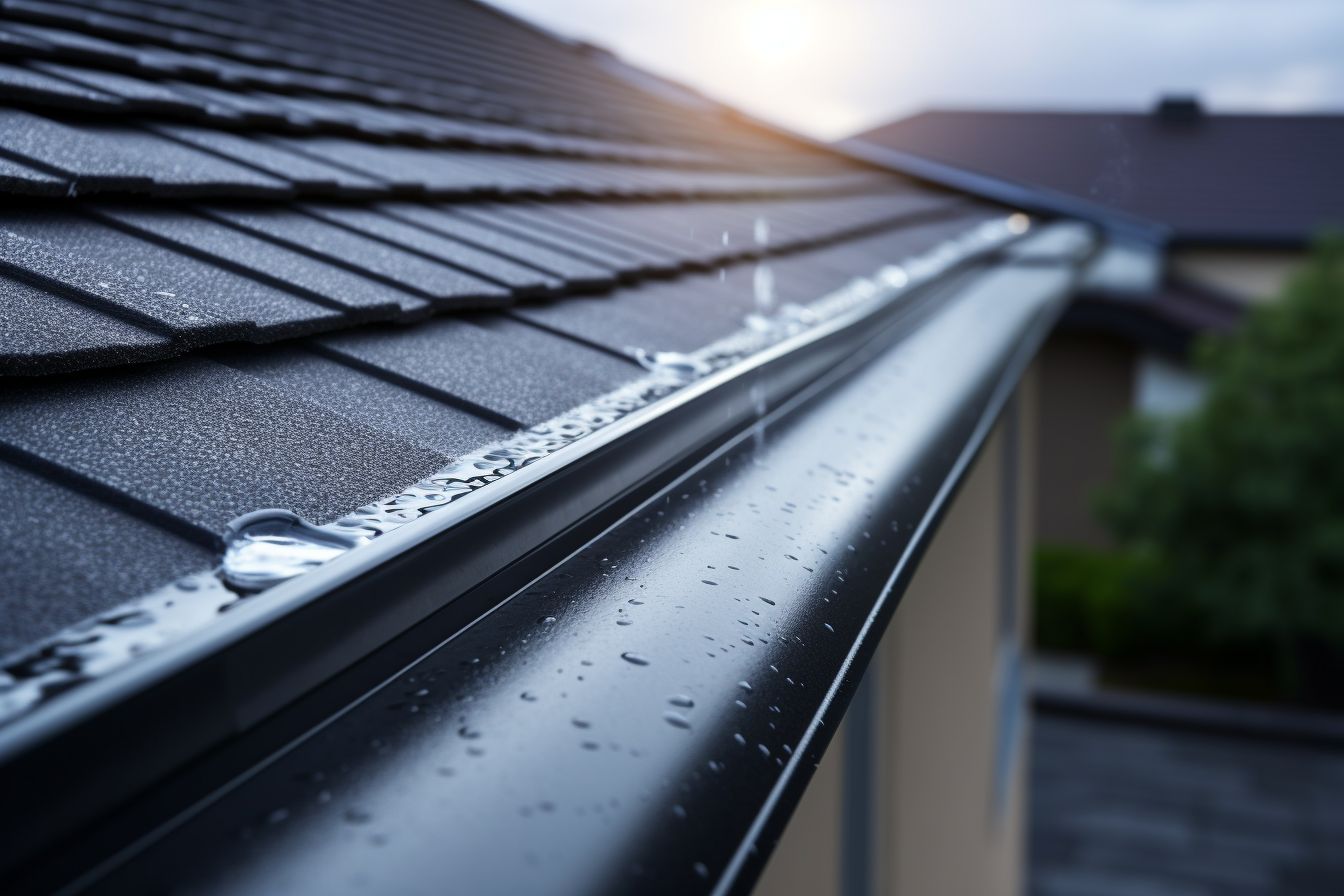
Roof coverings play a pivotal role in protecting your house from external elements. They come in many types, with shingles being one of the most common. Shingles showcase an array of designs and colors that beautifully complement any home style and design.
From asphalt to wood shakes, each type promises varying benefits such as durability, aesthetic appeal, and cost-effectiveness.
Different types of roof membranes are essential components for commercial buildings. These include EPDM (ethylene propylene diene terpolymer), TPO (thermoplastic olefin), and PVC (polyvinyl chloride).
Each membrane presents unique characteristics that provide specific advantages over others. For instance, EPDM boasts excellent resistance to weathering while PVC is well-known for its strength and durability.
Roof insulation
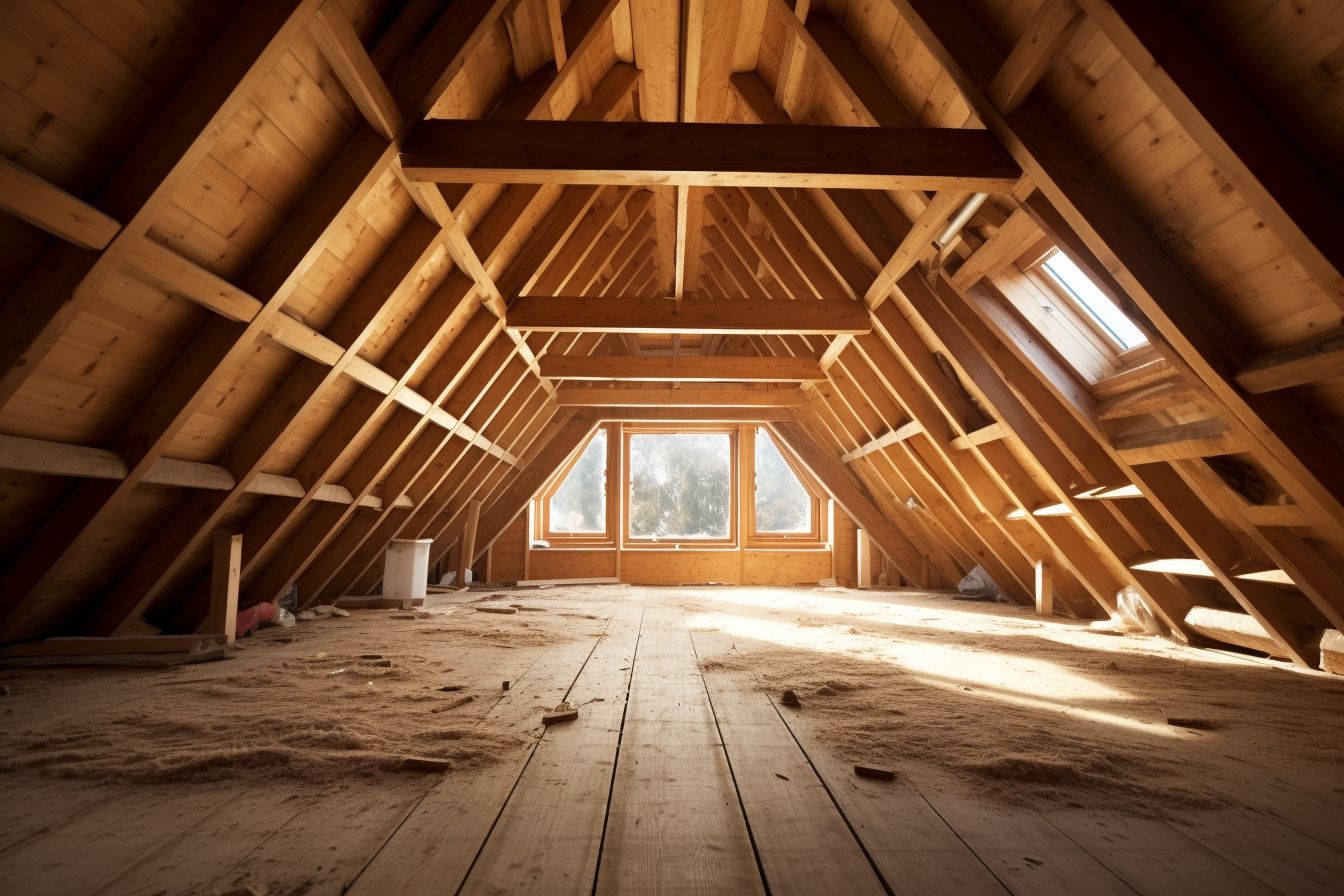
Proper roof insulation plays a significant role in maintaining the temperature of your house. It works as a barrier to heat gain and loss, significantly impacting your home’s energy efficiency.
Effective insulation can reduce heating and cooling costs by preventing excess air from escaping or entering the house. There are various types available, including blanket batts and rolls, foam board, or radiant barriers—each with its positives and drawbacks that suit different kinds of roofs.
Furthermore, an insulation’s R-value indicates how well it resists thermal transfer; higher R-values signify better performance.
Different types of insulations come at varying costs depending on their brand, installation complexity, and material type. Blanket batts made from fiberglass are typically more affordable than high-performance options like polyisocyanurate foam boards.
Roof Insulation is not just crucial for regulating your home’s temperature but also contributes to extending your roof lifespan by reducing potential damage caused by extreme weather conditions.
Roof trusses or rafters
Roof trusses are a common feature in modern roof construction. Made of lightweight materials, these triangular structures consist of channels, angles, plates, and eye bars. They provide excellent load-bearing capacity and allow for longer spans compared to traditional rafters.
In fact, most new houses in the United States are built with roof trusses due to their strength and efficiency. With their unique design, roof trusses contribute to the overall stability and durability of a roof system.
Sheathing or decking
Roof sheathing or decking is the solid foundation that supports and stabilizes the entire roof system. Made of wooden boards, it provides a secure base for other roof components to be installed on.
In addition to providing structural support, roof sheathing also acts as a barrier against weather elements. To ensure a long-lasting and durable roof, proper installation of the sheathing is crucial.
Different materials like wood, concrete, steel, or composite materials can be used for roof decking depending on individual needs and preferences.
Flashing
Flashing is a critical component of any roofing system. It’s a thin metal material that is strategically installed to redirect water away from vulnerable areas such as walls, chimneys, and valleys.
The purpose of flashing is to create a waterproof barrier, protecting these areas from potential water damage. Poor installation or lack of flashing can lead to wood rot, shingle damage, and even deck collapse.
By directing water away from these vulnerable spots, flashing helps prevent leaks and ensures the longevity of your roof and surrounding structures. Use high-quality flashing materials during installation to ensure maximum protection against the elements.
Drainage system

A roof drainage system is an essential component of any building, as it helps manage rainwater and protect the integrity of the structure. It consists of various elements, including roofing materials, gutters, downspouts, and drains.
The main purpose of a roof drainage system is to redirect water off the roof and away from the building to prevent water damage and structural issues. Different types of roof drainage systems include flat roof drains, scupper drains, and gutters.
Proper maintenance of the drainage system is crucial to prevent clogs and blockages that can lead to leaks or other problems.
Underlayment
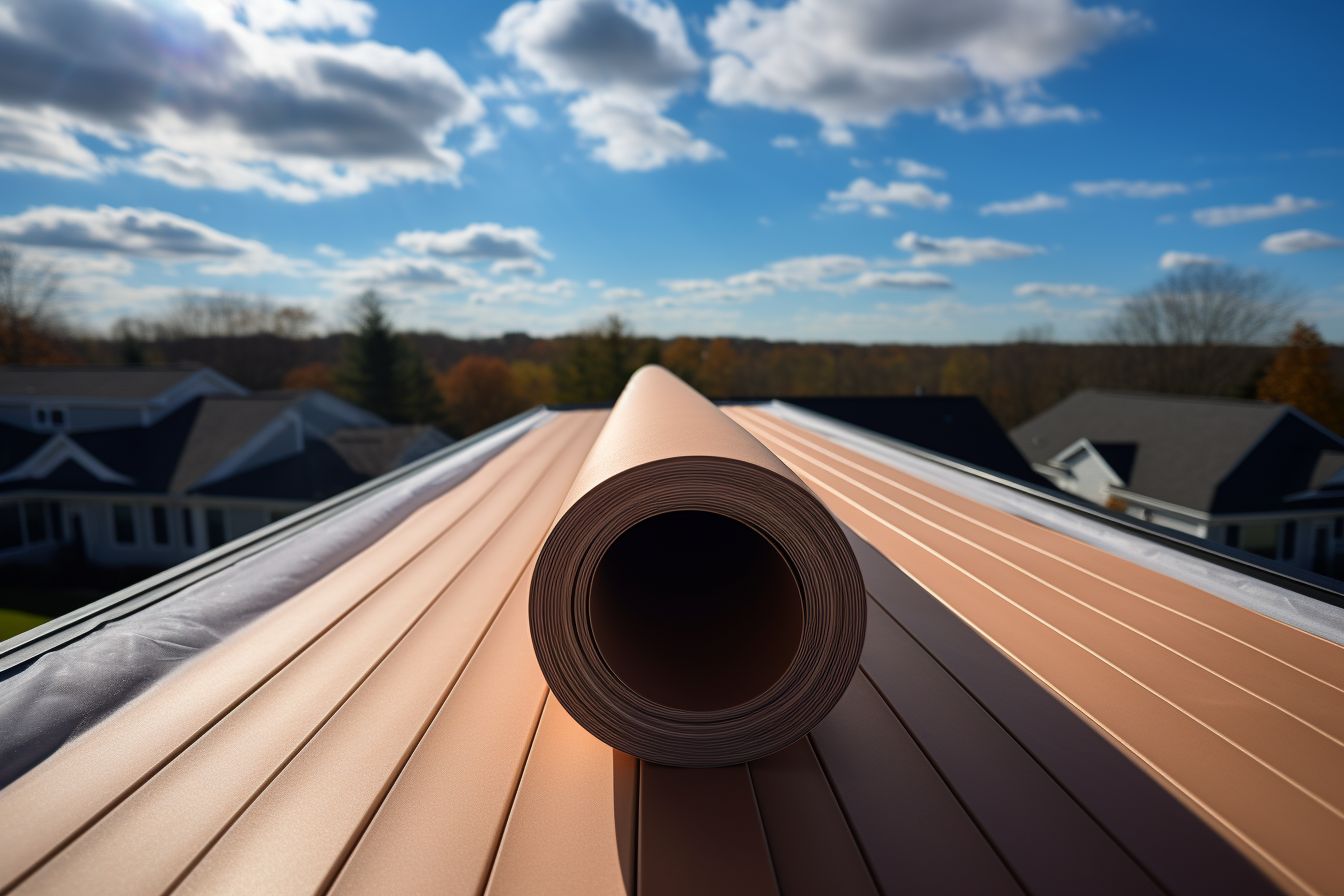
Roofing underlayment is a crucial component of any roof system. It acts as an extra barrier against moisture, helping to protect the roof deck and other roofing materials from potential damage.
Installed directly on top of the roof deck, underlayment provides an added layer of protection before the final roofing material is applied. There are different types of underlayment available, including tar paper and synthetic felt, which offer varying levels of performance and durability.
Choosing the right type depends on personal preference and recommendations from professionals. Ultimately, underlayment plays a vital role in ensuring the long-term durability and performance of your roof system.
Ventilation system
Roof ventilation plays a crucial role in maintaining the health of your roof system. It is important to have the correct ventilation system to ensure optimal airflow throughout your home.
Roof vents are essential as they allow air to circulate through the attic, preventing moisture buildup and preserving the integrity of the roof structure. There are two types of attic ventilation systems: intake and exhaust ventilation.
To achieve a properly ventilated roof system, it requires adequate intake and exhaust ventilation for proper air circulation. So, make sure you have a well-designed and functioning ventilation system in place to prolong the lifespan of your roof and prevent potential issues down the line.
Common Roofing Issues
Identifying problems with your roof is crucial to maintaining its condition. Look out for signs of leaks, ice dams, and storm damage.
How to spot problems
Leaks in the roof are the most common sign of a problem. They typically occur after heavy snowfall or rain, so be on the lookout for any water stains or wet spots on your ceiling or walls.
Another indicator is old or torn shingles, which can allow water to seep through. Worn-out flashing, the metal strips that protect joints and seams, can also lead to leaks. Additionally, clogged gutters can cause water to back up onto the roof, resulting in leaks and potential water damage.
To spot roofing issues early on, regularly inspect your roof for loose, damaged or missing shingles, mold growth, and accumulation of debris.
Leaks
Roof leaks can cause significant damage to your home if left untreated. They can be caused by a variety of factors, including age, damaged or poorly installed flashing, broken or missing roof tiles or slates, and damaged roofing membranes.
If you notice water stains on your ceiling or walls, it’s important to act quickly to prevent further damage. Check for missing shingles and replace any damaged flashing. You can also use roof sealant, tar, or caulk to make temporary repairs until you can get professional help.
Don’t ignore even small leaks as they can lead to bigger issues down the line.
Ice dams
Ice dams are a common issue in regions with heavy snowfall. When snow accumulates on the roof, it can melt and then refreeze at the edges, forming ice dams. These dams prevent proper drainage of water from the roof, causing potential damage to the structure.
As more snow piles up on the roof, the risk of ice dam formation increases. Water seepage between shingles is a common consequence of ice dams, leading to leaks and potential interior damage.
Additionally, ice dams create a favorable environment for mold, rot, and mildew growth. Proper insulation and ventilation can help prevent ice dam formation and protect your roof from costly repairs down the line.
Storm damage
High winds are a common culprit when it comes to causing damage to roofs during storms. These strong gusts can loosen or even completely remove shingles, leaving your roof vulnerable to leaks and further damage.
It’s important to check for signs of wind damage after a storm, such as loose or missing shingles, curling or peeling shingles, and granule loss. Other types of storm damage that can occur include leaks from damaged flashing, fractures caused by hail, and chimney issues.
Identifying these issues early on is crucial in preventing more extensive and costly repairs down the line.
Hail is another force of nature that can wreak havoc on your roof during a storm. The impact from hailstones can cause dents or cracks in the shingles, compromising their integrity and allowing water to seep through.
Roof Maintenance
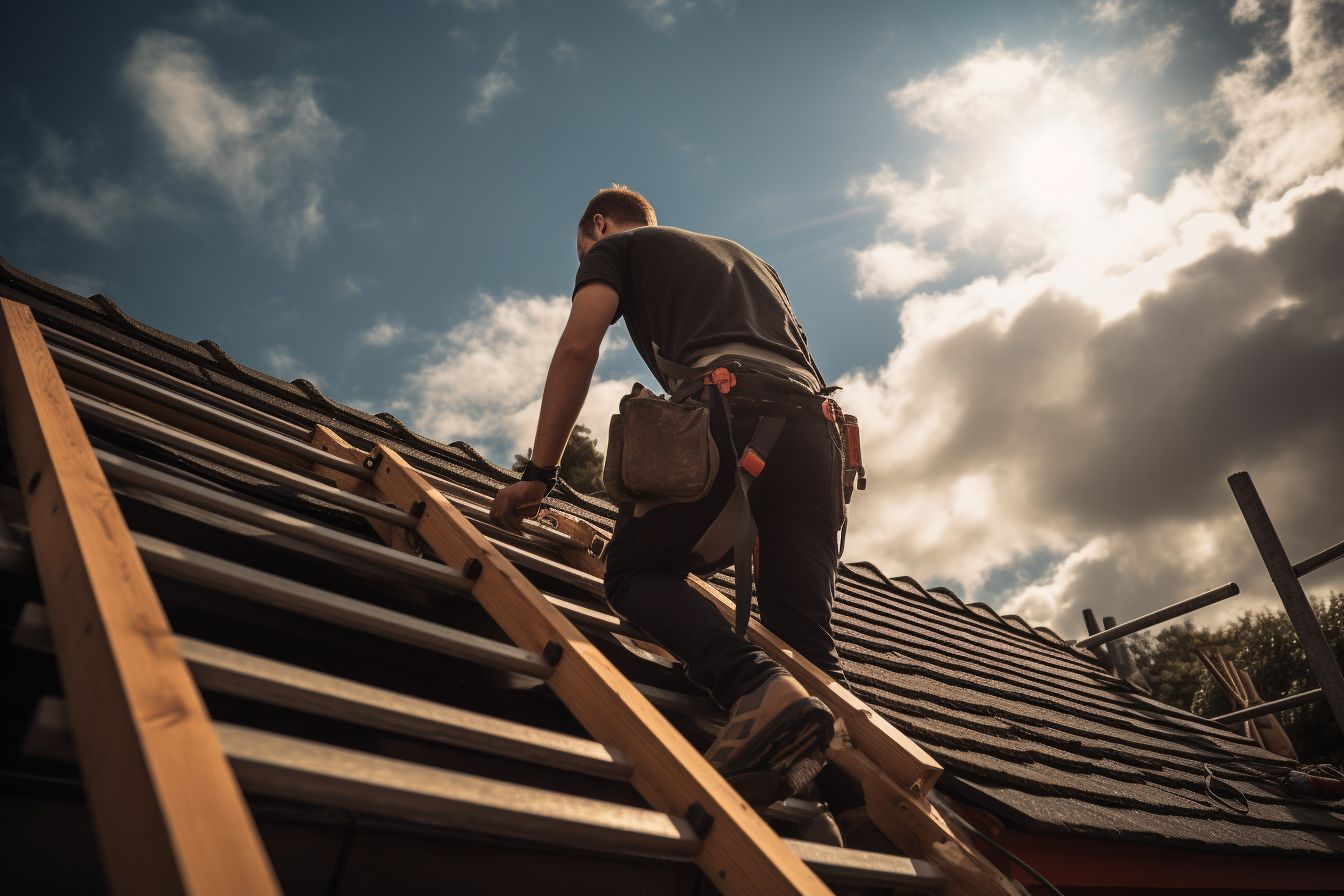
Regular roof maintenance is essential to ensure the longevity and durability of your roof. This includes regular inspections, cleaning, and maintaining gutters and downspouts.
Inspections
Regular roof inspections are crucial for ensuring the longevity and performance of your roof. These inspections involve checking for any signs of water infiltration or damage, as well as lifting shingles to assess their condition without causing harm.
By conducting these inspections, you can protect your home from potential leaks and other issues that may arise over time. A comprehensive roof inspection report will provide valuable information on the type of roof, its age, the condition of shingles and flashings, and any necessary repairs that need to be addressed.
With The Ultimate Guide to Roofing Inspections, you’ll gain the knowledge needed to make informed decisions about maintaining and caring for your roof effectively. Plus, it’s essential to note that many home inspections include evaluating the condition of both the exterior and roofing structure itself.
Cleaning
Regular roof cleaning is essential for maintaining the overall integrity of your property. Regular cleaning helps to minimize and control infestations of algae, lichen, and moss, which can cause damage to your roof over time.
Additionally, keeping your drains and gutters clean is important in preventing blockages that could lead to water damage and other potential issues. By regularly cleaning your roof and ensuring it stays well-maintained, you can help extend its lifespan and keep it in optimal condition for years to come.
Gutters and downspouts
Proper maintenance of gutters and downspouts is crucial for protecting your home from water damage. These drainage systems collect rainwater that falls on the roof and direct it away from the structure of the house.
Neglecting gutter maintenance can lead to clogs, leaks, and water overflow, which can cause significant harm to your property. Regular cleaning is essential to remove debris and prevent clogs in the gutters.
By ensuring a well-installed and functioning gutter system, you can maintain the integrity of your home for years to come.
Choosing the Right Roofing Material
When it comes to selecting the perfect roofing material for your home, you have several options. Asphalt shingles are a popular choice due to their affordability and durability. Metal roofing is another versatile option that offers longevity and energy efficiency.
Clay and concrete tiles provide a stylish and durable solution, while slate offers elegance and a long lifespan. Lastly, wood shakes and shingles offer a natural look but require more maintenance.
Asphalt shingles
Asphalt shingles are a popular and widely used roofing material for residential properties. They are made of fiberglass sandwiched between layers of asphalt and ceramic granules. This combination provides strength, durability, and weather resistance to the shingles.
Asphalt shingles are also cost-effective compared to other options like tile, slate, wood shakes, or metal roofing. There are different types of asphalt roofing shingles available in the market, allowing homeowners to choose from various styles and colors to match their preferences.
Overall, asphalt shingles offer an affordable and reliable solution for protecting your home’s roof.
Metal roofing
Metal roofing is a durable and long-lasting option for your roof. With a lifespan of over 70 years, metal roofs outperform asphalt or shingles in terms of longevity. They are also highly resistant to wind gusts of 140mph or greater, making them ideal for areas prone to severe weather conditions.
In addition to their durability, metal roofs help decrease the ambient roof temperature, which can extend the service life of the roof and contribute to energy savings. So if you’re looking for a roofing material that requires low maintenance and can withstand various weather conditions, metal roofing is an excellent choice.
Clay and concrete tiles
Clay and concrete tiles are popular choices for roofing materials due to their durability and long lifespan. They are known to withstand the elements and can last for decades without needing replacement.
One of the key advantages of these tiles is their high fire-retardant rating, making them a suitable option for homes in areas prone to wildfires. In addition, clay tiles have a low water absorption rate, which makes them less susceptible to mold and mildew.
Both clay and concrete tiles are non-combustible, providing an added layer of safety for homeowners. Another benefit of these materials is that they come in various styles and colors, allowing homeowners to choose a design that complements their home’s aesthetic.
Additionally, concrete tiles tend to be more affordable compared to clay tiles, making them a cost-effective choice for many homeowners.
Slate
Slate roofing is a top choice for homeowners looking for durability, energy efficiency, and eco-friendliness. With its high resistance to fire, it provides a safe option for protecting your home.
Considered the highest-quality roofing material available, slate roofs can last over 100 years on residential homes. If you love the look of slate but have budget constraints, synthetic slate roofing is a great alternative at a lower cost.
It’s important to note that GAF Truslate, one of the popular brands in slate roofing, has been discontinued recently which suggests potential changes in the market.
Wood shakes and shingles
Wood shakes and shingles are classic choices for roofing. They have been used for many years due to their natural beauty and durability. Shakes and shingles differ in terms of size and shape, with shingles being smaller.
When it comes to cost, shingles are generally more affordable than shakes, making them a popular choice for budget-conscious homeowners. However, it’s important to note that wood shakes and shingles vary in quality.
Premium grade shakes allow up to 20% imperfections, while lower grades may have more flaws. Regular maintenance is crucial for wood shakes and shingles to prevent issues like rot, mold, and insect infestations from occurring over time.
Conclusion
In conclusion, “The Ultimate Guide To Understanding Roofing” is a comprehensive resource that covers all the components and basics of roof systems. It provides essential knowledge for homeowners to make informed decisions about their roofs.
From understanding roofing materials to spotting common issues and choosing the right roofing material, this guide equips homeowners with the information they need to maintain and protect one of their most valuable assets – their home’s roof.
FAQs
1. What are the different types of roofing materials?
There are various types of roofing materials to choose from, including asphalt shingles, clay tiles, metal roofing and more.
2. How important is roof insulation and how do I pick a color for my roof?
Roof insulation plays a crucial role in maintaining energy efficiency within your home. Choosing a roof color involves considering factors like climate, architectural style and personal preference.
3. Can you explain the concepts of roof shapes and roof pitch?
Roof shapes vary significantly based on regional weather conditions and house styles; common examples include flat roofs or gabled roofs. Roof pitch refers to the steepness of the slope; it’s calculated by measuring ratios related to vertical height change over horizontal distance.
4. Are there any basics about gutters and roof flashing that homeowners should know?
Gutters collect rainwater from your roof while flashing helps prevent water leakage at joints or intersections – both elements contribute greatly to your home’s overall structural integrity.