

Roof repairs or replacements are often a daunting task for many homeowners. Did you know that the average cost of a new roof is $10,000? This comprehensive guide will walk you through factors affecting roofing costs and how to make it more affordable.
Stay tuned to find ways to save on your next roofing project!
Key Takeaways
- The average cost of a new roof is $10,000. Still, it can vary depending on the roofing material, labour costs, location, size of the roof, and additional features or repairs needed.
- Factors that affect the cost of a new roof include the type of roofing material chosen, labour costs in your area, the size and shape of your roof, and any additional repairs or features required.
- Different types of roofing materials have different cost breakdowns. For example, asphalt shingles are more affordable, with an average replacement cost ranging from $1.71 to $3.12 per square foot. Wood shake shingles are more expensive at around $4 to $7.25 per square foot. Metal roofing ranges from $9,150 to $16,743 for installation. Tile roofing materials can range from $2 to $10 per square foot, depending on the tiles chosen. High-end stone or slate roofs can cost between $10 and $30 per square foot.
- Additional costs to consider when replacing a roof include removing the existing roof (which can cost between $1 and $ 5 per square foot), structural repairs if necessary, and fees for chimneys or skylight installation/removal fees.
Factors That Affect the Cost of a New Roof

The type of roofing material used, labour costs, location, size of the roof, and additional features or repairs needed all contribute to the overall cost of a new roof.
Type of roofing material
Choosing the right type of roofing material impacts your home’s aesthetics and significantly affects the cost of a new roof. From traditional asphalt shingles to high-end stone or slate, roofing material options vary widely in price, durability and maintenance needs.
Each type has specific installation requirements, which could affect labour expenses. For instance, installing metal roofing may incur different labour costs than wood shake shingles due to their distinctive installation complexities.
The crucial decision lies in balancing cost-efficiency and longevity while selecting an appropriate roofing material for your home.
Labor costs
Labour costs play a crucial role in the overall expenses of installing a new roof. Typically, these charges range between $1 and $3 per square foot. However, this expense could increase depending on multiple factors, including your chosen roofing materials or the complexity of your roof’s design.
Skilled professionals are vital for quality installation to ensure the longevity and effectiveness of your new roof. This importance explains why labour contributes significantly to total roofing expenses, which average around $7 per square foot.
Irrespective of the complexities involved, hiring experienced contractors who deliver high-quality artistry while ensuring safety procedures during installation and post-installation clean-up activities is always critical.
Location
The cost of a new roof is different across all regions. Your geographic location determines materials’ availability, demand, and transport costs, resulting in diverse pricing. For instance, roof replacement in a densely populated city will likely be more expensive than in a rural area due to higher labour costs and living expenses.
Similarly, material prices may vary based on local resources available or owing to import taxes based on your state or province. Even within the same locality, such as your neighbourhood or zip code, differences can occur with variations in building codes or community guidelines affecting overall charges.
The country’s climate also plays an essential role because some roofing options are better suited for specific weather conditions than others, leading to price discrepancies depending on location suitability.
Size of the roof
The size of your roof directly influences the cost of a new installation. Larger roofs naturally require more materials, hence driving up prices. The shape and pitch or slope of your roof can also play a big role in determining total costs.
For instance, steeply sloped roofs are more challenging and time-consuming to work on than flat ones, leading to increased labour costs. Moreover, extra care must be taken to account for the “waste factor”, which covers any surplus materials that get wasted during installation due to necessary cuts and adjustments.
Even small wastes can accumulate into significant additional expenses on larger roofing projects. A roof replacement cost calculator is extremely effective when estimating the replacement cost for an average-sized home, such as one measuring 2,200 square feet.
Additional features or repairs needed
The complexity of a roofing job can escalate quickly if additional features or repairs are needed. Unexpected costs may arise when dealing with underlayment replacement, roof water damage restoration, and even entire roof replacement.
Roof inspections command fees from $125 to $325 but are vital to accurately diagnosing the extent of roof damage. Specific problems like a leaking roof can significantly inflate the final bill depending on the repair required.
Estimating these costs requires insight into labour rates and material prices. From asphalt shingles to slate tiles, every roofing material has different installation procedures and price points, ultimately determining your total expenditure.
Cost Breakdown of Different Roofing Materials

The cost breakdown of different roofing materials includes asphalt shingles, wood shake shingles, metal roofing, tile roofing, and high-end stone or slate.
Asphalt shingles
Asphalt shingles, known for their affordability in comparison to other roofing materials, carry an average replacement cost of $1.71 to $3.12 per square foot. This type of roofing falls below the national average for a new roof project, pegged at $11,076.
Individual quotes may vary, with a typical price range spanning from $7,975 up to as much as $14,842, depending on variables like location and size of the roof. Consider that basic three-tab asphalt shingles can be obtained between approximately $75 and $105 per square during your next roofing venture’s cost breakdown.
Wood shake shingles
Wood shake shingles, primarily made of cedar wood, are attractive for many homeowners due to their durability and timeless aesthetic appeal. Their installation cost ranges between $4 and $7.25 per square foot in 2023, generally higher than other roofing materials like asphalt shingles.
You can expect the price per bundle of these exquisite cedar shakes to be around $240 or approximately $725 per square. However, pricing can easily vary with location-dependent cost factors; in some areas, costs per square foot may escalate beyond $13! Suppose you’re considering a complete roof installation using this material type. In that case, your budget should accommodate an expense of roughly $7 to $15 on each square foot area covered by these high-quality shingles.
Are you planning a replacement? The average expenditure swings anywhere from a sizable $12,900 to a whopping $28,200 depending on various elements such as size and specific features of your roof structure.
Metal roofing
Metal roofing is a popular choice for homeowners despite being more expensive than other materials. The average cost of a new metal roof ranges from $9,150 to $16,743, with an average cost of $11,557.
Regarding the cost breakdown, steel metal panels can range from $2.00 to $5.00 per square foot. The overall cost depends on the size or square footage of your home and the specific type of metal roof you choose.
On average, including installation costs, you can expect to pay between $8.50 and $16.00 per square foot for a metal roof.
Tile roofing
Tile roofing is a popular option for homeowners looking for durability and aesthetics. Tile roofing materials can range from $2 to $10 per square foot, depending on the tiles chosen.
Concrete tiles are the most budget-friendly choice, averaging between $2 and $4 per square foot. However, more high-end options like clay or terracotta tiles can range from $6 to $10 per square foot.
The national average cost to install tile roofing is between $19,000 and $35,000 for an average-sized roof of 1,500 sq. ft., with installation costs varying based on location and labour fees.
High-end stone or slate
High-end stone or slate is a luxurious and durable roofing material that can give your home a sophisticated look. Purchasing and installing real slate roofs can range from $10 to $30 per square foot.
On average, a slate roof can cost around $13,880. The actual price may vary depending on factors like the size of your roof and the type of slate tiles used for installation. For a typical 1,700-square-foot roof, the cost could be anywhere between $25,500 to $51,000.
So, if you’re looking for an elegant and long-lasting option for your roof, high-end stone or slate is worth considering.
Understanding Roof Replacement and its Costs
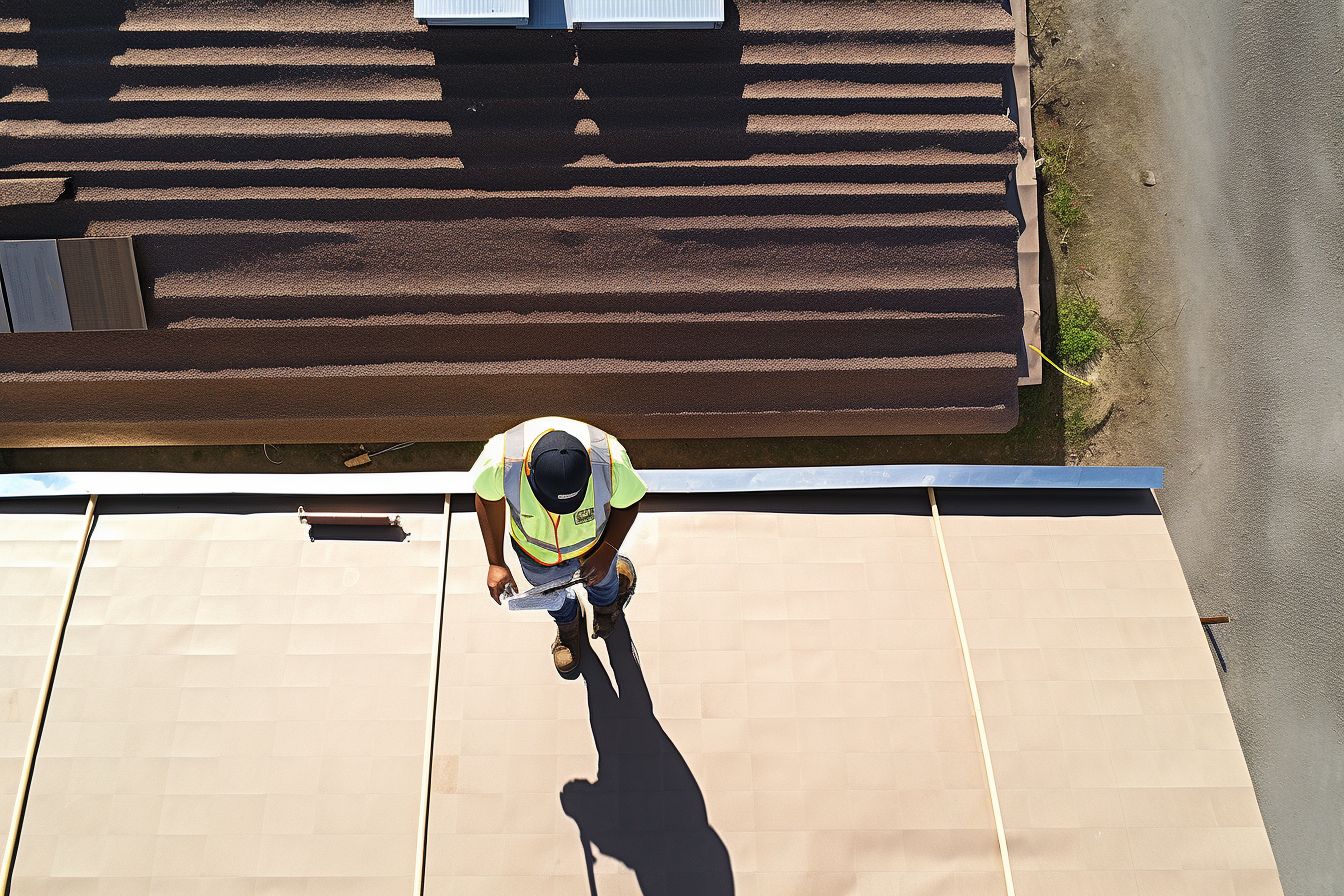
Roof replacement is a significant investment for homeowners, and understanding the costs involved can help you plan accordingly. The total cost of roof replacement will depend on various factors, such as the size of your roof, type of roofing material, labour costs, and any additional repairs needed.
On average, homeowners can expect to spend around $10,000 for a new roof. However, this price can range anywhere from $5,700 to $12,500, depending on the size and pitch of your roof.
When considering the roof replacement cost, it’s important to factor in materials and labour expenses. Different roofing materials come with different price tags and lifespans.
For example, asphalt shingles are more affordable than high-end stone or slate options. You’ll also need to consider the cost of removing your existing roof before installing a new one.
Overall, getting multiple quotes from reputable roofing contractors is crucial to compare prices and find the best deal that fits your budget. Considering financing options or incentives may also help make the cost more manageable.
By understanding these aspects of roof replacement costs upfront, you can make informed decisions about your home improvement project.
Additional Costs to Consider
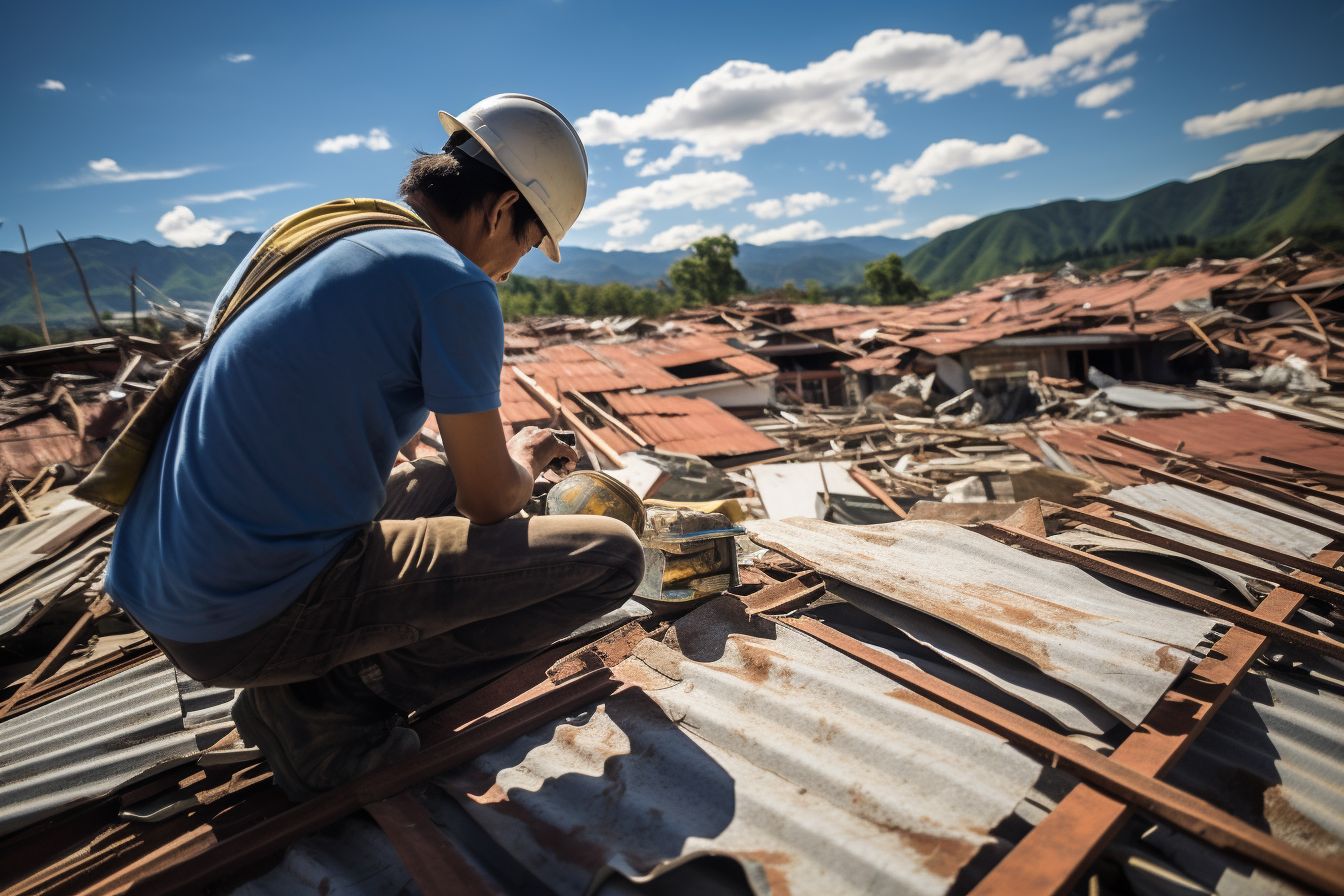
Additional costs to consider include the removal of the existing roof, any necessary structural repairs, fees for chimneys or skylights, a roofing warranty, and clean-up and disposal fees.
Removal of the existing roof
Removing an existing roof is an important step in the replacement process and should be factored into your overall budget. On average, homeowners can expect to pay between $1 and $5 per square foot for roof removal costs.
This expense covers the labour involved in tearing off the old roofing material and disposing of it properly. For a typical home, you should budget an additional $1,000 to $1,500 specifically for removing the existing roof before installing a new one.
Just to let you know, these costs may vary depending on factors such as the size of your roof and any additional repairs that may be required during the removal process.
Hiring a reputable roofing contractor who will handle this task efficiently and safely is crucial. They will have the necessary tools and expertise to complete the demolition effectively, ensuring a smooth transition to installing your new roof without any structural damage or complications.
Structural repairs
Structural repairs are an important consideration regarding the cost of a new roof. These types of repairs involve fixing the roof’s underlying structure, such as damaged rafters or trusses, and ensuring that the roof has proper support and stability.
It’s worth noting that structural repairs can be more expensive compared to other types of repairs due to the complexity involved and the additional labour required. Homeowners should remember that addressing any issues with the structural integrity of their roof is crucial for its long-term durability and safety.
Chimneys, skylights, and other features
Chimneys, skylights, and other features like vents can increase the cost of a new roof. Repairing a roof around these elements may be more expensive if they need to be replaced or fixed.
Additionally, vents, skylights, and chimneys require flashing and collars to prevent water from getting into the roof, which adds to the cost of repairs. The cost of roof repair starts at $500 for issues related to these features.
So, when considering a new roof or repairing an existing one, it’s important to factor in the costs associated with replacing or fixing skylights, chimneys, and vents.
Roof warranty
Roof warranties are essential when considering the cost of a new roof. These warranties cover defects in materials used, protecting homeowners from additional expenses.
Manufacturer warranties typically cover only defective materials, while labour warranties deal with repair costs. However, they do not cover installation failures. It’s important to note that roof warranties can be quite costly, with additional coverage reaching up to $3,000.
These warranties may also cover interior damages caused by roof defects or failures.
Clean-up and disposal fees.
Clean-up and disposal fees are important when budgeting for a new roof. Depending on the project size and local waste management regulations, these costs can range between $50 and $500.
Homeowners should be aware that hauling costs and local disposal fees may be included in the overall cost of roof replacement. Dumpster fees for roof replacement projects typically range from $50 to $250 per ton, while solid waste tipping fees mean homeowners pay for every ton of waste dumped.
However, some homeowners handle the cleanup themselves to save money on these additional expenses.
Tips for Saving on Roof Replacement Costs
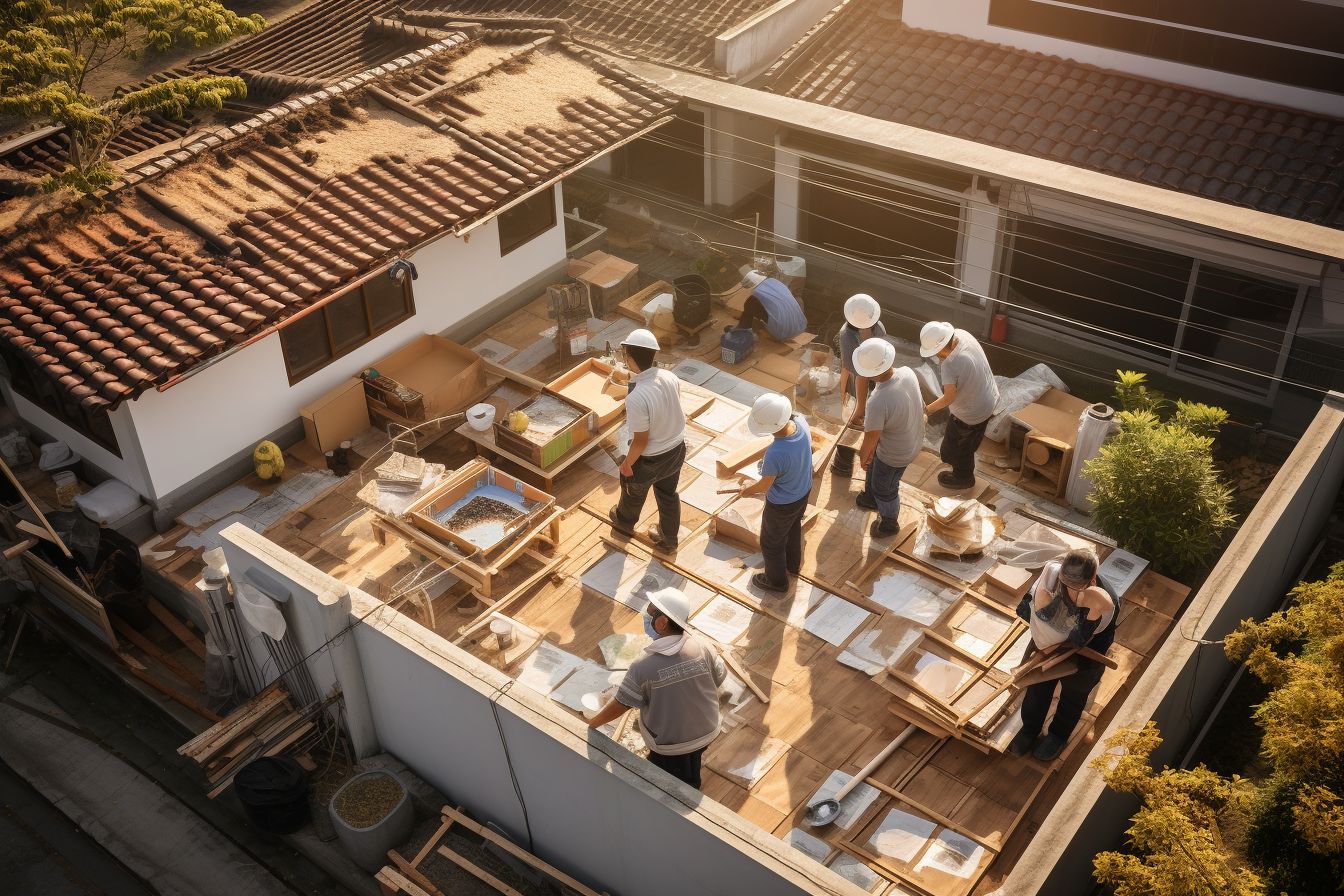
Here are some ways to save on the cost of roof replacement: obtain multiple quotes, consider DIY options if possible, compare prices and negotiate, maintain the roof properly to extend its lifespan, and explore financing options or incentives.
Get multiple quotes
To save money on your roof replacement, getting multiple quotes is crucial. You can compare prices and ensure you get the best deal by obtaining estimates from different contractors.
Additionally, getting multiple quotes allows you to evaluate the specific needs of your roof and find a contractor who will provide quality artistry at an affordable price. Don’t settle for the first quote you receive – take the time to shop around and gather several options before deciding.
With this approach, you can make an informed choice and save significant money on your roof replacement project.
Consider DIY options (if feasible)
Considering DIY options might be worth exploring if you’re looking to save on roof replacement costs. While only some have the skills or time to take on this project, it can significantly reduce labour costs if you have experience or are willing to learn.
Just to let you know, DIY is feasible for smaller roofs and simpler installations. However, always prioritise safety and consult professionals if needed.
Compare prices and negotiate.
Comparing prices and negotiating is essential in saving on roof replacement costs. Before making a decision, getting multiple quotes from different roofing contractors is important.
This allows you to compare prices and ensure you get the best budget deal. Also, feel free to negotiate with the contractors to see if they can offer discounts or special deals.
By comparing prices and negotiating, you can save a significant amount of money on your roof replacement project.
Considering that a new roof can range from $4,000 to $5,500 for a 1,000-square-foot house, comparing prices and negotiating becomes even more crucial to staying within your budget.
Proper maintenance to extend the lifespan of the roof
Regular maintenance and timely repairs can significantly extend the lifespan of your roof. By cleaning debris, repairing leaks, and inspecting for damage regularly, you can prevent minor issues from turning into major problems.
With proper care, roofs can last around 20 years or even longer, saving you money on costly replacements. Whether in a condo or any other type of property, investing in roof care and maintenance is essential for maximising your investment and ensuring that your roof lasts as long as possible.
Look for financing options or incentives.
Several financing options and incentives are available to help you afford a new roof. Homeowners can consider home equity loans or personal loans specifically for roof financing.
Some roofing companies also offer payment plans, making it easier to manage the replacement cost over time. Additionally, government assistance programs or loans may be available for those who qualify.
If you have limited funds or need a new roof but better credit, there are no credit check financing options. With these choices in mind, you can find the right financial solution to make your roof replacement more affordable.
Conclusion

In conclusion, understanding the cost of a new roof is essential for homeowners looking to replace their existing one. Factors like roofing materials, labour expenses, and additional features can significantly impact the price.
By considering these factors and seeking multiple quotes from reputable roofing contractors, homeowners can make informed decisions that align with their budget and needs. Remember to explore financing options or incentives that may help save on costs in the long run.
FAQs
1. How much does a new roof cost?
The cost of a new roof can vary depending on factors such as the size of your home, the type of materials used, and any additional features or repairs needed. It is best to get quotes from roofing contractors for an accurate estimate.
2. What factors influence the cost of a new roof?
Factors that can influence the cost of a new roof include the type of materials chosen (such as asphalt shingles or metal), the slope and complexity of your roof’s design, any necessary repairs or replacements for decking or insulation, and local labour and material costs.
3. Does installing a more expensive roofing material mean better quality?
Not necessarily. While more expensive roofing materials may have longer lifespans and offer added benefits like improved durability or energy efficiency, choosing a material that suits your budget, climate, and personal preferences is essential.
4. Are there any additional costs associated with getting a new roof?
In addition to the installation costs, you may need to consider other expenses such as removing old roofing materials, repairing any damages found during the inspection, permits if required by local regulations, potential upgrades like attic ventilation systems or skylights, and warranties offered by manufacturers or contractors.
5. Can I save money by installing a new roof myself?
Installing a new roof is only recommended as a DIY project if you have professional experience in roofing. It requires specialised skills and equipment to ensure proper installation and avoid potential safety hazards. Hiring experienced professionals will help prevent costly mistakes in the long run.