
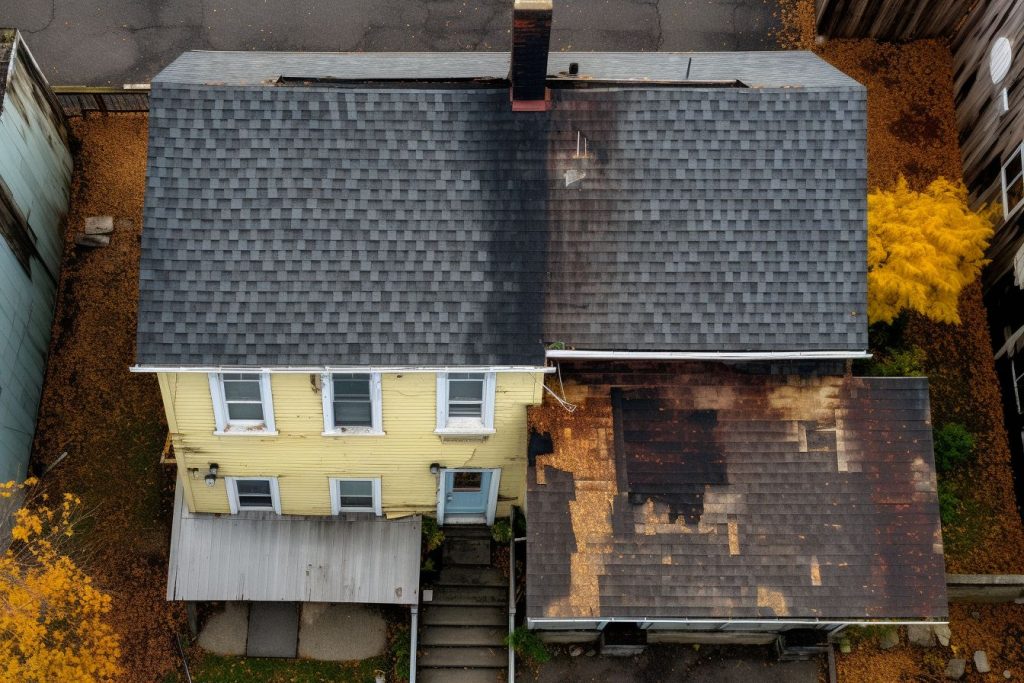
Is your roof needing serious attention, but you’re unsure about the extent? You’re not alone; many homeowners grapple with deciding between partial and complete roof replacement.
This article aims to guide you, detailing the risks and benefits of both options so you can make a confident, informed decision. Stay with us as we unveil vital aspects that could save you money and stress in the long run!
Key Takeaways
- Partial roof replacement can lead to different lifespans of the two sides of the roof, higher long-term costs, lack of warranty protection, and a negative impact on overall appearance.
- Complete roof replacement offers benefits such as comprehensive roof inspection, long-lasting solutions with reduced repairs and maintenance, and the opportunity to choose cost-effective materials for improved energy efficiency and durability.
- Factors to consider when choosing between partial and complete roof replacement include the extent of damage, roof age, budget considerations, and long-term plans for the property.
The Risks of Partial Roof Replacement
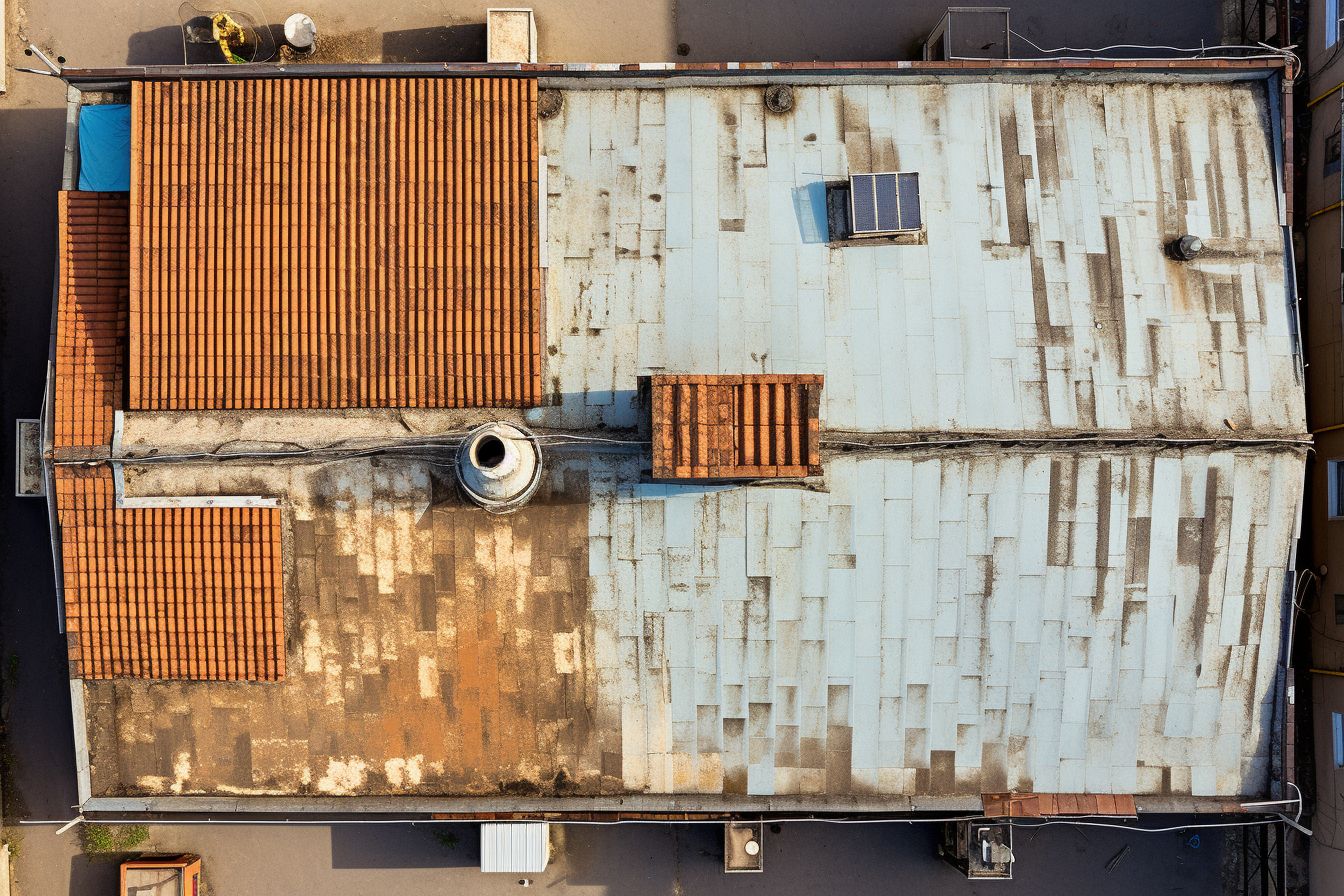
Partial roof replacement poses several risks, including the potential for different lifespans of the two sides of the roof, long-term cost implications, lack of warranty protection, and a negative impact on the overall appearance.
Different lifespans of two sides of the roof
Opting for a partial roof replacement results in the two halves of the roof having varied lifespans. The existing older section may quickly reach its end while the newly replaced half continues to perform well.
This inconsistency disrupts the harmony in appearance and could lead to frequent maintenance and repairs on the older side. Such a cycle might become costlier long-term compared to entirely replacing your roof at once; this ensures uniformity in lifespan across all parts of your roofing system.
Long-term cost implications
Choosing a partial roof replacement may seem cost-effective in the short run but can have serious long-term cost implications. You start saving initially since a partial repair’s price per square foot appears less than a complete overhaul.
However, further down the line, expenses mount as different sections of your roof age unevenly and necessitate frequent repairs. For instance, homeowners often face higher costs when replacing part of an asphalt shingle roof than completely overhauling it in one go.
So, while you might invest more in materials and labour upfront with a complete replacement, it offsets potential maintenance costs over time. Simultaneously hiring the services of roofing contractors or companies multiple times also adds up financially in contrast to completing all necessary work in one fell swoop under total replacement jobs.
Lack of warranty protection
Choosing partial roof replacement presents a significant risk of insufficient warranty protection. Often, homeowners find that their insurance policies exclude coverage for damages arising from wear and tear.
Manufacturers’ warranties aren’t better; they typically provide limited coverage for roof installation or replacement projects. Ultimately, this lack of comprehensive warranty protection exposes homeowners to financial risks related to unforeseen roof damage.
Hence, opting for complete roof replacement can prove beneficial as it comes with more extensive product and workmanship warranties.
Negative impact on the overall appearance
Partial roof replacement can hurt the overall appearance of your roof. When only part of the roof is replaced, there can be noticeable differences in colour, texture, and style between the new and old sections.
This can make your roof look patchy and aesthetically unappealing. Additionally, if you plan on selling your property, a partially replaced roof may lower its curb appeal and potential resale value.
Considering these factors is essential when deciding whether to opt for partial or complete roof replacement.
The Benefits of Complete Roof Replacement
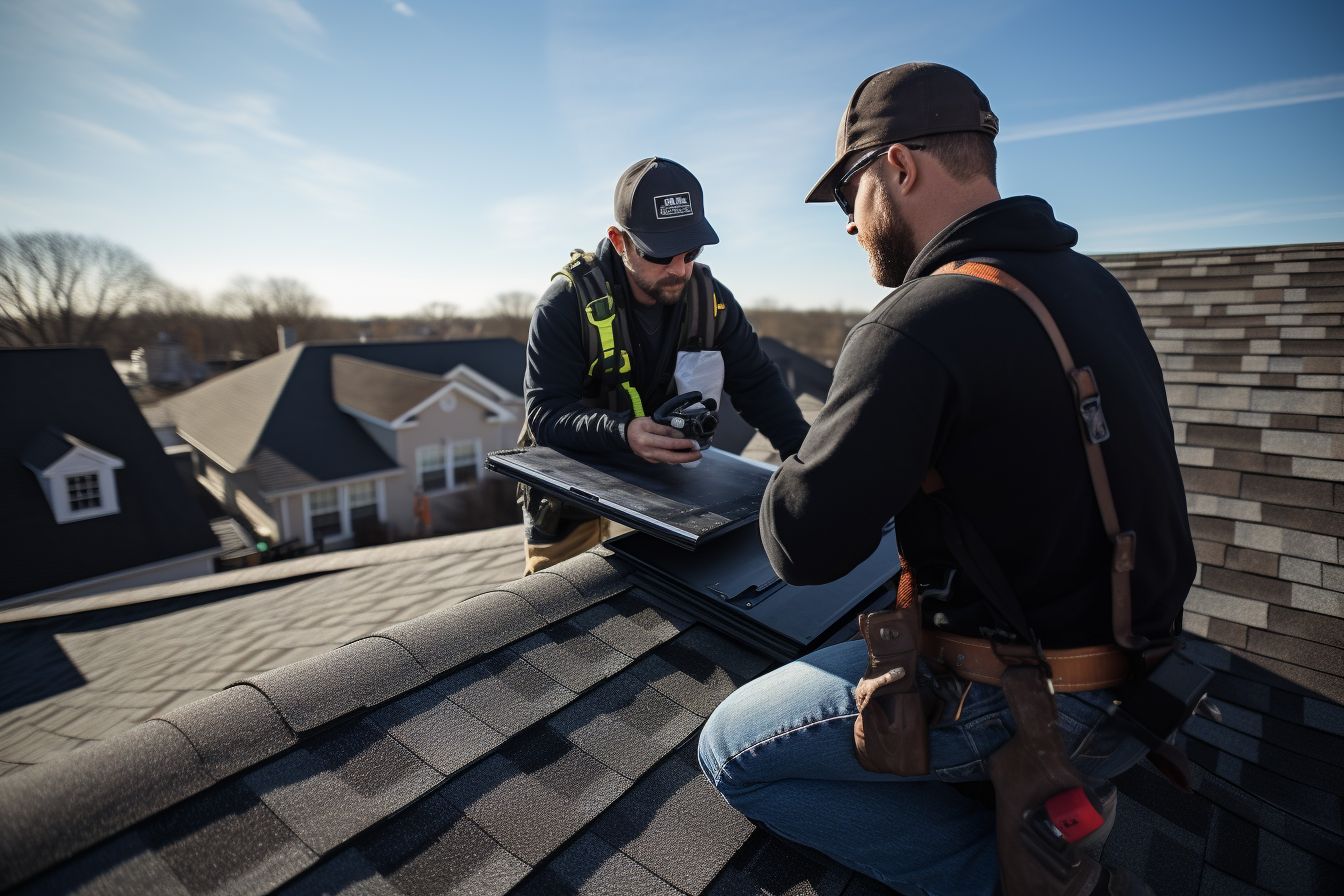
Complete roof replacement offers a range of benefits that make it a wise investment for homeowners. One key advantage is the opportunity for a comprehensive roof inspection. During the replacement process, roofing professionals can thoroughly assess the entire roof deck for any signs of damage or rot.
This ensures that any underlying issues are addressed and resolved, providing peace of mind knowing that your new roof is structurally sound.
Another benefit of complete roof replacement is its long-lasting solution. By replacing the entire roof rather than just parts, you can avoid successive repairs that may be needed with partial replacements.
In the long run, this saves you time and money, as you won’t have to deal with ongoing repairs and maintenance constantly.
In addition, opting for complete roof replacement allows you to choose cost-effective materials and technologies that offer improved energy efficiency and durability. These advancements in roofing technology can help reduce your energy bills and increase the lifespan of your new roof.
Overall, complete roof replacement provides an efficient way to maintain your home’s structural integrity while ensuring long-term protection from weather elements. With regular inspections and proper maintenance, your new roof will continue to provide safety, comfort, and aesthetic appeal for years.
Roof Replacement vs. Roof Repair: Making the Best Decision
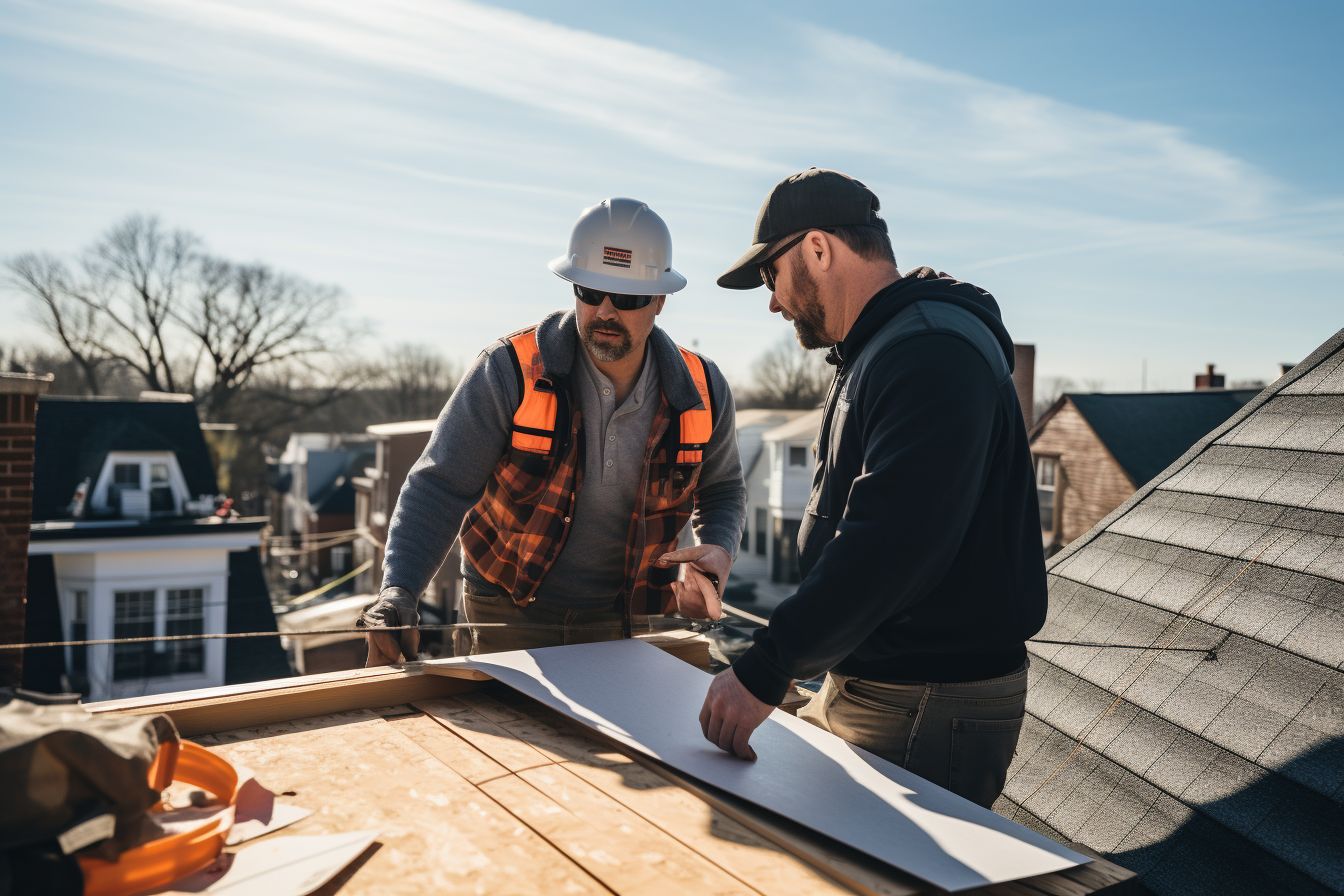
Roof replacement and roof repair are two options to consider when faced with roof damage. It’s important to make the best decision for your specific situation. While roof repairs are generally cheaper, they may not be the most effective solution if the damage is extensive or if your roof is reaching its lifespan.
On the other hand, complete roof replacement may be a costlier project upfront but can provide long-term benefits in terms of durability and warranty protection. Factors such as the extent of damage, age of the roof, budget considerations, and long-term plans for the property should all be taken into account when deciding between a partial repair or a complete replacement.
The final decision should be based on careful evaluation and consultation with a trusted roofing contractor who can assess your needs and provide expert advice on which option will best suit your circumstances.
Remember that proper maintenance, regular inspections, and timely repairs are key to increasing the lifespan of any roof, regardless of whether you choose a repair or a complete replacement.
Factors to Consider When Choosing Between Partial and Complete Roof Replacement
When deciding between partial and complete roof replacement, factors such as the extent of damage, age of the roof, budget considerations, and long-term plans for the property should be taken into account.
Extent of damage
The extent of damage to your roof is crucial in determining whether you should opt for partial or complete roof replacement. If the damage is severe, such as extensive leaks or structural issues, replacing the entire roof will likely be necessary.
On the other hand, if the damage is minimal and limited to specific areas, a partial replacement may suffice. Consider roof materials and pitch factors when evaluating whether reroofing is possible.
Remember that it’s important to assess the overall condition of your roof before deciding on repair or replacement.
Age of the roof
The age of your current roof is crucial when deciding between a partial or complete roof replacement. Most roofs have a 10 to 15 years or longer lifespan, depending on material type and local climate conditions.
If your roof is only a few years old and the damage is limited, it may be more practical and cost-effective to repair the damaged sections rather than replace the entire roof. However, if your asphalt shingle roof is more than 25 years old, it is advisable to consult with a roofing repair company for their professional opinion.
They can assess the condition of your roof and determine whether a complete replacement is necessary for long-term structural integrity and safety.
Budget considerations
Budget considerations are crucial in deciding between partial and complete roof replacement. It’s important to weigh the cost implications of both options, keeping in mind factors such as the extent of damage, the age of the roof, and long-term plans for the property.
While partial reroofing may seem like a more affordable choice upfront, it’s essential to consider long-term costs and potential warranty protection. On the other hand, a complete roof replacement may require a higher initial investment but can offer peace of mind with a longer lifespan and improved appearance.
Material selection also impacts budgeting for roof replacement, as different types of roofing materials come with varying price tags. Ultimately, considering your budget alongside other factors will help you decide which approach is best for your specific situation.
Long-term plans for the property
Considering the long-term plans for your property is crucial when deciding between a partial and complete roof replacement. It’s important to evaluate how your future renovation or use of the property may impact your roofing options.
Considering factors such as cost considerations, maintenance needs, and potential for future damage can help you make an informed decision. Additionally, considering the longevity of different roofing materials and the structural integrity of your property is essential to ensure that your chosen option aligns with your long-term goals.
Common Concerns and FAQs about Partial and Complete Roof Replacement
Homeowners often have questions regarding partial and complete roof replacement, such as whether it can save money, if insurance will cover it, or how long a complete roof replacement takes.
Can a partial roof replacement save money?
A partial roof replacement can save you money, especially if only a portion of your roof needs replacing and the rest is still in good condition. While a total roof replacement may seem the better option for long-term durability, it is generally more expensive than a partial reroof.
The cost per square foot for a partial roof replacement is slightly higher than a complete one. So, if budget considerations are important to you and your damaged area is limited, opting for a partial reroof can be a cost-effective choice that helps save money upfront without compromising on quality.
Will insurance cover a partial roof replacement?
Most homeowners insurance policies provide coverage for roof replacement if the damage is caused by an act of nature, such as a storm or hail. However, it’s important to note that wear and tear is typically not covered.
Insurance companies may also have limitations on roof replacement for 20-year-old or older roofs. To claim roof replacement, your insurance company may require a roof inspection to assess the extent of the damage.
The coverage for roof replacement can vary depending on your insurance policy and provider.
How long does a complete roof replacement take?
A complete roof replacement typically takes between 1-3 days on average. The duration can vary depending on the extent of repairs needed and any additional work required.
A residential rooftop can take anywhere from one day to three weeks, depending on the size and complexity of the roof. It’s important to note that the availability and efficiency of the roofing contractor can also affect the timeline.
Consult a professional roofing contractor to get accurate estimates and timelines for your specific project.
Conclusion
When deciding between a partial and complete roof replacement, it’s important to consider the risks and benefits of each option. While partial roof replacement may save money in the short term, it can have long-term cost implications due to differing lifespans and lack of warranty protection.
On the other hand, complete roof replacement eliminates these risks and ensures a unified appearance for your home. Choose wisely based on your budget, damage extent, and long-term property plans.
FAQs
1. What is the difference between a partial and complete roof replacement?
A partial roof replacement only replaces some damaged or worn-out roofing materials. In contrast, a complete roof replacement involves removing all existing materials and installing new ones.
2. How do I know if my roof needs a partial or complete replacement?
The damage or wear on your roof will determine whether it needs a partial or complete replacement. A professional roofer can assess the condition and provide appropriate recommendations.
3. Which option is more cost-effective: partial or complete roof replacement?
A partial roof replacement tends to be more cost effective as it involves replacing only the necessary areas instead of the entire roof. However, this can vary depending on individual circumstances, such as the age and overall condition of the roof.
4. Will I need to replace my entire roof if only one section is damaged?
Not necessarily. If the damage is isolated to one specific area, it may be possible to perform a targeted repair rather than replacing the entire roof. A professional inspection can determine whether this is an option for your situation.
5. Can I switch from a partial to a complete roof replacement halfway through the project?
It is possible to make changes during a roofing project, but switching from a partial to a complete replacement might involve additional time and costs. It’s best to discuss any potential changes with your contractor before making decisions that could impact your budget and timeline.