
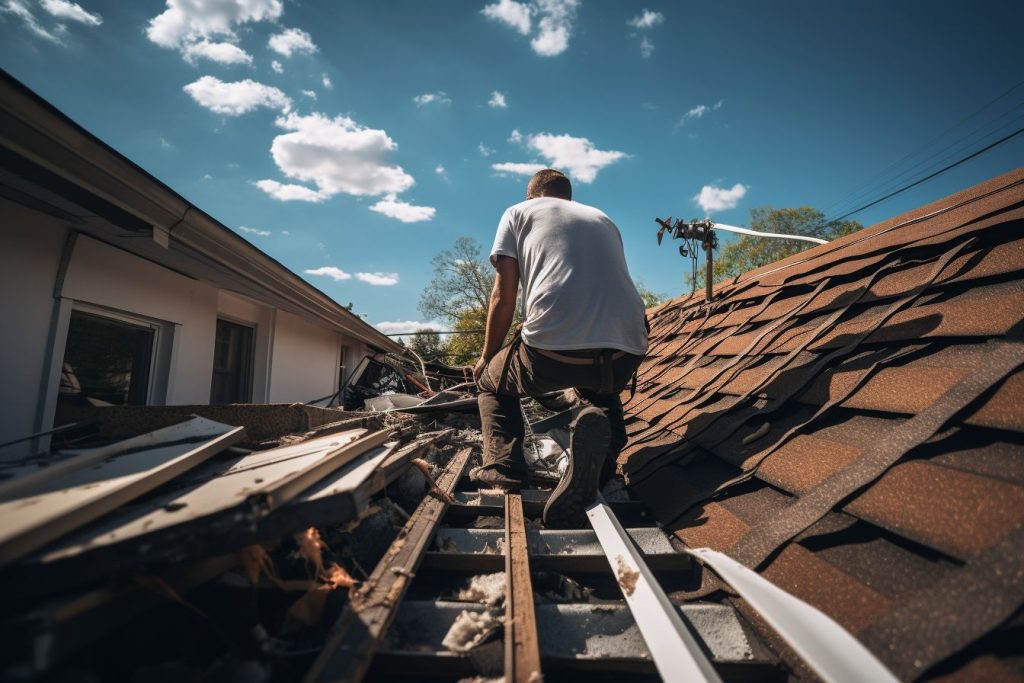
Is your roof showing signs of wear and tear or, possibly, even damage? When facing roofing issues, homeowners often weigh the daunting decision between a roof replacement and a simple repair.
This blog post aims to illuminate these options by exploring key factors such as cost, efficiency, longevity of your current roof and more – evidence-based insights that will guide you in making an informed choice.
Key Takeaways
- The age of the roof and the extent of damage are important factors to consider when deciding between roof repair and replacement.
- Long-term plans for the property should be evaluated before making a decision.
- Energy efficiency is a significant benefit of roof replacement, leading to lower heating and cooling costs.
- Budget constraints are crucial in determining whether to opt for repair or replacement.
Factors to Consider Before Deciding
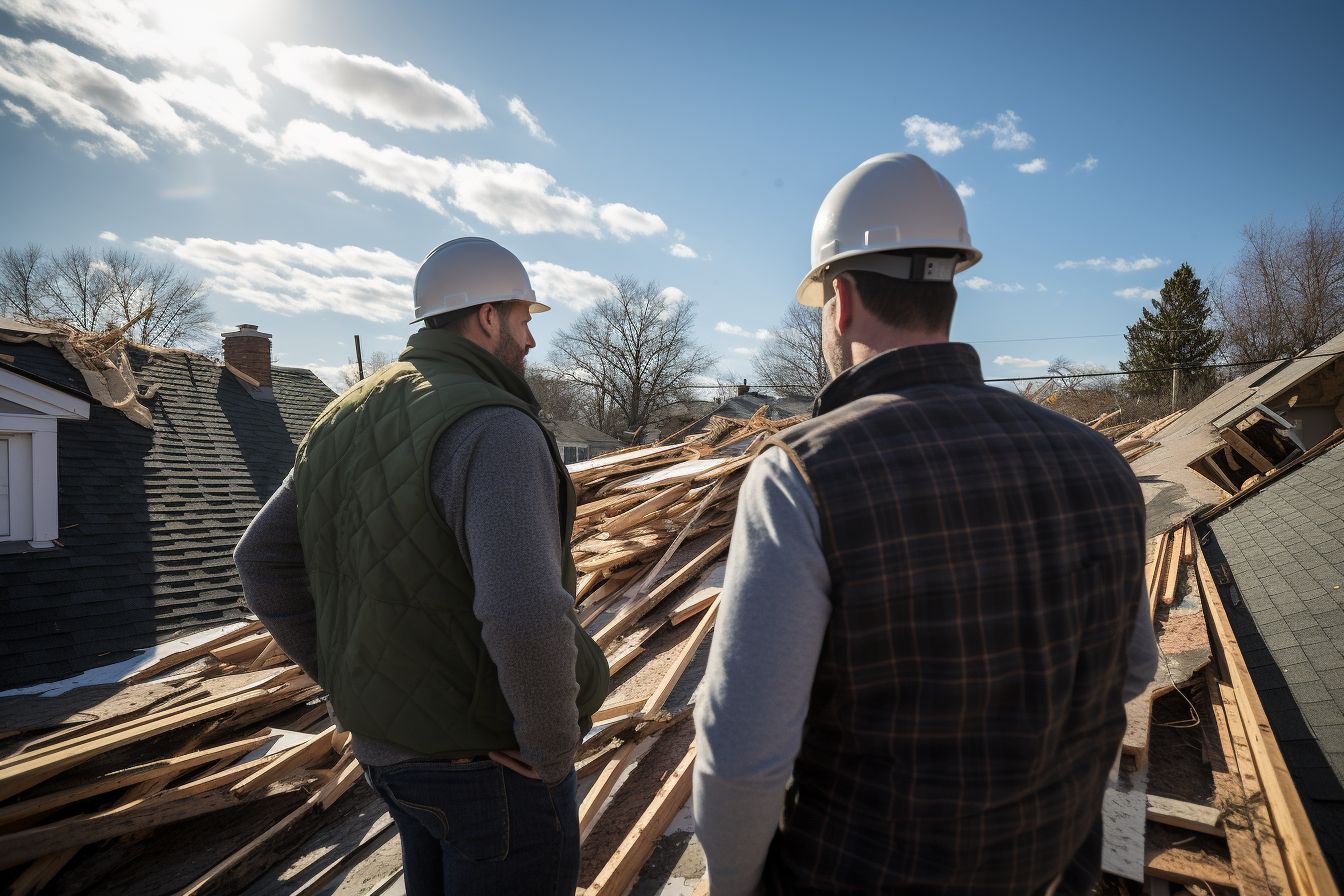
Consider the age of the roof, extent of the damage, type of roof, long-term plans, energy efficiency, and budget before making a decision.
Age of the roof
The age of your roof plays a vital role in the decision between roof repair and replacement. Just like any other part of your house, roofs deteriorate over time. If you have an asphalt shingle roof nearing its 20th birthday or a metal one approaching 50 years, it could be nearing the end of its lifespan.
Often, older roofs may require more extensive work due to accumulated wear and tear. Hence, if your home’s top layer is quite old, replacing it might be the best route instead of repetitive repairs.
The materials used during installation significantly affect how long roofs last; for instance, clay or concrete tiles outlast most others by reaching a 50+ year lifespan with proper maintenance.
The extent of the damage
Assessing the extent of the damage plays a crucial role in deciding between roof repair and replacement. Minor issues, like small leaks or missing shingles, often only necessitate a simple repair job.
However, more extensive damages demand greater measures.
Weather-induced damage to your roof from events such as storms, hailstorms, or strong winds might lead to larger areas of destruction that can’t be fixed with just minor repairs. In such situations, you may need to consider full roof replacement due to the severity of wear and tear on your rooftop.
Type of roof
Different types of roofs have unique characteristics and demands. Metal roofing, for instance, can last up to 70 years and withstand extreme weather conditions. On the other hand, asphalt shingles are popular because they’re affordable and easy to install but may not fare well in harsh climates.
The regional climate significantly influences the roof that suits your home best since it directly impacts its durability and maintenance needs. A professional roofer will guide you through various options, considering practicality and budget constraints.
Opting for a full roof replacement instead of a nail-over reroof can also save money in the long run as it provides better insulation, energy efficiency, and lifespan.
Long-term plans
Considering long-term plans is important when deciding between roof repair and replacement. I want you to know that this decision can greatly impact your plans for the property. If you plan to stay in your home for many years, investing in a roof replacement may be the better option.
A new roof provides long-lasting durability and can increase the value of your property. On the other hand, repairing the roof might be more cost-effective if you have short-term plans to sell or move.
It’s crucial to weigh these factors carefully and consult with roofing experts before deciding whether to repair or replace your roof.
Energy efficiency
Modern roofing materials have significantly improved energy efficiency, reducing homeowners’ heating and cooling costs. These materials are designed to keep out the elements and reflect sunlight, effectively decreasing heat transfer into the home.
Options like metal roofing provide durability and longevity and contribute to eco-friendly practices with sustainable materials. By investing in energy-efficient roofing, homeowners can enjoy increased insulation, lower energy consumption, and greater savings on utility bills.
Budget
Budgeting is a crucial factor to consider when deciding between roof repair and replacement. Financial constraints, limited funds, and fixed income are common challenges that homeowners face.
Before deciding, conducting a cost analysis and planning the project budget is important. By understanding both options’ expense estimation and cost factors, homeowners can make an informed choice that fits their budgetary needs.
Successful budgeting ensures that the roof repair or replacement investment aligns with long-term plans for the property while providing energy efficiency and lasting protection.
Pros and Cons of Roof Repair
Roof repair offers several benefits, such as cost-effectiveness and the ability to address specific issues. However, it may not be suitable for extensive damage or roofs nearing the end of their lifespan.
Benefits of repairs
Roof repairs offer several benefits that make them a favourable option for homeowners. Firstly, they are generally less expensive than a full roof replacement, helping you save money in the short term.
Additionally, properly done repairs can extend the lifespan of your roof by around 30 years or even longer, making them a cost-effective investment. Furthermore, repairing your roof preserves the original materials and maintains the aesthetic appeal of your building.
By addressing leaks, damaged shingles or flashing problems through repair work, you can ensure that your roof remains functional and protects your home from water damage.
Disadvantages of repairs
Roof repairs do come with some disadvantages. One drawback is that repairs may only address some areas of damage, potentially leading to overlooked issues. This means that even after the repair work is done, there could still be hidden problems lurking in other parts of the roof.
Additionally, matching roofing materials during repairs can be challenging, affecting the roof’s overall appearance. It’s important to get it right to maintain the aesthetics and ensure proper functionality.
Another disadvantage is that roof repairs may only achieve their expected lifespan if done correctly. So, hiring a professional who can perform correct installation and ensure longevity is crucial.
Pros and Cons of Roof Replacement

Roof replacement offers several benefits, including fixing extensive damage, improving energy efficiency, and providing a longer-term solution for homeowners. However, it can be more expensive and time-consuming compared to roof repairs.
Additionally, replacing the roof may only sometimes be necessary or practical, depending on the extent of the damage and the homeowner’s budget constraints.
Benefits of replacement
Replacing a roof comes with several benefits. First and foremost, it is worth the investment compared to repeatedly paying for repairs. Opting for a complete replacement eliminates the need for frequent patch-ups and potential leaks in the future.
Secondly, replacing your roof can greatly improve the overall energy efficiency of your building. A new roof with updated materials and insulation helps to keep heat or cool air inside, resulting in significant energy savings over time.
Additionally, a new roof enhances your property’s curb appeal and value. It provides a fresh and attractive appearance that can make a big difference for potential buyers or tenants.
Disadvantages of replacement
Replacing a roof comes with its share of disadvantages. Firstly, the cost of roof replacement is generally higher compared to repairs. This can be a significant factor for homeowners on a tight budget.
Secondly, replacing a roof involves removing the existing one before installing the new materials. This takes time and can disrupt your daily routine. Lastly, when opting for replacement, you might need to stay elsewhere until the project is completed if your home becomes uninhabitable during construction.
All these factors should be carefully considered before deciding between repair and replacement.
Complete Guide to Roof Replacement
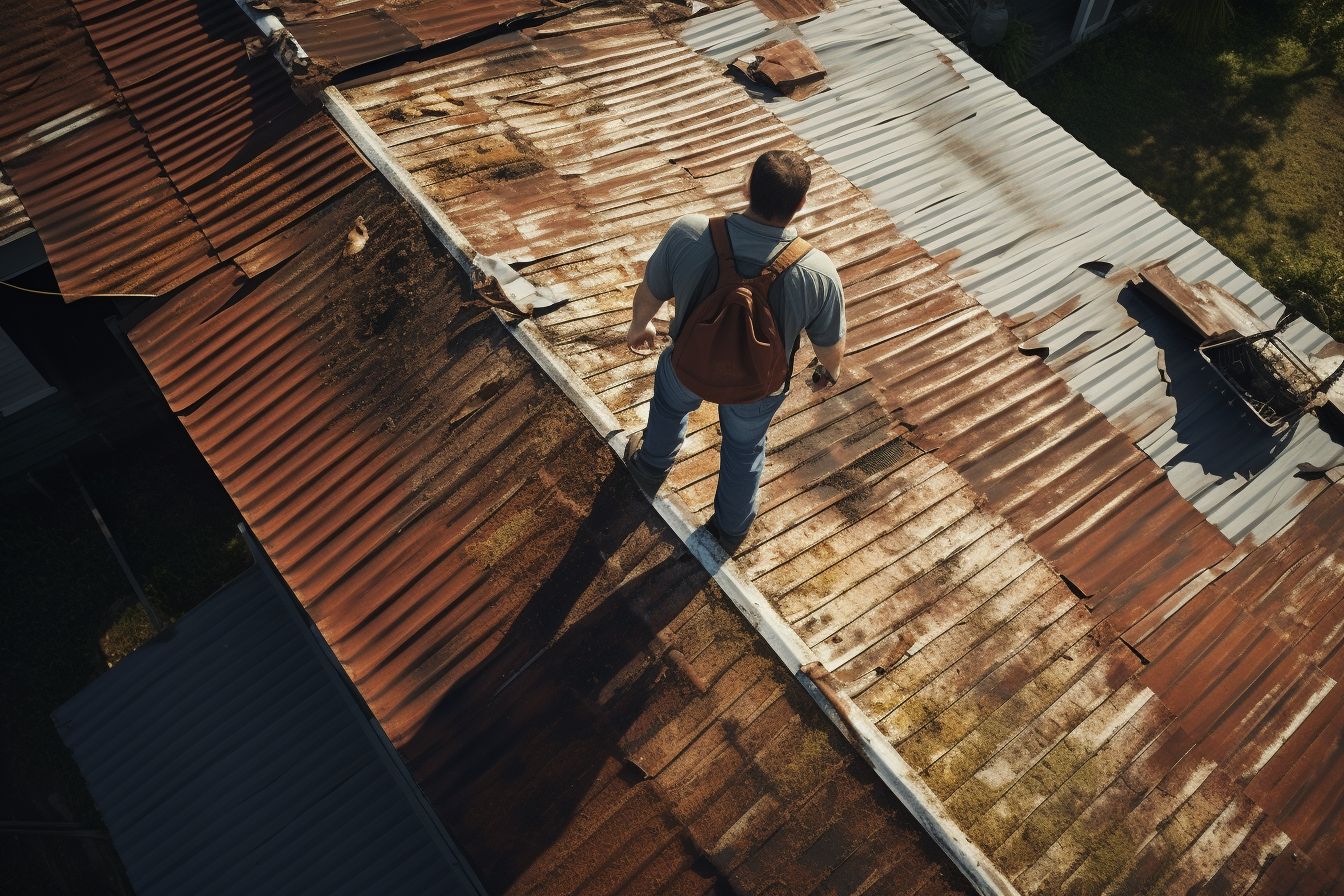
Replacing a roof involves completely removing the existing roofing system and installing a new one. Here are important steps to follow when considering a roof replacement:
- Assess the condition of your current roof
- Choose the right roofing materials for your needs
- Hire a professional contractor for the installation
- Obtain necessary permits and approvals
- Prepare your home for the installation process
How to Make the Decision
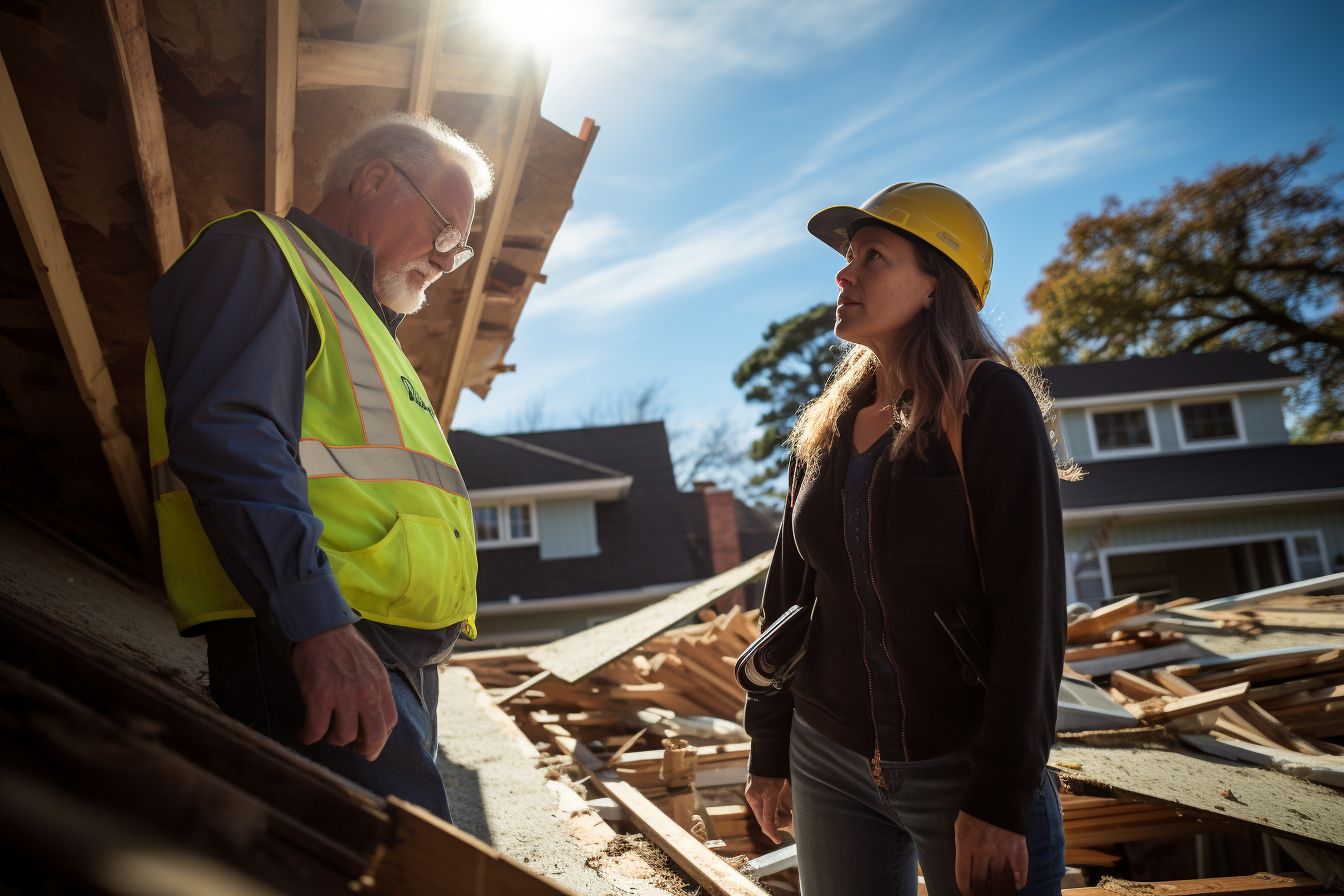
Please take a look at the age, condition, and extent of damage to your roof, consider long-term plans and energy efficiency, and then review your budget constraints before deciding whether to repair or replace your roof.
Making an informed decision will ensure the longevity and functionality of your roof. Keep reading to learn more about these factors!
Assessing the age and condition of the roof
The age and condition of the roof are crucial factors when deciding whether to repair or replace it. Regular roof inspections can help determine how old the roof is and if it has reached its expected lifespan.
Factors such as cracked shingles, missing tiles, water stains, or moss growth indicate potential damage and deterioration. Signs of wear and tear, like curling edges or granule loss, suggest an ageing roof.
Evaluating the overall condition helps determine if repairs can extend its life or if replacement is necessary for long-term durability. Additionally, considering factors such as leaks and the extent of damage will further inform the decision-making process regarding roof maintenance or replacement.
Considering the extent of the damage
The extent of the damage to your roof is crucial in determining whether you need to repair or replace it. This is because minor issues such as small leaks or missing shingles may only require repairs, while more severe damage might necessitate a complete roof replacement.
I think assessing the level of damage will help you make an informed decision and ensure that your roof receives the appropriate treatment.
Evaluating long-term plans
It is important to evaluate your long-term plans to make an informed decision between roof repair and replacement. Consider factors such as how long you plan to stay in your current home or property, any future remodelling or additions you may have in mind, and your overall budget for home improvements.
Evaluating your long-term plans will help you determine whether a temporary fix through repairs will suffice or if investing in a complete roof replacement is more beneficial in the long run.
Remember that while repairs can address immediate issues, they may not be a viable solution if you anticipate significant changes to your property soon.
Factoring in energy efficiency
Energy efficiency plays a crucial role when deciding between roof repair and replacement. Choosing energy-efficient roofing can lead to lower energy consumption, decreasing utility bills.
Additionally, it offers the opportunity to implement energy-saving measures and minimise overall energy costs. Newer roofing materials are designed with enhanced energy efficiency, offering superior performance compared to older options.
Moreover, improving energy efficiency through roof replacement can also increase property value and reduce maintenance expenses. Overall, factoring in energy efficiency is important when deciding between repairing or replacing a roof.
Reviewing budget constraints
Budget plays a crucial role when deciding between roof repair and roof replacement. With roof repair generally less expensive than replacement, homeowners must carefully review their financial limitations before deciding.
Understanding the costs associated with common roof repairs can help assess which option is more budget-friendly. Seeking experts for detailed estimates can provide valuable insight into the costs involved, enabling homeowners to make an informed decision while considering their budget constraints.
Conclusion
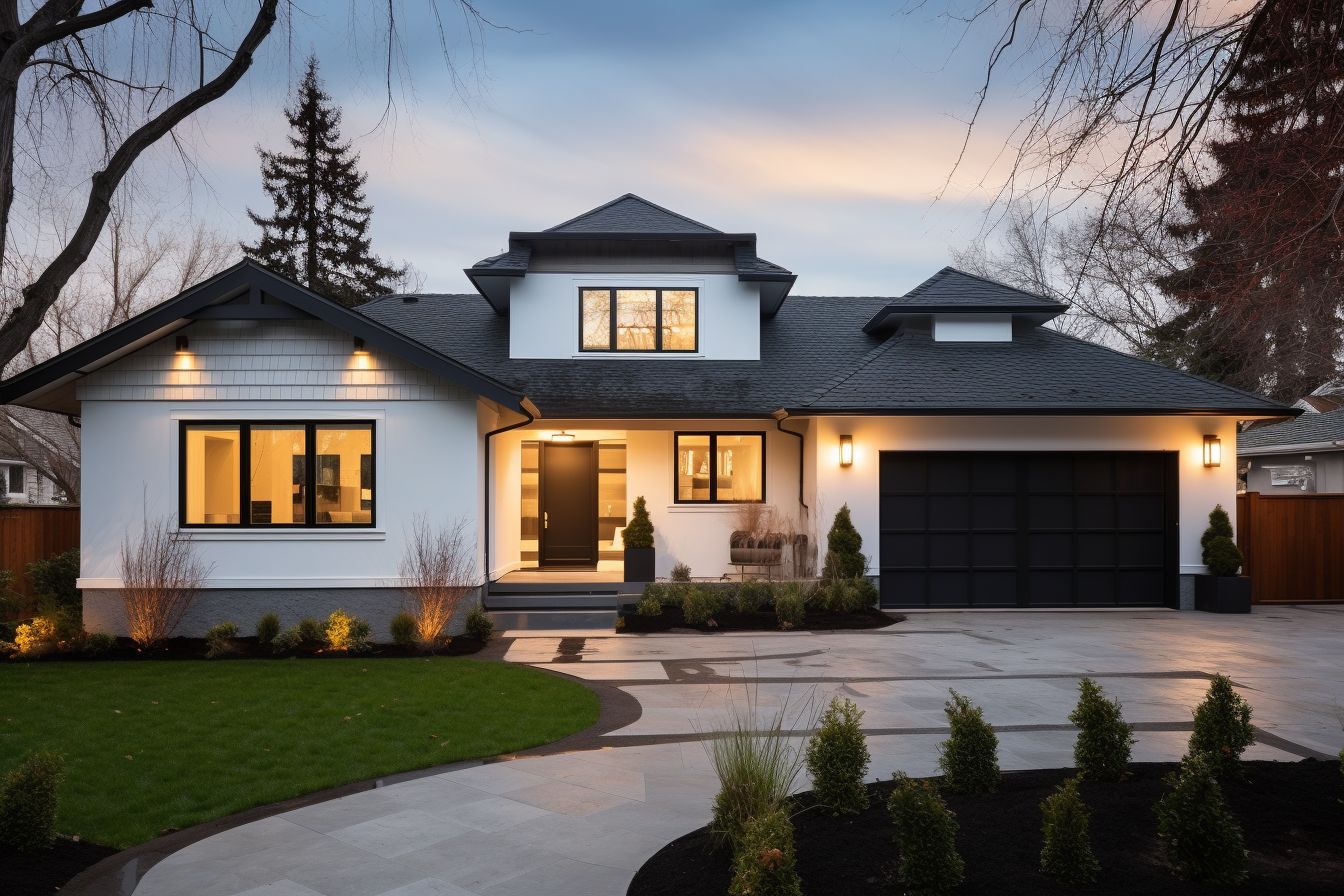
After considering important factors such as the age of your roof, extent of damage, and long-term plans, it’s clear that the decision between roof repair and replacement depends on the specific needs of your home.
While repairs can be more affordable in the short term, replacing the entire roof may provide better long-term value and peace of mind. Please consult with a professional roofing contractor to see the condition of your roof and make an informed decision.
FAQs
1. When should I choose roof replacement over roof repair?
Roof replacement is typically recommended if your roof is severely damaged, has multiple leaks, or is nearing the end of its lifespan.
2. Can a roof repair fix all types of issues?
A roof repair can fix minor issues, such as small leaks or damaged shingles, but it may not be sufficient for extensive damage or structural problems.
3. How long does a roof repair typically last?
The lifespan of a roof repair can vary depending on the extent of the damage and the quality of the repairs performed. Generally, a well-executed repair can extend the life of your roof by several years.
4. What signs indicate the need for a roof replacement?
Signs that may indicate the need for a roof replacement include frequent leaks, significant water damage in your home, missing or cracked shingles, and noticeable sagging or ageing of your current roofing system.
5. Is it more cost-effective to choose roof replacement or repair?
The cost-effectiveness depends on various factors, such as the extent of damage and the overall condition of your current roof. In some cases, investing in a new roof might be more beneficial regarding longevity and avoiding future repairs. It’s best to consult a professional roofer to determine which option suits your situation best.