
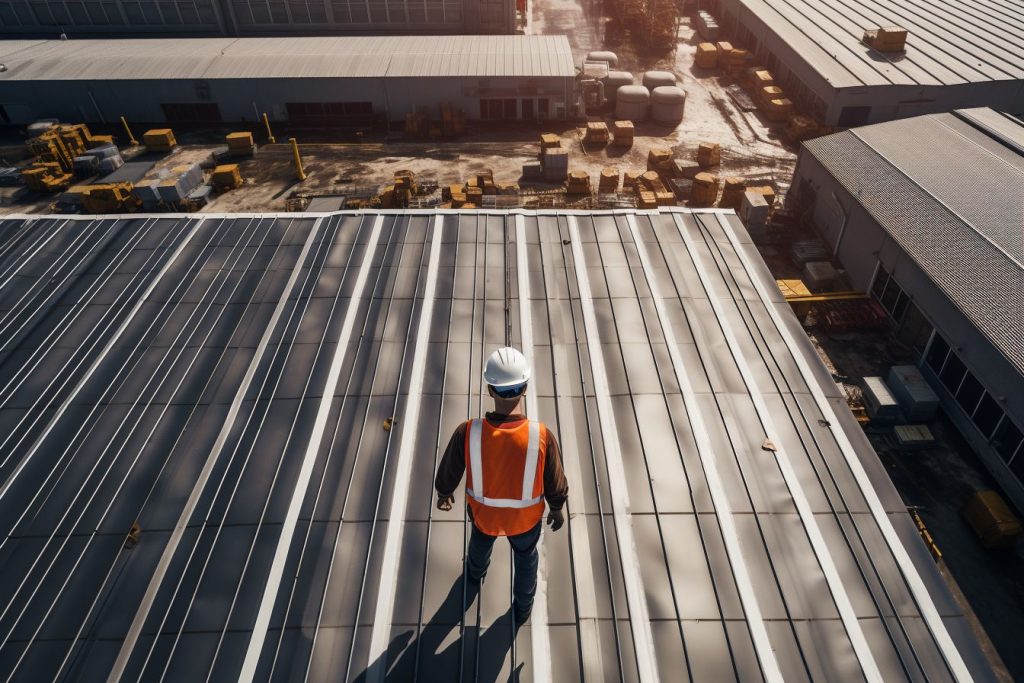
Are you contemplating whether to opt for commercial or residential roofing but need clarification about which one is more suitable? Both types have their unique characteristics; for instance, commercial roofing is designed with functionality in mind, while residential roofing typically prioritises aesthetics.
In this blog post, we will delve into the key differences between these two options in design, installation complexities and cost implications to help you make an informed choice.
Let’s lift the lid on those roofs!
Key Takeaways
- Commercial roofing is designed with functionality, while residential roofing prioritises aesthetics.
- Commercial roofs typically have a low slope or are flat, whereas residential roofs have a higher slope for quicker water runoff.
- Common materials used for commercial roofing include metal and built-up roof systems, while asphalt shingles are commonly used for residential roofing.
- Commercial roofs require more maintenance and repairs due to their larger size and complexity of installation compared to residential roofs.
- Residential roofs are generally less expensive than commercial roofs because they are smaller and easier to install.
Design and Materials Differences
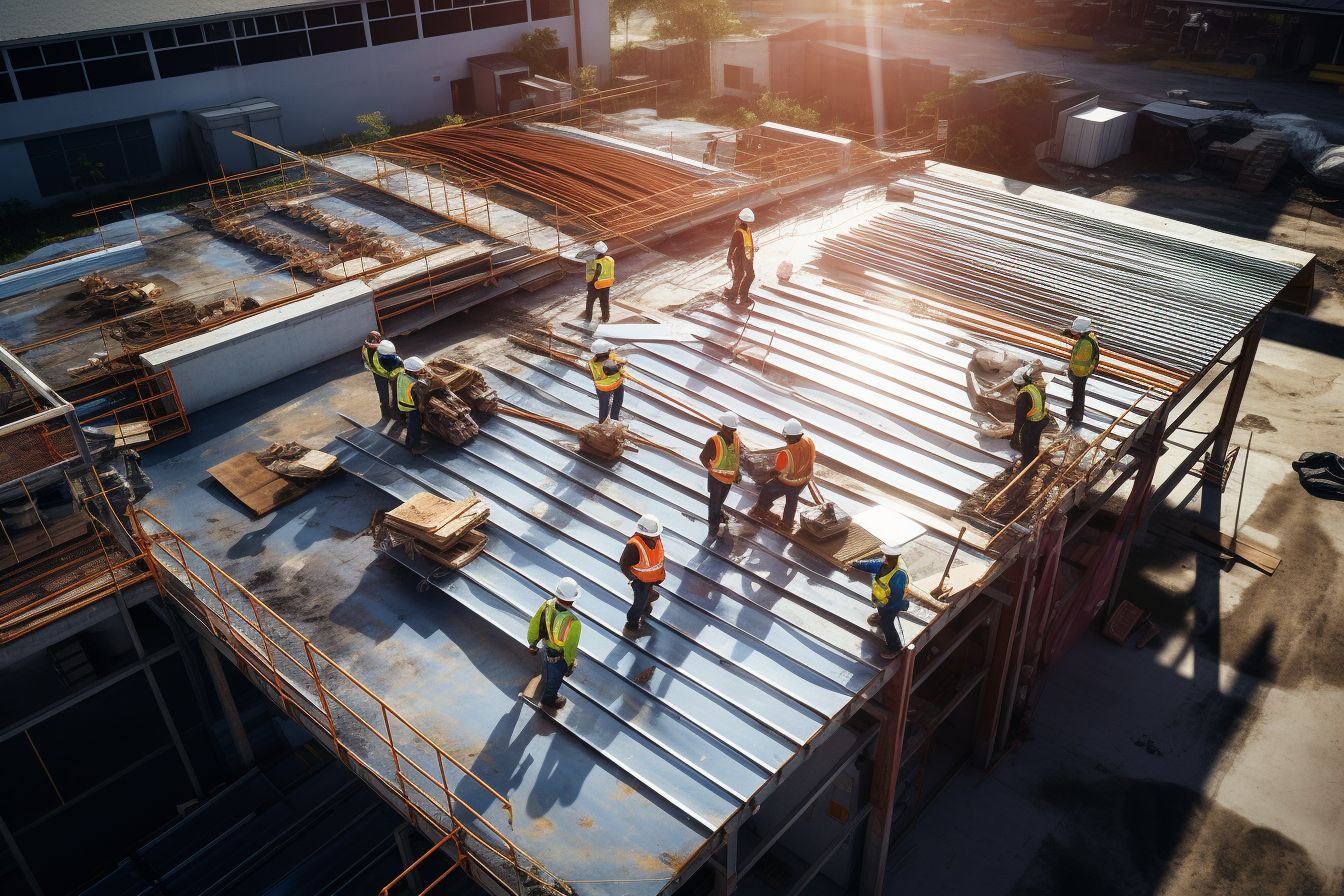
The design and materials used in commercial and residential roofing vary, primarily due to the different requirements and factors like design, pricing, and climate.
| Design | Commercial Roofing | Residential Roofing |
|---|---|---|
| Slope | Commercial roofs typically have a low slope or are entirely flat. | Residential roofs have a higher slope, allowing for quicker water runoff. |
| Size | Commercial roofs are more extensive and may cover a wide area, including several buildings. | Residential roofs are smaller as they only cover a single dwelling. |
| Materials | Commercial Roofing | Residential Roofing |
| Common Materials | Commercial roofs utilise various materials depending on specific requirements, including metal roofing, built-up roofs, etc. | Asphalt shingles are most commonly used for residential roofs. |
| The climate and weather conditions of the area can influence weather and ClimateMaterial choice for commercial roofs | a. | Residential roofs also consider climate but have a narrower range of material choices. |
Maintenance and Cost Differences

Maintenance and cost are two key factors that distinguish commercial from residential roofing. Commercial roofs often demand higher costs than residential roofs due to their larger size and complex installation.
| Type of Roof | Maintenance | Cost |
|---|---|---|
| Commercial Roof | Commercial roofs require more upkeep and repairs, exceptionally flat roofs installed in sections. Due to their low slope or flat nature, commercial roofs need more routine inspections. | Commercial roofs are notably more costly than residential roofs, owing to their larger size and the complexity of installation. |
| Residential Roof Compared | d to commercial roofs, residential roofs need less maintenance. This is typically due to their design, which often includes sloping that helps with natural water runoff. | Residential roofs are generally less expensive than commercial roofs. The installation process is less complex and quicker, thereby keeping costs down. |
Installation and Complexity Differences
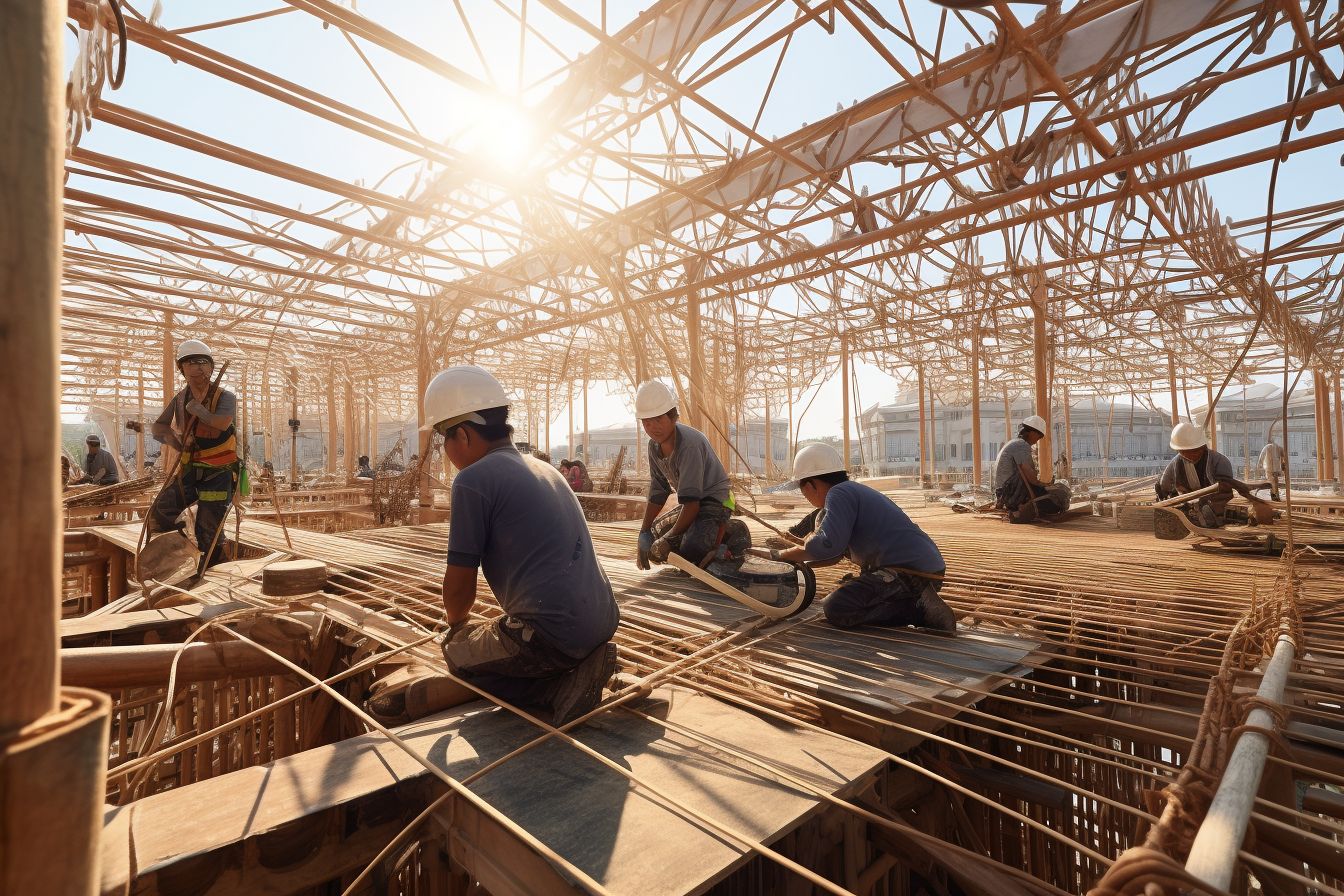
Commercial and residential roofs show significant differences in installation processes and complexity. Installing a commercial roof tends to be more time-consuming due to the immense size and intricate detailing involved.
Certain factors such as slope, materials used, and curbside appeal also add complexity to this type of construction project.
Contrarily, residential roofing installation is typically more straightforward and faster with less complicated structures involved. However, it’s crucial that the chosen material fits the architectural design for an aesthetically pleasing result.
Commercial properties tend to go beyond aesthetics focusing more on durability given their larger scale; hence they often require increased amounts of roofing materials.
Conclusion
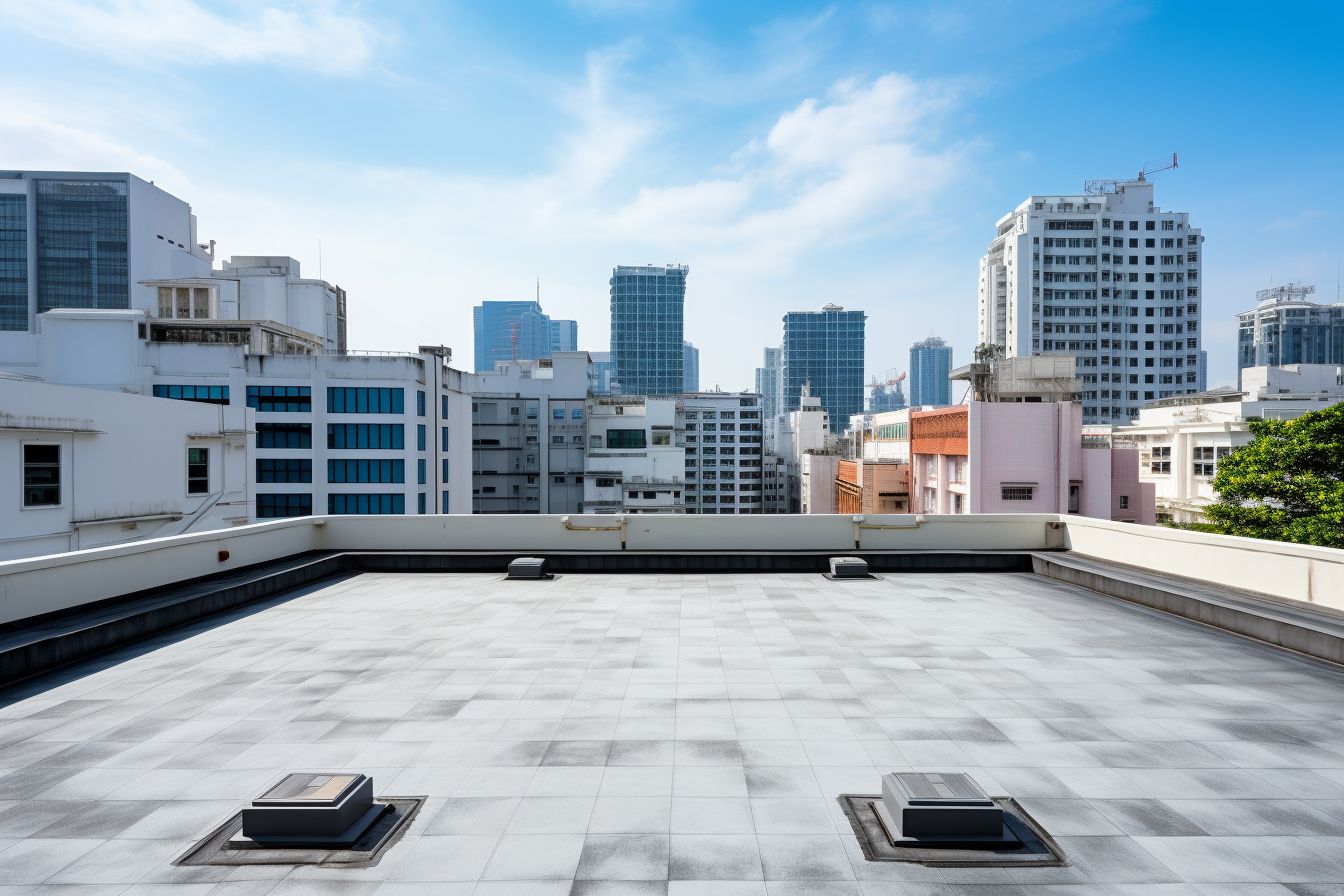
Commercial roofing and residential roofing are two distinct types of roofing systems with their own unique characteristics. Each type serves a specific purpose based on the size and design of the building it is meant to protect.
From materials and installation to maintenance and design, understanding these differences is crucial for ensuring that your roof meets the specific needs of your property. So whether you’re planning to build a new home or looking to replace an existing roof, it’s important to consult with professionals who specialize in either commercial or residential roofing to ensure that you get the best solution for your needs.
FAQs
1. What is the difference between commercial roofing and residential roofing?
Commercial roofing is designed for larger buildings like offices or warehouses, while residential roofing is meant for homes and smaller structures.
2. Can I use residential roofing materials on a commercial building?
No, it is not recommended to use residential roofing materials on a commercial building as they may not meet the necessary requirements for durability and performance.
3. Are there any specific codes or regulations for commercial roofs?
Yes, there are specific codes and regulations that govern commercial roofs, such as fire safety standards and load-bearing capacity requirements.
4. Is the cost of commercial roofing higher than residential roofing?
The cost of commercial roofing can be higher than residential due to factors such as size, complexity, and the need for additional features like insulation or drainage systems.
5. Can a contractor who specializes in residential roofing also work on commercial projects?
While some contractors may have experience in both areas, it’s best to choose a contractor who specializes in either commercial or residential roofing to ensure they have the expertise needed for your specific project.