
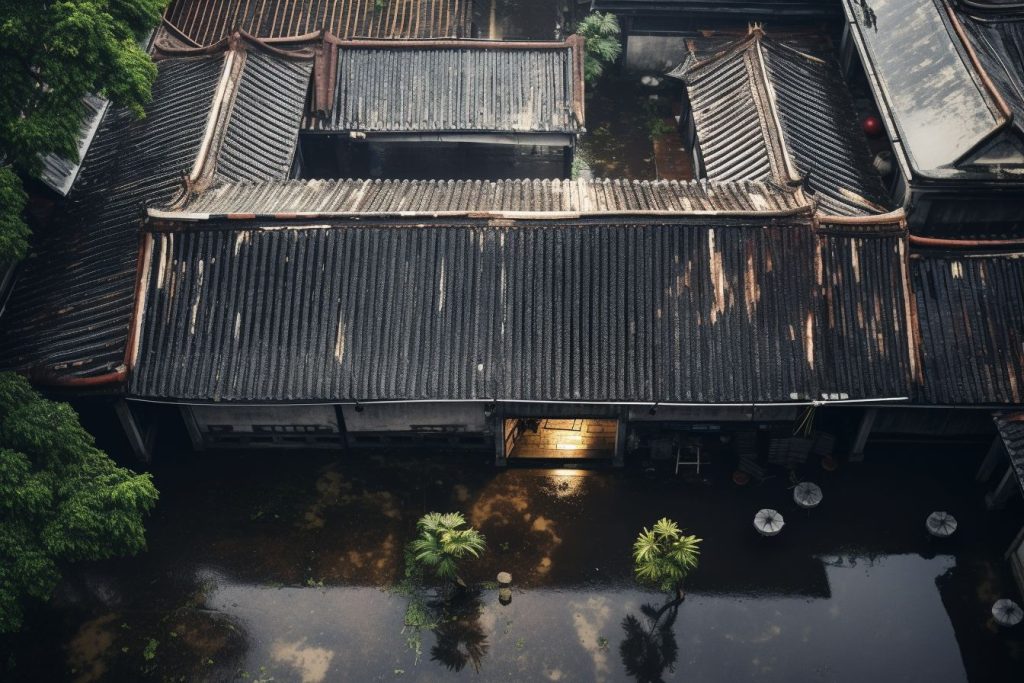
Roofing problems can be a significant concern for business owners, especially when weather conditions take a turn for the worse. Did you know that intense heat, heavy rain, or strong wind can significantly undermine the longevity of your commercial roof? This blog will explore how various weather elements impact your roofing system and offer practical tips to counter these adversities.
Stay with us; a sturdy roof equals peace of mind!
Key Takeaways
- Heavy rain can lead to leaks and water damage on commercial roofs, causing corrosion and decay over time.
- Strong winds can cause damage to roofing materials, leading to vulnerability, leaks, and interior water damage.
- Accumulated snow can put excessive weight on commercial roofs, leading to structural damage and increased risk of leaks.
- Hail can cause cracks and breaks in roofing shingles, compromising their ability to protect against water infiltration.
- High temperatures can cause expansion and contraction of roofing materials, resulting in cracks and leaks over time.
- Cold weather can lead to cracking in roofing materials due to freezing and thawing cycles, increasing the risk of water infiltration.
How Weather Impacts Commercial Roofing
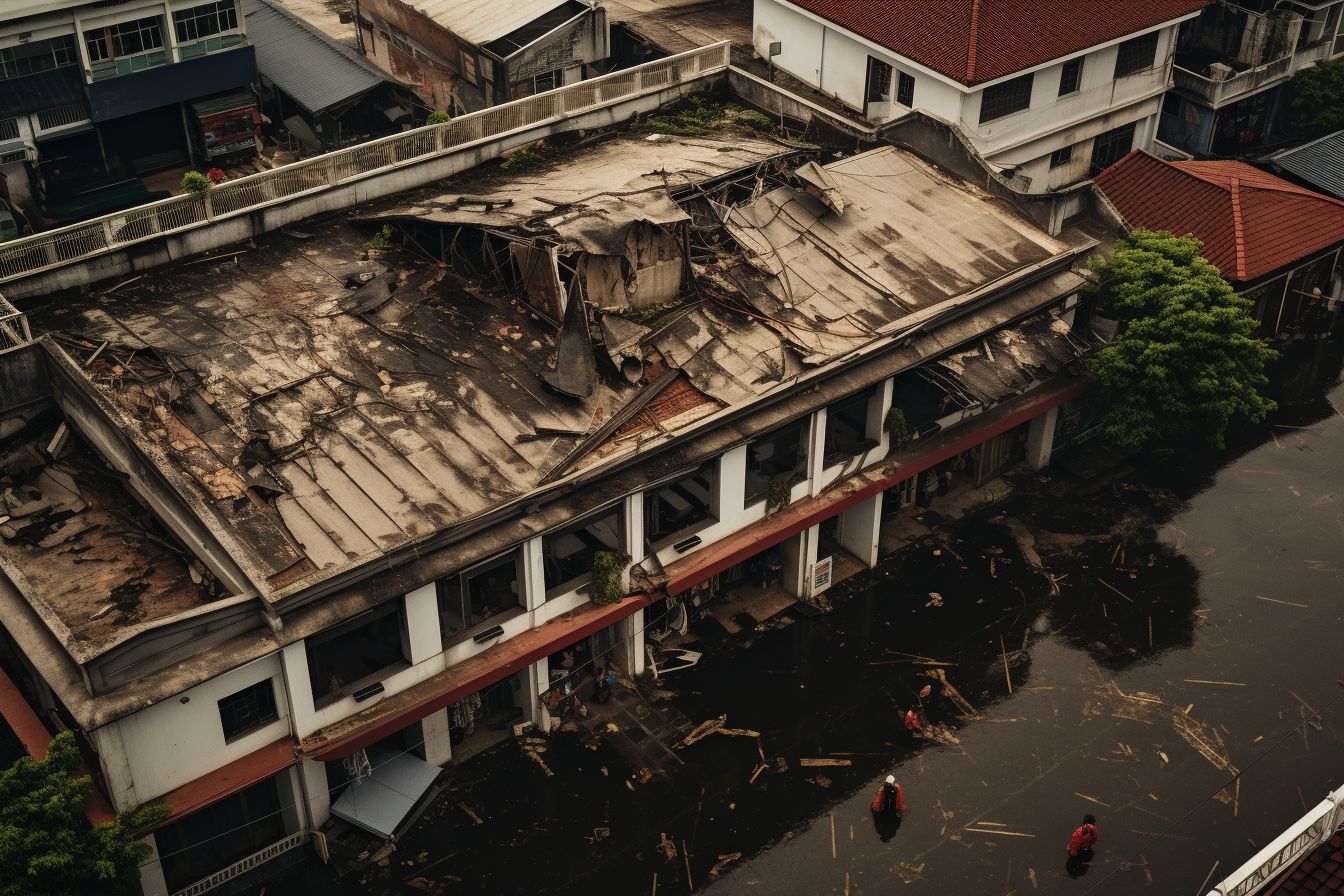
Rain can cause leaks and water damage to commercial roofing, while wind can lead to damaged materials. Snow adds weight that can cause structural damage and leaks, hail causes damage to the roof and leads to leaks, and heat and cold contribute to cracks in the roofing materials.
Rain: Leaks and water damage
Heavy rains pose a significant threat to commercial roofs. With these downpours, water quickly accumulates on roofing materials, accelerating wear and tear. Over time, this persistent moisture can lead to corrosion and eventual leaks.
Shingles take the brunt of this damage as rainwater seeps into them, causing decay from within. This process leads to leaks and jeopardises roof integrity over time. The problem intensifies when condensation enters the scene – moisture accumulation results in both immediate leaks and lingering water damage that can eat away at the health of your commercial roof over time.
Wind: Damaged roofing materials
Storms with high wind speeds often result in significant damage to commercial roofing. Roof material loss is common as windy conditions can cause shingles and other materials to loosen or completely blow off, leaving the roof vulnerable.
This vulnerability could lead to further damage, such as leaks and interior water damage.
Falling objects and windborne debris pose another risk to commercial roofs during harsh gusts. These elements can create punctures or dents on the roof’s surface, which may require extensive repair work if not addressed promptly.
Not only do these damages affect the functionality of the roof, but also its lifespan overall. Unpredictable weather patterns make it even more crucial for businesses to maintain their roofing systems adequately, taking special note of any signs of hail damage or shingle displacement after extreme wind events.
Snow: Weight causing structural damage and leaks
Heavy snowfall poses severe threats to commercial roofing. The weight of accumulated snow can lead to structural damage, causing the roof to sag or even collapse. Winter conditions also exacerbate potential water damage as melting snow finds existing cracks and crevices in the roofline, creating leaks that seep into the building’s interior.
Standing water from melted snow becomes a gateway for moisture issues within the structure itself. Ultimately, frequent exposure to heavy winter weather wears down your rooftop, pushing it towards possible failure and costly repairs.
Property owners must address these challenges promptly to prevent more significant damages down the line.
Hail: Damage to roofing materials and leaks
Hail can cause significant damage to commercial roofing materials, leading to leaks and compromised roof integrity. The impact of hail on roofing shingles can result in cracks and breaks, weakening the seal that protects against water infiltration.
Over time, these damaged shingles may become ineffective at preventing further weather-related damage. Businesses need to address hail damage promptly to prevent costly repairs and ensure the long-term protection of their commercial roofs.
Heat: Expansion and contraction leading to cracks and leaks
High temperatures pose a significant threat to commercial roofs as they can cause expansion and contraction of the roofing materials. This thermal movement increases the likelihood of cracks and leaks in the roof structure.
The heat causes the roofing materials to expand, putting stress on seams, seals, and joints. As temperatures drop again, these materials contract, potentially leading to gaps or splits that allow water infiltration.
It is crucial for commercial property owners to address this issue promptly through regular inspections and timely repairs to prevent further damage from occurring.
Cold: Damage to roofing materials and leaks
Cold weather significantly threatens commercial roofing, leading to damage and leaks. When temperatures drop below freezing, any moisture on the roof can freeze and expand, causing cracks in the roofing materials.
As water thaws, it can seep into these cracks and refreeze, creating even more significant gaps for water to penetrate. This cycle of freezing and thawing weakens the roof’s structure and allows for water infiltration, leading to costly leaks.
Additionally, cold climates can contribute to condensation buildup on roofs, increasing the risk of moisture accumulation and further damage.
Preventing cold-related damage requires proactive measures such as regular inspections to identify existing issues and timely repairs before they worsen. Applying protective coatings can help shield roofing materials from extreme temperatures while ensuring proper drainage is essential for preventing ice dams obstructing water flow.
Signs Your Commercial Roof Needs Repair
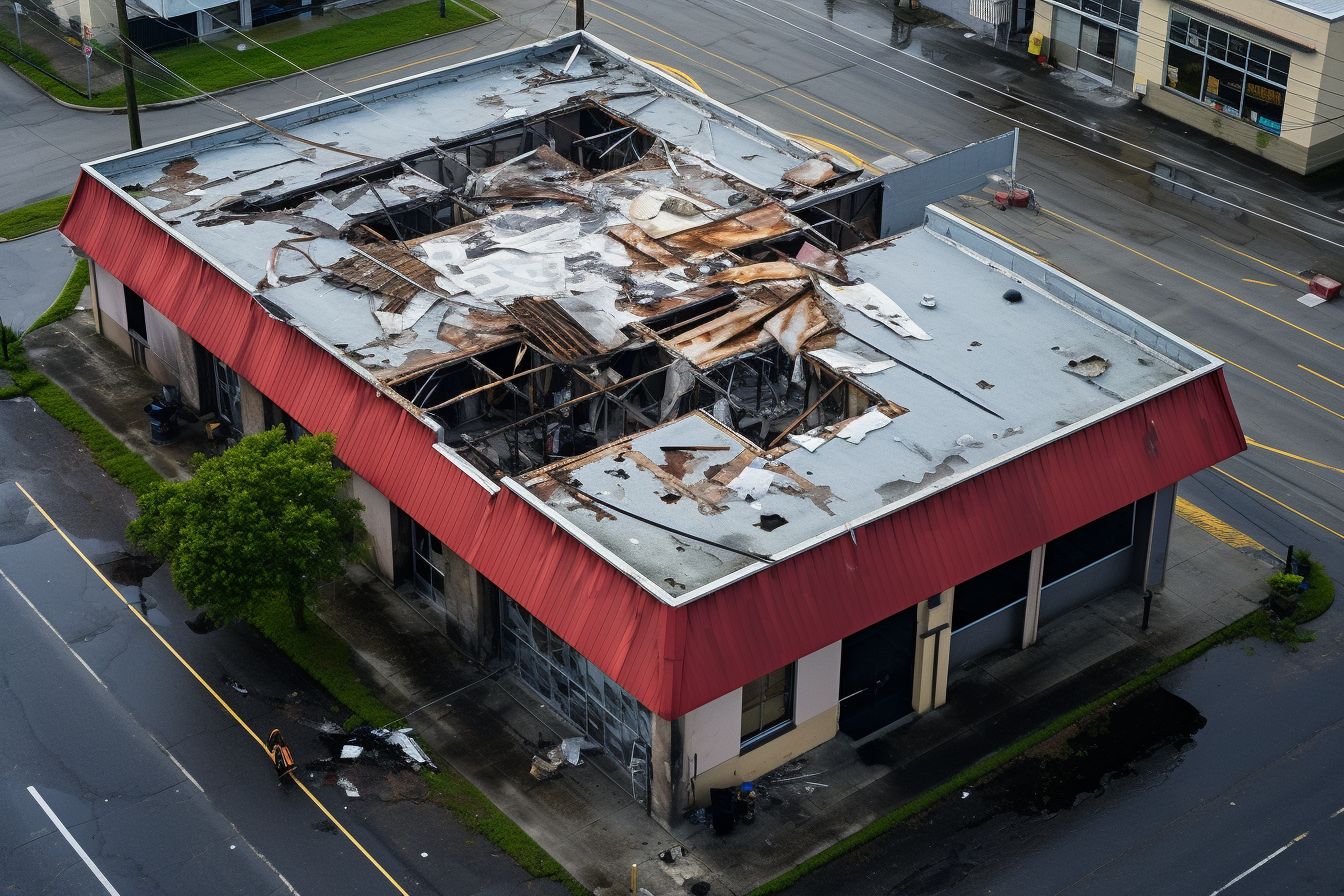
Sagging spots, musty odours, interior water damage, bubbles, and blistering are all signs that indicate your commercial roof needs repair. These signs can be caused by various factors, including bad weather, improper roof application, and trapped moisture.
When your commercial roof starts to sag or show signs of leakage inside the building, it’s vital to take action as soon as possible. Ignoring these warning signs can lead to further damage and expensive repairs.
Regular maintenance and timely repairs are essential in ensuring the longevity and performance of your commercial roof.
Preventative Measures for Weather Damage
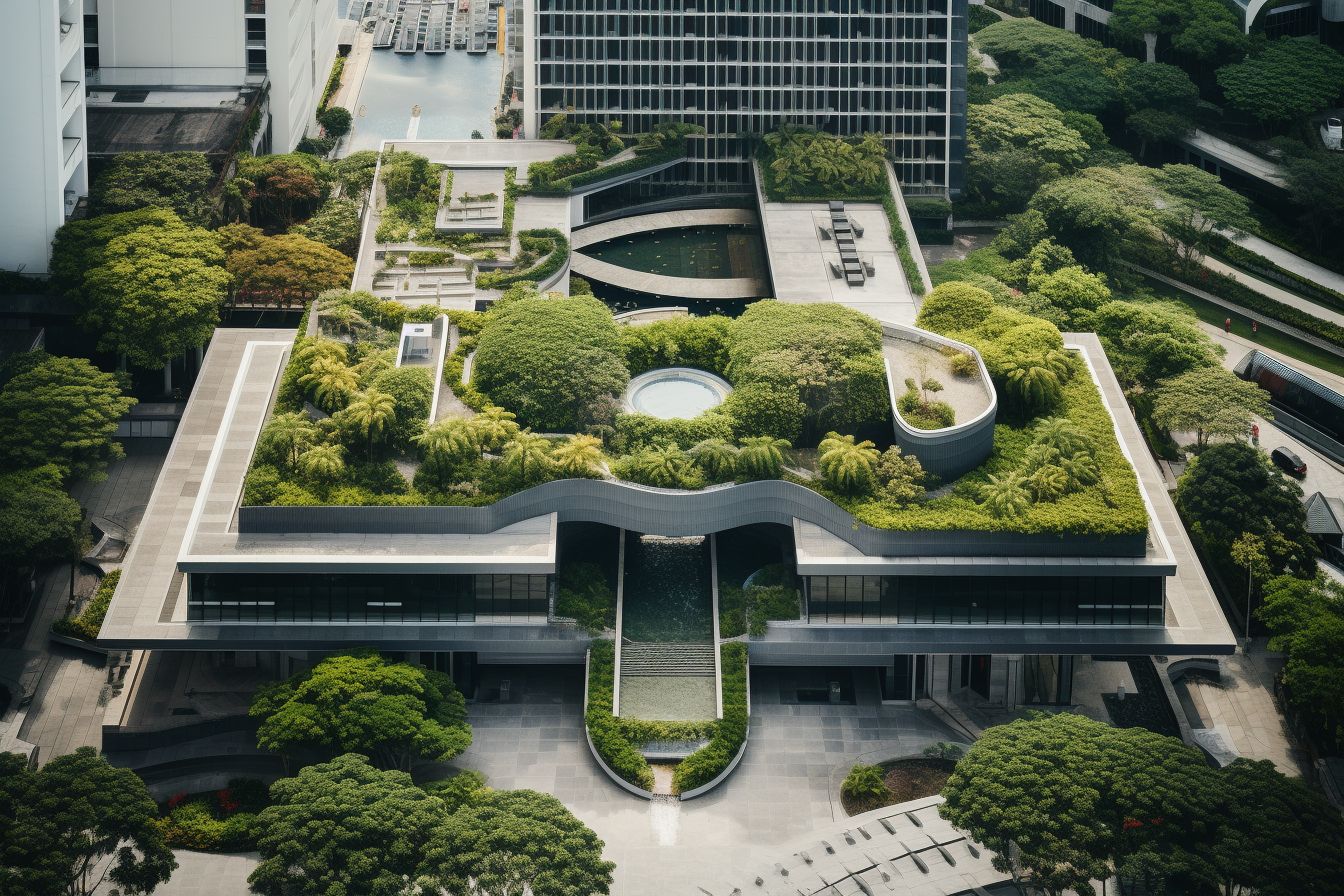
Take proactive steps to protect your commercial roof from weather damage. Regular inspections, timely repairs, protective coatings, proper drainage, and proper ventilation can all help prevent costly issues.
Don’t wait until it’s too late – read on to learn more!
Regular inspections
Regular inspections are essential for maintaining the longevity and integrity of commercial roofing. They help identify potential issues early on, allowing for timely repairs and preventive measures. According to the National Roofing Contractors Association, inspections are recommended at least twice a year or after adverse weather conditions. Seasonal evaluations are critical due to the varying impacts each season can have on commercial roofs, such as extreme heat in the summer and harsh winter conditions. Regular inspections protect against weather-related damage and ensure occupational safety measures for roofing workers at heights.
Timely repairs
Regular and timely repairs are crucial in maintaining the integrity of your commercial roof and protecting it from weather-related damage. Here are some key reasons why timely repairs are essential:
- Prevent further damage: Properly fixing any issues or damage can prevent them from worsening over time. This helps avoid costly repairs down the line.
- Limit water infiltration: Addressing leaks or areas of water damage immediately can prevent moisture from seeping further into the structure. This reduces the risk of mould growth, rotting, and other water-related issues.
- Maintain structural integrity: Timely repairs ensure that the structural components of your commercial roof remain solid and stable. This helps to avoid potential collapses or structural failures caused by weather events.
- Extend roof lifespan: By addressing minor issues promptly, you can help prolong the overall lifespan of your commercial roof. Regular maintenance and timely repairs contribute to its durability and longevity.
- Minimize business disruptions: A well-maintained roof is less likely to experience significant problems during severe weather conditions. Timely repairs help keep your business operational without interruptions caused by unexpected roofing issues.
Protective coatings
Protective coatings play a crucial role in preventing weather damage to commercial roofing. They provide an additional layer of weatherproof protection, shielding the roof from rain, wind, snow, hail, heat, and cold.
These coatings are a barrier against moisture infiltration, preventing leaks and water damage. Protective coatings are essential for safeguarding nonmetallic roof materials, paints, sealants, elastomeric coatings, and wood from rapid deterioration in areas with high ultraviolet exposure, such as sunny regions.
By regularly applying these weather-resistant coatings to the roof surface or during repairs and maintenance, businesses can ensure long-lasting durability and prevent costly damages caused by extreme weather conditions.
Proper drainage
Proper drainage is an essential element in protecting commercial roofs from water damage. When water accumulates on the roof surface due to poor drainage, it can lead to many problems, including leaks and structural issues.
To prevent this, regular inspection and maintenance of gutters and downspouts are crucial for ensuring that water is distributed effectively away from the roof. By maintaining a reliable drainage system, commercial properties can significantly reduce the risk of water damage and extend the lifespan of their roofs.
Proper ventilation
Proper ventilation is essential for maintaining the integrity of a commercial building’s roof. It allows for optimal airflow, ensuring moisture control and preventing water damage.
By allowing air circulation, proper ventilation helps to regulate temperature and prevent excessive heat buildup that can lead to cracks and leaks. Additionally, it plays a crucial role in winter maintenance by preventing ice dams and condensation issues.
With the proper roof ventilation system, you can protect your structure from potential damage while increasing energy efficiency.
Importance of Working with a Professional Roofer
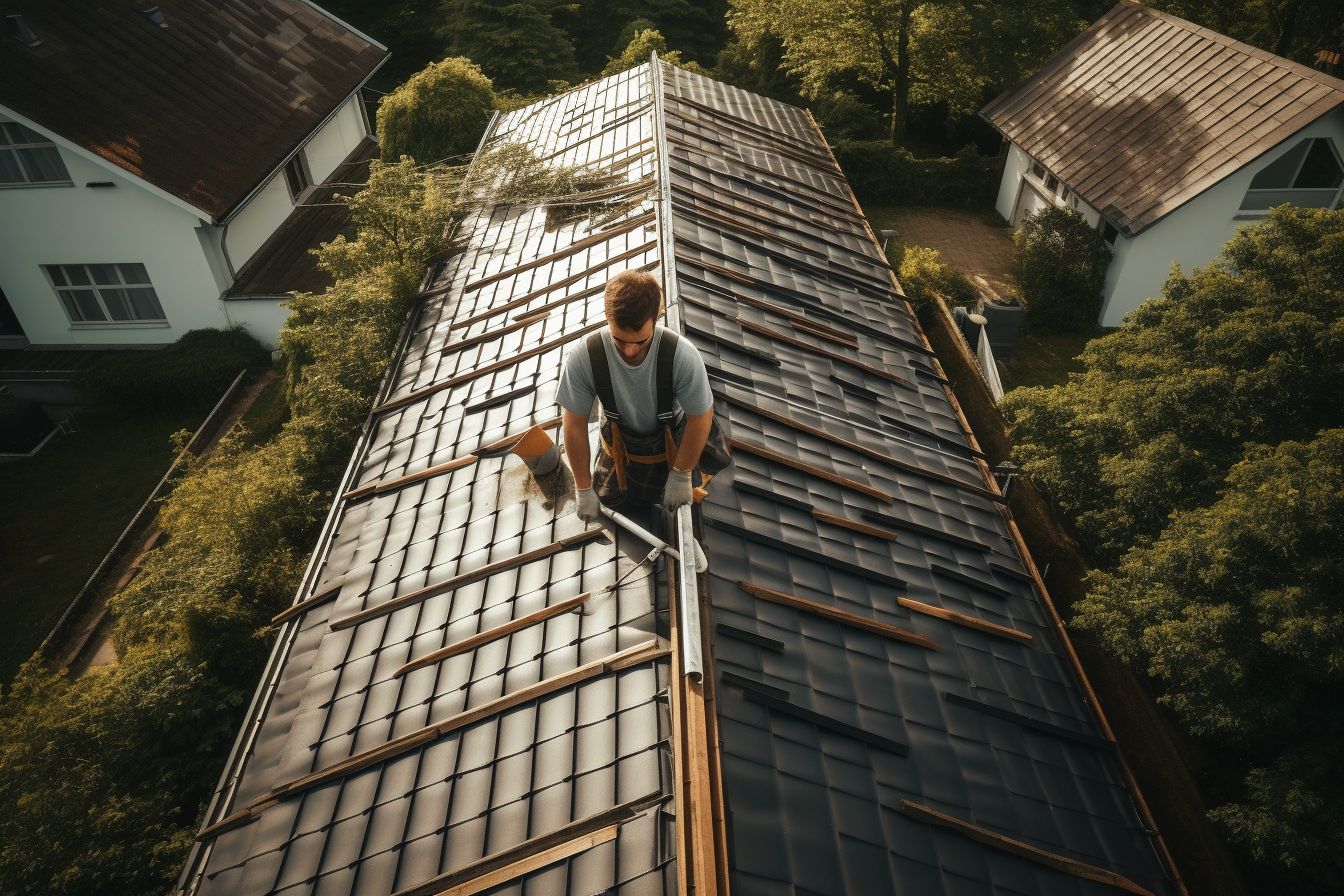
Working with a professional roofer ensures proper installation, maintenance, and access to expertise for long-term roof protection. Discover how they guarantee quality artistry and provide peace of mind.
Ensuring proper installation and maintenance
Proper installation and maintenance are essential for the longevity and protection of commercial roofing. By working with a professional roofer, you can guarantee that your roof is installed correctly and by industry standards.
These experts have the expertise and resources to ensure that all necessary steps are taken to prevent weather damage, such as using UV-resistant materials. Regular inspections and timely repairs also play a vital role in maintaining the integrity of your roof.
With proper installation and ongoing maintenance, you can know that your commercial roof is well taken care of for years to come.
Access to expertise and resources
Professional roofers bring valuable expertise and resources to commercial roofing projects. With their extensive knowledge and training, they can accurately assess the impact of weather conditions on roofs and identify potential hazards.
They have access to specialised equipment, tools, and materials essential for effective repairs and maintenance. These qualified professionals also stay updated with local building codes to ensure compliance, avoiding legal issues.
By working with skilled roofers, you can trust in their ability to handle your roofing needs efficiently and guarantee long-term protection for your commercial property.
Guaranteeing quality artistry
Hiring a professional commercial roofing company ensures skilled craftsmanship and reliability for your roofing projects. Expert roofers have the expertise and resources to handle weather-related damages effectively, providing proper installation, maintenance, and repairs.
These professionals offer competitive pricing while ensuring efficiency and professionalism in their work. Additionally, reliable commercial roofing services companies often provide warranties or guarantees for their repair work, giving you peace of mind knowing that your investment is protected.
Regarding the long-term protection of your commercial roof, working with a professional roofer is essential in guaranteeing quality artistry and maintaining the integrity of your building’s structure.
Peace of mind for long-term roof protection
Working with a professional roofer is crucial for ensuring peace of mind and long-term protection for your commercial property. By entrusting your roof’s installation, maintenance, and repair to experts, you can rest assured that the job will be done right.
Professional roofers can access expertise and resources to make informed decisions about the best materials and techniques for weather resistance. They guarantee quality artistry, using durable roofing materials that can withstand cracks, dents, and the effects of harsh weather conditions.
With a professional roofer taking care of your commercial roof, you can focus on other aspects of property maintenance while knowing that your investment is protected for years.
Conclusion
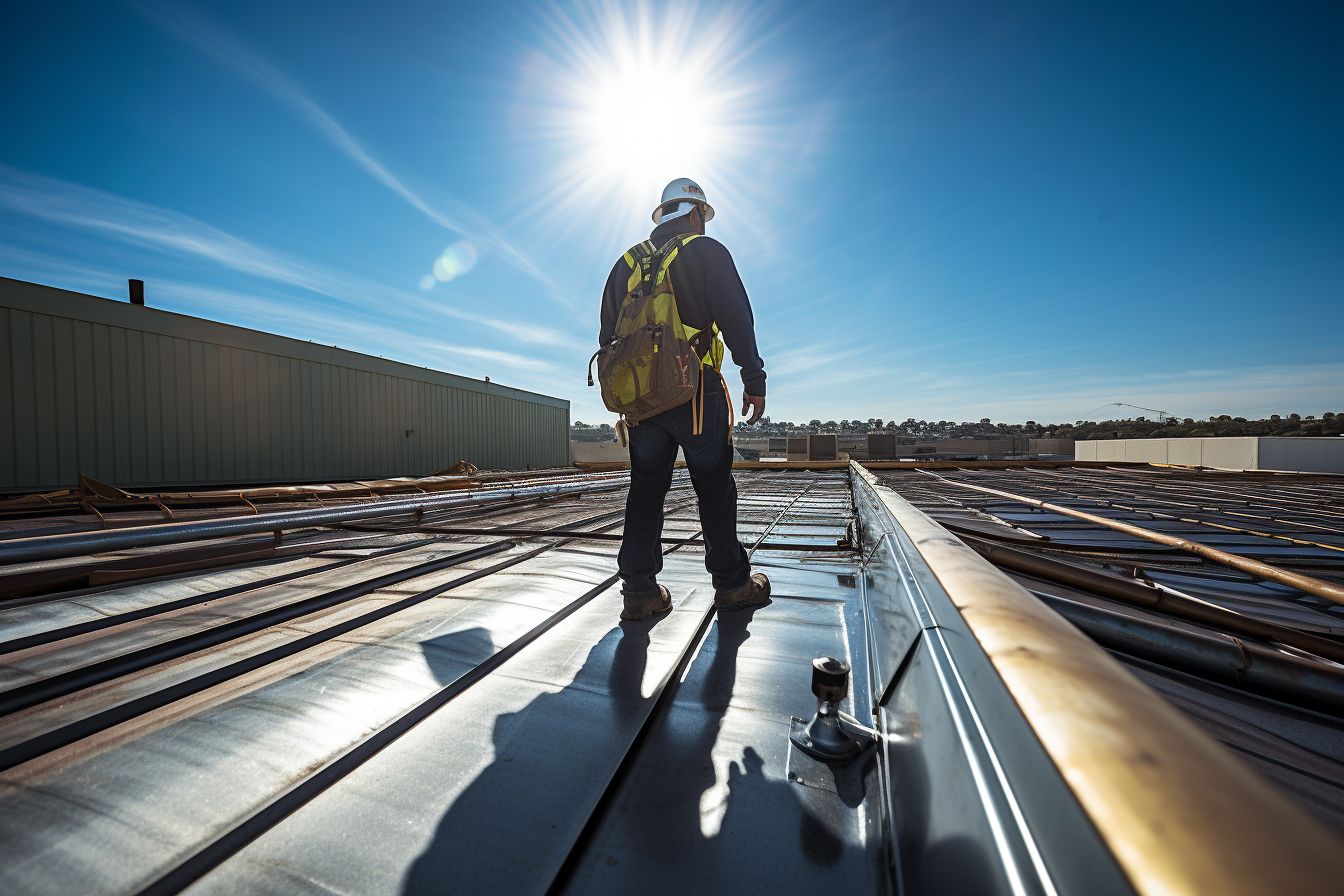
Weather conditions significantly impact commercial roofing, presenting various challenges that can lead to damage and deterioration. From heavy rains causing leaks and water damage to strong winds tearing roofing materials, businesses must take preventative measures and work with professional roofers.
Regular inspections, timely repairs, proper drainage, and protective coatings are crucial in ensuring the longevity and performance of commercial roofs. By understanding the impact of weather and taking proactive steps towards maintenance, businesses can protect their investment and avoid costly repairs down the line.
FAQs
1. How does weather impact commercial roofing?
Weather can impact commercial roofing by causing damage such as leaks, cracks, or shingle blow-offs due to heavy rain, wind, hail, snow, or extreme temperatures.
2. Can extreme heat affect the lifespan of a commercial roof?
Yes, prolonged exposure to extreme heat can shorten the lifespan of a commercial roof as it can cause deterioration in materials and lead to thermal expansion and contraction.
3. Are any specific maintenance tasks required for commercial roofs during winter?
It is important to clear snow promptly from the roof during winter to prevent excessive weight and potential structural damage. Ice dams should also be addressed to avoid water seepage.
4. How often should a commercial roof be inspected for weather-related damages?
Regular inspections are recommended at least twice a year or after severe weather events to detect any signs of damage early on and address them promptly before they worsen.
5. Can strong winds cause an uplift on a commercial roof?
Strong winds can create uplift forces that may cause edges or entire sections of a commercial roof system to lift if not adequately secured with mechanical fasteners or adhesives.