
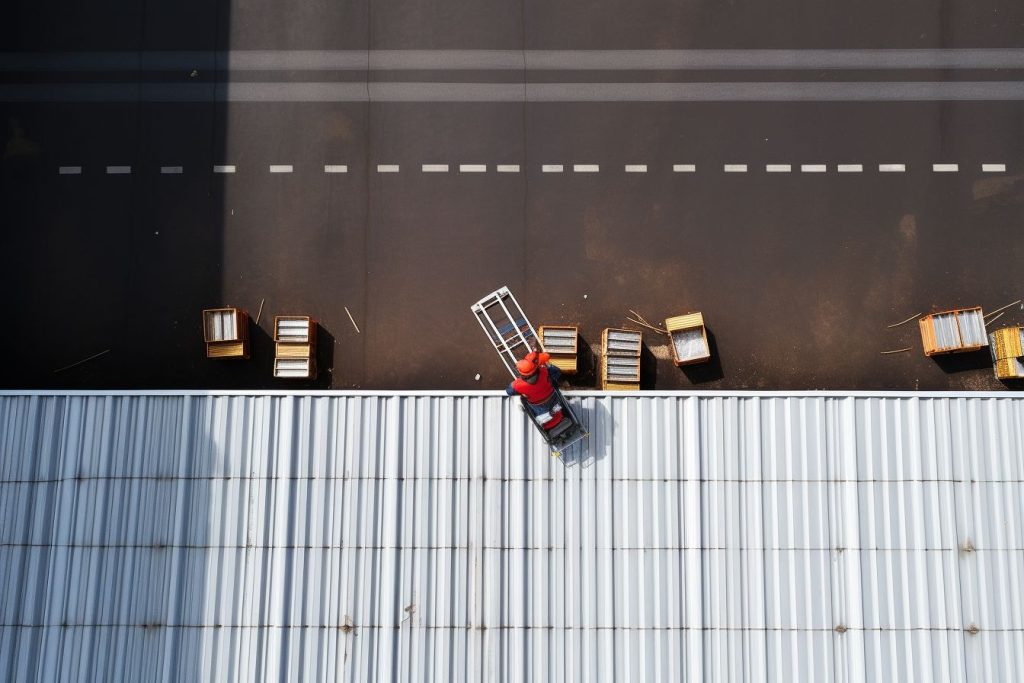
Navigating a roof installation can be dangerous without the proper safety measures. Did you know that a well-executed waterproofing system not only extends the life of your roof but also safeguards workers from potential threats? This blog post will provide comprehensive guidelines on roof waterproofing safety, ensuring both efficiency and security during the installation process.
Let’s keep everyone safe while getting the job done right!
Key Takeaways
- Proper training and certification are essential for installers to ensure safety during roof waterproofing.
- Using the correct tools and wearing appropriate safety gear, such as gloves and goggles, is crucial to prevent accidents during installation.
- Fall hazard prevention measures, like harnesses or guardrails, must be implemented on every job site.
- Following power tool safety guidelines and taking electrical precautions are essential to avoid accidents while working with electricity near water sources.
- Proper handling of hazardous substances is necessary for installer safety and environmental protection.
- Extending waterproofing above grade and using metal flashing or masonry/stucco covering ensures a watertight seal in roof design.
The Ultimate Guide to Roof Waterproofing
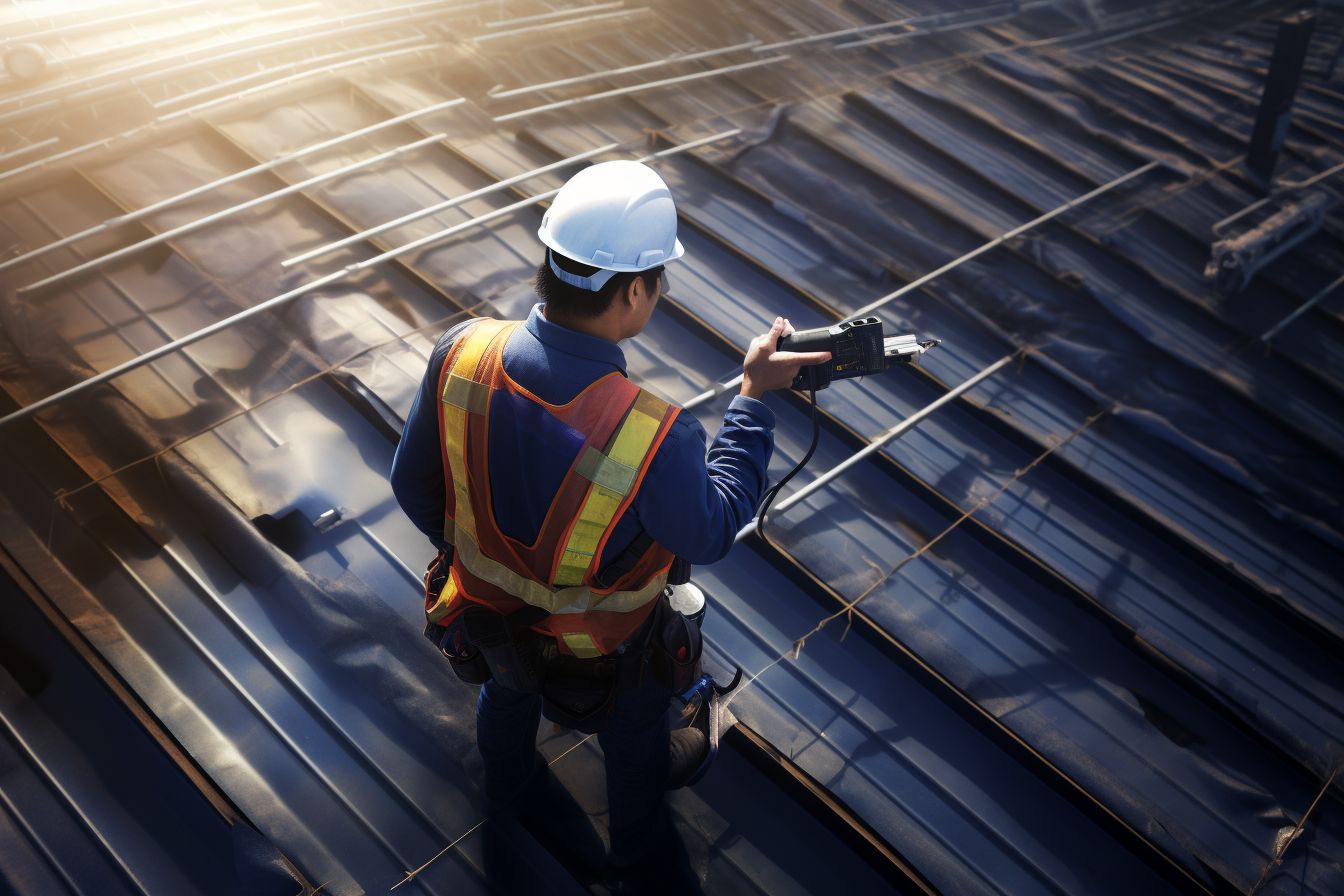
Implementing an effective waterproofing membrane safeguards the durability of buildings, a focal point in the Ultimate Guide to Roof Waterproofing. This protection enhances the longevity of structures by controlling excess water, which is especially crucial for flat roofs where water drainage is more challenging.
The guide also emphasizes hazard identification as a safety measure during roof work. Workers learn how to spot potential risks and rectify them promptly, boosting overall roofing safety.
Crucially, cautious handling and insulating against higher traffic loads add another layer of security on top of waterproofing systems.
Top 7 Safety Rules for Installing Waterproof Decks
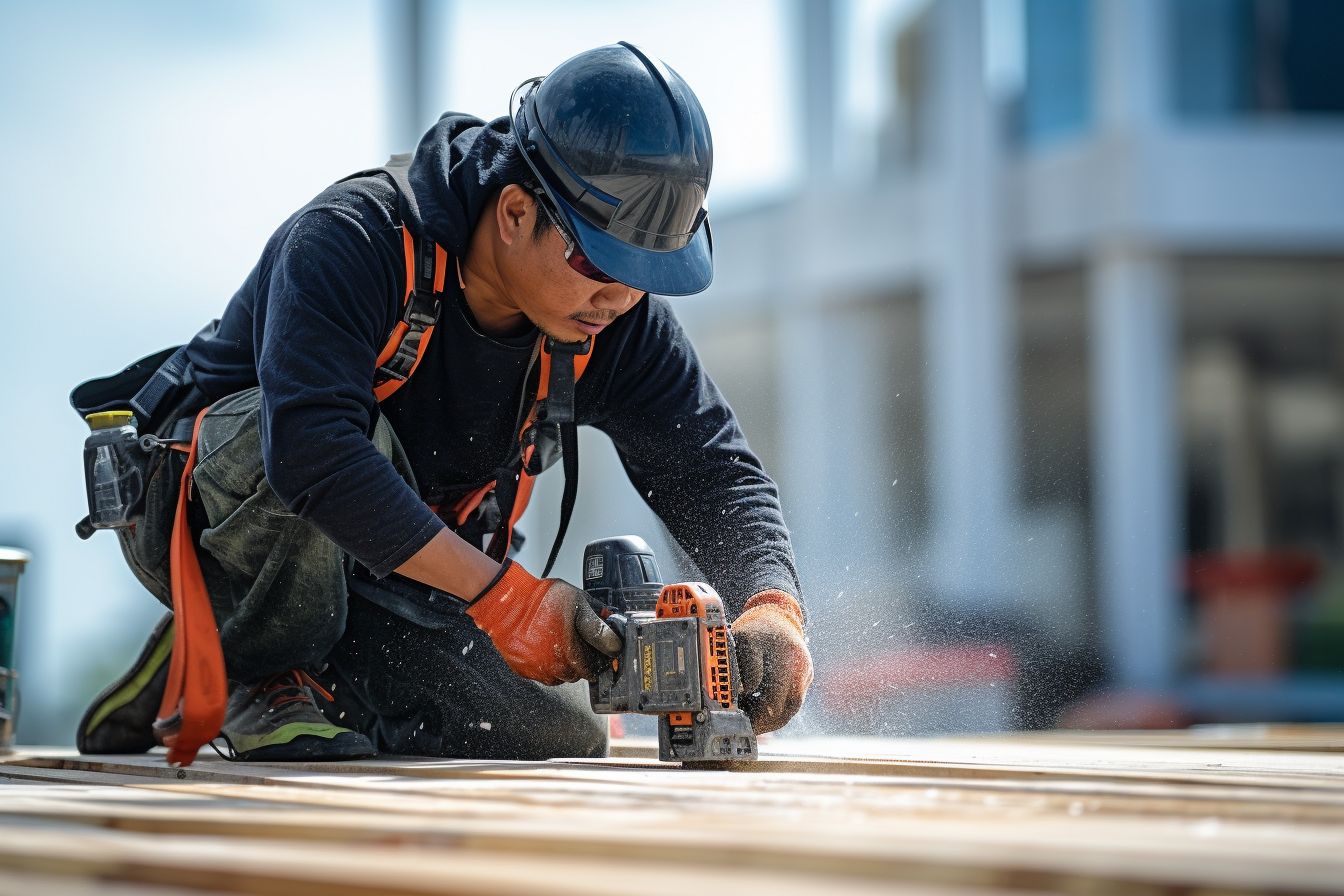
Proper training is essential for installers to ensure they have the knowledge and skills to install waterproof decks safely. Using the correct tools is crucial to prevent accidents and injuries during installation.
Appropriate safety gear, such as gloves and goggles, should always be worn to protect against potential hazards. Fall hazard prevention measures, such as harnesses or guardrails, must be implemented on every job site.
Power tool safety guidelines should be followed to avoid accidents while operating equipment. Safety precautions must also be taken when working with electrical components near water sources.
Also, properly handling hazardous substances is important for installer safety and environmental protection.
Proper training for installers
Proper training stands as a critical component in the installation process. Ensuring that installers have an intricate understanding of this procedure is integral to waterproof decks’ success and safety regulations.
Contractors must master various aspects, from identifying relevant tools and protective gear, using them correctly, preventing accidental falls or injuries, preserving electrical safety standards, and handling potentially harmful substances.
Rigorous lessons build competence for these professionals dealing with roof waterproofing materials. Manufacturers require their contractors to be certified before they can install corresponding roofing systems; it’s an industry-wide standard to enhance integrity within the profession.
Training equips them extensively with deck construction techniques while reinforcing adherence to proper safety precautions amidst operations.
Use of proper tools
Choosing the right tools is a fundamental part of rooftop waterproofing safety. Power tools, as essential elements in installing waterproof decks, should be handled with care to prevent work-related accidents.
Furthermore, specific projects like Tectum roof deck panels call for special equipment for successful installation. It’s paramount to follow the guidelines mentioned in product manuals and keep fire extinguishers or similar safety apparatus at hand during these tasks.
The use of proper tools not only optimizes efficiency but also ensures on-job safety and flawless execution of waterproofing techniques.
Wearing appropriate safety gear
Wearing appropriate safety gear is crucial when it comes to roof waterproofing. This includes using personal protective equipment (PPE) such as helmets, gloves, goggles, and work boots.
These items help protect workers from potential hazards like falling objects or debris. A safety harness should also be worn to prevent falls while working at heights. By following these guidelines and ensuring compliance with OSHA regulations, roofers can maintain a safe working environment and reduce the risk of injuries on the job.
Fall hazard prevention
Proper fall hazard prevention is crucial when installing waterproof decks to ensure the safety of workers. Before starting any work, it is important to assess the deck’s structural integrity and address any potential risks.
This includes checking for weak areas or unstable surfaces that could lead to falls. Additionally, using proper fall protection equipment, such as harnesses and lifelines, can greatly reduce the risk of accidents.
Maintaining a clean and organized work area, free from trip hazards, is also essential. By prioritizing fall hazard prevention measures, we can create a safer environment for everyone involved in the waterproofing process.
Power tool safety
Using power tools while installing a waterproof deck coating requires strict adherence to safety rules. First, it’s important to avoid using power tools in wet or damp environments, as this can increase the risk of electrical shock.
Additionally, ensure that the surface you are working on is dry before operating any power tool. Always use sharp blades with your power tools to prevent accidents and replace them when necessary.
Wearing safety gloves is crucial for maintaining dexterity and protecting your hands from potential injuries. Lastly, be prepared for emergencies by having fire extinguishers readily available when using power tools or other equipment such as roofing kettles or torches.
Electrical safety
Employers must prioritize electrical safety when installing waterproof decks. To prevent electrical hazards, it is crucial to provide proper training for installers and ensure they are familiar with safety regulations.
Additionally, using the right tools and wearing appropriate safety gear can help prevent accidents. When working on roofs, it is also essential to be aware of potential dangers, such as overhead power lines and hazardous locations.
Following these guidelines and taking necessary precautions can minimize the risk of electrical injury during deck installation.
Handling hazardous substances
Proper handling of hazardous substances is crucial when working on waterproof decks. Chemicals used in waterproofing products can produce harmful and flammable vapors, posing serious health risks if not handled correctly.
It is important to follow OSHA safety regulations when dealing with application materials and associated equipment for waterproofing projects. Safe handling of these hazardous materials should be a top priority, ensuring proper safety measures are always followed.
This includes using the appropriate personal protective equipment (PPE), such as gloves and goggles, to minimize exposure to harmful chemicals. Additionally, it is essential to avoid specific chemicals when cleaning waterproof decks to prevent potential hazards.
Guidelines for Proper Waterproofing Design
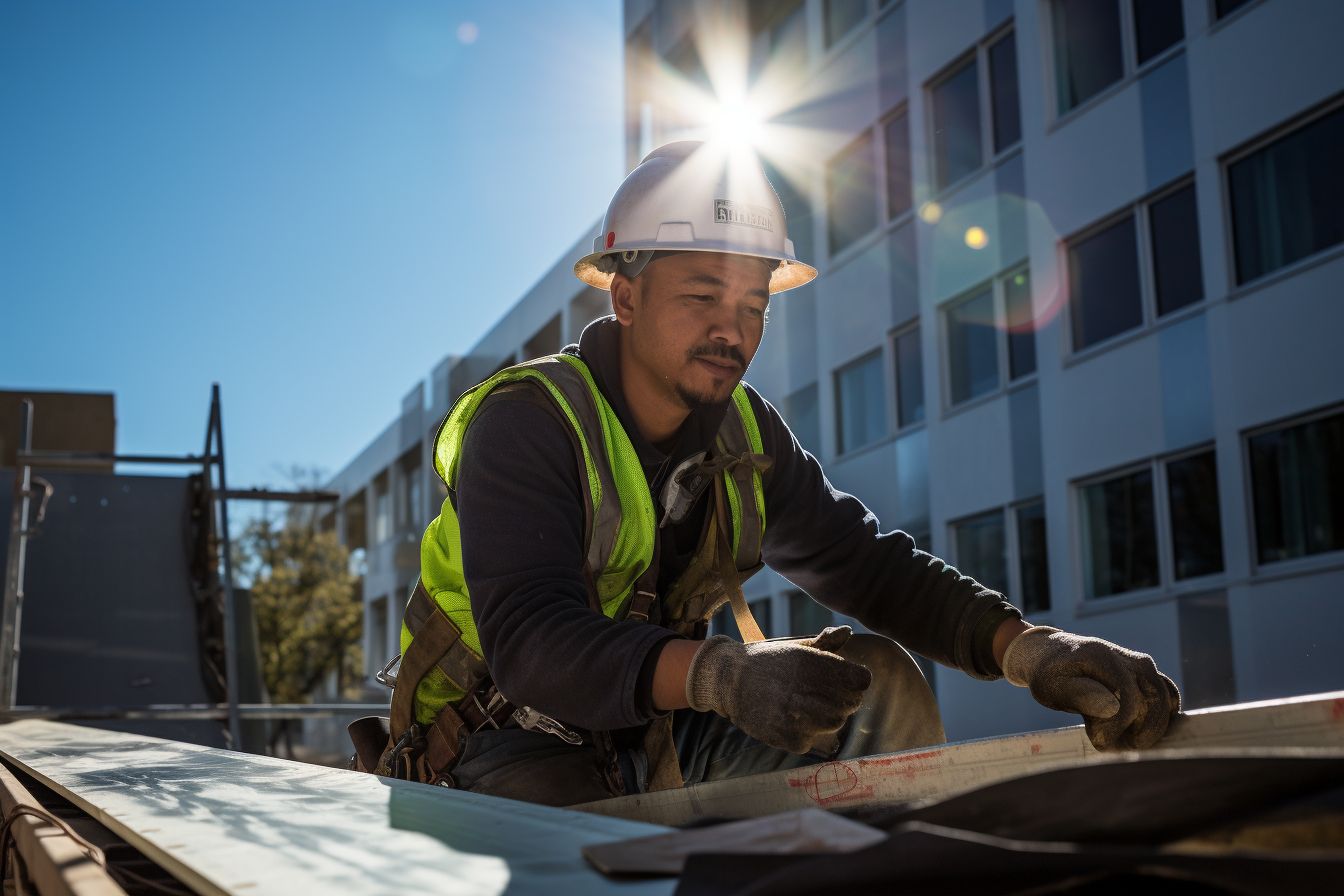
Proper waterproofing design includes extending the waterproofing above grade and using metal flashing or masonry/stucco covering to ensure a watertight seal.
Extending waterproofing above grade
Foundation waterproofing is an essential step in protecting your building from water damage. One important guideline to remember when designing a waterproofing system is to extend the waterproofing above grade.
The waterproofing material should continue at least 8 inches above ground level. Extending the waterproofing above grade creates a barrier that prevents water from seeping into the foundation and causing potential structural issues.
It’s a crucial step in maintaining a dry and secure building.
To ensure proper protection, it’s important to cover the waterproofing materials with metal flashing or masonry/stucco covering. These additional layers provide extra reinforcement and help divert water from the foundation.
Properly designed and implemented above-grade waterproofing can reduce moisture-related problems such as mold growth or basement flooding.
Use of metal flashing or masonry/stucco covering
Metal flashing or masonry/stucco covering is essential to proper roof waterproofing design. These materials cover and protect the waterproofing materials, ensuring their effectiveness and longevity.
The metal flashing, masonry, or stucco should be terminated above grade to provide a barrier against water intrusion. Additionally, chimneys connected to the roof structure require flashing to prevent water from entering and causing damage.
It’s crucial to ensure that the metal counterflashing on brick chimneys is properly installed to avoid any problems with the roof coverings. Using metal flashing or masonry/stucco covering in your waterproofing design can provide added protection and durability for your roof.
Personal Protective Equipment and Safety Signs
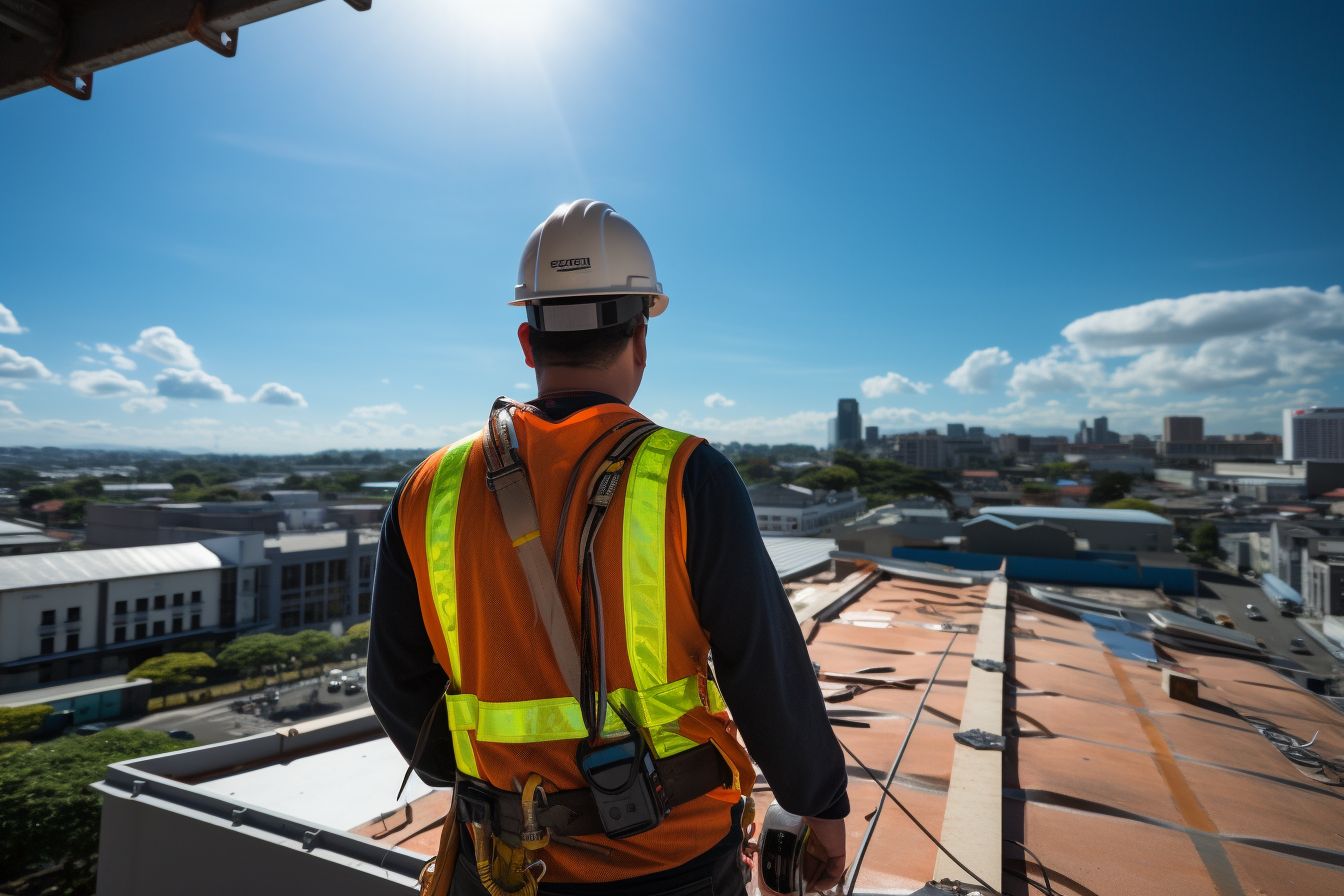
Personal protective equipment (PPE) is crucial when working on roofs, as it helps protect against potential hazards. Safety signs are also essential for communicating important information and instructions to workers.
Importance of PPE on roofs
Proper Personal Protective Equipment (PPE) is paramount when working on roofs for waterproofing projects. PPE includes safety gear for the head, eyes, ears, hands, and feet to protect workers from potential hazards.
Wearing hard hats, hearing protection, respirators, and high-visibility clothing helps ensure the safety of roofers. Using appropriate protective equipment, workers can minimize the risk of injuries caused by falling objects or exposure to hazardous materials.
Prioritizing PPE to create a safe working environment on roofs during waterproofing projects is crucial.
Understanding roof safety signs
Roof safety signs are essential for ensuring workers’ safety on rooftops. Here are some key things to understand about these signs:
- Authorized personnel: Certain roofs can only be accessed by authorized personnel or trained employees with permits. This helps to prevent unauthorized individuals from accessing potentially dangerous areas.
- Hazard level: Warning signs are used to indicate the level of hazard associated with roof access. These signs provide valuable information about potential dangers and help workers make informed decisions about their safety.
- Roof access: Understanding roof access signs is crucial for knowing where it is safe to enter or exit a rooftop. These signs indicate designated entry and exit points, ensuring workers use the proper routes to avoid hazards.
- Wet weather conditions: Work on roofs should be avoided or restricted during wet weather conditions. Slippery surfaces pose a significant risk, and it’s essential to pay attention to signs indicating that work should not be performed in such conditions.
- Windy weather conditions: Similarly, windy weather conditions can pose risks for rooftop workers. Signs warning about windy conditions help ensure that work is postponed until it’s safe to proceed.
- Dark conditions: Working on roofs in dark conditions can be highly hazardous, as visibility is limited. Signs indicating low lighting or poor visibility serve as reminders to postpone work until suitable lighting is available.
Conclusion
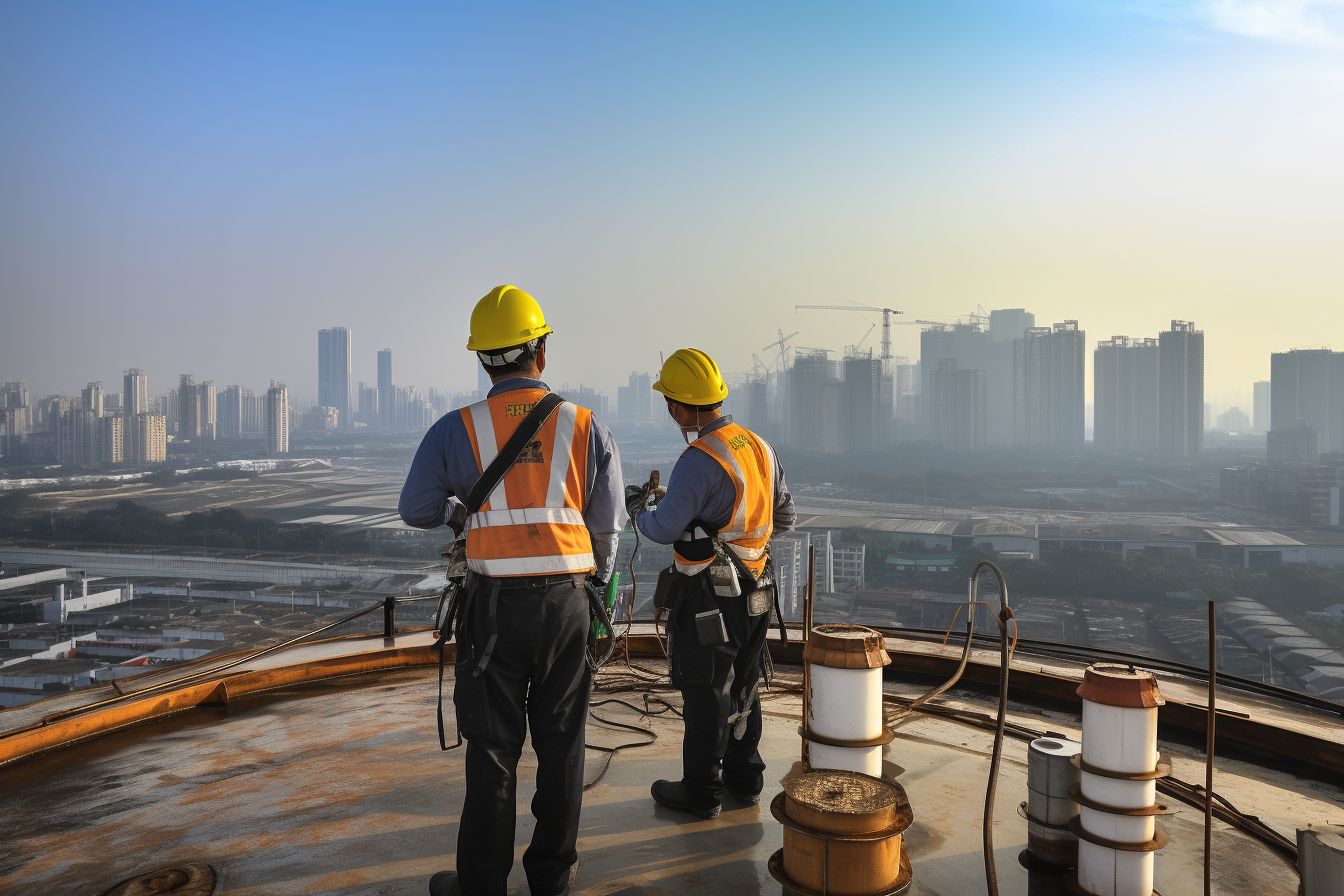
In conclusion, adhering to safety guidelines is crucial regarding roof waterproofing. Proper training, appropriate tools and safety gear, fall hazard prevention, power tools and electrical safety, and careful handling of hazardous substances are all essential for a safe working environment.
Additionally, following proper design guidelines and using metal flashing or masonry/stucco covering can help ensure the effectiveness and durability of the waterproofing system. By prioritizing safety at every process step, you can protect workers’ well-being and prevent potential accidents or injuries.
FAQs
1. Is it safe to perform roof waterproofing on my own?
Performing roof waterproofing can be dangerous and requires special safety precautions, so hiring a professional with experience in this area is best.
2. What are some essential safety guidelines for roof waterproofing?
Some essential safety guidelines for roof waterproofing include wearing proper protective equipment such as gloves and goggles, using stable ladders or scaffolding, and working with a partner for added support and communication.
3. Can I walk on the roof while performing waterproofing?
Walking on the roof during the waterproofing process can be risky as it may cause damage to the surface or increase the chances of accidents. It’s recommended to avoid walking in wet areas and use scaffolding or other platforms instead.
4. Are there any potential hazards involved in roof waterproofing?
Some potential hazards in roof waterproofing include slips and falls from heights, exposure to harmful chemicals found in sealants or coatings, and electrical hazards if working near power lines or equipment.
5. Do I need training or certification to perform roof waterproofing safely?
While there is no specific certification required for performing essential residential roof waterproofing,