

Are you tired of battling roof leaks every time it rains? Data shows that a waterproofed roof can significantly reduce these pesky and costly water intrusions. This blog post will guide you through everything from assessing your current roof condition to maintaining your newly waterproofed shield against the elements.
Ready for dry, worry-free days ahead? Let’s dive in!
Key Takeaways
- Regularly inspect your roof for leaks and water damage to prevent costly repairs.
- Evaluate the materials used in your roof to determine the best waterproofing method.
- Choose from liquid-applied membranes, sheet membranes, cementitious coatings, or bituminous coatings as effective options for roof waterproofing.
- Properly clean and prepare the roof surface before applying any waterproofing solution.
Assessing Roof Condition
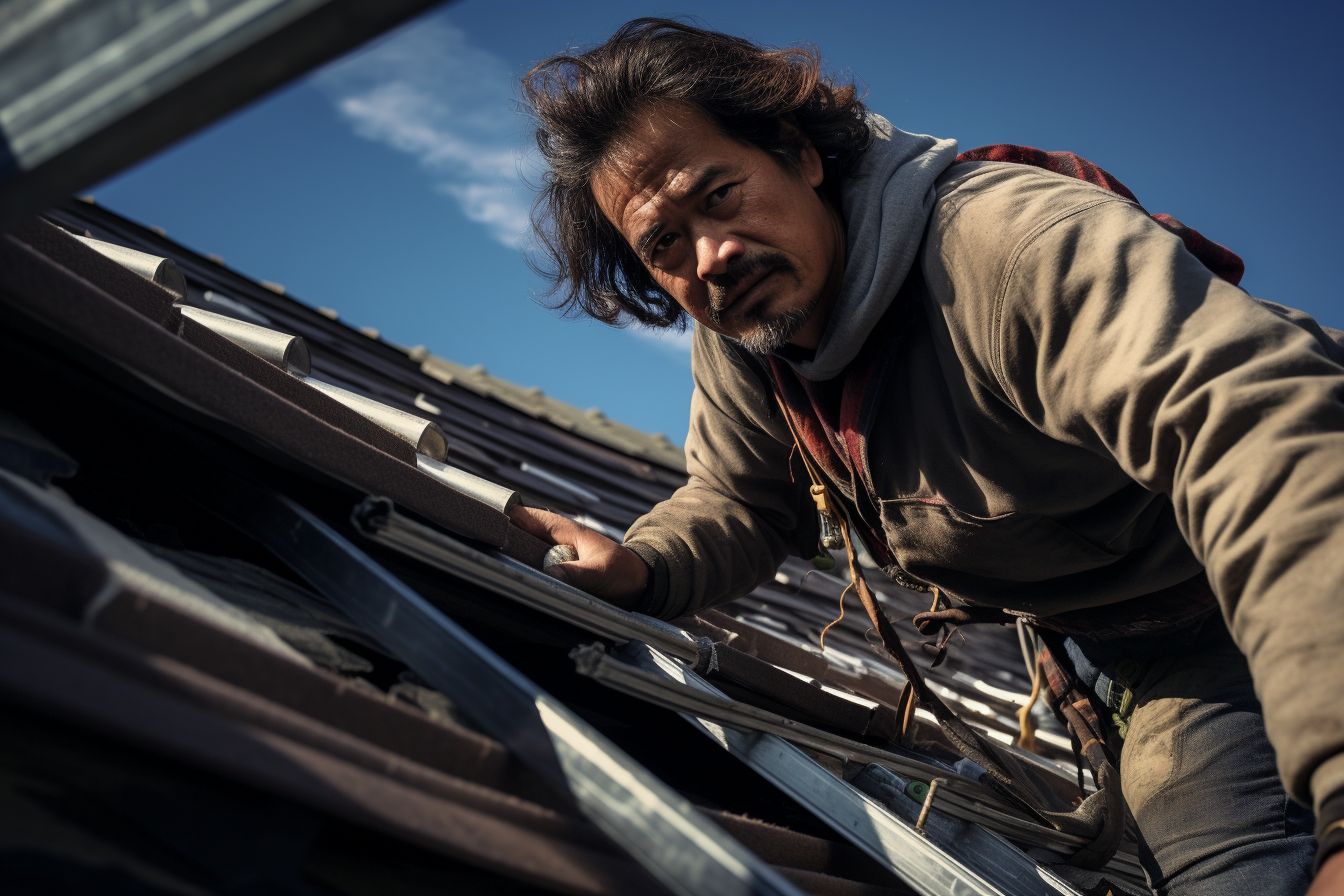
To assess the roof condition, start by inspecting for leaks and checking for any water damage. Evaluate the materials used in your roof to determine the best waterproofing method.
Inspecting for leaks
Leaks pose a significant risk to the structural integrity of your roof, leading to extensive damage if left unresolved. Utilize a systematic approach during the inspection, focusing on areas most prone to leakage, such as chimneys, vent pipes, or any place where roof planes intersect.
Regular inspections are crucial in identifying leaks early and preventing further damage. Engaging the services of a professional is advised for comprehensive leak detection and proper assessment of the issue at hand.
Following severe weather conditions often exacerbates existing vulnerabilities in roofs, so inspecting for leaks is an immediate priority.
Checking for water damage
Spotting signs of water damage on your roof early can save you costly repairs. Look for cracked shingles or granules accumulating in the gutters; both are indications that water has been compromising your roofing materials.
Severe weather, such as wind or heavy rain, can exaggerate these issues, making them easier to identify.
Staining from rust, moss, or prolonged water contact is another significant sign indicating potential problems. This suggests possible surface-level damage and hints at underlying issues like weakened structural integrity and mould growth, which could result in sick building syndrome.
Regularly inspecting your roof can help detect these problems before they escalate further, and maintaining a waterproofed roof prolongs its lifespan while ensuring safety against possible hazards.
Evaluating roof materials
Different roof materials present unique challenges and solutions in terms of waterproofing. Asphalt shingles, for example, are the most common type found on residential homes due to their affordable cost and easy installation process.
However, they can be prone to cracking over time, allowing water to seep through. Metal roofs, while typically more durable and longer-lasting than asphalt shingles, may suffer from rust or corrosion that weakens their defence against precipitation.
Clay tiles prove excellent at repelling water but break easily under impacts, such as hailstorms or falling debris, which could lead to leaks if not promptly addressed. It’s crucial to thoroughly evaluate the current status of your chosen roofing material before starting any waterproofing project.
This way, you can ensure a practical application of the appropriate method, whether liquid-applied membranes or bituminous coatings. Not only will this extend your roof’s lifespan, but it will also save you some unexpected repair costs down the line.
Choosing the Right Waterproofing Method
When it comes to choosing the right waterproofing method for your roof, there are several options available. Liquid-applied membranes, sheet membranes, cementitious coatings, and bituminous coatings are all effective choices that provide different benefits.
Liquid applied membranes
Liquid-applied membranes are a popular choice for roof waterproofing due to their versatility and durability. Three main types of liquid-applied membranes are water or acrylic-based, polyurethane, and bituminous.
Each type has its applications and advantages. These fluid-based coatings are fully bonded to the surface, creating a seamless barrier against water penetration. They can be easily installed by spraying or rolling onto the roof surface.
One key advantage is that the thickness of the membrane can be tested to ensure its integrity. Liquid-applied membranes have been used for centuries and continue to evolve as an effective method of structural waterproofing.
Sheet membranes
Sheet membranes are a popular choice for roof waterproofing. These membranes serve as a protective layer that prevents water from penetrating the roof surface. They are commonly used on flat roofs and come in various types and features.
Base sheets, which act as foundations for the membrane, play an essential role in ensuring its effectiveness and durability. Sheet membranes are also widely used for other applications such as terraces, decks, pedestrian paths, basements, and swimming pools.
With their versatility and reliability, sheet membranes are efficient for maintaining a watertight roof structure.
Cementitious coatings
Cementitious coatings are an effective choice for waterproofing concrete and masonry surfaces. They provide both positive- and negative-side waterproofing, making them suitable for various applications.
These coatings are cost-effective, durable, and easy to apply. They can be mixed easily and applied to indoor wet areas like toilets. However, it’s important to note that cementitious coatings may not be suitable for all situations and certain applications.
Nevertheless, they are commonly used in construction for basement and roof applications due to their effectiveness in preventing water damage.
Bituminous coatings
Bituminous coatings are highly effective at waterproofing and protecting various surfaces, especially metal, from corrosion. These coatings are commonly used on concrete foundations because of their exceptional waterproofing and protective properties.
They can also be applied to other materials like steel to provide a durable barrier against water damage and corrosion. Bitumen-polymer membranes and liquid membranes containing bituminous compounds are often used for waterproofing roofs, terraces, walls, sanitary rooms, and parking lots.
It’s important to apply bituminous coatings during dry weather conditions to ensure proper adhesion and curing.
Preparing the Roof Surface
To prepare the roof surface, thoroughly clean it and address any damage before ensuring proper drainage.
Cleaning the roof
Cleaning the roof is a crucial step in roof waterproofing that is often overlooked. Over time, algae, mould, mildew, and dirt can accumulate on the roof surface, leading to water damage and leaks if not addressed.
Regular cleaning and maintenance are essential to prevent moisture from pooling on the roof and causing further issues. Before applying any waterproofing membrane, it’s important to thoroughly clean and dry the roof surface to ensure proper adhesion of the waterproofing solution.
Additionally, conducting proper drainage path testing is crucial in identifying any leak locations in lower areas of the roof or walls so they can be addressed promptly. By keeping your roof clean and free of debris, you can maintain its integrity and prolong its lifespan.
Cleaning the roof is an often neglected aspect of property maintenance that should not be underestimated when preventing water damage and leaks. Accumulated algae, mould, mildew, and dirt on the roof surface can lead to long-term problems if left unaddressed.
Repairing any damage
Repairing any damage to your roof is essential for preventing further issues and prolonging the lifespan of your roof. Whether fixing leaks, addressing water damage, or repairing worn-out coatings, taking care of these repairs can save you from costly repairs.
Metal roofs may experience leaks due to ageing, weathering, or improper installation, so it’s crucial to identify and fix any issues promptly. Additionally, integrity testing is important for identifying leaks in roofing and waterproofing membranes.
Fiberglass flat roofs can also be repaired depending on their condition. Remember that the cost of roof repairs will vary based on the extent of the damage, but investing in maintenance now can prevent bigger problems later on.
Ensuring proper drainage
Proper drainage is a crucial aspect of roof waterproofing. When rainwater collects on the roof, it can lead to damage and leaks. To prevent this, it is important to design the roof to allow rainwater to drain away quickly.
By following drainage and ponding codes, you can ensure that water flows off the roof properly. Additionally, correctly installed gutters play a significant role in ensuring proper drainage by collecting water and directing it away from the roof.
With sufficient drainage in place, you can extend the lifespan of your roof and keep it in good condition for years to come.
Applying Waterproofing Solutions
To apply liquid-applied membranes, clean the roof surface thoroughly and ensure it is dry. Then, use a roller or spray equipment to coat the membrane onto the roof evenly.
Follow the manufacturer’s instructions for drying time and the coats needed.
Steps for applying liquid membranes
Applying liquid membranes to your roof is a crucial step in the waterproofing process. To ensure success, it’s important to follow these five steps carefully. First, clean and prepare the roof surface by removing debris or loose materials.
Then, a primer creates a strong bond between the membrane and the roof. Next, mix and apply the liquid membrane using a trowel or roller, spreading it evenly across the entire surface.
Once applied, allow sufficient drying time before applying additional coats as needed. Finally, inspect and test the membrane for potential leaks or defects before proceeding with further construction.
When applying liquid membranes, proper execution is key for optimal results. By following these steps diligently and paying attention to detail throughout each application stage, you can ensure that your roof remains protected from water damage for years.
Remember that liquid-applied membranes are considered official roof coverings and must undergo testing and approval processes to meet industry standards.
Installation process for sheet membranes
Sheet membranes are a popular choice for waterproofing roofs due to their durability and ease of installation. The installation process for sheet membranes typically involves the following steps: First, the roof surface is cleaned, and any existing damage is repaired.
Then, an adhesive or primer is applied to ensure proper membrane bonding to the roof. Next, the sheet membranes are carefully rolled onto the roof surface and trimmed to fit as necessary.
They are then adhered in place using either heat or pressure-sensitive adhesives. Finally, all seams and edges of the sheet membranes are properly sealed to create a watertight barrier.
Applying cementitious or bituminous coatings
Cementitious coatings and bituminous coatings are two effective methods for waterproofing roofs. Cementitious coatings use cement-based materials to create a strong, durable barrier against moisture and water damage.
They are cost-effective and provide long-lasting protection for various surfaces. On the other hand, bituminous coatings are particularly useful for protecting metal substrates from corrosion.
These coatings contain bitumen, a sticky black substance with excellent waterproofing properties. Whether you choose cementitious or bituminous coatings, both can help keep your roof safe from leaks and water damage.
Inspecting and Maintaining the Waterproofed Roof
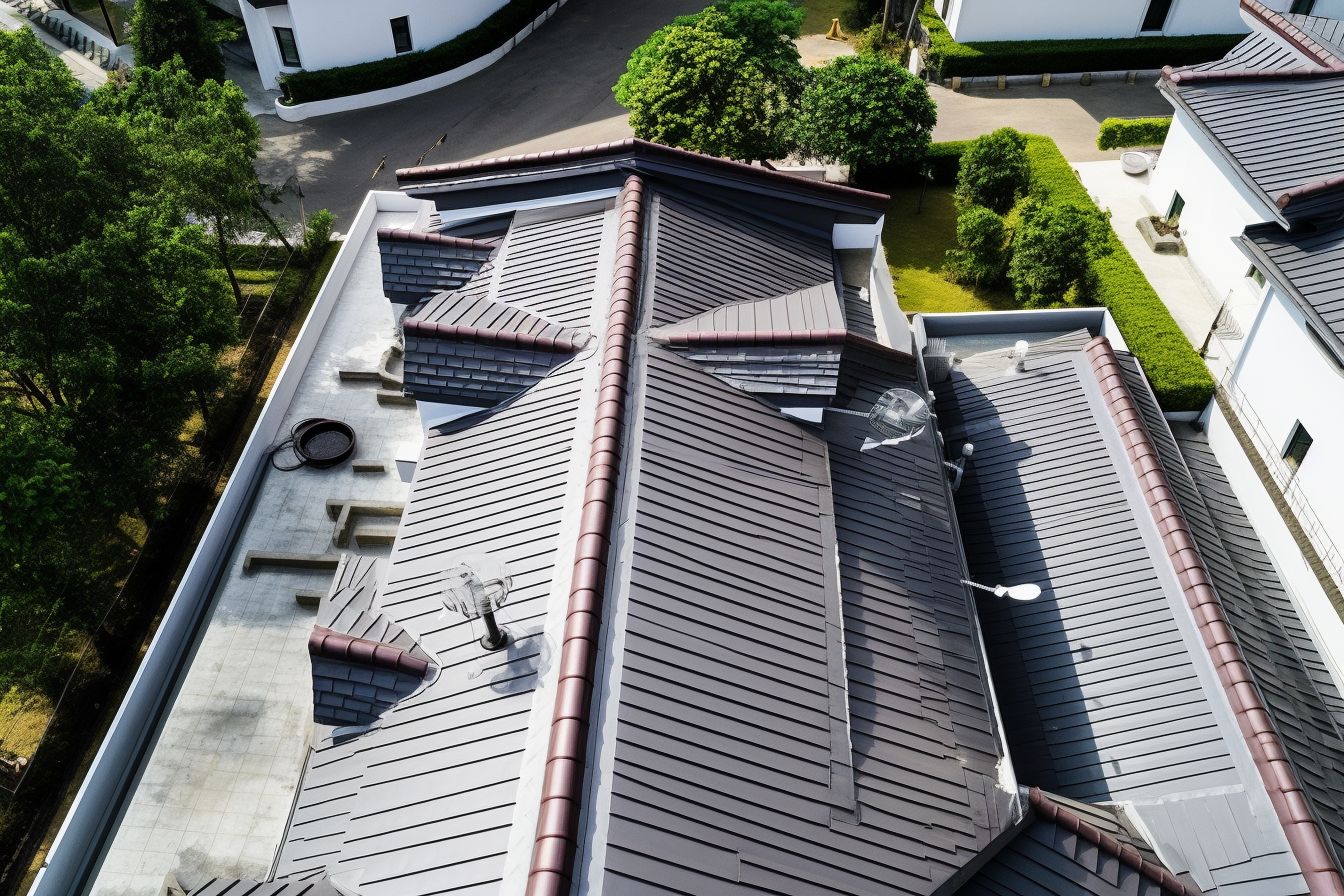
Regular inspections and maintenance are crucial to ensuring the longevity of your waterproofed roof. Don’t skimp on this important step – learn to keep your roof in top shape!
Regular inspections
Regular inspections are crucial for maintaining the integrity of your roof and preventing costly repairs. Regular inspections allow you to identify any potential issues with your roof, including leaks or damage to the waterproofing system.
Inspecting your roof at least twice a year, as well as after extreme weather events is recommended. These inspections allow you to detect problems early on and address them promptly before they worsen.
By staying proactive with regular inspections and maintenance, you can prolong the lifespan and effectiveness of your waterproofing system while avoiding major headaches down the line.
Cleaning and maintenance
Regular cleaning and maintenance are essential to ensure the longevity and effectiveness of a waterproofed roof. It is important to regularly remove debris, such as leaves, twigs, and dirt, from the roof’s surface.
This helps prevent clogging of drains or gutters, which can lead to water pooling on the roof and potentially causing damage. Clearing any vegetation growing on the roof will help prevent moisture retention and potential leaks.
By addressing these issues promptly, you can avoid costly repairs down the line. Regular inspections should also be conducted to identify any signs of damage or deterioration early on to address them promptly before they escalate into bigger problems.
Addressing any issues promptly
Promptly addressing any issues with your waterproofed roof is crucial in maintaining its integrity and preventing further damage. Taking immediate action can prevent minor damages from escalating into major problems.
Regular inspections play a vital role in identifying any issues early on, allowing you to address them promptly. Additionally, visually inspecting the structure’s interior related to the roof or waterproofing systems is equally important as it helps identify potential leaks or water damage.
Remember, by addressing issues promptly, you can ensure that your waterproofing meets building code requirements and extends the lifespan of your roof.
Reapplying waterproofing as needed
Regularly reapplying waterproofing is crucial for maintaining the integrity of a waterproofed roof. This process involves thoroughly cleaning the roof surface before applying a new layer of waterproofing material.
Manufacturers often require inspections during the application to ensure proper coverage and adhesion. It’s recommended to consider reapplying waterproofing if your roof is over 10 years old, as prolonged exposure to moisture can damage and compromise its effectiveness.
By staying proactive and addressing any issues promptly, you can extend the lifespan of your waterproofed roof and protect against potential leaks or water damage.
Conclusion
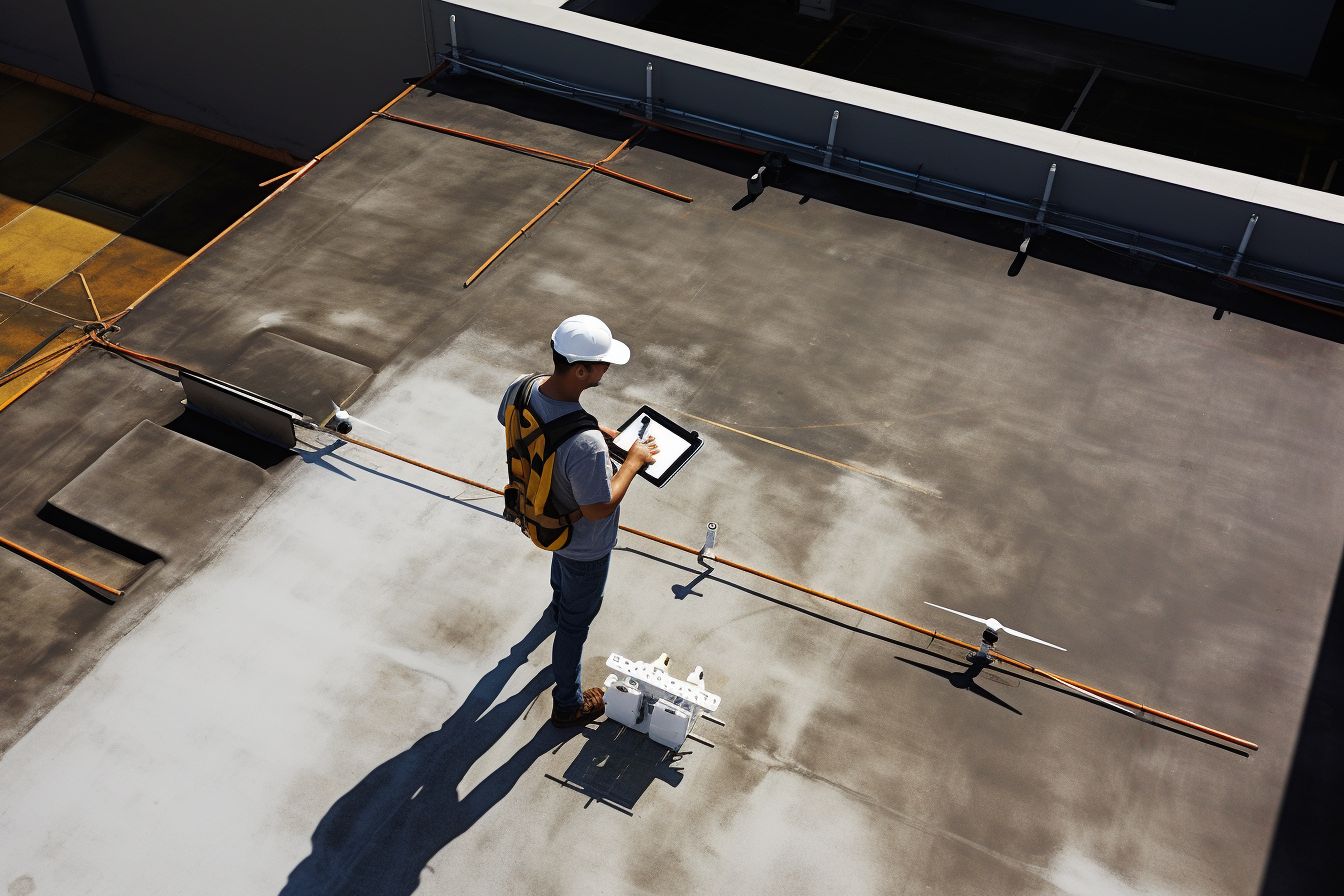
In conclusion, roof waterproofing is crucial in protecting your building from water damage. By periodically inspecting your roof for leaks or water damage and choosing the right waterproofing method, you can maintain the integrity of your roof and prevent costly repairs.
Regular inspections and maintenance will ensure that your waterproofed roof continues to provide long-lasting protection against moisture. Don’t wait until it’s too late – start taking steps today to keep your roof safe and secure.
FAQs
1. What materials are used for roof waterproofing?
Waterproofing materials used in a roof include a variety of substances, such as bituminous, liquid, and cementitious products.
2. How much does it cost to waterproof a roof?
The cost of roof waterproofing varies depending on factors like the size of your home and whether you opt for DIY Roof Waterproofing or hire a professional contractor.
3. Do commercial properties need different types of waterproofing than residential roofs?
Yes! Commercial vs. Residential Waterproofing can be quite different due to the scale, with some buildings requiring specific water-resistant solutions designed for larger surfaces or heavier usage.
4. How do I maintain my waterproofed roof?
Regular maintenance includes checking weather impact, ensuring safety measures are met while performing inspections, and promptly fixing any identified issues that will extend your waterproofing lifespan significantly.