
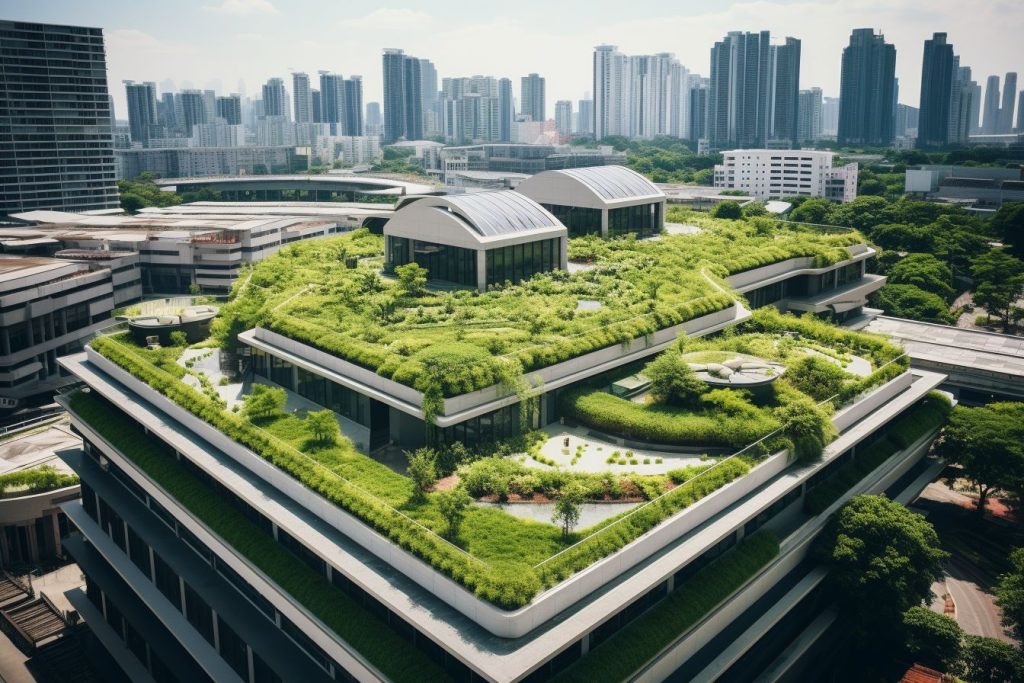
Are you feeling the heat of high energy bills in your commercial building? Studies suggest that an energy-efficient roofing system can significantly reduce these costs. This article will guide you through various choices of environmentally friendly roofing materials and demonstrate how they contribute to energy conservation.
Would you be ready for a cooler, cost-effective solution for your business? Read on!
Key Takeaways
- Single-ply membrane roofing, such as TPO and EPDM, is a lightweight, cost-effective option that offers exceptional durability and helps lower operational costs.
- Built-up roofing (BUR) is a UV-resistant material with multiple layers that provide superior water resistance, energy efficiency due to its reflective nature, and minimal maintenance requirements.
- Modified bitumen roofing is known for its low maintenance and reliability, offering temperature stability for commercial buildings while reducing energy consumption.
- Standing-seam metal roofing with reflective coatings reflects sunlight away from the building, reduces heat absorption, and has long-lasting durability with minimal maintenance requirements.
Understanding Different Types of Commercial Roofing Materials
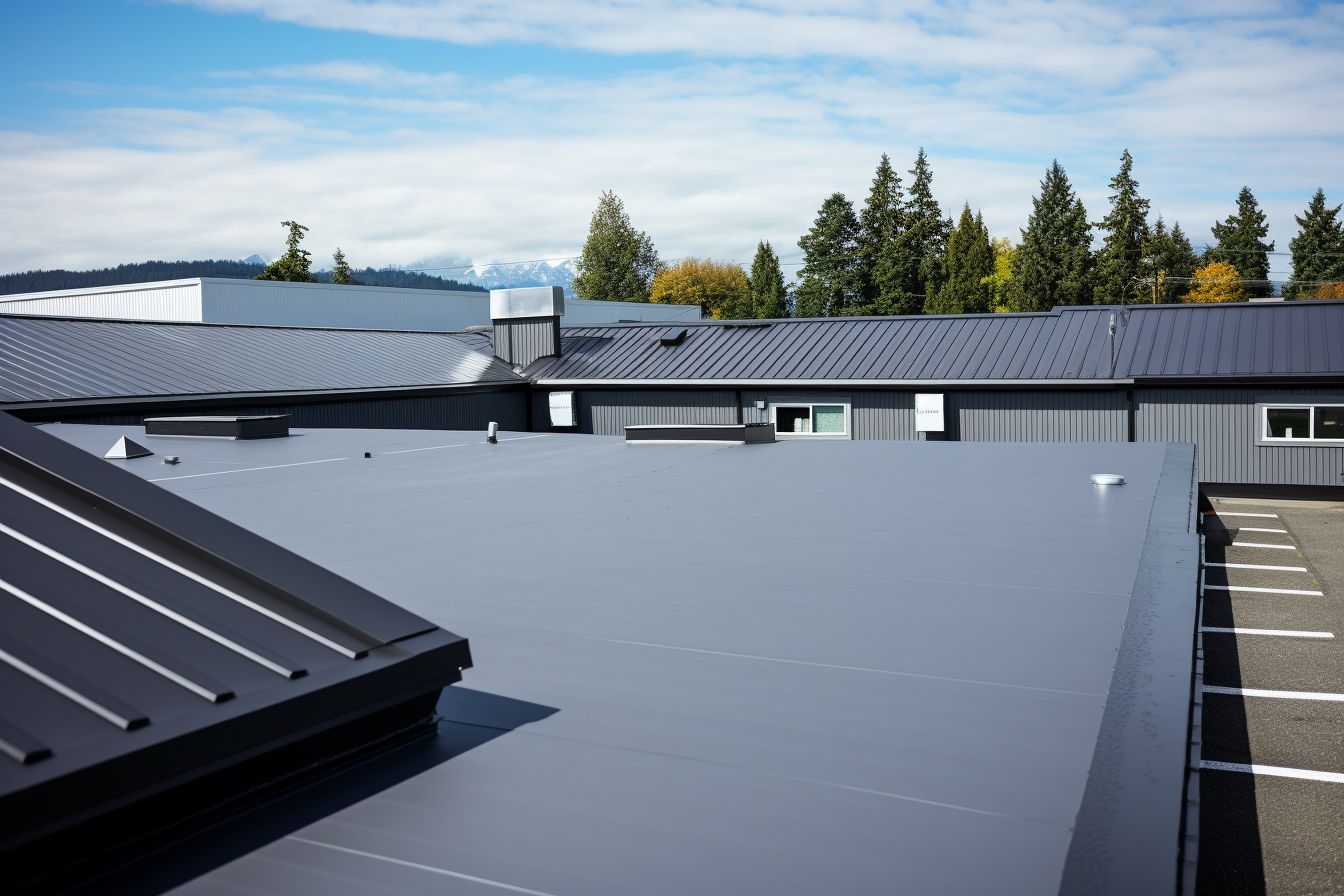
Commercial roofs must withstand extreme weather conditions and protect the valuable assets below. This makes choosing the suitable roofing material crucial for business success.
There are several commercial roofing systems, each with unique properties that can meet different needs.
Single-ply membrane roofing is one popular choice due to its durability and the variety of colour options available. Companies appreciate this roof type’s flexibility as it adjusts well to fluctuating temperatures without cracking or breaking down prematurely.
Other materials, such as modified bitumen, incorporate layers of asphalt and rubber modifiers, enhancing waterproofing capabilities and making this a good option for flat roofs.
Built-up roofing (BUR) employs multiple layers to resist water damage and UV rays effectively while providing insulation beneficial in energy efficiency. A significant advantage here is its low maintenance requirement over an extended lifespan.
Another strong contender in commercial roof types is metal roofing, known for its long lifespan, surpassing most other materials given appropriate maintenance schedules — often lasting up to 40 years! It stands out with its high resistance against wind, hail damage, and fire hazards – ensuring your enterprise remains safe even amidst harsh climatic anomalies or unforeseen disasters.
Lastly, EPDM (Ethylene Propylene Diene Monomer) showcases exceptional durability against elements like moisture infiltration while giving owners more control over their building’s temperature parameters – contributing actively towards reducing cooling costs during summer months.
Most Energy-Efficient Commercial Roofing Options
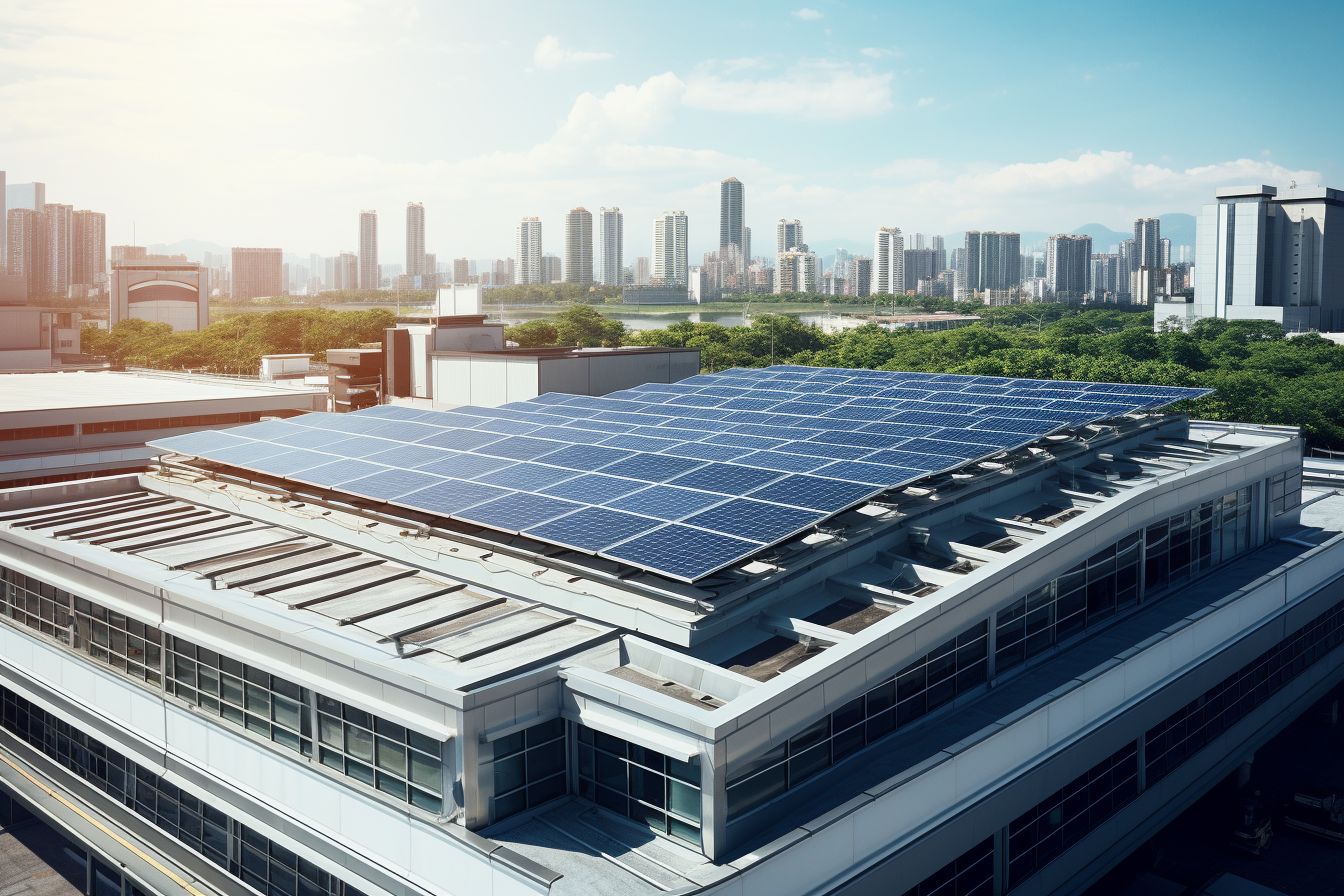
The most energy-efficient commercial roofing options include single-ply membrane roofing, built-up roofing, modified bitumen roofing, and standing-seam metal roofing.
Single-Ply Membrane Roofing
Single-ply membrane roofing tops the list of most energy-efficient commercial roofing materials. This lightweight, cost-effective solution finds prominence in modern construction due to its easy installation and high performance.
These single-ply membranes offer exceptional durability, comprising primarily two types – TPO (Thermoplastic Olefin) and EPDM (Ethylene Propylene Diene Monomer).
A TPO membrane reduces the roof’s temperature significantly by embracing cool roof technology. The Single-Ply Membrane Roofing not only helps maintain a comfortable indoor temperature but also contributes to lowering operational costs.
Another added benefit is that it enhances the facility’s value, offering an excellent return on investment for business owners looking for long-term benefits from their commercial roofing solutions.
Built-Up Roofing
Built-up roofing (BUR) is a remarkable choice among energy-efficient commercial roofing options, particularly for low-slope roofs. This UV-resistant material offers an impressive lifespan and excellent durability that withstands harsh weather conditions.
BUR involves multiple layers of fabric and bitumen to form a sealed barrier, providing superior water resistance while reducing cooling costs due to its reflective nature. Moreover, BUR’s robust structure demands minimal maintenance efforts throughout its life cycle, making it cost-effective and practical for businesses.
Notably, despite their hard-wearing characteristics, these long-lasting roofs exhibit environmentally friendly features that contribute significantly towards the construction industry’s sustainability goals.
Modified Bitumen Roofing
Modified bitumen roofing is one of the most energy-efficient commercial roofing options available. It offers the same level of protection as traditional low-slope commercial systems but with less labour and time required for installation.
Modified bitumen roofing is known for its low maintenance and reliability compared to other flat roofing options like TPO and PVC. Thanks to its ability to expand and contract, it can withstand changing weather conditions without losing integrity.
Modified bitumen roofing includes insulation, modified base sheets, and a modified bitumen membrane to provide temperature stability for commercial buildings. So, if you’re looking for a reliable and energy-efficient commercial roofing option, consider modifying bitumen roofing.
Standing-Seam Metal Roofing
Standing-seam metal roofing is regarded as one of the most energy-efficient options for commercial buildings. These roofs are often constructed using an excellent metal roofing coil containing reflective pigments and emissive metal properties.
Applying reflective coatings on standing-seam metal roofs helps to reflect the sun’s rays and reduce heat absorption, resulting in significant energy savings. In addition to their energy efficiency, these roofs are known for their long-lasting durability and minimal maintenance requirements, making them an attractive choice for commercial buildings.
Adding Reflective Coatings for Energy Efficiency
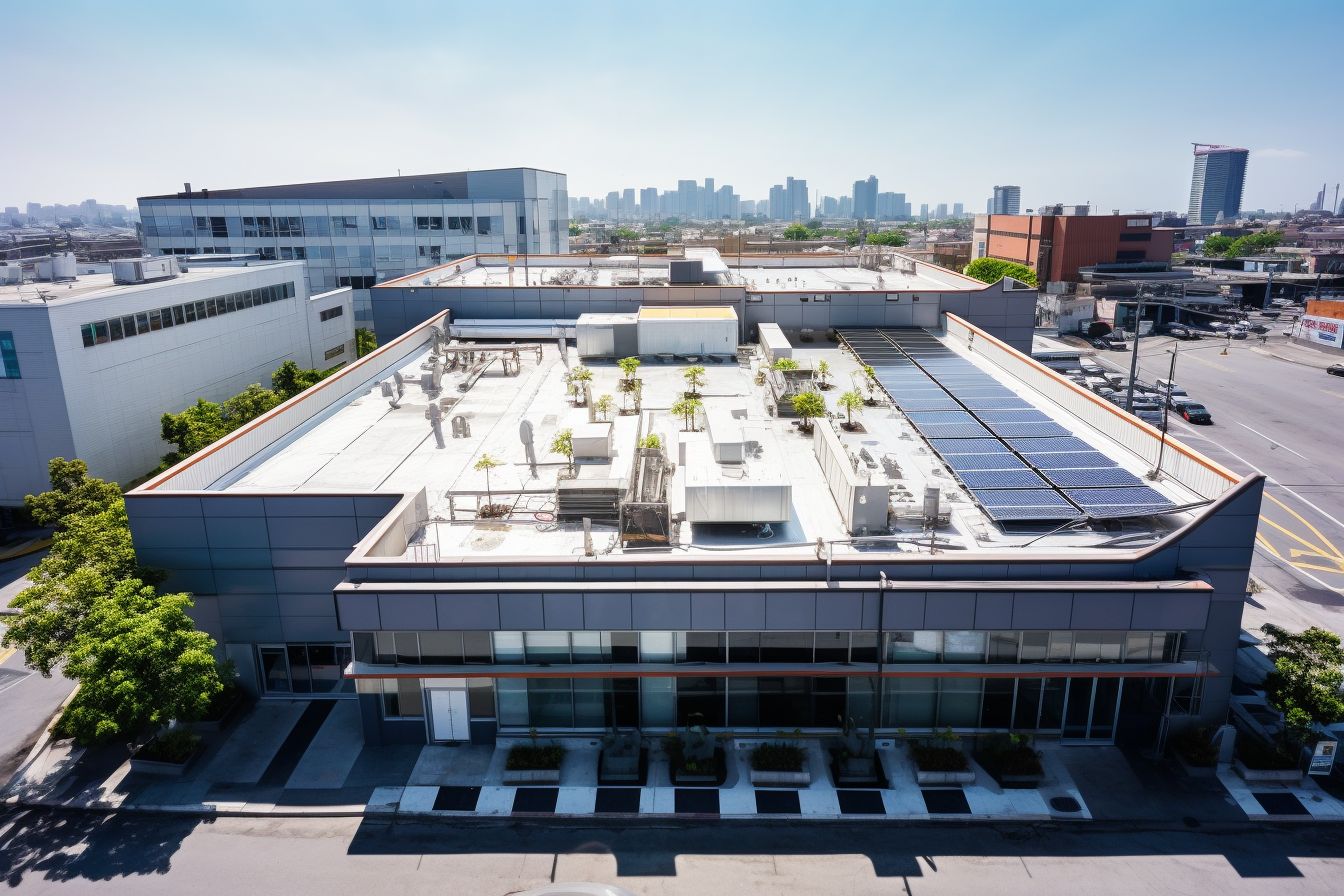
Reflective coatings can be added to commercial roofs to improve energy efficiency. These coatings help reduce solar energy absorption and lower the building’s temperature. Here are some benefits of adding reflective coatings:
- Roof restoration: Coatings restore the existing roofing, extending its lifespan.
- Thermal insulation: Reflective coatings enhance insulation, reducing heat transfer and improving energy efficiency.
- Emissivity improvement: Coatings improve a roof’s ability to radiate heat, resulting in lower cooling costs.
- Sunlight reflection: The reflective nature of the coating helps reflect sunlight away from the building, reducing heat buildup.
- Heat island mitigation: Adding reflective coatings contributes to mitigating the urban heat island effect by keeping buildings cooler.
- Climate control: Reflective coatings help maintain a more comfortable interior climate, reducing reliance on HVAC systems.
- Building efficiency: By reducing energy consumption, adding reflective coatings improves overall building efficiency.
Qualifying for Tax Incentives for Energy-Efficient Commercial Roofing
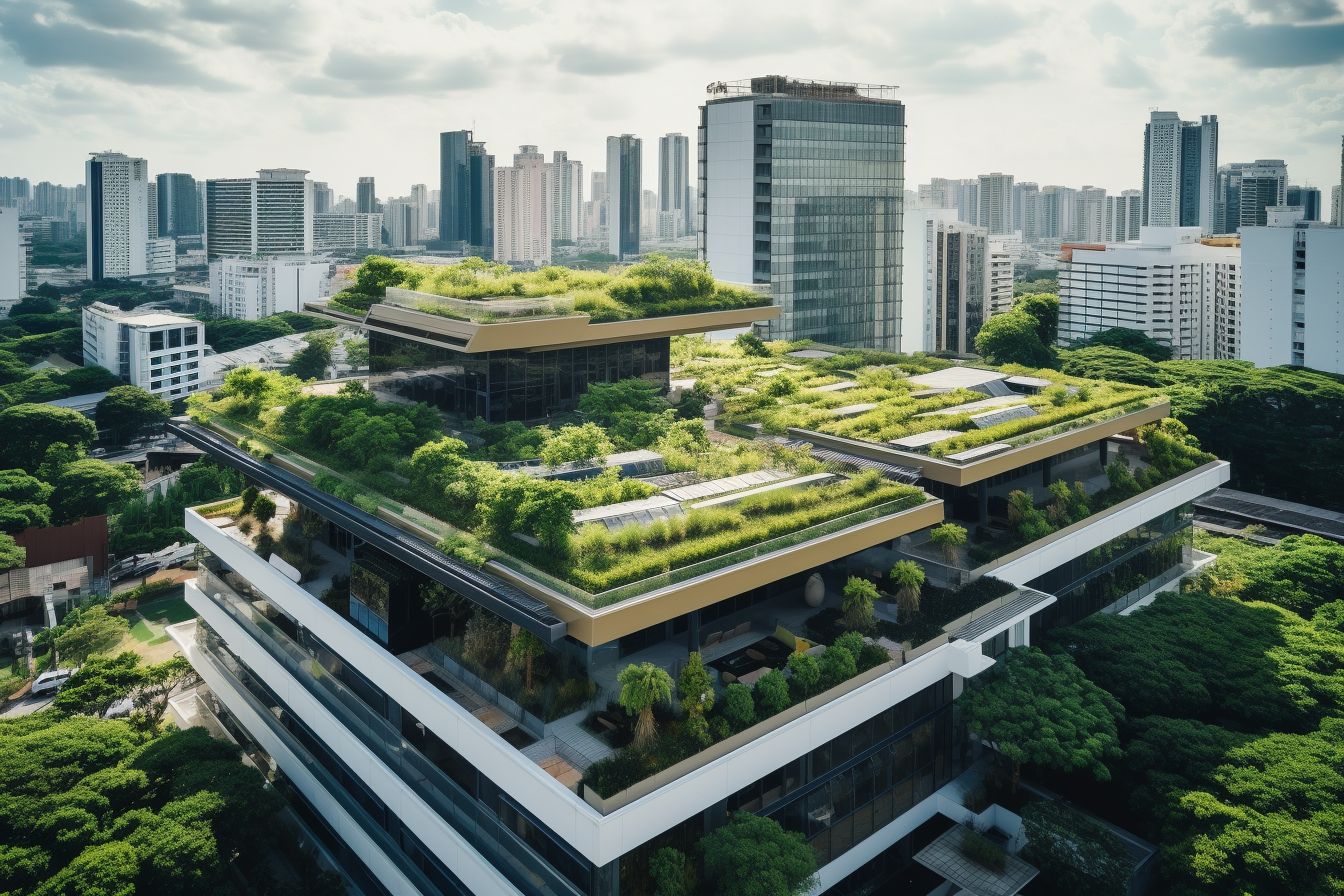
Owners or designers of commercial buildings can benefit from tax incentives by choosing energy-efficient roofing options. If a building or system demonstrates a 50% reduction in energy usage, it may qualify for a tax deduction of up to $1.80 per square foot.
It’s important to note that traditional roofing materials and structural components only sometimes qualify for the residential energy efficient property tax credit. However, asphalt and metal roofs certified by ENERGY STAR are eligible for a roofing tax credit.
Asphalt and metal roof shingles containing coatings or cooling granules can qualify for a tax credit. By selecting these energy-efficient commercial roofing options, businesses can reduce their environmental impact and enjoy financial benefits by qualifying for tax incentives.
Overall, investing in energy-efficient commercial roofing is both environmentally responsible and financially beneficial due to potential tax incentives available to owners or designers who meet the necessary criteria.
By utilising materials such as ENERGY STAR-certified roofs or roof shingles with specialised coatings, businesses can contribute to reducing their overall energy usage while potentially saving money on taxes at the same time.
These opportunities allow companies to prioritise sustainability while enhancing their bottom line.
Conclusion
Regarding energy-efficient commercial roofing options, there are several choices to consider. Single-ply membrane roofing, built-up roofing, modified bitumen roofing, and standing-seam metal roofing are all great options that can help reduce heating and cooling costs.
Adding reflective coatings to these roofs can further increase their energy efficiency. And let’s remember the potential tax incentives available for installing energy-efficient roofs.
With the right choice of materials and installation, commercial buildings can benefit from lower energy costs and a more comfortable working environment.
FAQs
1. What are some energy-efficient commercial roofing options?
Energy-efficient commercial roofing options include cool roofs, green roofs, and roof coatings that reflect sunlight and reduce heat absorption.
2. How can an energy-efficient commercial roof save me money?
An energy-efficient commercial roof can save you money by reducing cooling costs, improving insulation, and potentially qualifying for tax incentives or rebates.
3. Are there any environmental benefits to using energy-efficient commercial roofing?
Using energy-efficient commercial roofing can help reduce greenhouse gas emissions, decrease the urban heat island effect, and improve air quality in surrounding areas.
4. Can I retrofit my existing commercial roof to make it more energy-efficient?
It is possible to retrofit an existing commercial roof with energy-efficient features such as cool roof coatings or additional insulation, depending on its condition.
5. How do I choose the right energy-efficient commercial roofing option for my building?
To choose the right option for your building, consider factors like climate zone, budget constraints, and maintenance requirements, and consult a professional contractor specialising in energy-efficient roofing solutions.