
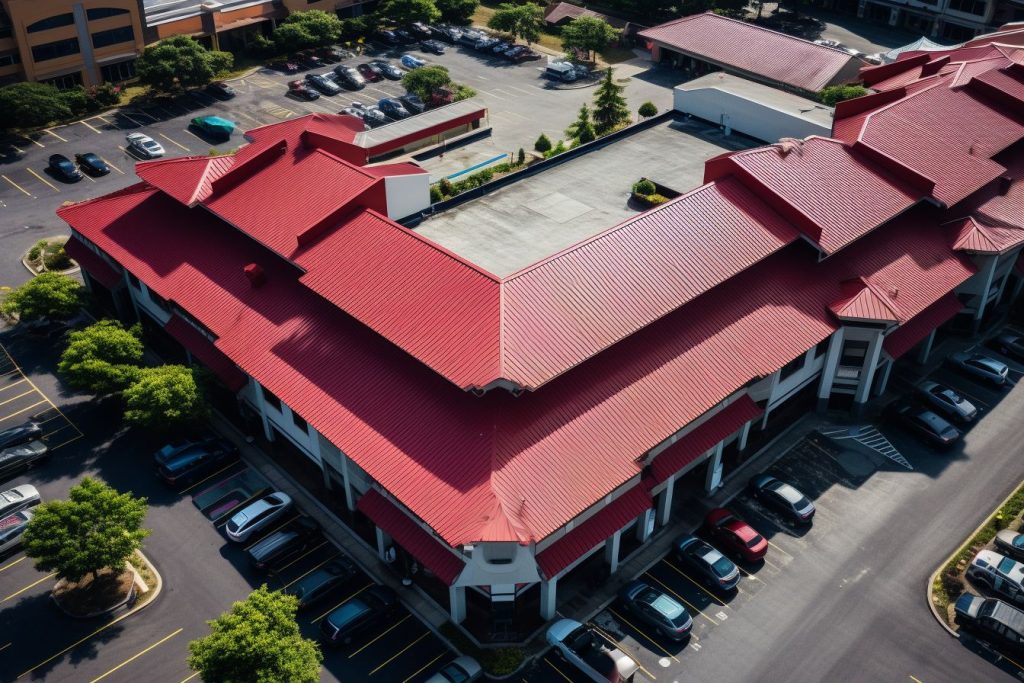
Choosing the right roof for your commercial building can seem daunting. With numerous factors, from location to material choices, making the right decision is crucial.
This blog post will guide you through each critical step, ensuring you make an informed choice for your business needs. Let’s find out how to select the best roof and save money in the long run!
Key Takeaways
- Evaluate your existing roof’s condition and physical makeup to determine the type of roofing material that will work best for your commercial building. Consider factors such as resilience, durability, cost, and environmental impact.
- Take into account the location, surroundings, and climate of your building when selecting a commercial roof. Different areas have different weather conditions and considerations, so choose materials that can withstand these conditions.
- The type of business housed within your commercial building will influence the choice of roofing system. Consider specific needs such as insulation requirements, aesthetic preferences, and maintenance demands tied to diverse business operations.
- Choose a commercial roof with minimal environmental impact by opting for sustainable options that utilize recycled materials or can be recycled themselves. Metal roofs are an excellent choice due to their durability and environmentally-friendly qualities.
Factors to Consider When Choosing a Commercial Roof
Consider the existing roof and its physical makeup, location, surroundings, climate, type of business housed within, environmental impact, budget, and plans for the building.
Existing roof and physical makeup
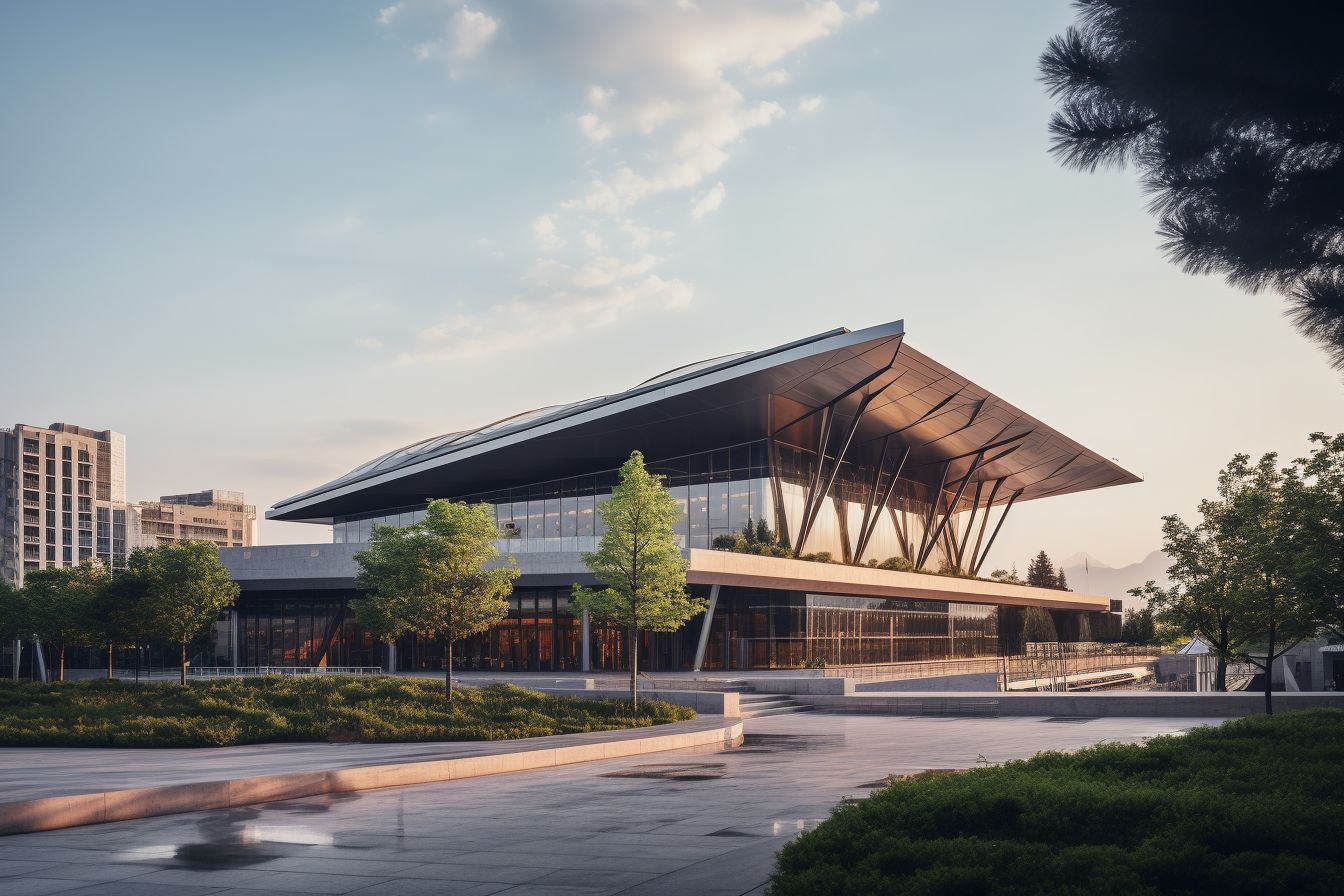
Evaluating the existing roof’s condition is a critical first step in choosing a commercial roof. The physical makeup of your building plays an integral role in determining the type of roofing material that will work best.
For instance, heavier materials may not be suitable for lighter structures. Roof resilience and durability also come into play; you must choose materials that can withstand harsh weather conditions and require little maintenance.
Cost considerations should factor into this decision along with environmental impact—some materials last longer and have less impact on our planet than others. It’s essential to balance functionality, cost-effectiveness, and sustainability when deciding on commercial roofing options.
Location, surroundings, and climate
The building location significantly impacts commercial roof selection. Factors like being near large bodies of water or in a storm-prone area can affect the type of roofing materials suitable for your project.
Buildings in bustling urban areas might need more robust, sound-dampening roofs to prevent noise pollution. The surrounding environment also plays a considerable role in selecting the right roof.
For instance, buildings surrounded by tall trees require stronger roofs due to increased risks from falling branches or leaves clogging up drainages. Also, it’s crucial not to overlook the climatic conditions while choosing a commercial roof since weather incidents such as heavy rain, wind, and snowfall demand different material strengths and insulation levels for optimum performance throughout diverse weather conditions.
Type of business housed within
The type of business housed within a commercial building significantly influences the choice of roofing system. A warehouse, for instance, might prioritize durability and insulation over aesthetics in its selection procedure.
Conversely, an apartment building catering to multiple tenants may require more emphasis on visual appeal and functionality. It’s essential to match the roof selection with specific business requirements that dictate its role beyond providing shelter.
This could include unique insulation needs, aesthetic preferences, or varying maintenance demands tied to diverse business operations. The chosen roof must also promise longevity, as frequent repairs or replacements could disrupt regular operations and prove costly in the long run.
Environmental impact
Choosing a commercial roof with minimal environmental impact is crucial in today’s eco-conscious world. By opting for sustainable roofing options that utilize recycled materials and can be recycled themselves, businesses can reduce their carbon footprint and contribute to a greener future.
Metal roofs, for example, are an excellent choice due to their durability, UV resistance, and water and ice protection. These qualities ensure long-lasting performance and minimize waste generation through the years.
Considering the environmental sustainability of roofing systems should be a top priority when selecting the right commercial roof for your business.
Budget
Budget is a crucial factor to consider when choosing a commercial roof. The roofing material’s cost, including the initial installation and ongoing maintenance expenses, should be considered.
The size and complexity of the roof, as well as any tear-off requirements for existing layers, can impact the overall cost. It’s also important to consider building code requirements when determining whether a particular roofing system fits within your budget constraints.
So, it’s essential to carefully evaluate your budget before deciding which commercial roof option is right for your business.
Plans for the building
Consider the long-term vision for your building when choosing a commercial roof. Your plans, such as expansion, renovation, or growth, should be considered. Investing in a new roof requires carefully considering how it aligns with your building’s strategic plans and sustainability goals.
By selecting a roofing system that supports your future goals, you can ensure that your investment will continue to meet the needs of your business over time.
Understanding Different Types of Commercial Roofing Materials
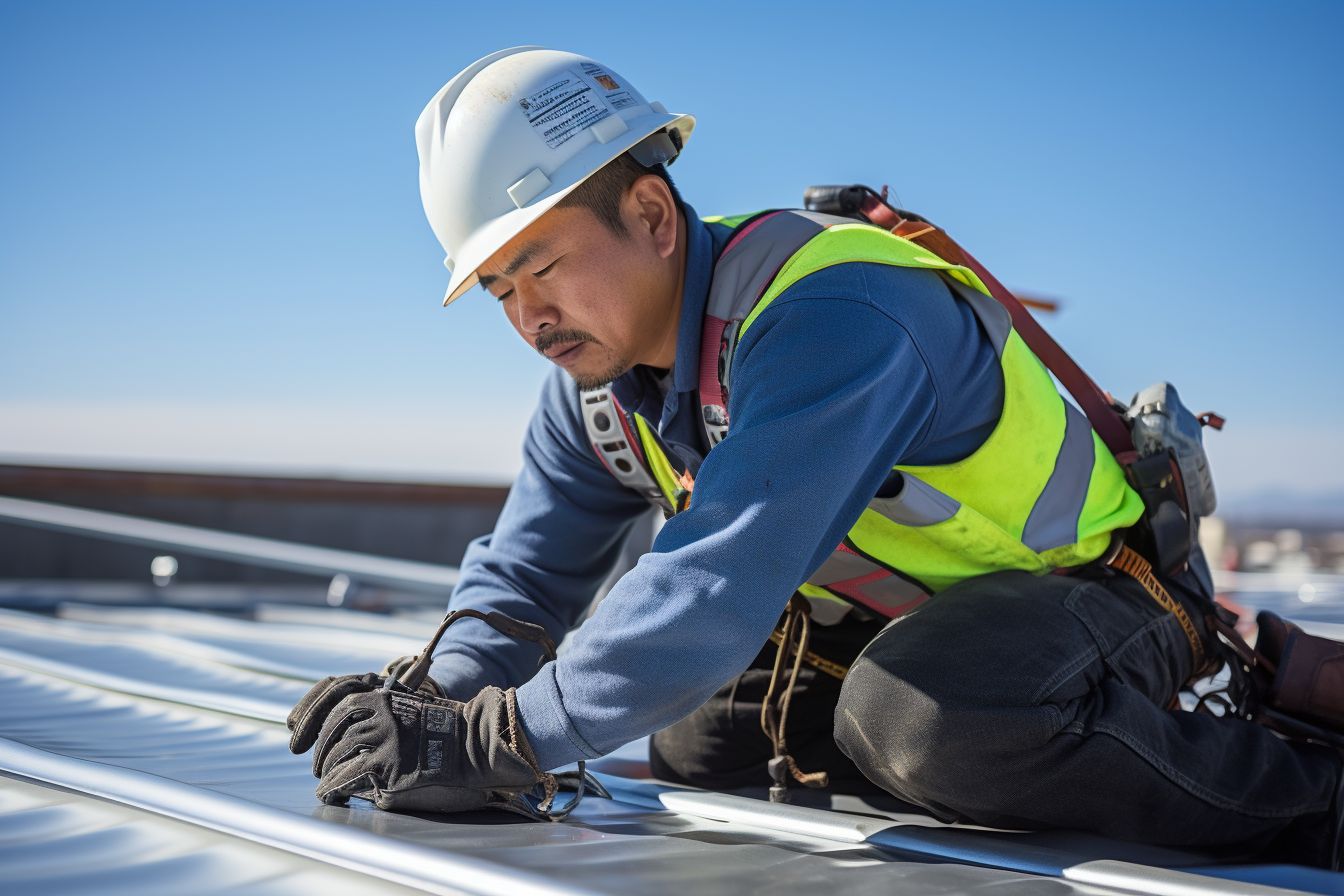
Choosing a suitable commercial roof material is crucial for its performance and longevity. Here are some important facts about different types of commercial roofing materials:
- Metal roofing: Known for its durability, metal roofs can withstand fire, pests, and extreme weather conditions.
- Built-up roofing membrane: This type of roof has a long lifespan and provides excellent protection against water.
- Green roofs offer energy efficiency and environmental sustainability by incorporating vegetation.
- Spray-on roofing: A seamless layer of foam or rubber is sprayed onto the roof to provide insulation and waterproofing.
- Thermoset EPDM membrane: EPDM roofs are popular due to their durability, UV rays, and chemical resistance.
Questions to Ask Potential Roofing Contractors
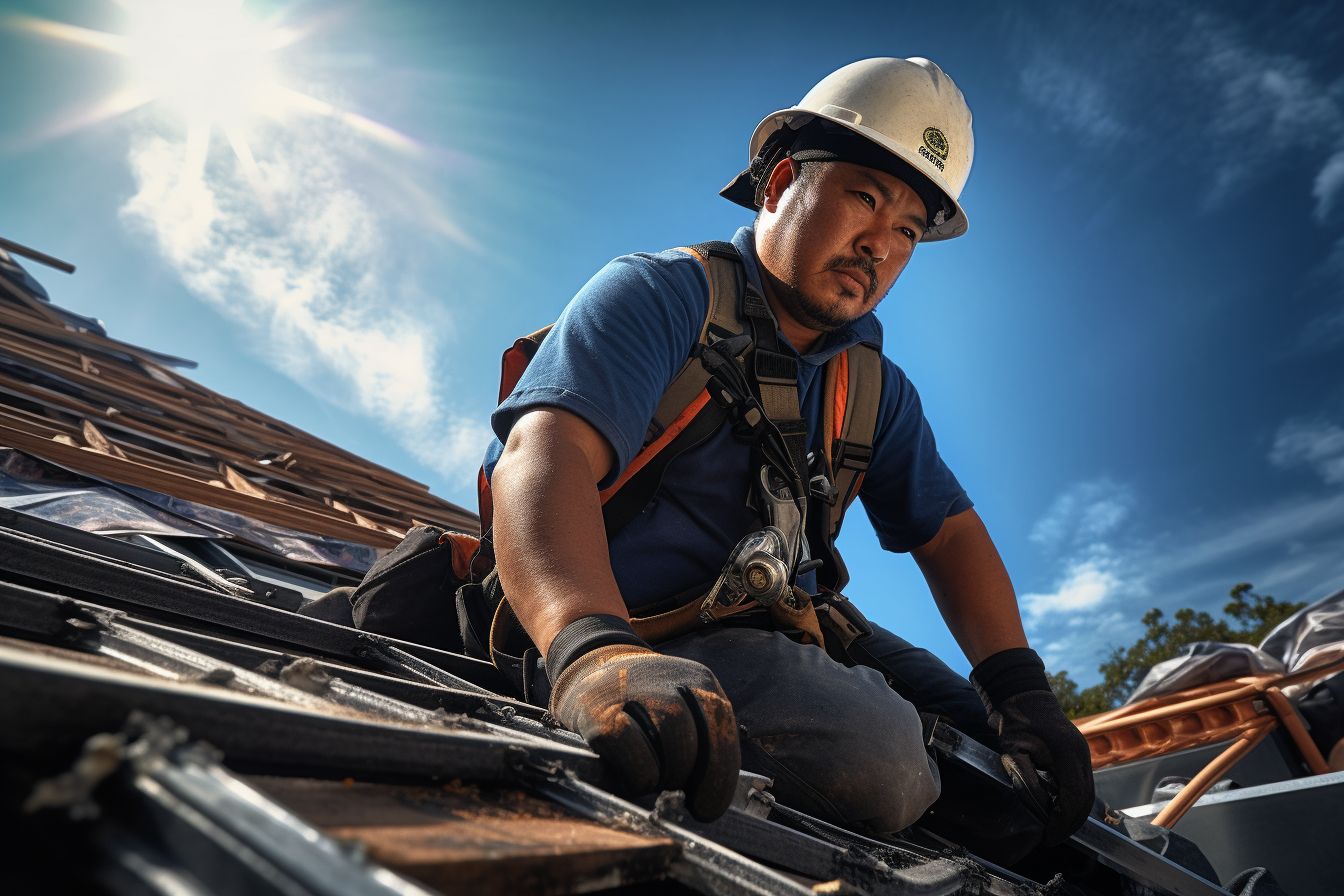
Ask potential roofing contractors about their licensing, insurance, experience, product warranty, use of subcontractors, old roof removal and cleanup policy, and how they will protect your property during construction.
Licensing and insurance
Ensuring the roofing contractor you hire has the necessary licensing and insurance is crucial. Valid permits and certifications demonstrate their professionalism and expertise in the field.
You should also request proof of insurance coverage to protect yourself from liability in case of accidents or damage during the roofing project. By hiring licensed and insured roofing contractors, you can have confidence in their capability to complete the job safely and effectively.
Local presence and experience
Choosing a commercial roofing contractor with local presence and experience is crucial for a successful project. A contractor familiar with the area will know local building codes and regulations, ensuring compliance.
Additionally, their previous project experience indicates that they have worked on similar projects in the community and understand different roofing systems. It’s important to ask potential contractors about their licensing and insurance coverage to ensure they meet requirements before deciding.
Thorough research should be done to find a contractor whose local presence and experience align with the specific project requirements.
Proximity to the area, familiarity with local regulations, and knowledge of local building codes – are some benefits of choosing a commercial roofing contractor with local presence and experience.
By hiring someone who has worked on similar projects in your community, you can be confident that they understand the unique challenges that may arise during construction. Their expertise in different roofing systems ensures you’ll receive professional advice tailored to your needs.
Warranty on products
Product warranty is a crucial aspect to consider when choosing a commercial roofing contractor. This warranty covers the materials used in your roof and ensures that you are protected against any defects or issues with those materials.
It’s important to ask potential contractors about the specifics of their warranty, such as its duration and what it covers. When comparing warranties from different contractors, consider factors like prorated terms and lifetime coverage for the craft.
Understanding these nuances will help determine which contractor offers the best warranty plan for your needs.
Use of subcontractors
One crucial question to ask potential roofing contractors is whether they use subcontractors. It’s crucial to know if the contractor will be performing all the work themselves or if they will be outsourcing some of it to other companies or individuals.
This information is essential for understanding who will be on-site during the project and ensuring that any subcontractors are qualified, insured, and experienced in commercial roofing.
By asking about the use of subcontractors, you can make an informed decision about which contractor is best suited to meet your needs and expectations for your commercial roof.
Need for total replacement or repairs.
The need for total replacement or repairs is crucial when selecting the appropriate commercial roof. Over time, commercial roofs can deteriorate due to factors such as weather conditions and wear and tear.
Therefore, assessing whether a complete replacement or targeted repairs is necessary. By asking potential roofing contractors about their expertise in identifying the extent of damage and recommending suitable solutions, businesses can ensure that they make informed decisions regarding their commercial roofs.
Additionally, understanding the importance of complete replacement or repairs helps avoid future problems and enhances the roof’s longevity.
Old roof removal and cleanup policy
When hiring a roofing contractor for your commercial roof replacement, you must inquire about their old roof removal and cleanup policy. You should ask if they provide dumpster rental to dispose of old roofing materials.
Proper cleanup after roof replacement is crucial to maintaining a clean and safe worksite. Additionally, you can refer to resources such as “The Building Owner’s Guide to Roof Replacement & Maintenance” eBook or an essential checklist for hiring a roofer to help you find a reliable contractor with a reputable old roof removal and cleanup policy.
Considering these factors, you can ensure that replacing your commercial roof is smooth and efficient without any lingering debris or mess.
Protection of property during construction
Hiring a licensed and insured commercial roofing contractor is crucial for protecting your property during construction. By asking for proof of insurance from potential roofing contractors, you can ensure that any damage or accidents that occur during the construction process are covered.
Additionally, discussing with the contractor whether your roof should be repaired or replaced can prevent potential damage from occurring while work is being done. A professional roofer can identify and address any risks or weaknesses in your roof beforehand to avoid further issues.
It’s essential to have transparent project costs, so ask for written estimates to understand the total cost and protect your property during construction.
Tips for Choosing the Right Commercial Roofing System
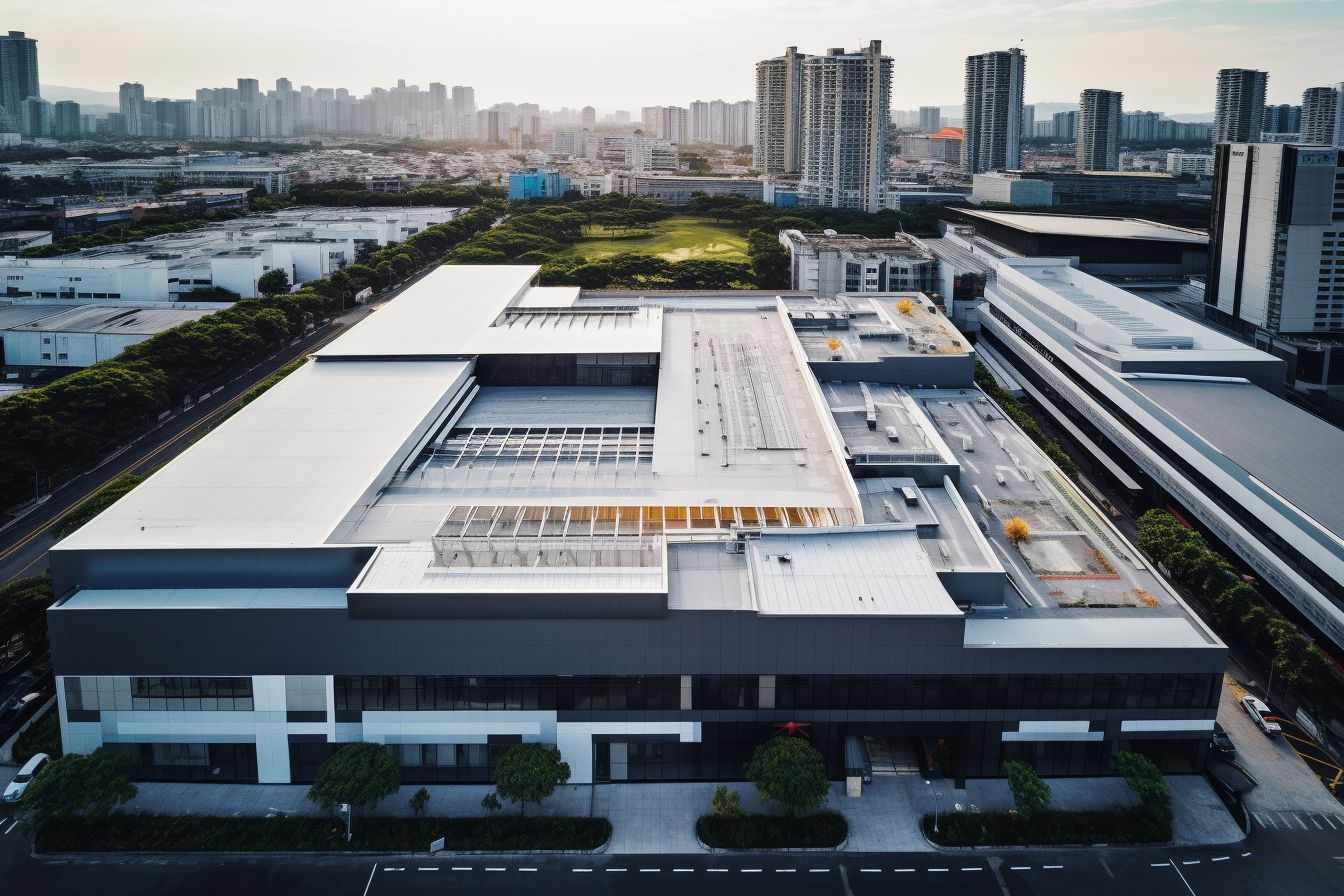
Consider the climate, assess existing structures and protrusions, evaluate cost and functionality, adhere to building codes, and plan for roof repair and maintenance.
Consider the climate
The climate is a crucial factor to consider when choosing a commercial roofing system. Different weather conditions require different types of roofs to ensure durability and performance.
The roofing materials’ thermal performance should also be considered, as it can impact energy savings and the overall comfort inside the building. Adequate roof insulation and ventilation are vital in maintaining a suitable indoor environment based on regional climate considerations.
Additionally, selecting the right color for a commercial metal roof is essential for balancing aesthetics with energy efficiency and regional climate factors, such as solar reflectance and heat absorption.
Assess existing structures and protrusions.
Assessing existing structures and protrusions is crucial when choosing the right commercial roofing system. It involves evaluating the compatibility of the roofing system with any pre-existing structures, such as HVAC or fire mitigation systems.
Accessibility requirements should also be considered to ensure that maintenance and repairs can be easily carried out when needed. Additionally, it’s essential to consider any protrusions on the roof, such as vents or chimneys, as they may require special attention during installation or modification of the roofing system.
By thoroughly analyzing these factors, you can ensure that your commercial roof will provide adequate protection and seamlessly integrate with your existing infrastructure.
Incorporating an assessment of existing structures and protrusions into your decision-making process allows you to identify any potential challenges or limitations during roof installation or maintenance.
Evaluate cost and functionality.
Consider the cost and functionality of different commercial roofing systems before deciding. Cost includes the initial installation expenses and long-term maintenance costs, repairs, and warranty provisions.
Functionality refers to how well the roof meets your needs, such as weather resistance, energy efficiency, and compatibility with existing structures. Analyzing both cost and functionality will help you choose a commercial roof that is affordable and performs effectively for your business in the long run.
Adhere to building codes.
To ensure the safety and compliance of your commercial roofing system, it is crucial to adhere to building codes. Building regulations and construction codes dictate specific requirements for roof installation, materials, inspections, and maintenance.
When selecting a commercial roof, consider local building codes and accessibility requirements to avoid potential legal issues or penalties. Compliance with building codes is essential when choosing a metal roofing system for commercial purposes, as these systems must meet specific standards for energy efficiency and waterproofing.
By adhering to building codes, you can ensure that your chosen commercial roofing system meets all necessary safety standards and will provide long-lasting protection for your business.
Plan for roof repair and maintenance.
To ensure the longevity and durability of your commercial roof, it is essential to have a solid plan for regular repair and maintenance. Proactively addressing any issues can prevent costly repairs and avoid premature roof failure.
Regular inspections should be conducted to identify potential problems early on, such as leaks or loose shingles. Additionally, scheduling routine maintenance tasks like gutter cleaning and removing debris will help keep your roof in optimal condition.
Having a clear plan in place allows you to promptly address any necessary repairs and extend your commercial roof’s lifespan.
Conclusion
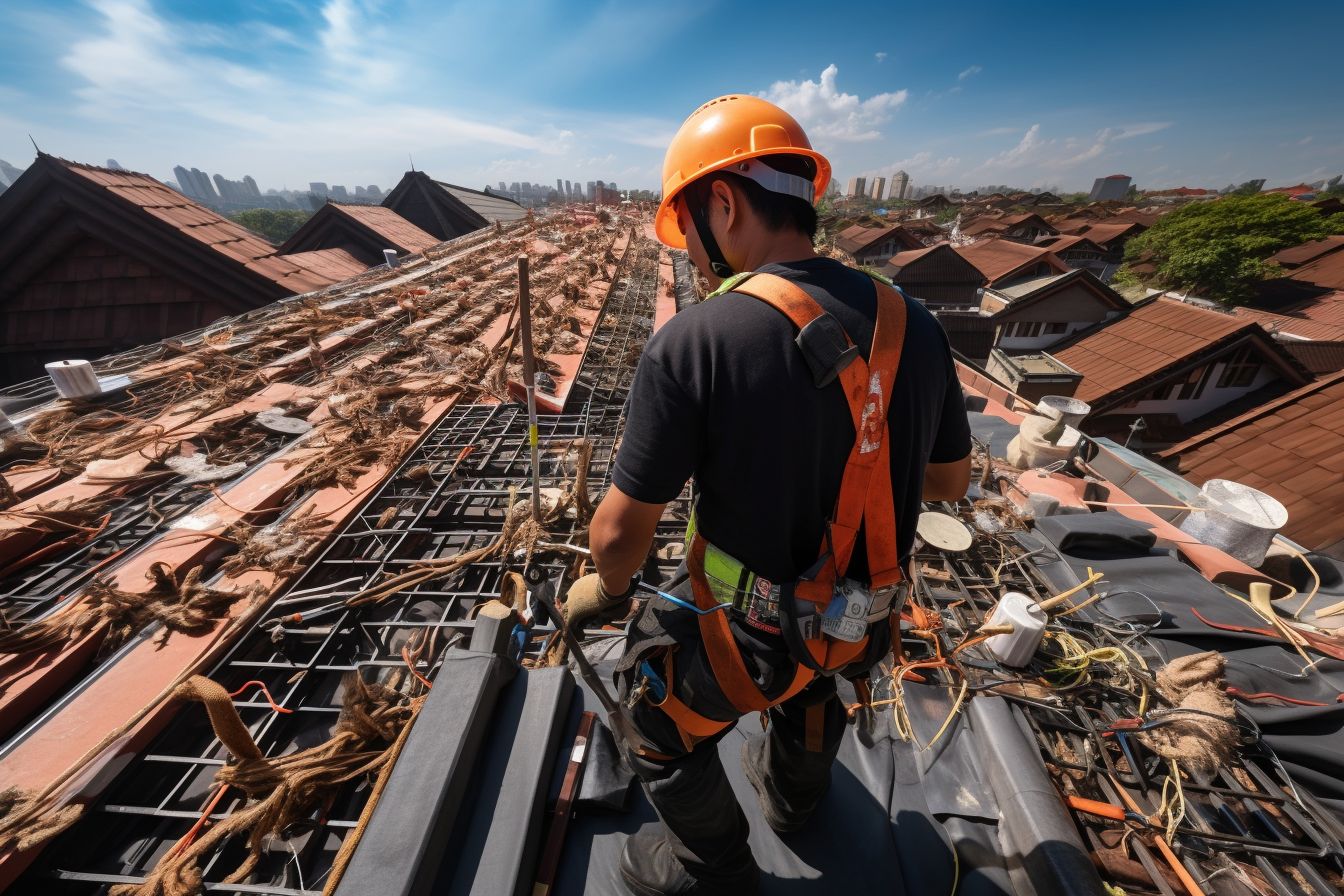
In conclusion, selecting the right commercial roof requires careful consideration of various factors, such as the building’s location, climate, and business type.
It is essential to research different roofing materials and systems, ask relevant questions to potential contractors, and adhere to building code requirements. By following these steps, you can ensure that you make a well-informed choice for your commercial roof that will provide durability and meet your specific needs.
FAQs
1. What factors should I consider when choosing a commercial roof?
When choosing a commercial roof, you should consider factors such as the building’s location, climate, budget, and the specific needs of your business.
2. Can I install a new commercial roof over my existing one?
In some cases, installing a new commercial roof over an existing one is possible. However, this depends on the existing roof’s condition and local building codes. It’s best to consult with a professional roofer for guidance.
3. How long does a commercial roof typically last?
The lifespan of a commercial roof varies depending on several factors, including the material used and maintenance performed. On average, most commercial roofs can last between 20 to 30 years.
4. Are there any eco-friendly options for commercial roofing?
Yes, there are eco-friendly options for commercial roofing, such as cool roofs that reflect sunlight and reduce energy consumption or green roofs that incorporate vegetation for insulation and environmental benefits.
5. Should I hire a professional contractor to choose and install my commercial roof?
Hiring a professional contractor with experience installing commercial roofs is highly recommended because they have the expertise required to assess your needs properly and ensure proper installation according to industry standards.