
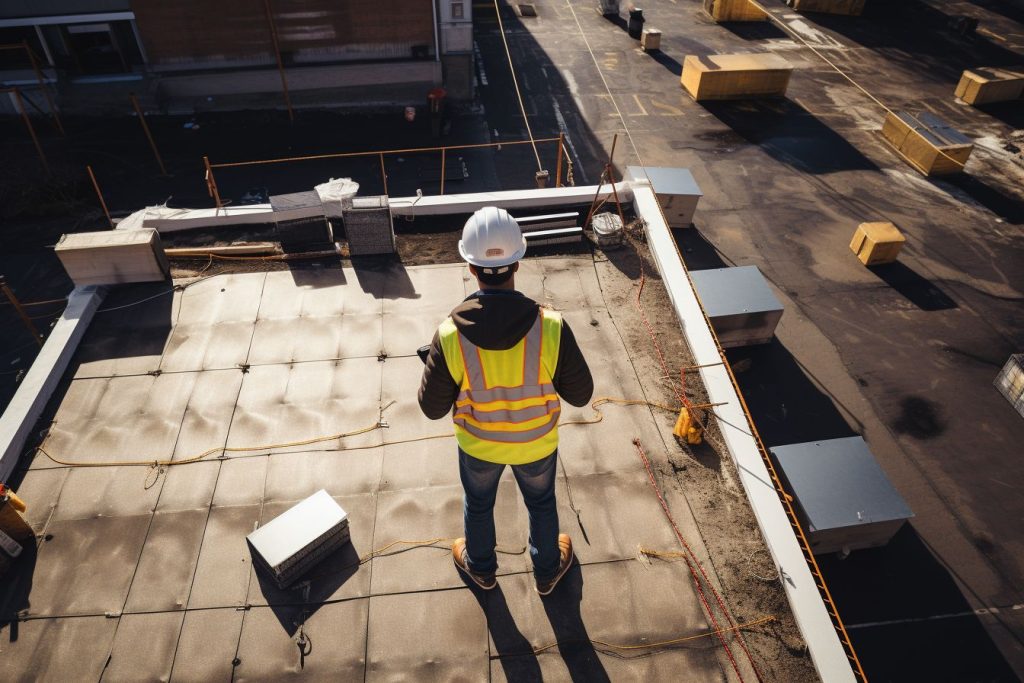
When it comes to commercial buildings, owners frequently ask, “How long does a commercial roof last?” It’s vital information since the lifespan of commercial roofs can vary from 10 to even 60 years based on multiple factors such as material type and maintenance.
This blog will provide comprehensive insights into different types of roofing materials, their typical lifespan, how installation quality affects longevity and many other crucial aspects that impact your commercial roof’s durability.
Let’s kick start this journey into extending the livelihoods of our rooftops!
Key Takeaways
- The lifespan of a commercial roof can range from 10 to 60 years, depending on factors such as material type and maintenance.
- Metal roofing has the most extended lifespan, lasting between 40 and 60 years, with proper installation and maintenance.
- Other roofing materials like TPO, PVC, modified bitumen, and EPDM can last 10 to 30 years.
- Proper installation by skilled professionals and regular maintenance is crucial for ensuring the longevity of a commercial roof.
Complete Guide to Commercial Roofing: Everything You Need to Know
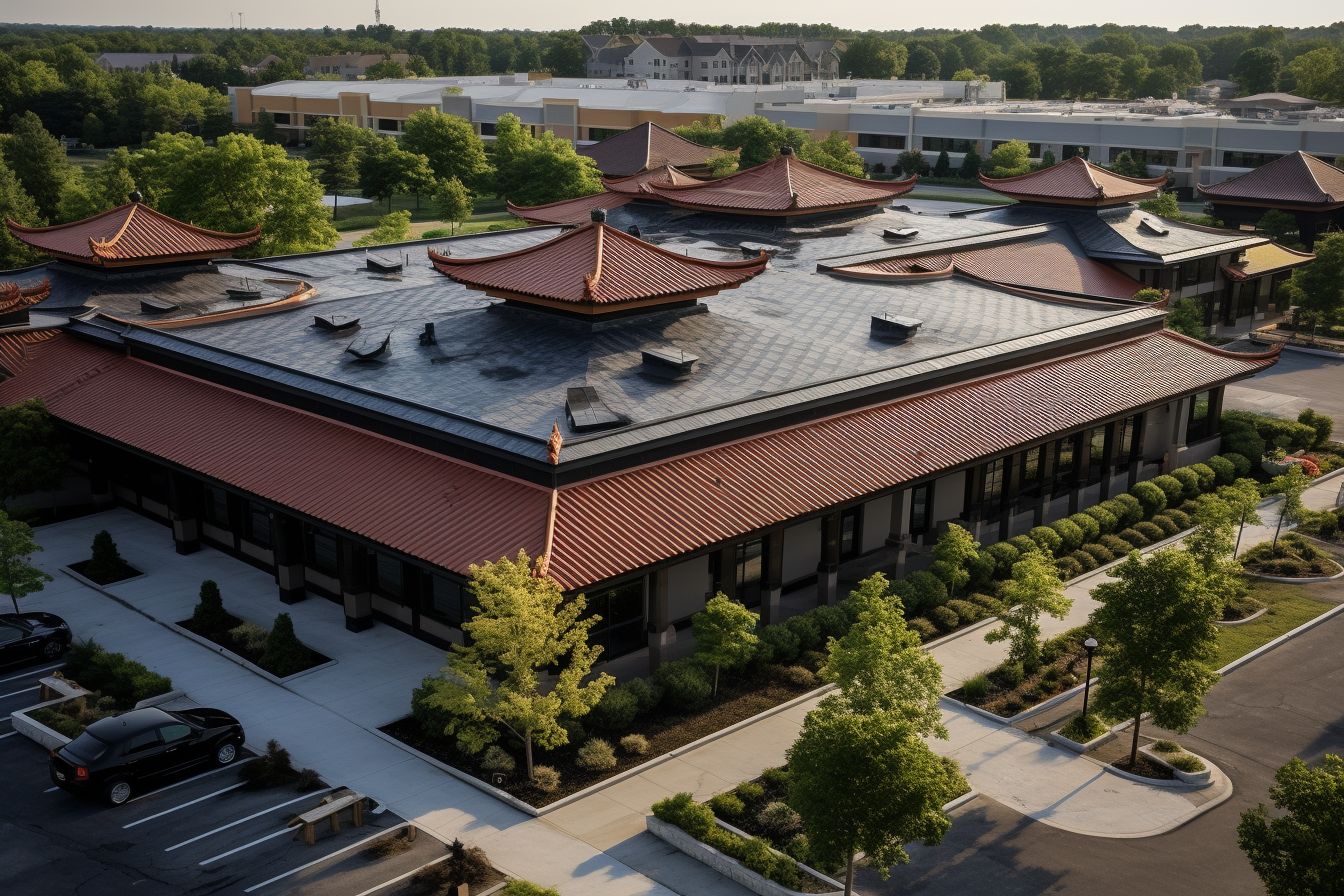
Commercial roofing involves more than just slapping on materials to cover your building. It’s about choosing the right type of materials, ensuring quality installation, and staying on top of regular maintenance. The chosen material plays a significant role in the lifespan of commercial roofs; for instance, metal roofs can last between 40 and 60 years due to their resilience.
The installation process is another critical factor to consider. A poorly installed roof may only live out part of its potential life span, irrespective of the quality product used during construction.
Conversely, a well-crafted commercial roof made from high-quality resources could serve you effectively for up to half a century with proper maintenance, making it worthwhile.
Weather and climate conditions in your area also contribute significantly towards the robustness and durability of your commercial roofing system. For example, PVC roofs are known to withstand harsh weather elements, making them ideal options for areas prone to severe climatic conditions. They have an admirable lifespan stretching from 15 up to 30 cherished years.
Lastly, don’t overlook TPO roofs—they’re becoming popular among business owners primarily because they have convincingly demonstrated the capability to last around 15 precious years when maintained properly.
Factors Affecting the Lifespan of a Commercial Roof
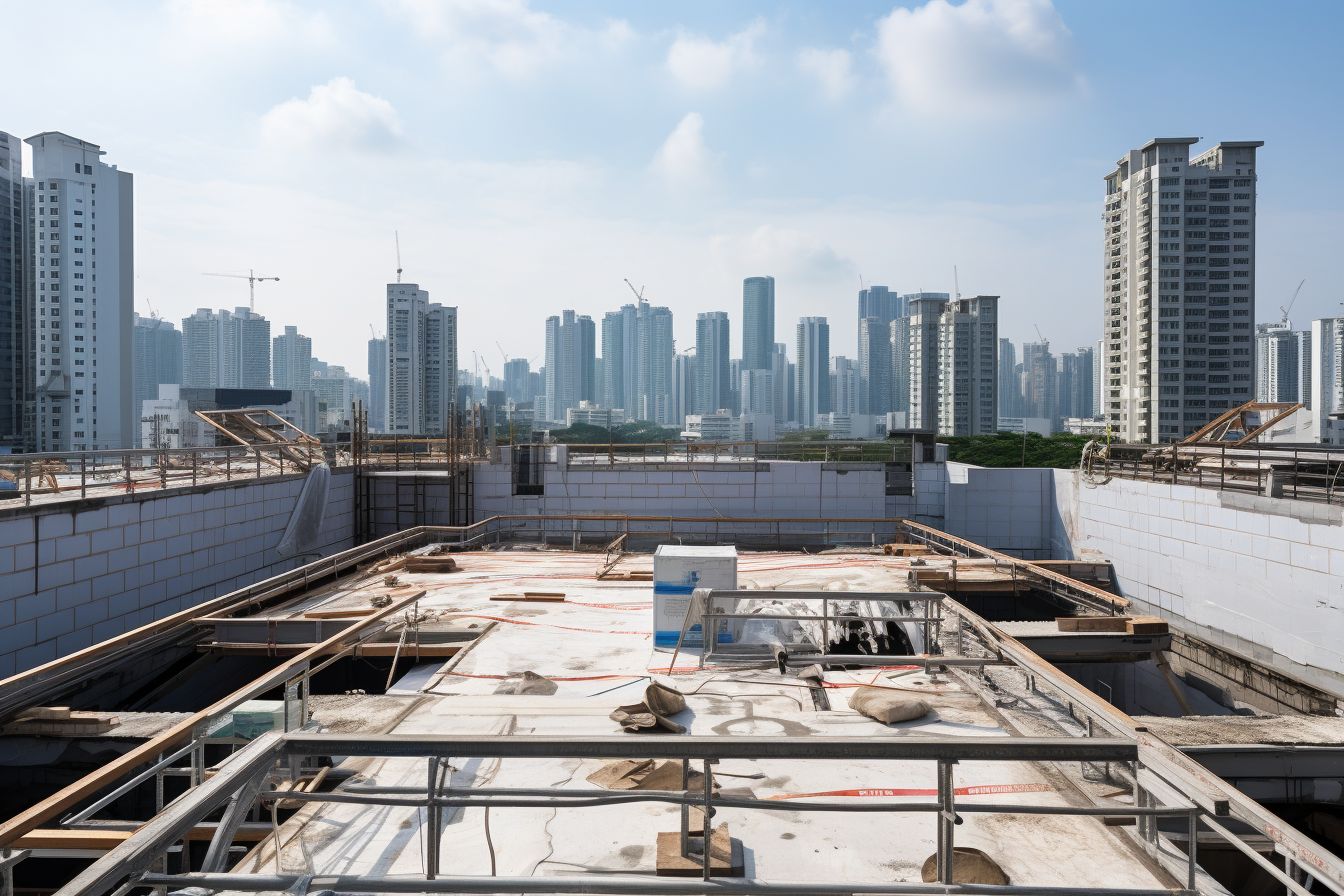
Several factors can significantly impact the lifespan of a commercial roof, including the type of roofing materials used, the quality of installation, maintenance practices, and weather and climate conditions.
Roofing materials
Roofing materials play a crucial role in determining the lifespan of a commercial roof. Diverse material options, such as metal roofs and multi-ply roofing, bring unique qualities.
Metal roofs are known for their longevity and durability if well-installed. These sturdy choices can serve your business premises efficiently for an impressive period.
On the other hand, multi-ply or built-up roofing systems also offer commendable life expectancies ranging between 20 and 30 years. Other alternatives like TPO (Thermoplastic Olefin) and Polyvinyl roofing hold an edge, with their expected lifespans reaching up to 30 years.
The correct choice among these diverse materials will largely depend on individual requirements, including location climate, building structure, and maintenance practices.
Installation quality
Proper installation by skilled professionals is fundamental to securing the longevity of commercial roofs. A well-installed roof, whether EPDM or metal roofing, automatically enhances durability and reduces potential damages over time.
The materials used in the process also influence resilience; hence, quality must be maintained when choosing them. Missteps during the installation phase can lead to a shorter lifespan for the roof, amplified maintenance needs, and undesirable repair costs.
Therefore, proficient installation methods are crucial for optimal commercial roofing investment returns.
Maintenance practices
Proper maintenance practices are crucial for ensuring the longevity of a commercial roof. Regular roof care, including inspections and preventative measures, can help identify any issues early on and prevent them from worsening.
It is essential to schedule routine maintenance and address any necessary repairs as soon as possible to avoid further damage. By implementing a proactive approach to maintenance, commercial roofs can be protected against common problems such as leaks, water damage, and structural deterioration.
Taking care of your roof through regular upkeep will help extend its lifespan and save you money in the long run.
Weather and climate conditions
Different weather and climate conditions play a crucial role in the lifespan of a commercial roof. Factors such as temperature fluctuations, wind damage, UV radiation exposure, and moisture buildup can all harm roofs over time.
Rain, snow, hailstorms, ice dams, extreme heat, and severe weather events can also contribute to accelerated deterioration. Understanding how these weather elements impact your roof is essential for proper maintenance and longevity.
Typical Lifespan of Different Commercial Roofing Types
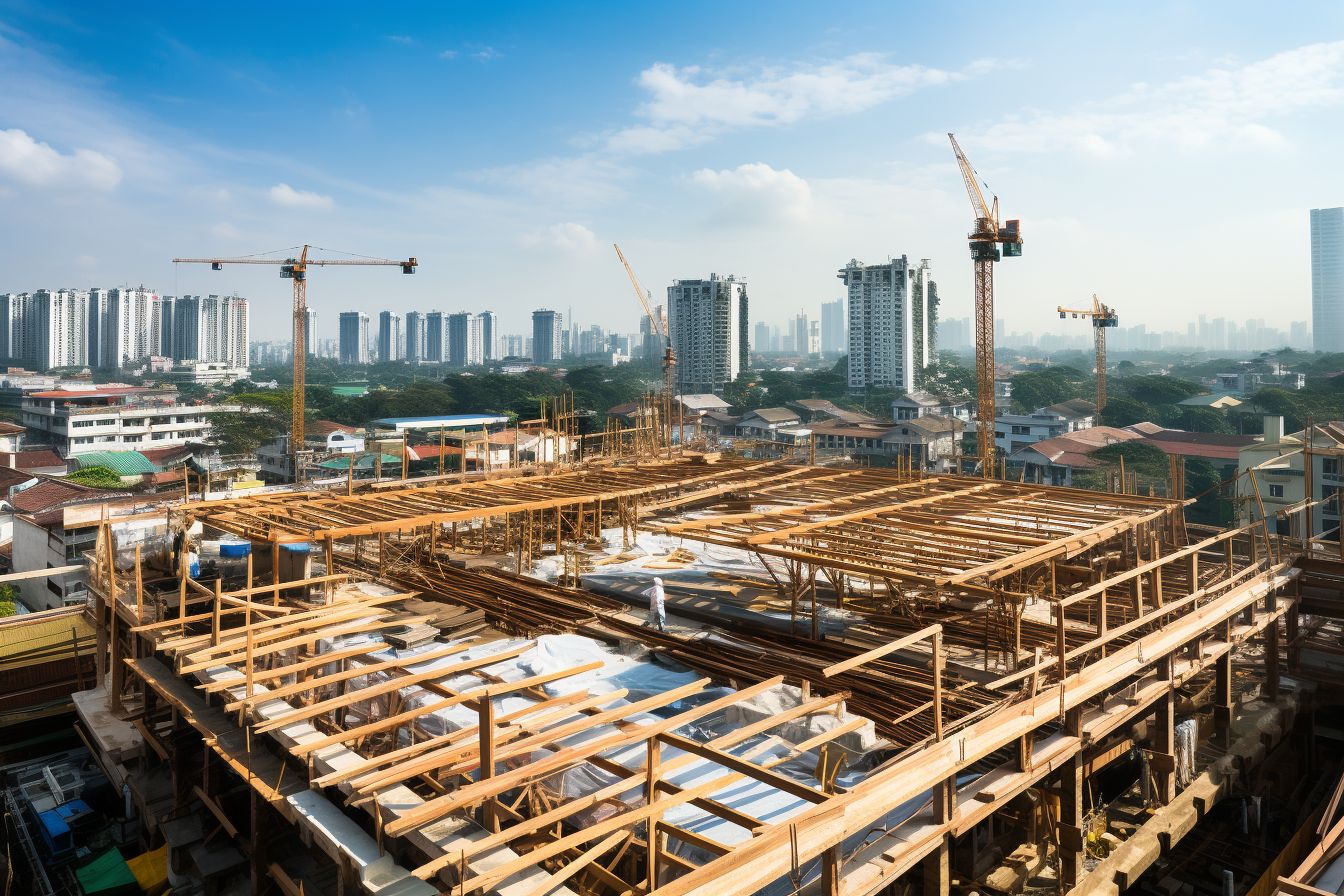
The typical lifespan of different commercial roofing types varies, with metal roofing lasting 40-60 years, TPO roofs lasting 20-30 years, PVC roofs lasting 15-30 years, modified bitumen roofs lasting 10-20 years, and EPDM roofs lasting 20-30 years.
Metal roofing (40-60 years)
Metal roofing is known for its longevity, durability, and resistance to weather conditions. With a typical lifespan of 40-60 years, metal roofs are built to last. They can withstand high winds of over one hundred miles per hour and resist rot, rust, and corrosion.
Metal roofs have an average lifespan of two to three times longer than asphalt shingle roofs. Whether protecting your commercial building from the elements or ensuring long-term cost savings on roof maintenance and replacements, metal roofing is a reliable choice that offers peace of mind for decades.
TPO (20-30 years)
TPO roofing is a popular choice for commercial buildings with flat roofs due to its affordability and durability. With a lifespan of 20-30 years, TPO roofs provide excellent value for money.
These roofs can withstand various weather and climate conditions, making them a reliable option for long-term use. Compared to other commercial roofing materials, such as EPDM, TPO offers a slightly shorter lifespan but remains an attractive choice for those seeking cost-effective and durable roofing options for their commercial buildings.
PVC (15-30 years)
PVC roofs are a popular choice for commercial roofing systems due to their impressive lifespan of up to 30 years. These roofs can last between 15 and 30 years, providing long-term durability and stability.
PVC roofs strike a good balance between affordability and strength, making them an excellent investment for businesses. With their strong composition, PVC roofs can withstand harsh weather conditions, ensuring the building remains protected.
It is important to note that proper installation is vital in maximising the lifespan of any commercial roof, including those made of PVC.
Modified bitumen (10-20 years)
Modified bitumen roofing systems typically have a lifespan of 10 to 20 years. These roofs have multiple layers, providing extra protection against harsh weather conditions and potential damage.
With proper installation and regular maintenance, the lifespan of modified bitumen roofs can be extended to over 20 years. This makes them an economical choice for buildings with limited maintenance budgets.
Property owners can ensure the preservation of their modified bitumen roofs for years to come by investing in effective roof maintenance practices, such as routine inspections and timely repairs.
EPDM (20-30 years)
EPDM roofing, which stands for Ethylene Propylene Diene Monomer, is famous for commercial buildings due to its durability and longevity. These synthetic rubber roofing systems can last 20 to 30 years, making them a reliable option for protecting your commercial property.
With proper installation and regular maintenance, EPDM roofs can provide excellent weather resistance and protection against UV radiation. This roofing material offers many benefits, including resistance to tears, punctures, and extreme weather conditions.
When it comes to choosing a long-lasting solution for your commercial roof, EPDM is worth considering.
Conclusion
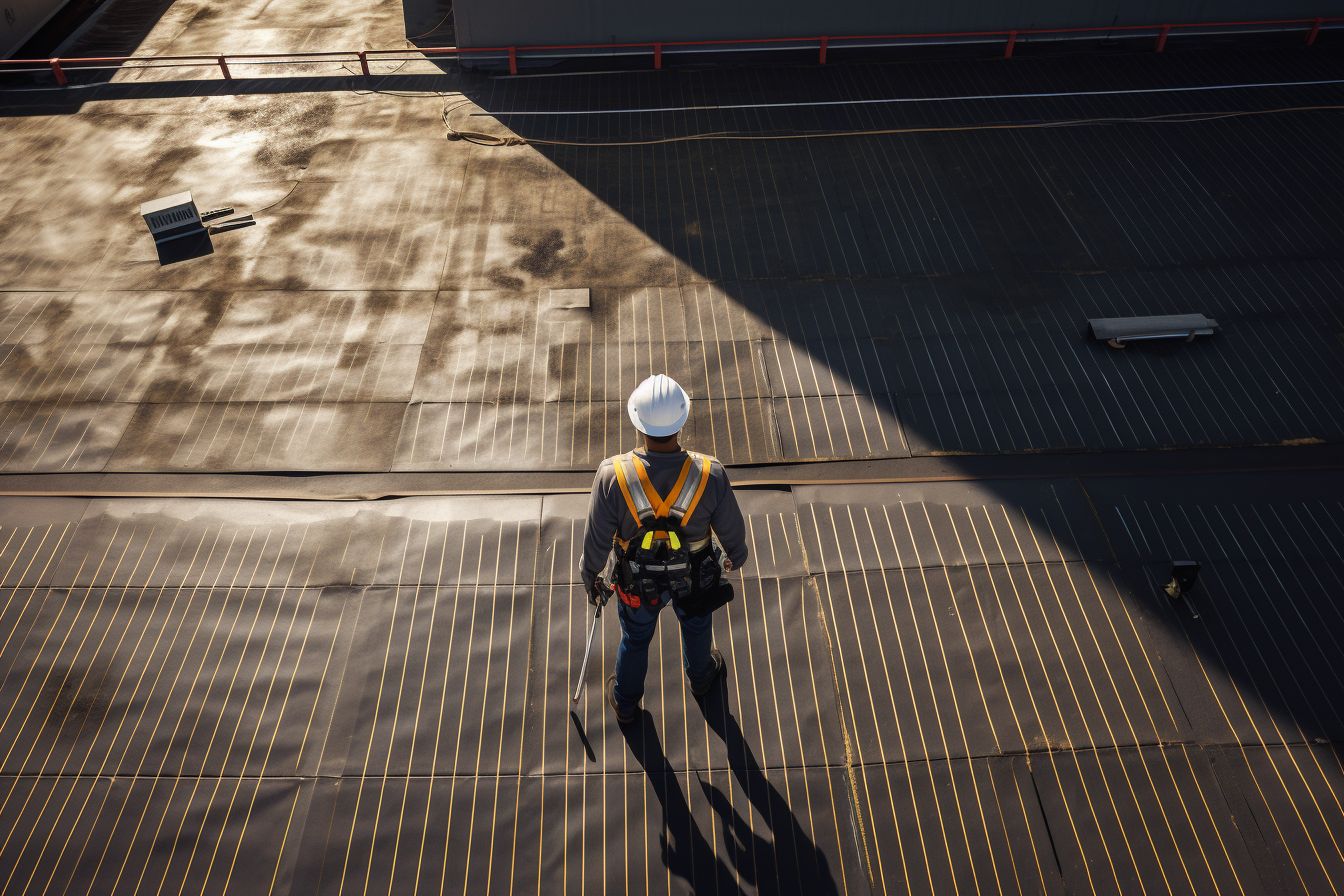
Commercial roofs have varying lifespans, depending on several factors. Metal roofs have the most extended lifespan, lasting between 40 and 60 years, with proper installation and maintenance.
Other types of commercial roofing materials, such as TPO, PVC, modified bitumen, and EPDM, can last anywhere from 10 to 30 years. The longevity of a commercial roof is influenced by factors like roofing materials used, installation quality, maintenance practices, and weather conditions.
By considering these factors and implementing proper care and maintenance protocols, businesses can maximise the lifespan of their commercial roofs.
FAQs
1. What is the average lifespan of a commercial roof?
The average lifespan of a commercial roof can vary depending on factors such as the type of material used, maintenance, and weather conditions. However, most commercial roofs last between 20 to 30 years.
2. How do I know if my commercial roof needs to be replaced?
Signs that your commercial roof may need to be replaced include frequent leaks, visible damage or deterioration, excessive mould or moss growth, and sagging areas.
3. Can I extend the lifespan of my commercial roof with regular maintenance?
Yes, regular maintenance can help extend the lifespan of your commercial roof. This includes inspections for damage or wear, prompt repairs when issues are identified, and routine cleaning to prevent debris buildup.
4. What factors can shorten the lifespan of a commercial roof?
Factors that can shorten the lifespan of a commercial roof include severe weather events like hailstorms or hurricanes, lack of regular maintenance and repairs, improper installation, and exposure to harsh chemicals or pollutants.
5. How much does it cost to replace a commercial roof?
The cost of replacing a commercial roof depends on several factors, including the size and complexity of the roofing system and the chosen materials. It is best to consult with professional roofing contractors for an accurate estimate tailored to your specific needs.