
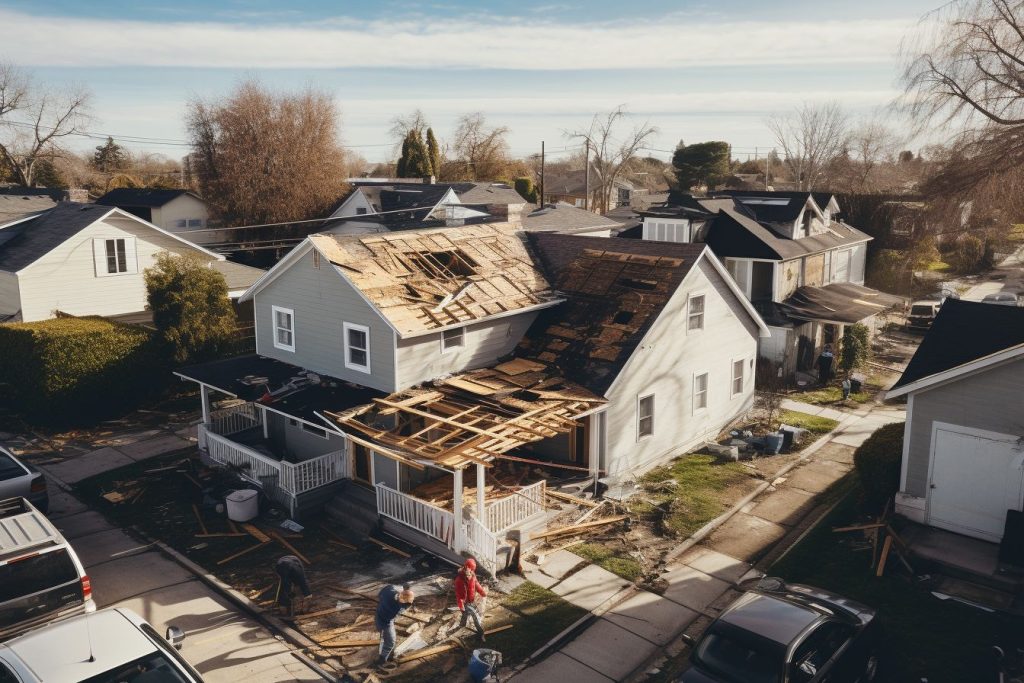
Are you considering a roof replacement, but I am fuzzy on how long the process might take. The duration can vary significantly based on home size, material type, and weather conditions.
We’ve prepared this handy guide to decode what influences your roof replacement timeline and provide practical tips for preparation. Keep reading to discover valuable insights that will bring clarity and help keep your roofing project seamlessly on schedule!
Key Takeaways
- Factors that affect the duration of a roof replacement include the complexity and accessibility of your roof, weather conditions, time of year, type of roofing materials used, size of your home, and the chosen method for replacement.
- The complexity of your roof can be influenced by its shape, pitch, unique features like skylights or chimneys, the number of layers present, and underlying damage that may require structural repairs.
- The accessibility of your roof can impact the speed at which contractors can work. Obstacles such as trees or steep slopes can slow down the project.
- Weather conditions play a significant role in the duration of a roof replacement. Extreme weather, like strong winds or hail, can cause delays and damage new roofs.
- The time of year can affect working hours due to daylight restrictions. Shorter daylight hours in winter may result in longer completion times.
- The choice of roofing materials affects how long a roof replacement takes. Opting for low-quality materials may lead to more frequent repairs and reduce life expectancy.
What Affects the Length of a Roof Replacement?
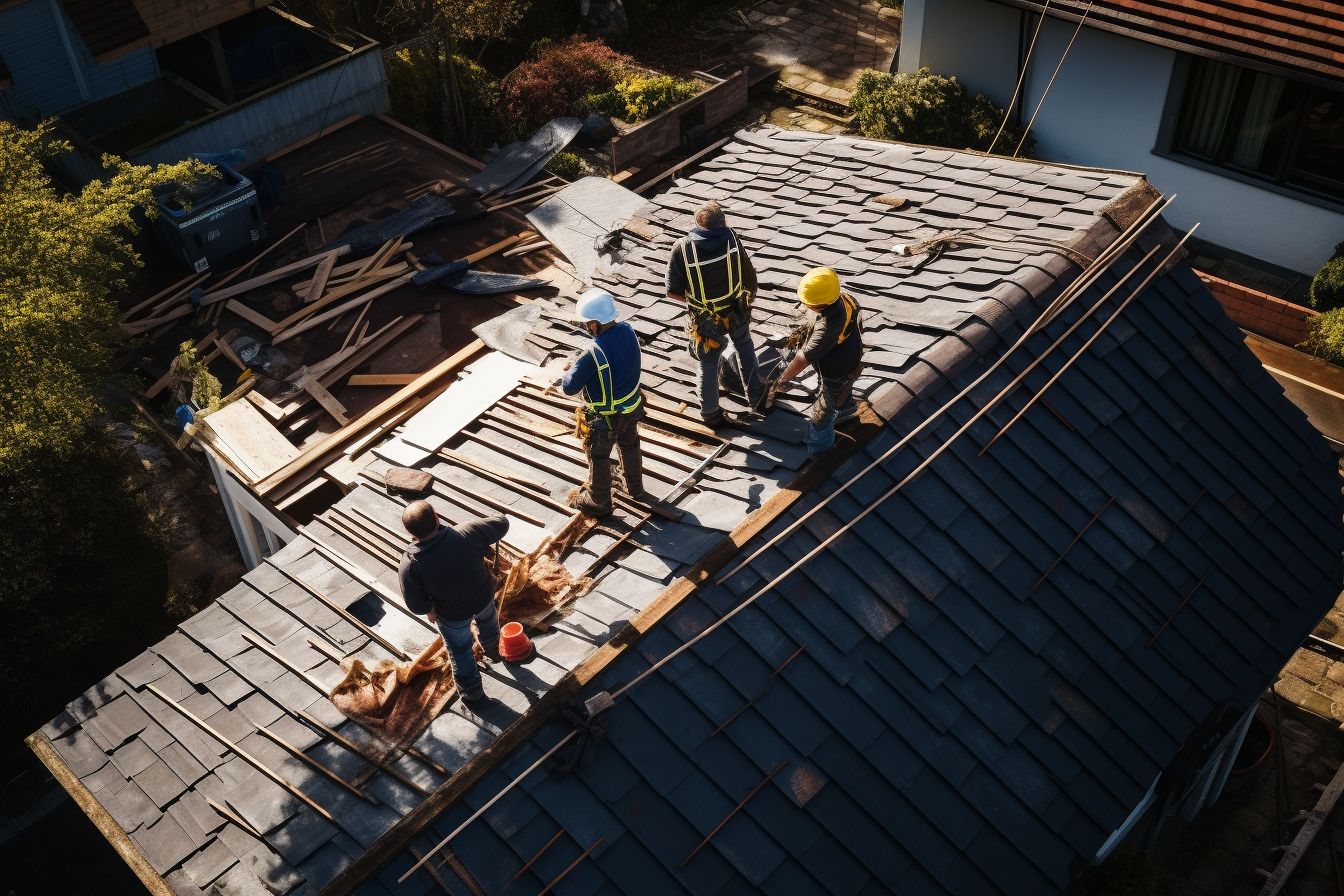
Several factors can impact the length of a roof replacement, including the complexity and accessibility of your roof, weather conditions, time of year, type of roofing materials used, size of your home, and the chosen method for replacement.
Complexity of your roof
The complexity of your roof plays a significant role in the duration of a roof replacement. Various elements can add to this complexity, such as the shape and pitch of your roof, unique features like skylights or chimneys, and the number of layers present.
These factors may increase roofing complexity because they present challenges for installation or removal. Roofs with many valleys and angles are more challenging to work on than straightforward gable roofs.
Moreover, properties such as multifamily homes often have complex roofing systems which require additional time for thorough replacement compared to residential homes.
Specialised materials like rubber roofing intensify this tenfold as they demand specific handling skills and take longer to replace than commonly used asphalt shingles. If there’s underlying damage beneath old shingles or tiles, structural repairs may be necessary before new material is laid down, adding even more time.
The potential need for these repairs is only sometimes evident once workers are well into the project – another component contributing to roof replacement complexity and extending its duration.
Accessibility of your roof
The accessibility of your roof plays a crucial role in the length of roof replacement. Some roofs have easy access, while others may be hindered by obstructions such as trees, decks, or steep slopes.
These obstacles can slow down roofing contractors and extend the project’s duration.
Architectural features like skylights or chimneys also add complexity and impact how readily available your roof is to workers. Work often wraps up within a day for residential roof replacement on uncomplicated structures measuring 3000 square feet or less.
However, intricate designs on larger homes could stretch this timeline out significantly. Always consult with professionals for an accurate estimate tailored to your specific scenario.
Weather
Weather plays a substantial role in the duration of a roof replacement. Extreme conditions like strong winds and hail can cause significant damage, shortening the lifespan of a new roof.
Asphalt shingles adhere correctly on clear days with temperatures between 45 and 50 degrees Fahrenheit, making it an ideal replacement time. However, harsh climates such as heavy rain, snow, or extreme heat should be avoided during this period.
The weather’s influence also extends to cold temperatures; they complicate the replacement process by slowing operations and potentially damaging materials. Thus, we see how diverse weather variables dictate when you replace your roof and how often you must do so based on your chosen roofing material’s resistance to these conditions.
Time of year
The time of year can impact the length of a roof replacement project. During certain seasons, roofers may have limited working hours due to daylight restrictions. The amount of daylight available can affect the speed and efficiency of the project, with shorter daylight hours in winter potentially causing longer completion times.
Considering these factors and planning accordingly when scheduling a roof replacement is important.
Roof materials
The choice of roofing materials plays a crucial role in determining the length of a roof replacement project. The type and quality of materials selected can significantly impact the overall duration.
Opting for low-quality materials may result in more frequent repairs and reduce the roof’s life expectancy. To ensure a longer-lasting roof, it is advisable to choose superior roofing products that offer durability and longevity.
Home size
The size of your home plays a significant role in determining how long it will take to replace the roof. A roof replacement for a 1,000-2,000 square foot house takes two to three days.
The process can usually be completed within one to two days for an average-sized home in optimal conditions. Ultimately, the duration of the roof replacement project is heavily influenced by the size of your house and, specifically, the size of your roof.
Replacement method
The method used for roof replacement plays a significant role in determining the project’s duration. One option is the overlay technique, where new shingles are installed over the existing ones.
This method is generally faster than a complete tear-off and replacement, eliminating the need to remove the old shingles and prepare the roof structure. However, it’s important to note that an overlay may only be suitable for some roofs, especially if underlying issues or damage need to be addressed.
The choice between an overlay and a complete tear-off will depend on factors such as the condition of your current roof and your budget constraints.
A Quick Roof Replacement Isn’t Always Better

A quick roof replacement may seem ideal when your roof needs repair. However, it’s important to remember that speed is sometimes better when replacing your roof.
While a fast replacement might save you time and inconvenience in the short term, it can lead to potential issues. Rushing through a roof replacement can result in mistakes or overlooked details that could affect the longevity and performance of your new roof.
It’s essential to take the time necessary to ensure the installation is done correctly, using proper techniques and materials, so that you can enjoy a durable and reliable roof for years.
Understanding the Roof Replacement Process: A Complete Handbook
Replacing a roof is a complex process that involves several steps. Here is a complete handbook to help you understand the roof replacement process:
- Select the right roofing material for your home, such as metal roofs, wood shakes, slate, or asphalt shingles.
- Before the replacement begins, could you remove any obstacles around your home and clear the way for the roofing team?
- The first step is to strip away the old roofing materials and inspect the underlying structure for any damage.
- repair or replace any damaged or rotten sections of the roof’s underlayment and decking.
- Once the foundation is in good condition, it’s time to install new flashing around chimneys, vents, and skylights to prevent leaks.
- After ensuring proper drainage with gutters and downspouts, it’s time to lay down the new roofing material according to manufacturer guidelines.
- Finally, clean up any debris from the construction site and perform a thorough inspection to ensure everything is in place and functioning properly.
How to Prepare for a Roof Replacement
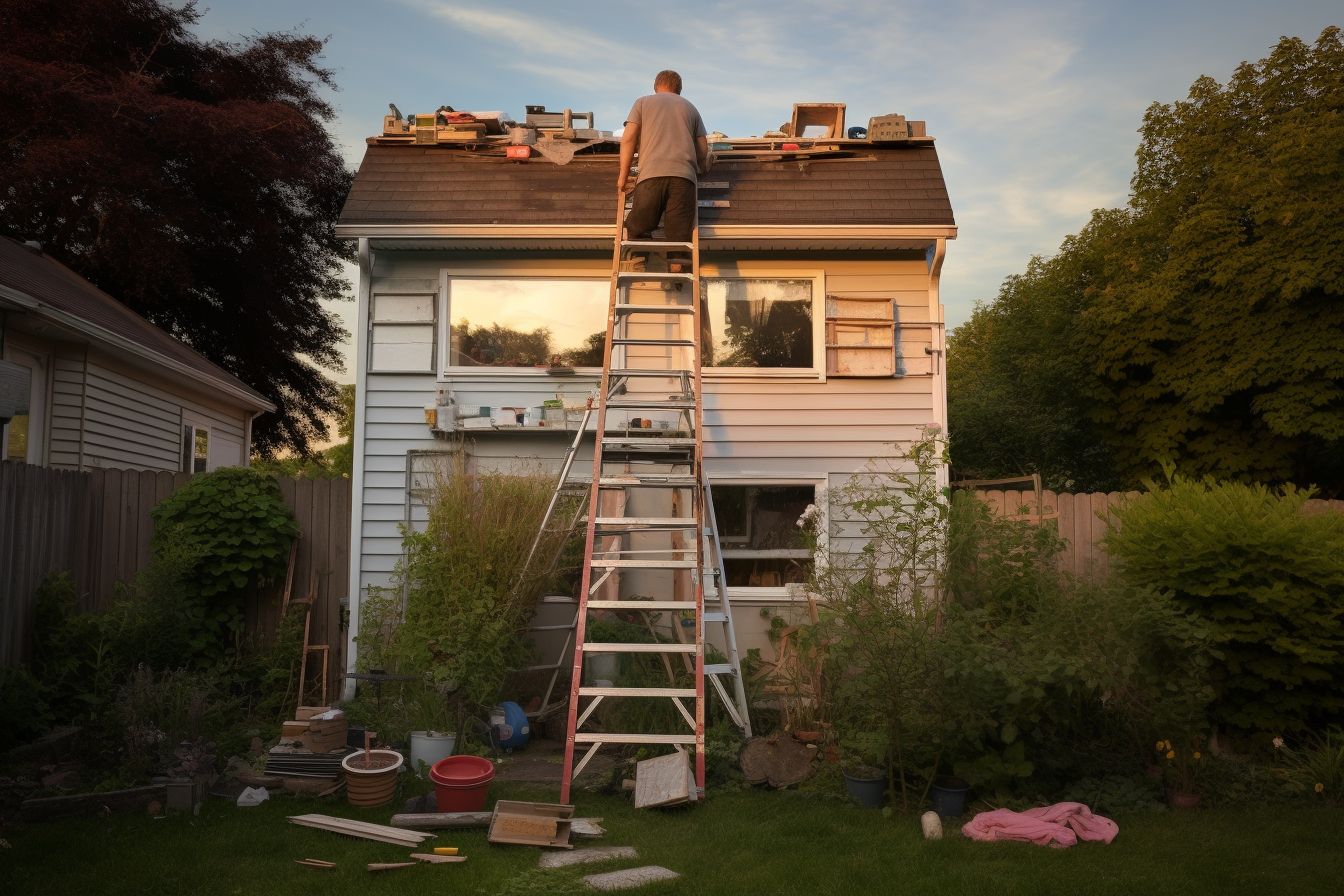
Prepare your yard by removing any items that may obstruct the work area and ensure clear access for the roofing team.
Preparing your yard
Preparing your yard is an essential step in getting ready for a roof replacement. Here are some important tasks to consider:
- Remove any wall decorations or hanging items that could get damaged during the roof replacement process.
- Relocate vehicles parked near your home to ensure they are not in the way of the roofing materials or equipment.
- Take precautions to ensure the safety of your children and pets by keeping them indoors or away from the construction area during the roof replacement.
- Move patio furniture and other outdoor items away from the work zone to protect them from potential damage.
- Make sure to schedule your roof replacement well in advance, as same-day service may only sometimes be available.
- Remember that the size of your roof will affect how long the replacement process takes.
Preparing your home
Preparing your home for a roof replacement is an important step that can help ensure a smooth and efficient process. Here are some things you can do to prepare:
- Clear any items from around the perimeter of your home, such as patio furniture or potted plants.
- Remove any satellite dishes or antennas from your roof.
- Protect any fragile items or furniture inside your home from dust and debris.
- Move vehicles out of the driveway to allow easy access for the roofing crew.
- Make arrangements for pets or children to be kept safe and away from the construction area.
- Communicate with your roofing contractor about any specific concerns or instructions for accessing certain areas of your property.
Preparing your pets and children
Preparing your pets and children for a roof replacement is crucial to ensure their safety and minimise stress. Take the following steps:
- Find a safe place: Protect your pets and children from the construction area. Could you create a designated space inside your home where they can stay during the roof replacement?
- Inform them beforehand: Explain to your children what will happen during the roof replacement. Could you tell them about any potential noise, disturbances, or changes to their routine?
- Secure outdoor pets: If you have pets that normally spend time outdoors, it is best to keep them indoors during the roof replacement. This will help prevent accidents and reduce their anxiety.
- Minimize noise exposure: Consider providing a quiet space for your pets and children to retreat during loud or hammering periods. Use white noise machines or soft music to create a calming environment.
- Protect sensitive ears: In case of significant noise, provide ear protection for your pets and young children to ensure their comfort and well-being.
- Set up barriers: Install gates or temporary fences around potentially hazardous areas like stairs or outdoor work zones, safely keeping curious pets and children away.
- Maintain routines: Stick as closely as possible to your regular household routines during the roof replacement project. This will help provide a sense of normality for your pets and children amidst disruptions.
- Follow safety precautions: Ensure contractors are aware of pets or children in your home to take extra precautions when working around them.
After the replacement is completed
A thorough roofing inspection should be conducted once the replacement is completed to ensure the quality of work. This includes checking for any signs of damage or leaks on the interior ceilings.
I think it’s important to address any issues immediately to avoid further problems and possibly costly repairs. Taking the time to perform a post-replacement inspection can give you peace of mind, knowing that your new roof is in excellent condition and will provide adequate protection for your home.
Ceiling damage can sometimes occur after a roof replacement, so it’s crucial to inspect the interior of your house once the work is done. Look for any water stains, cracks, or sagging areas on your ceilings, as these could indicate underlying issues with your new roof.
By identifying and addressing these problems early on, you can avoid more extensive damage and ensure your home remains safe and secure.
Conclusion
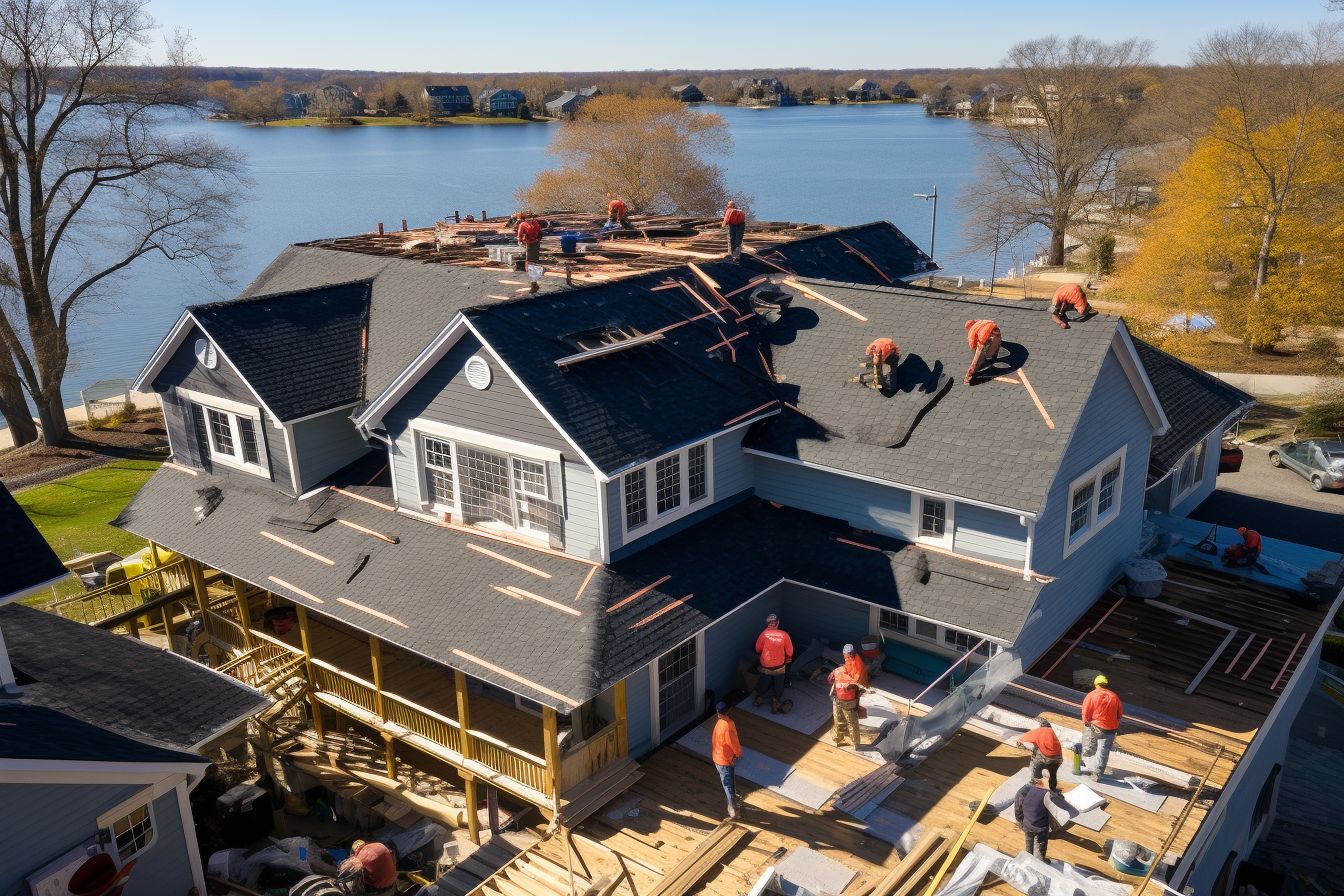
The duration of a roof replacement can vary based on factors such as the size and complexity of your home, the type of materials used, and the unique features of your roof. A roof replacement can take anywhere from one to 12 days.
It is important to let your roofing contractor know so they can make sure they provide an accurate timeline for your specific project. Remember that taking the time to properly plan and prepare for a roof replacement can help ensure a successful and efficient process.
FAQs
1. How long does a roof replacement typically take?
The duration of a roof replacement can vary depending on factors such as the size of the roof, weather conditions, and any additional repairs needed. It can take anywhere from a few days to a couple of weeks.
2. Can I stay in my house during the roof replacement?
In most cases, staying in your house during a roof replacement is safe. However, there may be some noise and vibrations during the process. I think it’s best to discuss this with your roofing contractor beforehand.
3. Will my landscaping be affected during the roof replacement?
During a roof replacement, there is a possibility that your landscaping may be temporarily impacted due to debris or equipment movement. However, contractors will typically minimise damage and clean up after completing the job.
4. Do I need to move my belongings before the roof replacement?
It is recommended to secure or move any valuable or fragile belongings located in areas directly beneath the roof being replaced. This precaution will help protect them from potential damage caused by falling debris or vibrations.
5. What should I do if adverse weather delays my scheduled roof replacement?
If adverse weather conditions delay your scheduled roof replacement, please contact your roofing contractor for alternate plans or rescheduling options. Taking time with the project is important, as proper installation requires favourable weather conditions for optimal results.