

Choosing the right roofing material when replacing your roof can feel overwhelming. With many options available, each offering varying durability and style, making an informed decision is important.
This article aims to simplify the process by providing a comprehensive guide on choosing the best roofing material based on cost, longevity, aesthetics, and climate suitability.
Would you be ready for a roof replacement adventure? Stick around – this guide is for you!
Key Takeaways
- Consider cost, durability, style and aesthetics, climate suitability, and weight and structural compatibility when choosing a roofing material for replacement.
- Popular roofing materials include asphalt, metal roofing, composite shingles, concrete and terra cotta tiles, cedar, and slate shingles.
- Assess roofers by obtaining local references, checking licenses and certifications, and verifying insurance and bonding.
Factors to Consider When Choosing Roofing Material

Consider cost, durability, style and aesthetics, climate suitability, and weight and structural compatibility when choosing a roofing material.
Durability
Durability plays a substantial role in selecting the right roofing material for your home. A resilient and robust roof can save long-term costs by minimising repair and replacement expenses.
The weather resistance of a material affects its durability significantly; roofs should endure all sorts of climatic conditions without losing their strength or appearance.
Not all roofing options offer similar degrees of durability. Synthetic shingle roofs, known for their unmatched endurance, prove an excellent choice with high longevity ratings. Standing seam metal roofs also earn top marks for reliability, proving sustainable even under extreme weather situations.
When making your final choice, please consider factors like roof slope, architectural authenticity, and durability.
Style and aesthetics
Style and aesthetics play significant roles in making your residential space visually pleasing. The roofing material must complement the architectural design of your house, bolstering its exterior appearance.
Homeowners often pick a style to honour tradition while maintaining their home’s architectural authenticity. A well-coordinated roof design enhances overall curb appeal — something neighbours and prospective buyers won’t overlook.
Moreover, some neighbourhoods have homeowners association guidelines to adhere to when changing or repairing roofs. Striking balance is key: Choose a functional roofing material with long-lasting durability that aligns with these specifications without compromising aesthetic value.
This can go a long way towards being a cost-effective option for remodelling or building requirements.
Climate suitability
The climate suitability is an important factor when choosing a roofing material. Different materials have varying weather resistance and adaptability levels, affecting their durability and performance in different climates.
For example, some roofing materials are better at providing thermal insulation and energy efficiency, helping to reduce heat absorption and lower cooling costs. The chosen roof should also withstand the area’s specific weather conditions, including wind, rain, snow, and temperature extremes.
By considering the climate suitability when selecting a roofing material, you can ensure that it will endure the local weather conditions and provide long-lasting protection for your home or building.
Weight and structural compatibility
Heavy roofing materials can put a strain on the structural integrity of a building. The weight of the roofing material may require additional reinforcement to ensure that the building can support it properly.
When choosing a roofing material, it is important to consider the roof load capacity, structural stability, and overall building strength. This will help prevent potential issues or damage caused by an incompatible choice.
I want you to know that keeping these factors in mind will ensure that you select a roofing material that is structurally compatible with your building and does not compromise its safety and stability.
Types of Roofing Materials
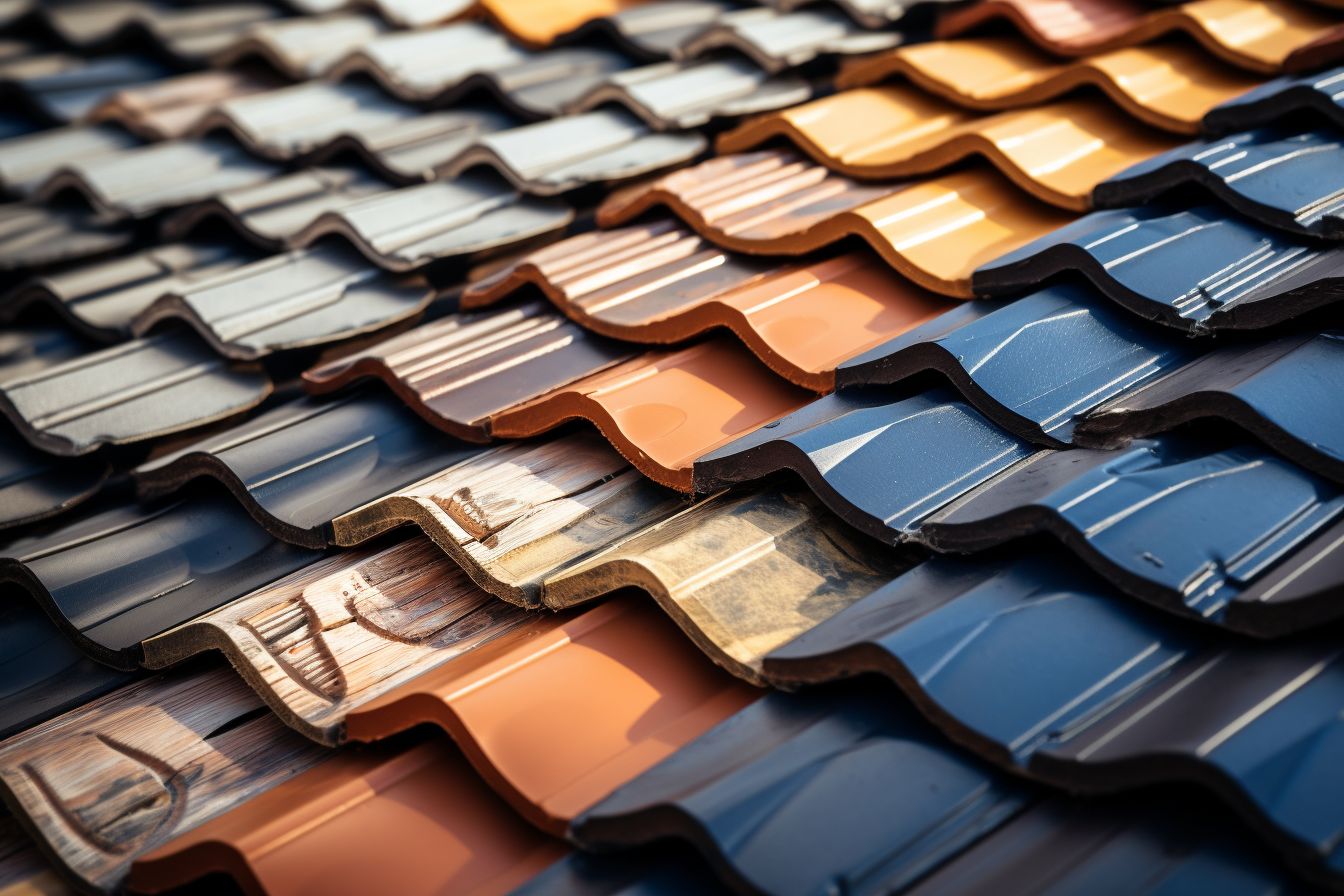
Several roofing materials are available, including asphalt shingles, metal roofing, composite roofing shingles, concrete and terra cotta roofing tiles, cedar roofing shingles, and slate roofing shingles.
Asphalt roofing shingles
Asphalt roofing shingles are a widely used and popular choice for roofs in the United States. They are known for being affordable, versatile, reliable, and durable. Made from fibreglass, tar, and granules, asphalt shingles protect against the elements.
Insurance companies often refer to them as composition shingles. Asphalt roofing shingles are worth considering whether you’re looking for a roof replacement or installation on a new home.
Metal roofing
Metal roofing has become popular for residential roofs due to its durability and low maintenance. With different types available, such as aluminium, copper, steel, tin, and zinc, homeowners have options that suit their preferences and needs.
Metal roofs are known for longevity, often lasting up to 50 years or more. They are also resistant to fire, rot, and insect damage. This makes metal roofing an excellent investment for homeowners looking for a long-lasting and reliable roofing material that requires minimal upkeep.
Composite roofing shingles
Composite roofing shingles are popular among homeowners due to their affordability, durability, and environmental friendliness. These shingles are made from fibreglass, plastic, wood, and polyester.
One key advantage of composite shingles is their eco-friendliness, as they are made from recycled materials. Additionally, composite shingles can mimic the appearance of more expensive roofing materials like slate and cedar shake.
This allows homeowners to achieve the desired aesthetic without breaking the bank. In terms of durability, composite shingles offer long-lasting performance, making them a cost-effective option for roof replacement projects.
Concrete and terra cotta roofing tiles
Concrete and terra cotta roofing tiles are popular for homeowners looking for durable and aesthetically-pleasing roofing materials. These tiles are known for their weight, which is heavier than other materials such as asphalt, clay, composite, and metal.
Concrete tiles are made from sand, cement, and water, while terra cotta tiles are made of clay. One advantage of concrete roof tiles is their long lifespan and the availability of limited lifetime warranties that can be transferred to new homeowners if you decide to sell your home.
These tiles are also highly fire-resistant and capable of withstanding harsh weather conditions. However, it’s important to consider the overall installation costs and long-term maintenance requirements before selecting concrete or terra cotta roof tiles.
Cedar roofing shingles
Cedar roofing shingles are a popular choice for homeowners due to their natural resistance to decay and insects. These durable materials can provide long-lasting protection for your home.
Cedar shake roofing offers advantages regardless of the style and climate, making it a versatile option. The cost of cedar roofing materials varies but ranges from $6,300 to $15,300 on average, depending on factors such as the quality and size of the roof.
With its durability and natural beauty, cedar roofing shingles are an excellent choice for those seeking a high-quality and visually appealing roof.
Slate roofing shingles
Slate roofing shingles are an excellent choice for homeowners looking for a durable and visually appealing option. With their natural beauty and timeless elegance, slate shingles add a touch of sophistication to any home.
Moreover, these shingles have impressive longevity, making them one of the longest-lasting roofing options. Another advantage of slate roofing is its fire resistance, especially when it comes to synthetic slate shingles.
Additionally, if you ever need to replace individual tiles, it can be done easily without replacing the entire roof. Slate shingles are hard to beat when choosing a long-lasting and visually stunning roofing material.
Comprehensive Guide on Roof Replacement
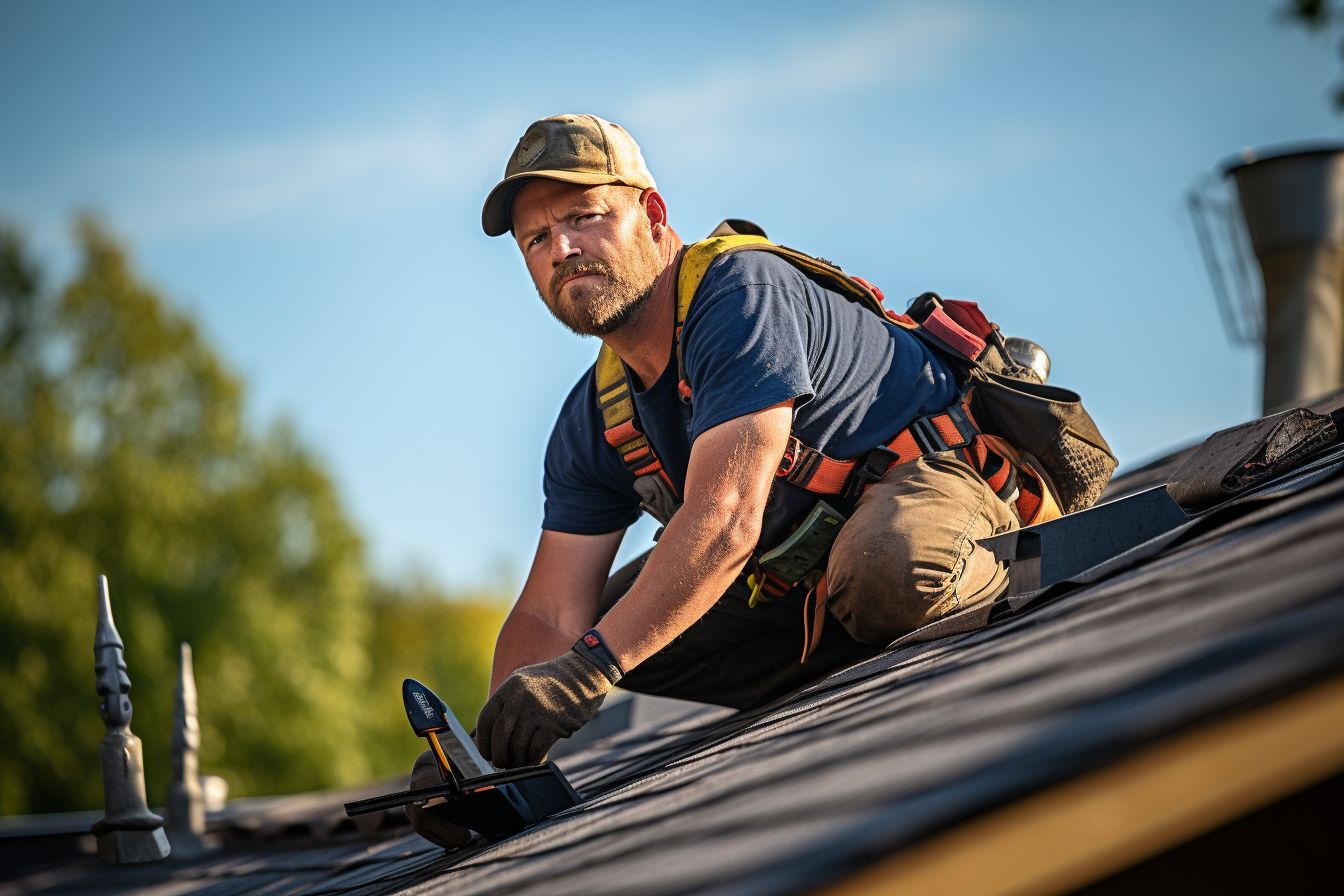
Replacing your roof is a significant project that requires careful planning and consideration. To ensure a successful roof replacement, it’s important to have a comprehensive guide that covers all the necessary steps.
First, consider the pitch of your roof and choose a roofing material suitable for its slope. Consider your budget and find a roofing material that fits within your financial constraints while still meeting your needs.
Also, please consider how long you want your new roof to last and select a material with the appropriate longevity. Please check the warranty on different roofing materials, as this can help you feel better.
By following these guidelines, you can confidently navigate the process of replacing your roof while making informed decisions.
How to Assess and Compare Roofers
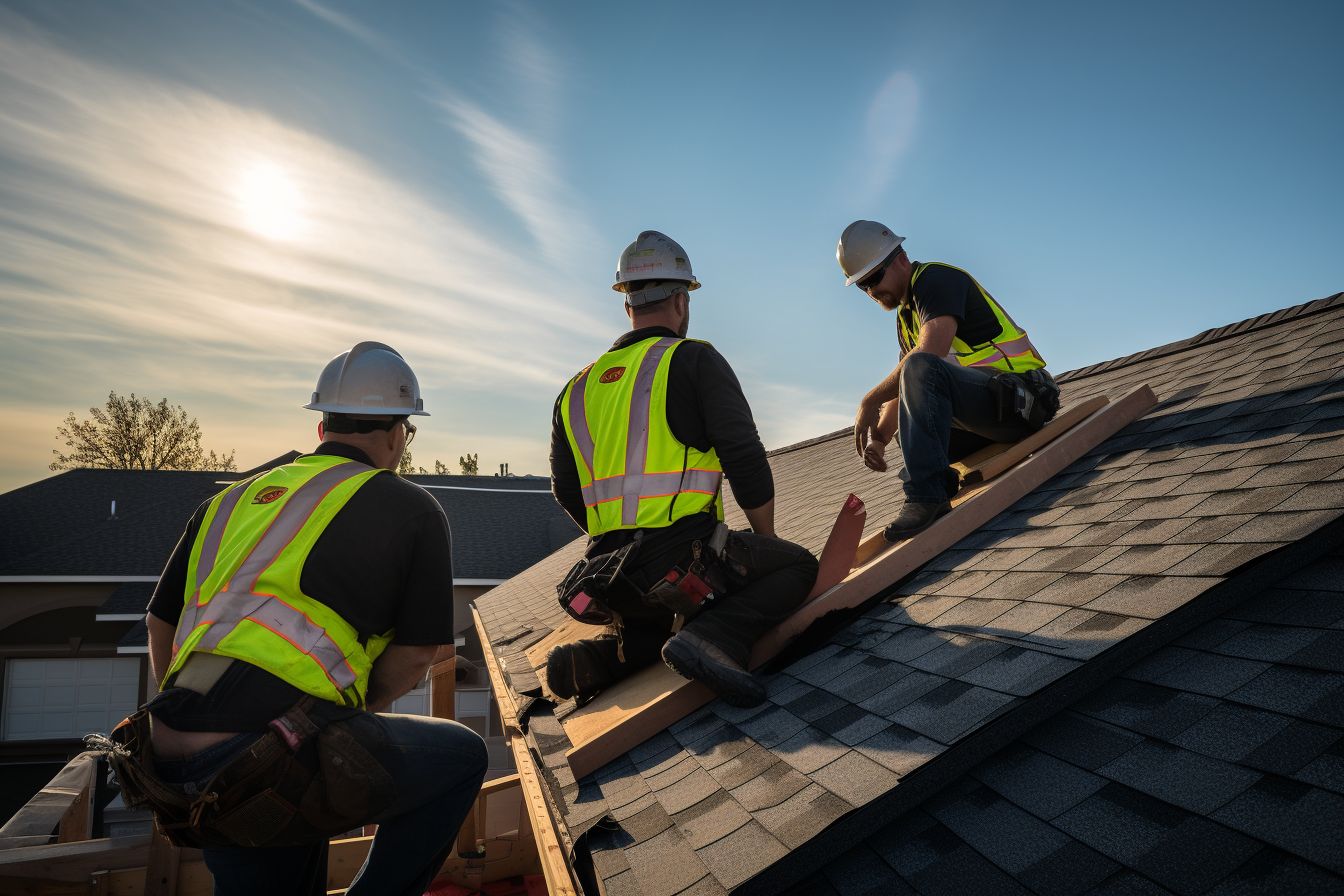 Assess and compare roofers by obtaining local references, checking for licenses and certifications, verifying insurance and bonding, and reviewing their portfolio of past work. Choose a reputable roofer who meets all requirements for your roofing project.
Obtain local references
To make sure you choose a reliable roofer for your replacement project, it is important to get local references. Local references provide valuable insights into how the roofer performs within your specific community and climate conditions.
Contacting these references, you can just ask about their experience and satisfaction with the roofer’s services. Checking for local references also helps guarantee that the roofer knows local building codes and regulations, ensuring compliance with the necessary standards.
So, you can take advantage of customer reviews, community recommendations, and reputation assessments when selecting a roofing professional in your area.
Could you check for licenses and certifications?
Hiring a roofing contractor without valid licenses and certifications can lead to subpar work and potential legal issues. Verifying their certification and insurance documentation is crucial when comparing roofers.
This ensures that they comply with local roofing regulations and have the necessary expertise to install materials properly. By selecting a qualified roofer with the right licenses and certifications, you can be confident in their ability to meet licensing requirements, use equipment effectively, and provide high-quality artistry.
Could you verify insurance and bonding?
Quality roofing contractors should have insurance and bonding to protect against accidents. This includes workers’ compensation insurance, which covers any injuries that may occur during the job, and general liability insurance to protect against any damage caused by the contractor.
Additionally, a surety bond is important to ensure the completion of the job as agreed upon in the contract. When choosing a roofer, checking for local and state licenses, proof of bonding, a Better Business Bureau rating, and active insurance coverage is crucial.
By verifying these important factors, you can have peace of mind knowing that you are working with a reputable and reliable roofing contractor who will provide quality crafts while also protecting your interests.
Review their portfolio of past work.
Examining a roofing company’s portfolio of past work is crucial when assessing and comparing potential roofers. Reviewing their previous projects gives you valuable insights into their capabilities and artistry.
You’ll be able to see the quality of their installations, the attention to detail in their craftsmanship, and if they have experience with different roofing materials. Evaluating roofers based on their portfolio allows you to judge the consistency and reliability of their work, giving you confidence in hiring them for your roof replacement project.
Remember that it’s not just about the quantity of projects showcased but also the values displayed through their completed work.
Analysing a roofer’s past work provides tangible evidence of what they can deliver. By scrutinising examples from various jobs, you can assess whether they align with your aesthetic preferences or match your desired style for your new roof.
This process enables you to compare different roofers objectively based on concrete evidence rather than relying solely on claims made during initial consultations. Additionally, examining portfolios can give you inspiration or ideas for your roofing project by showcasing innovative design solutions or highlighting specific roofing materials that might pique your interest.
Installation and Maintenance Considerations
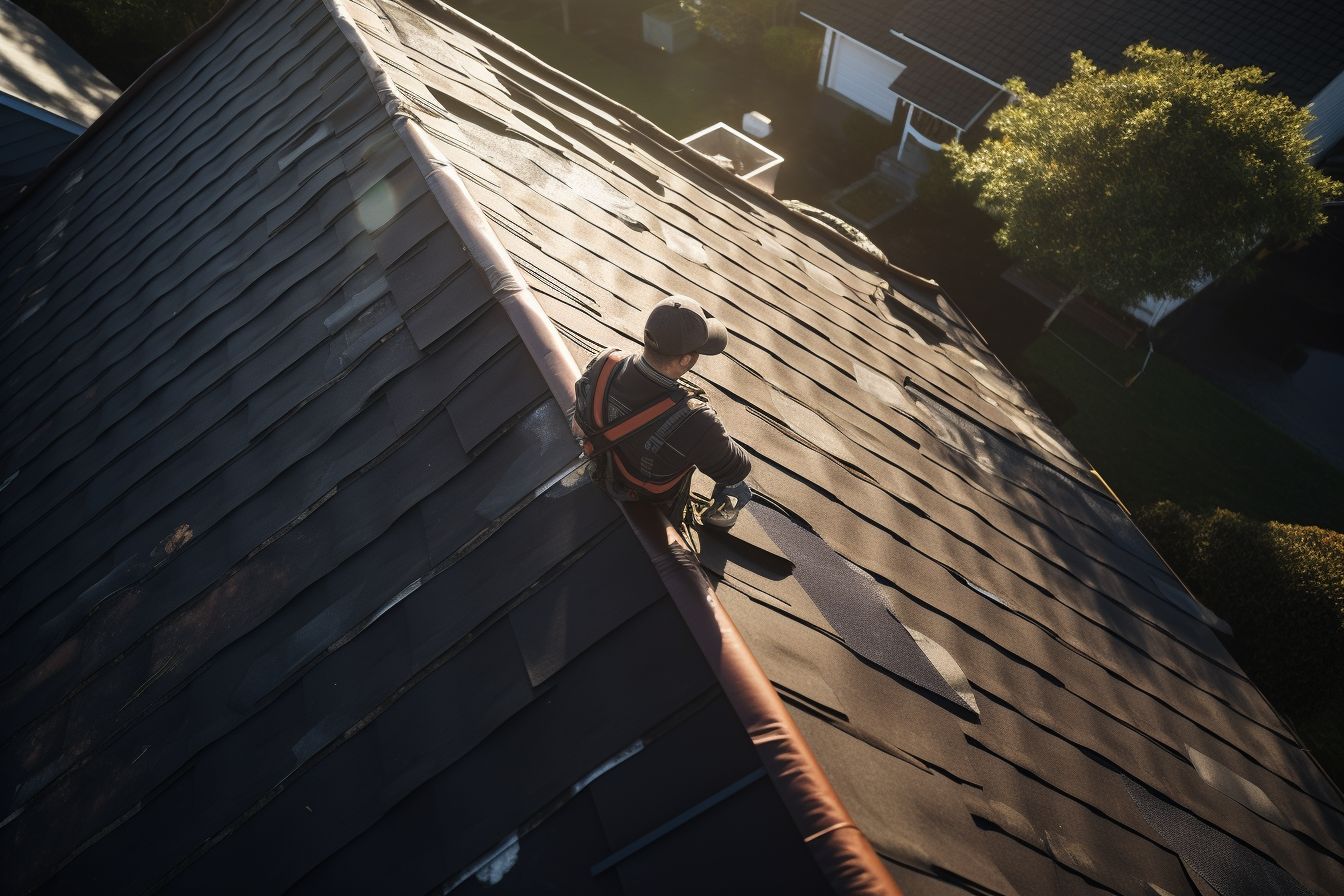
Consider the specific installation requirements for different roofing materials and their long-term maintenance needs to ensure you choose the right option for your home.
Installation requirements for different materials
Different roofing materials require specific installation to ensure a successful and long-lasting roof. Consider the following factors when installing various roofing materials:
- Asphalt roofing shingles:
- Use proper underlayment and ventilation.
- Follow the manufacturer’s instructions for nailing and overlapping.
- Seal any exposed nails.
- Metal roofing:
- Check for proper fastening to prevent wind uplift.
- Use appropriate flashing and underlayment.
- Ensure proper sealing of seams.
- Composite roofing shingles:
- Follow the manufacturer’s guidelines for installation.
- Use the correct number of fasteners per shingle.
- Properly overlap each row for waterproofing.
- Concrete and terra cotta roofing tiles:
- Install on a solid, reinforced roof structure.
- Use mortar or adhesive specified by the manufacturer.
- Pay attention to proper alignment and spacing.
- Cedar roofing shingles:
- Apply the correct weather exposure methods.
- Use stainless steel or hot-dipped galvanised nails.
- Maintain proper ventilation to prevent moisture buildup.
- Slate roofing shingles:
- Install on a robust roof structure designed to support its weight.
- Secure with non-corrosive copper nails or hooks.
- Ensure proper headlap and sidelap for weather resistance.
Long-term maintenance needs
To ensure the longevity of your roof, it is essential to address long-term maintenance needs. Regular roof inspections and timely repairs prevent small issues from becoming costly.
You can identify any damage or wear early on by conducting routine examinations and taking prompt action. Additionally, opting for high-quality roofing materials can contribute to affordable long-term maintenance.
For example, slate roofing is known for its durability and extended lifespan with proper care. Considering these long-term maintenance needs will help you avoid expensive complete roof replacements and instead focus on enhancing the performance and longevity of your roof.
Warranty options
Manufacturer warranties for roofing materials typically range from 10 to 50 years. These warranties cover the materials but not the labour charges for removing and disposing of failed materials.
It’s important to carefully review the terms and conditions of these warranties to understand what is covered and what is not. Also, when considering roof replacement, it’s essential to check if the roofing contractor has an artistry warranty.
This warranty should be at least ten years in duration. A common type of warranty for roof replacements is a no-dollar-limit (NDL) warranty. This type of warranty guarantees full replacement cost for a specific period, such as 10, 15, or 20 years, without any reduction in coverage over time (non-prorated).
Conclusion
Choosing the right roofing material for replacement is a crucial decision that requires careful consideration. Cost, durability, style, climate suitability, and maintenance requirements should all be considered.
Consulting with a professional can provide valuable guidance to help you make an informed choice that meets your needs and preferences. Please take your time with this decision – take the time to research and evaluate different materials before making your final choice.
Your new roof will protect your home and enhance its appearance and value.
FAQs
1. What factors should I consider when picking roofing material for replacement?
When picking roofing material for replacement, you should consider factors such as durability, cost, energy efficiency, and the style of your home.
2. Can I choose any type of roofing material for my home?
No, the choice of roofing material depends on the slope of your roof, local climate conditions, and building codes in your area.
3. How do I determine the durability of a roofing material?
The durability of a roofing material can be determined by its resistance to weather elements like wind, rain, hail, and UV rays.
4. Is hiring a professional to install the new roof is necessary?
Hiring a professional roofer with experience installing different roof types is recommended to ensure proper installation and minimise potential issues.
5. Are there any eco-friendly options available for roofing materials?
Yes, eco-friendly options are available, such as metal roofs made from recycled materials or shingles made from sustainable resources like bamboo or wood fibre composite.