
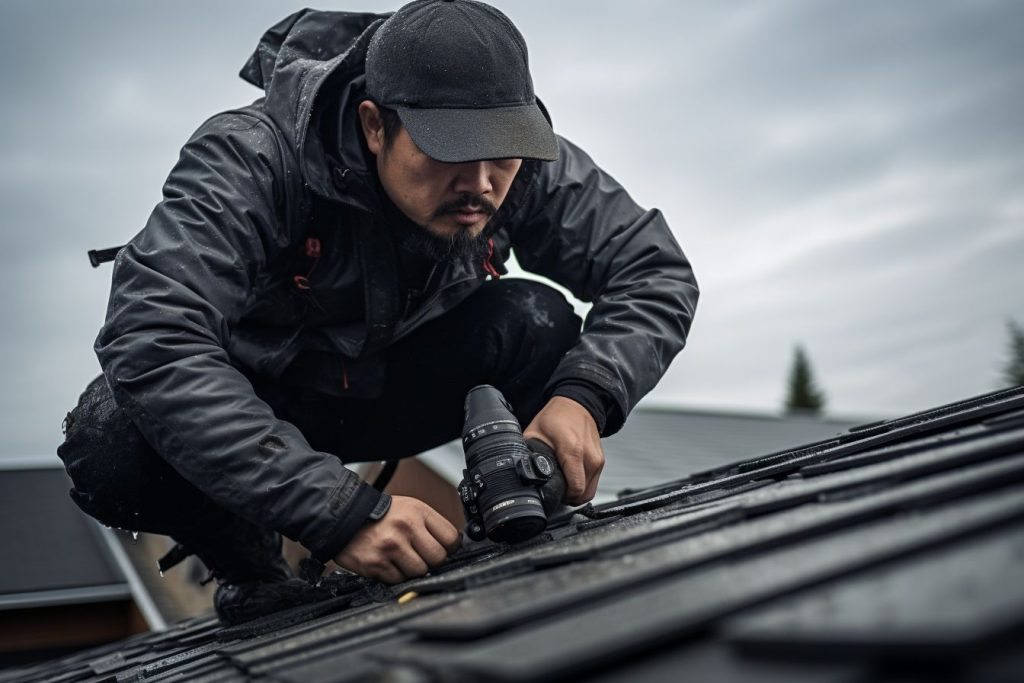
Is your roof weatherproof enough to withstand harsh climate conditions? Many homeowners underestimate the impact of elements like wind, rain, and sun on their roofing system. In this blog post, we delve into how weather conditions affect roof waterproofing and suggest preventive measures to prolong your roof’s lifespan.
So get ready for some enlightening insights as we explore why it pays to be one step ahead with your roofing solutions!
Key Takeaways
- Weather conditions such as heavy rains, high winds, hail storms, and snow can all impact roof waterproofing and lead to leaks and degradation of roofing materials.
- Proper maintenance and regular inspections by professionals can help minimize damage severity caused by harsh weather elements and prolong the lifespan of your roof.
- Sun exposure, temperature fluctuations, humidity, hail storms, and gutter problems are some weather effects on roofing materials that can compromise roof waterproofing. It’s essential to address these issues promptly to prevent further damage.
The Ultimate Guide to Roof Waterproofing: What You Need to Know
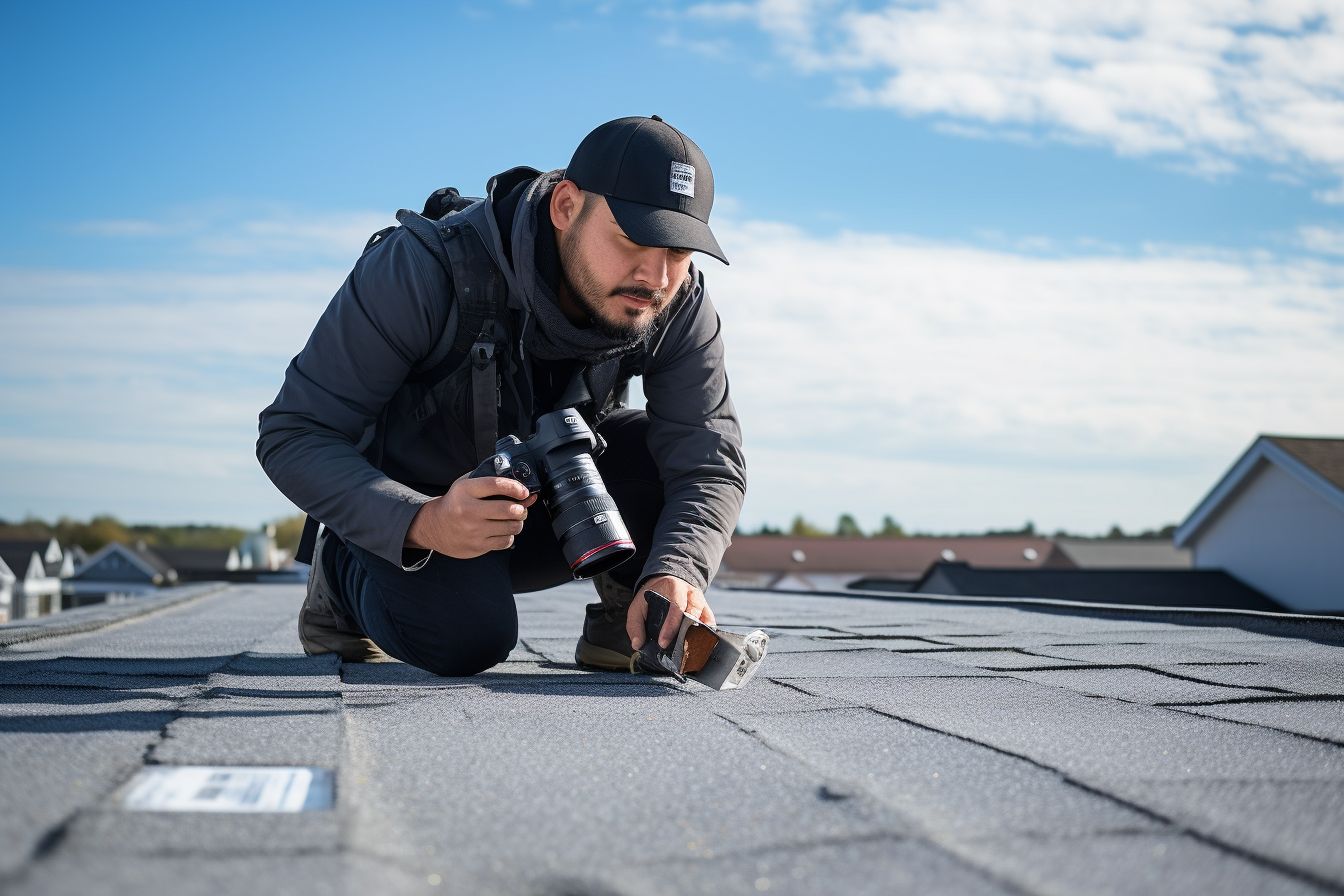
Waterproofing your roof is an essential step in building maintenance. It protects the roof and preserves the entire structure of your home or commercial facility by preventing water damage.
The guide covers all aspects of terrace and roof waterproofing solutions to ensure a dry and safe environment.
Investment in roof waterproofing provides long-term savings, especially on concrete house roofs, which are notoriously prone to leaks if left untreated. The guide offers a comprehensive 6-step process for this task, guaranteeing maximum protection against moisture infiltration.
This process promotes the longevity of roofing materials and thus reduces potential repair costs.
Seamless roofing is another noteworthy topic covered in the guide. It brings several benefits, such as strong durability, versatility in design options, and excellent waterproofing capabilities due to the absence of seams where water could seep through.
Moreover, cool roofs will catch your attention as they reflect sunlight, lowering indoor temperature and reducing energy consumption.
Ensure you engage professionals for your roof’s assessment of weather damage and routine maintenance tasks. They will apply their expertise to prolong its lifespan while protecting it against harsh weather elements effectively.
How Weather Conditions Impact Roof Waterproofing
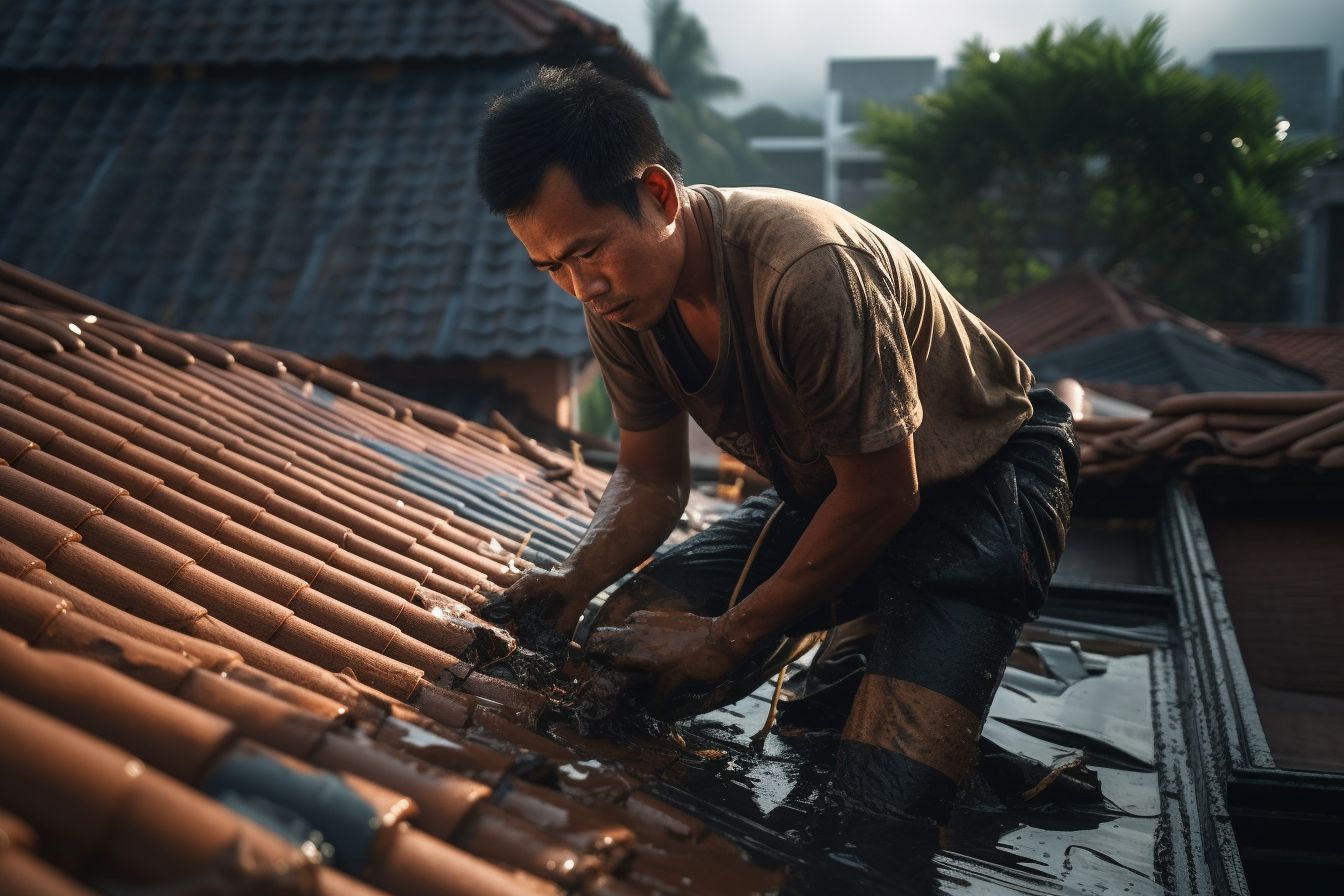
Weather conditions significantly impact roof waterproofing, particularly during heavy rains, high winds, hail storms, and snow or ice events.
Heavy rains
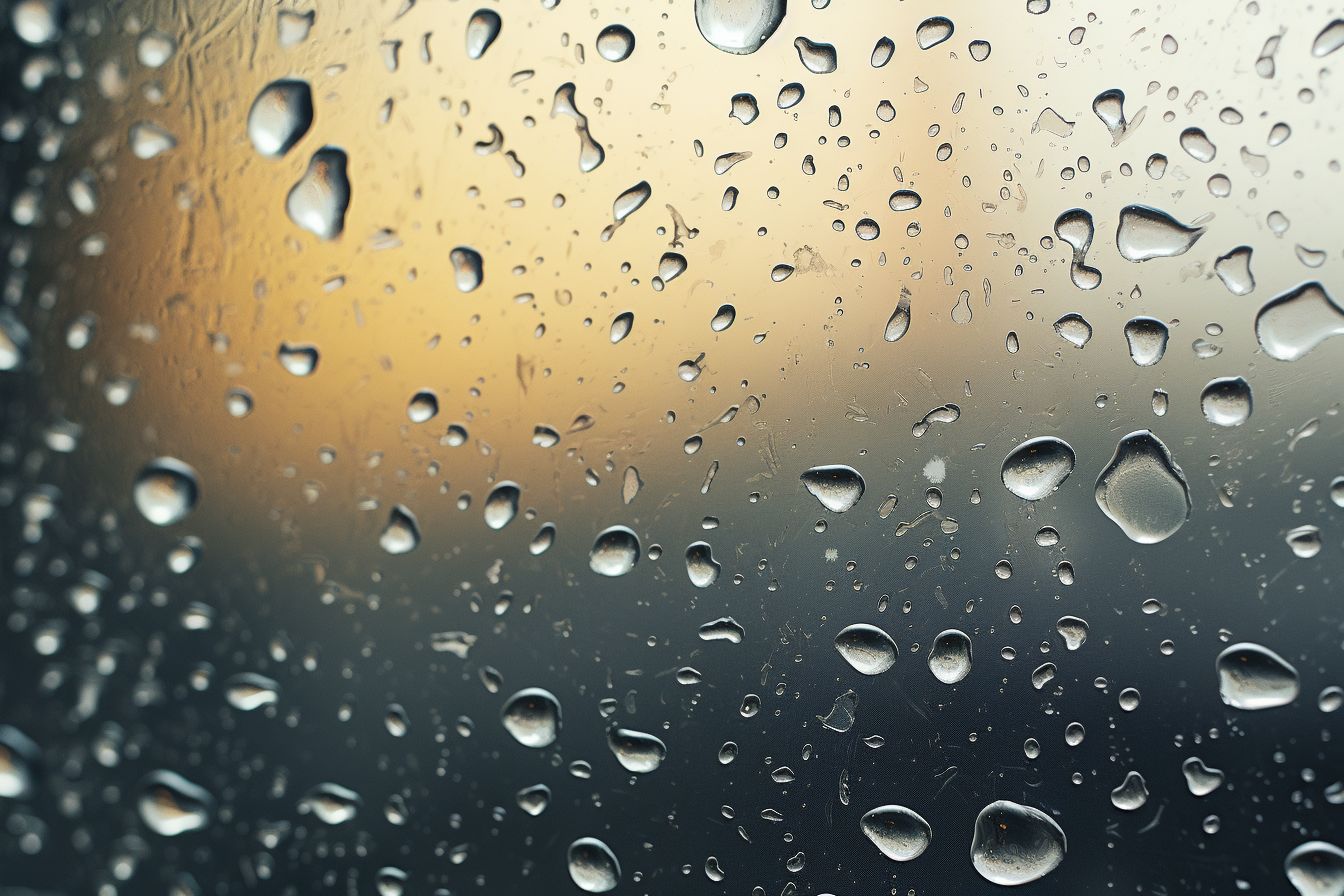
Heavy rains pose a significant threat to roofs. The onslaught of water from these weather events can lead to leaks, ponding water, and degradation of roofing materials.
This precipitation often finds its way into tiny cracks or gaps in your roof’s surface. Over time, this penetration can cause your once-solid roof to weaken and give way.
Roof maintenance becomes crucial during periods of torrential rainfall. Employing waterproofing solutions is an effective measure against potential water damage due to heavy rainstorms.
While no amount of preparation can entirely prevent the effects of severe weather conditions, regular upkeep helps minimize damage severity and aids in prolonging the lifespan of your rooftop considerably.
High winds
High winds pose a serious threat to roof waterproofing. These windstorms can pack immense force, strong enough to tear off shingles or damage the waterproofing membrane designed to protect your home from leaks.
Over time, constant exposure to such winds leads to more frequent roofing repairs and significantly impacts the overall health and lifespan of your roof. Furthermore, climate change intensifies these wind gusts, causing greater uplift on rooftops due to drops in air pressure from incoming currents.
The mixture of high-speed winds with weather elements like rain and hail amplifies the potential for severe roofing damage. Regular maintenance can help mitigate these risks by promptly addressing and repairing any storm-related damage before it exacerbates into a bigger problem.
Hail storms
Hail storms can have a significant impact on roof waterproofing. These severe weather events can cause damage to roofing materials over time, compromising their ability to protect against moisture.
Low-slope roofs are particularly vulnerable to hail damage, as the gradient makes them more susceptible to impacts. In addition, hail storms can also compromise the fireproofing of roofing systems, putting the entire structure at risk.
The forceful impact of hailstones can lead to moisture pooling and long-term leaks, further weakening the waterproofing capabilities of the roof. Homeowners and property owners must be aware of these risks and take necessary measures to assess and repair any damage caused by hail storms to maintain a secure and leak-free roof.
Snow, sleet, and ice
Snow, sleet, and ice can wreak havoc on roof waterproofing. Accumulating snowfalls and severe ice buildup pose a particular threat to roofs, especially older ones. In cold climates, winter storms with heavy snowfall and freezing rain can cause serious damage to both the roof and siding.
Roofing consultants strongly recommend protecting your roof from these moisture-laden elements. Proper insulation, regular maintenance, and prompt repairs are essential in ensuring that your roof stays intact and keeps out the damaging effects of snow, sleet, and ice.
Don’t underestimate the potential harm that winter weather can bring – take proactive measures to safeguard your home’s most important defense against the elements.
The Effects of Weather on Roofing Materials
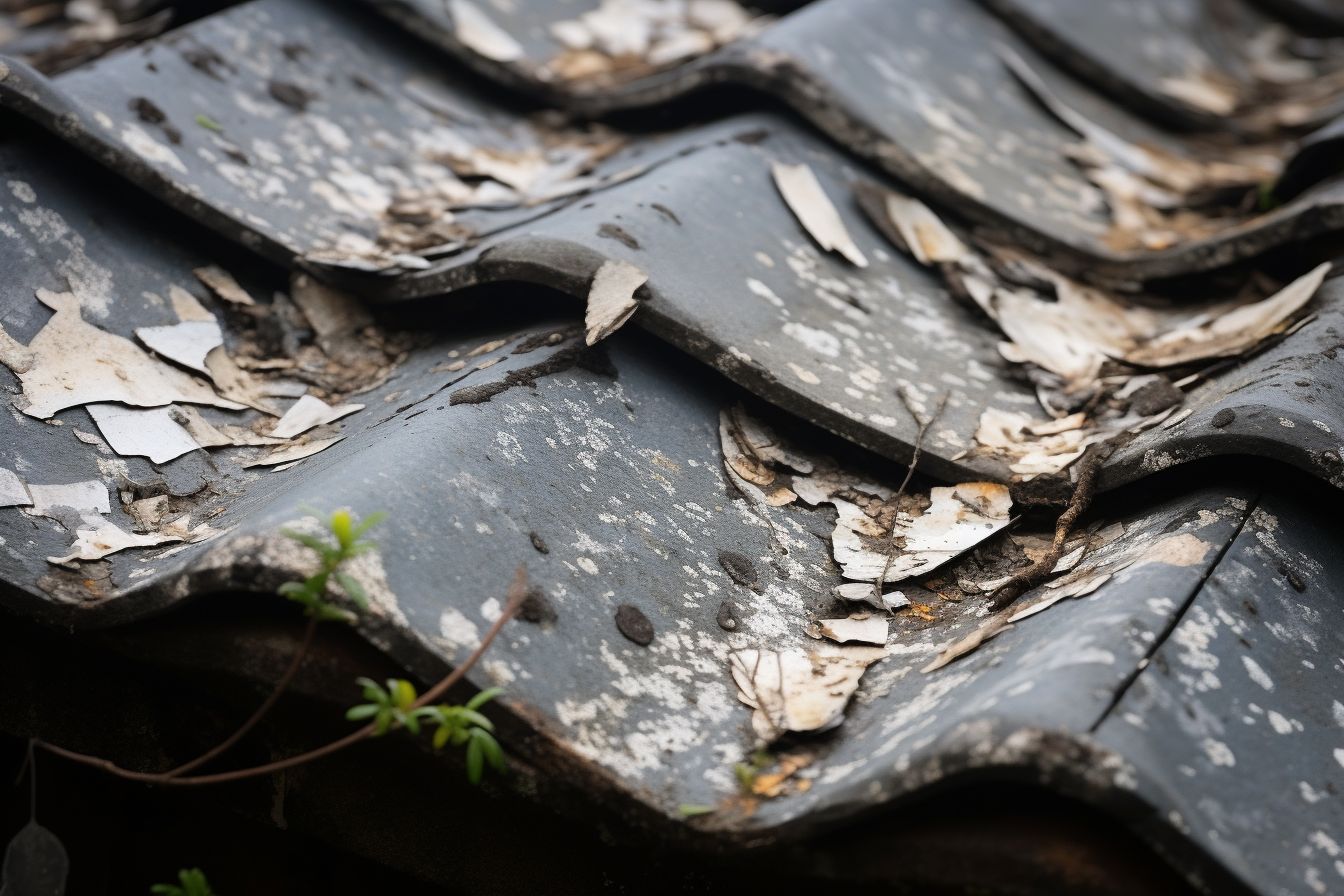
Weather conditions like sun exposure, temperature fluctuations, humidity, and hail storms can cause shingle and gutter problems.
Sun exposure
UV radiation from the sun can cause significant damage to roofing materials over time. Prolonged exposure to sunlight can lead to shingles cracking and warping, reducing their effectiveness in protecting your home from water infiltration.
Additionally, extreme heat and thermal shock, combined with UV rays, can further weaken the integrity of roofs. It is important to note that white roofing products with high reflectivity help keep roofs cooler by reflecting 60-90% of sunlight.
By minimizing sun exposure and its damaging effects, you can prolong the lifespan of your roof and ensure proper protection against weather elements.
Temperature fluctuations
Extreme temperature fluctuations can have a significant impact on the condition of your roof. When temperatures fluctuate between extreme cold and heat, it can cause roofing materials to expand and contract.
This constant movement stresses the roof, leading to cracks, leaks, and other damage. Additionally, freezing water during temperature drops can cause cracks or weak spots in the roof to expand further, exacerbating any existing issues.
It’s essential to address these temperature-induced problems promptly to prevent further deterioration and protect your roof from weather-related damage.
Humidity
Excessive humidity can have a detrimental effect on the performance and longevity of a roof. In humid climates, the upper portion of insulation in a built-up roof may contain higher moisture content.
This moisture, caused by humidity, can lead to rot and decay of the wood components in the roofing structure. Additionally, insulation materials can degrade when exposed to excessive humidity.
Not only does excessive humidity affect the structural integrity of the roof, but it can also have negative consequences for the indoor environment of a building.
Shingle issues
Shingle issues can arise due to weather conditions, causing problems with roof waterproofing. The sun’s rays can make shingles brittle and lead to cracking, while constant heat can cause roofing materials to expand and contract, resulting in damage.
UV rays also contribute to the deterioration of roofing materials over time. Additionally, hail storms pose a significant risk as they can cause direct damage to shingles and other roofing components.
It’s important to address these shingle issues promptly to prevent further roof damage and maintain effective waterproofing.
Gutter problems
Heavy rainfall and strong windstorms can lead to gutter problems that can cause significant damage to your roof. Improperly fixed gutters may become detached or disfigured, resulting in water not being properly directed away from your home’s foundation.
This can lead to water leaks, structural damage, and soil erosion around your property. It is essential to ensure that your gutters are securely attached and debris-free to prevent these issues.
Regular maintenance and repairs by professionals can help keep your gutters functioning effectively and protect your roof from further damage caused by gutter problems.
Importance of Hiring Professionals for Roof Waterproofing
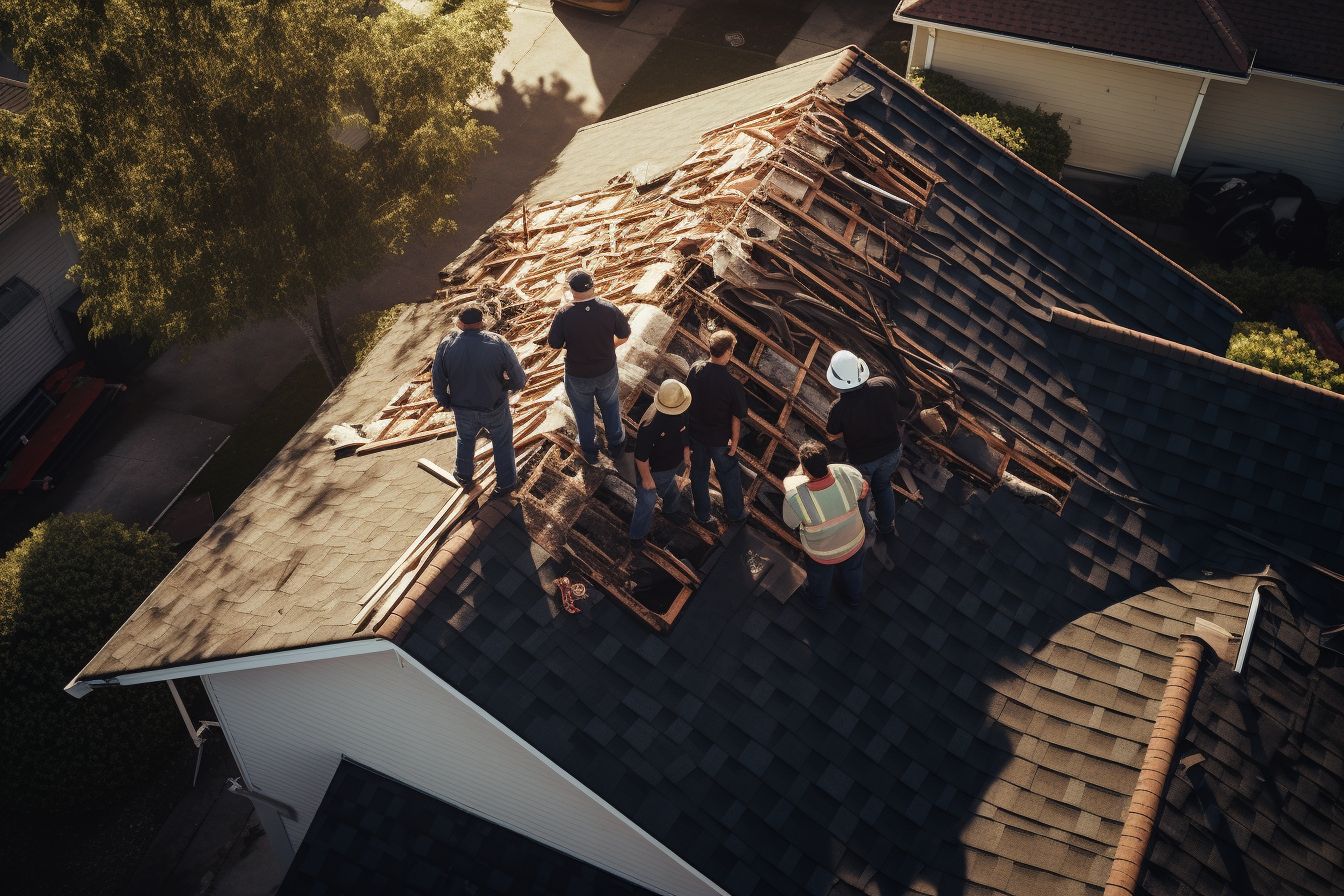
Hiring professionals for roof waterproofing ensures expert assessment of weather damage and provides maintenance and repair solutions to prolong the lifespan of your roof while ensuring proper protection against weather elements.
Expert assessment of weather damage
Hiring professionals for roof waterproofing is crucial for expert assessment of weather damage. Weather-related storms and harsh conditions can cause significant damage to roofs, such as dents, cracks, and movement.
By hiring roofing experts, they can accurately assess the extent of the damage caused by bad weather and provide effective solutions for repairs. Their expertise allows them to identify signs of damage that may not be visible to the untrained eye, ensuring that all necessary repairs are addressed promptly.
With their help, you can protect your roof from further harm and extend its lifespan by addressing weather-related issues promptly.
Maintenance and repair solutions
Hiring professionals for roof waterproofing can help reduce maintenance costs over time. Here are some maintenance and repair solutions to consider:
- Regular inspections: Schedule routine inspections by waterproofing contractors to identify any potential issues and address them promptly.
- Cleaning gutters: Clear out leaves, debris, and other obstructions from the gutters to prevent water buildup and ensure proper drainage.
- Fixing leaks promptly: If you notice any signs of a roof leak, such as water stains or damp spots on the ceiling, hire roof repair services immediately to prevent further damage.
- Resealing vulnerable areas: Check for cracks or gaps around vents, chimneys, skylights, and other penetration points on your roof. Seal these areas properly to prevent water infiltration.
- Maintenance of roofing materials: Regularly inspect and maintain roofing materials like shingles, tiles, or membrane systems to ensure their durability and effectiveness in preventing water penetration.
- Proper insulation: Adequate insulation helps regulate temperature variations on your roof, reducing the risk of cracks or damage caused by expansion and contraction.
Prolonging the lifespan of your roof
Hiring professionals for roof waterproofing is crucial in extending the lifespan of your roof. By getting expert assessment and maintenance solutions, you can ensure that your roof remains in top condition to withstand various weather elements.
With regular inspections, repairs, and quality roofing materials, you can prevent leaks and further deterioration caused by sun exposure, temperature fluctuations, humidity, shingle issues, and gutter problems.
Taking these proactive steps will protect your home and save you money in costly repairs down the line.
Ensuring proper protection against weather elements
Proper protection against weather elements is essential for keeping your roof in optimal condition. Weatherproofing measures such as moisture protection, water resistance, and leak prevention are crucial to prevent water damage caused by heavy rainfall, snow accumulation, and harsh UV rays.
Hiring professionals for roof waterproofing ensures that your roof receives the necessary treatment to withstand various weather conditions and prolong its lifespan. With their expert assessment of weather damage and maintenance solutions, you can trust that your roof will provide effective protection against the elements and preserve the integrity of your building.
Conclusion
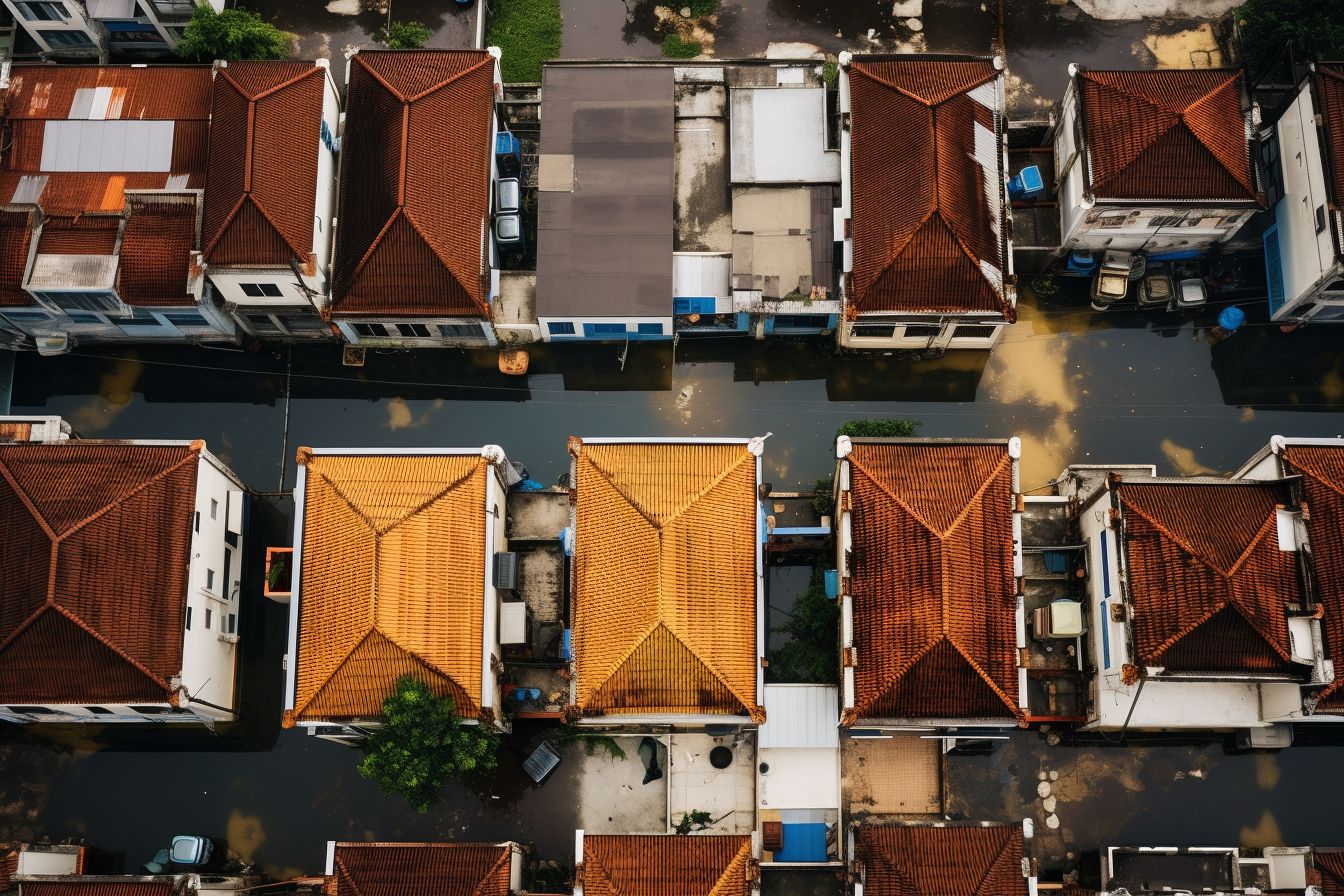
Weather conditions have a significant impact on the effectiveness of roof waterproofing. From heavy rains and high winds to hail storms and snow, different weather elements can challenge the durability and longevity of roofs.
Hiring professionals for regular maintenance and repair solutions ensures your roof is protected against all weather conditions and maximizes its lifespan. Don’t neglect the importance of proper waterproofing techniques in safeguarding your home from potential damage caused by unpredictable weather events.
FAQs
1. How does weather affect roof waterproofing?
Weather can impact roof waterproofing by causing damage to the protective layers, such as heavy rain or hail can create cracks or tears in the material.
2. Can extreme temperatures affect roof waterproofing?
Yes, extreme temperatures can expand and contract roofing materials, leading to potential leaks when the integrity of the waterproofing layer is compromised.
3. What are some signs that the weather has damaged my roof’s waterproofing?
Some signs of weather damage to a roof’s waterproofing include water stains on ceilings or walls, peeling paint, mold or mildew growth, and visible cracks or gaps in the roofing material.
4. How often should I inspect my roof for potential weather-related damage?
It is recommended to inspect your roof at least twice a year – once before winter and once before summer – to ensure any potential issues with the waterproofing are addressed promptly.
5. Can I fix weather-related damage to my roof’s waterproofing myself?
While minor repairs like patching small holes may be possible for DIY enthusiasts, it is generally best and safer to consult a professional roofing contractor for any significant repairs related to weather-damaged roof waterproofing.