

Are you feeling the pinch of escalating energy bills? Did you know poor insulation could cause a whopping 25% – 30% energy loss, inevitably pushing up your heating or cooling costs? This blog post will shed light on roof insulation’s vital role in enhancing thermal efficiency and helping keep your much-deserved money in your pocket.
Ready to explore how proper roof insulation can transform your home into an inviting oasis while cutting emissions and saving the planet?
Key Takeaways
- Roof insulation reduces energy loss and lowers heating or cooling costs.
- Proper roof insulation prevents mould growth and protects against moisture-related issues.
- Insulating your roof contributes to sustainability by reducing carbon footprint and conserving natural resources.
- Professional roof insulation installation prevents ice-damming mould growth and ensures optimal energy efficiency.
Understanding Roofing: An Ultimate Guide
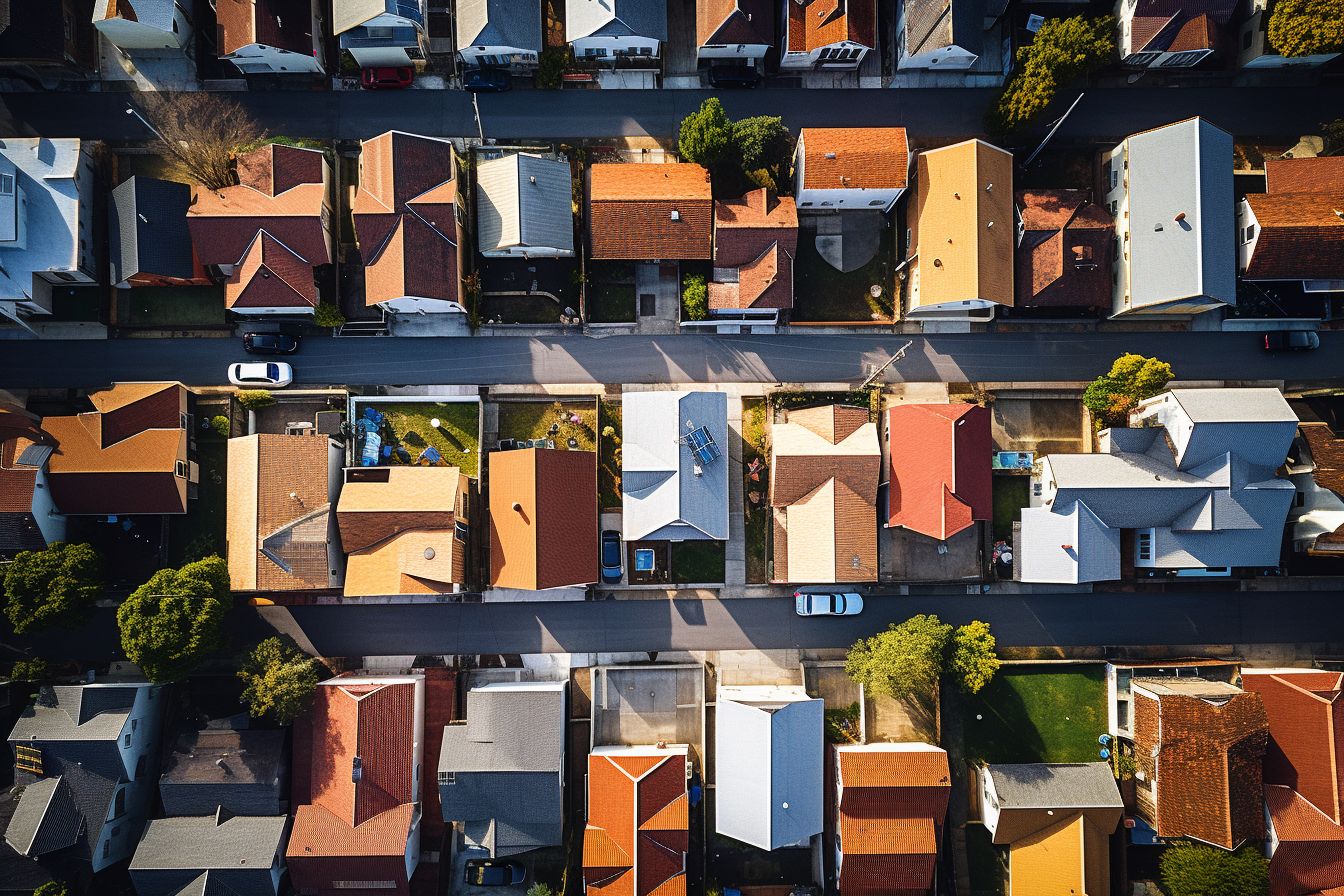
Roofing refers to the process of constructing the uppermost part of a building that serves as its protection against various elements. Roofs come in different designs and are built with varied materials to cater for various aspects, including aesthetics, resilience against weather conditions and energy efficiency.
Insulation is one of these significant roof components in creating an energy-efficient home by blocking heat transfer.
Insulation integrates into roof systems differently, depending on the type; some are installed just beneath the roof covering, while others are spread inside attic spaces or across floorboards.
The right roofing material can help bounce back sun rays, effectively reducing heat buildup within your home. This whole concept contributes significantly to maintaining comfortable internal temperatures and avoiding excess utility costs – poorly insulated roofs can hike your energy bills by up to 15%.
Moreover, quality insulation protects your structure from potential moisture issues caused by excessive attic heat leading to condensation – another preventive measure informing our ultimate understanding of roofing basics.
Benefits of Roof Insulation

Roof insulation provides energy and cost savings, long-term prevention and resistance, sustainability and reduced carbon footprint, as well as prevention of mould growth.
Energy and cost savings
Roof insulation stands as a significant player when it comes to accomplishing energy and cost savings. Depending on the season, it effectively keeps the heat or cold inside your home.
This reduction in temperature fluctuation decreases your dependence on continuous heating or air conditioning systems, ultimately reflecting positively on your utility bills.
A well-insulated roof aids in sealing off air leaks considered one of the most cost-effective ways to boost energy efficiency while simultaneously enhancing home comfort. High-reflectivity cool roofs also bring about space conditioning energy savings by reducing the need for constant air conditioning during warmer months, driving down overall electricity consumption and related costs.
Hence, roof insulation promotes environmental responsibility and provides substantial financial benefits.
Long-term prevention and resistance
Insulation plays a dual role in your roof’s long-term prevention and resistance. First, it acts as a barrier that resists the formation of ice dams, effectively minimising leak-related damages.
Roof durability also becomes less of an issue with proper insulation in place. That’s not all; quality roof insulation helps maintain consistent indoor temperatures by preventing heat loss.
This thermal insulation feature is crucial for energy conservation, ultimately leading to significant savings on heating costs during chilly winter and cooling expenses when summer peaks.
Plus, reduced reliance on HVAC systems means you’re actively contributing to carbon footprint reduction while enjoying the comfort of stable temperatures at home.
Sustainability and reduced carbon footprint
Insulating your roof significantly contributes to sustainability and a reduced carbon footprint. It’s a critical element in green building strategies as it helps limit the energy needed for heating or cooling, thus conserving natural resources.
An insulated roof doesn’t just help you cut down on energy costs; it can also lower greenhouse gas emissions. A well-insulated home needs less fuel to heat up or cool down, which means fewer harmful gases are released into our environment from burning fossil fuels.
By switching to eco-friendly insulation materials, we further lessen environmental degradation while promoting health and comfort within our homes. Cool roofs offer an effective solution by reducing air conditioning demands, decreasing energy bills and contributing positively towards climate change mitigation efforts.
Prevention of mold growth
Roof insulation plays a crucial role in preventing mould growth. Mold thrives in damp, dark environments, and moisture encourages its proliferation. To combat this, establishing effective moisture control is essential, and this is where roof insulation comes into play.
It provides an efficient barrier against condensation by maintaining balanced temperature levels within your home or building premises. Furthermore, controlling humidity levels helps to maintain good air quality, reducing health risks associated with mould and mildew exposure.
Enhancing ventilation prevents dampness from accumulating on surfaces, further stimulating mould development. Poorly installed insulation assists mould formation due to the creation of cold spots; thus, professional installation mitigates such issues for a safer environment.
Remember: A properly insulated roof also contributes to overall energy efficiency – another reason why prioritising high-quality roofing insulation should be on every homeowner’s agenda!
The Role of Roof Insulation
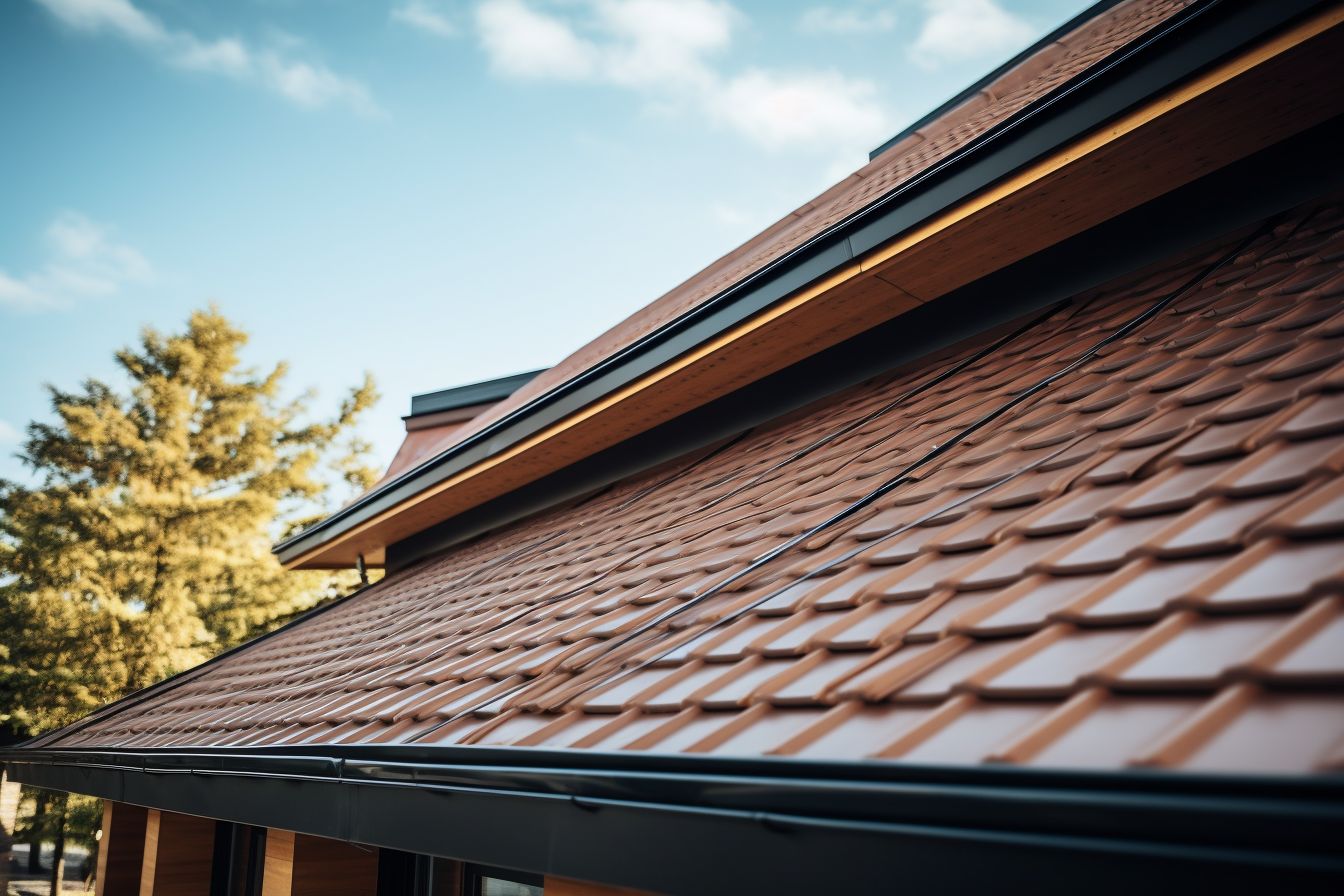
Roof insulation serves as a heat barrier, conserving the desired temperature within your building. It safeguards against excessive cold and sweltering summer heat by limiting heat transfer between the outer roof surface and the interior roof deck.
This capability enables steady temperature control, ensuring energy efficiency.
The central role of good roof insulation lies in its capacity to reduce energy loss drastically. As it restricts unwelcome shifts in interior temperatures, we witness less dependency on external heating or cooling systems such as air conditioners or heaters that consume high power levels.
So, incorporating proper roofing insulation goes beyond maintaining indoor comfort; it significantly cuts down on energy consumption, too! Additionally, this efficient solution forms a part of sustainable building design due to its major contribution towards minimising carbon footprint.
Types of Roof Insulation
Various types of roof insulation are available, including those that focus on heat retention, heat prevention, energy savings, and added protection.
Heat retention
Roof insulation materials remarkably enhance heat retention. They use the concept of thermal conduction to prevent and resist heat transfer, improving overall energy efficiency in buildings.
The R-value is a measure that contributes significantly to this process, indicating how effective the insulation material is against heat loss. When most of the building’s warmth escapes through its roof, correctly chosen and installed insulation can dramatically reduce heating costs by retaining more of this warmth within the structure.
Besides savings on energy bills, improved heat retention also helps maintain comfortable indoor temperatures during colder seasons without over-reliance on heating systems. Thus, understanding thermal performance and making smart choices about your roofing system can lead to notable benefits in terms of comfort and cost-efficiency.
Heat prevention
Heat prevention is a crucial aspect of roof insulation. Heat transfer can be significantly reduced by using the right type of insulation, leading to a cooler and more comfortable indoor environment.
Cool roofs with high thermal emittance are especially effective in shedding heat and reducing summer heat gain, resulting in lower cooling costs. Additionally, radiant barriers installed in attics can further minimise heat buildup.
Adequate thermal insulation also plays a role in preventing radiative losses during colder months and lowering interior surface temperatures. With the implementation of heat prevention strategies, such as cool roofs and radiant barriers, homeowners can enjoy energy savings while mitigating urban heat island effects and promoting sustainable design practices.
Energy savings
Investing in roof insulation can lead to significant energy savings. Using the correct insulation can reduce your energy consumption by 12% to 14%. This means lower heating and cooling costs, resulting in long-term savings for homeowners.
In addition to reducing utility bills, proper roof insulation helps with climate control by preventing heat transmission during hot summers and retaining warmth during colder months.
With improved thermal insulation, you can create a more comfortable indoor environment while reducing your environmental impact and carbon footprint. Overall, roof insulation is an effective way to save energy and enhance the efficiency of your home.
Added protection
Insulating the roof provides added protection to the building. It is a barrier against various elements, such as extreme weather, fire, and moisture. For commercial roofs, choosing insulation that can withstand impacts from hail, debris, and falling objects is important.
This ensures the longevity and durability of the roof while safeguarding the structure underneath. With properly engineered insulation, you can have peace of mind knowing that your building is well-protected.
Importance of Professional Roof Insulation Installation
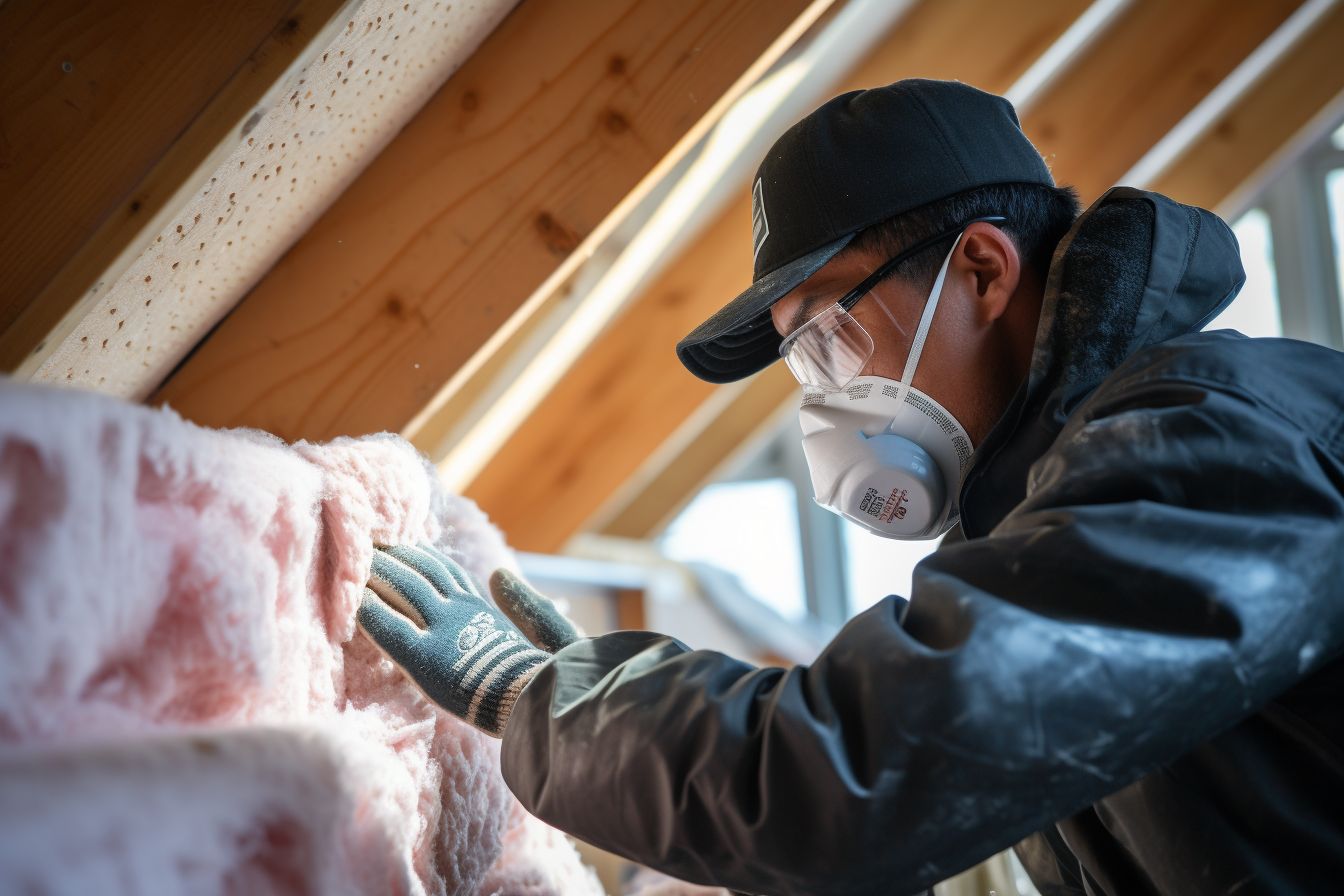
Professional roof insulation installation is of utmost importance when it comes to ensuring the efficiency and longevity of a roof. By having insulation installed by professionals, you can prevent issues such as ice damming and roof leaks.
Ice dams occur when heat escapes from the building’s interior and melts snow on the roof, refreezing near the edges, causing water to back up under shingles and potentially lead to leaks.
With proper insulation, this risk is significantly reduced.
Moreover, professional installation ensures that your roof insulation is mold-resistant. Mould thrives in damp environments and can cause occupants health problems while damaging structures over time.
By having professionals install your roof insulation, you are taking an important step towards protecting the building from mould growth.
Additionally, professional installation guarantees that the insulation is properly installed without gaps or voids. This ensures optimal thermal efficiency in regulating internal temperature and reducing energy consumption.
Not only does this result in cost savings for heating and cooling expenses, but it also improves the overall energy efficiency of the building.
In summary, professional roof insulation installation is crucial in preventing ice damming, protecting against mould growth, optimising energy consumption reduction efforts, and enhancing overall comfort within buildings.
It is an investment that pays off in terms of long-term maintenance costs and environmental sustainability.
Conclusion
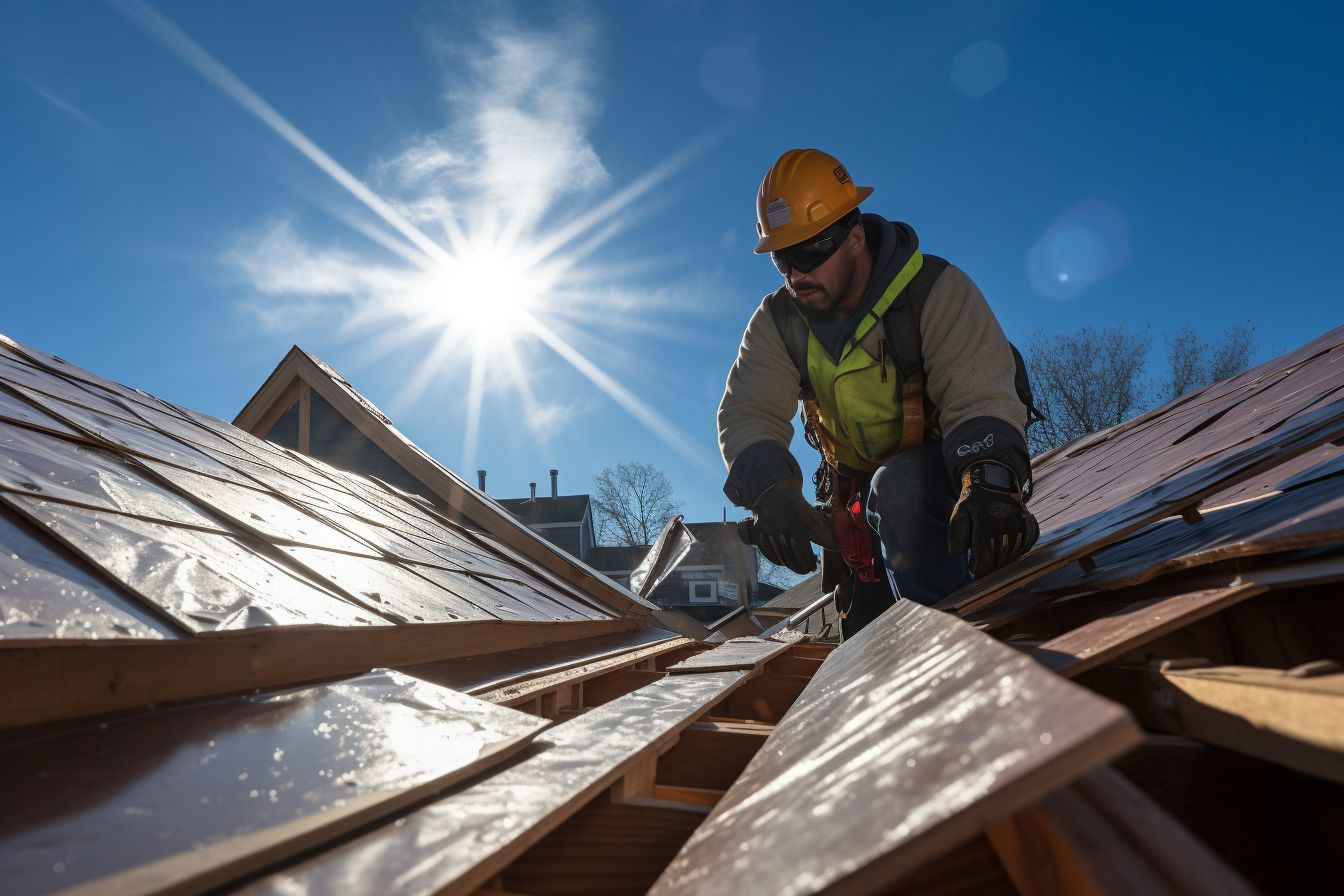
Roof insulation is essential for maintaining energy efficiency and cost savings in buildings. It acts as a barrier to heat loss and gain, reducing the need for excessive energy consumption.
Roof insulation enhances indoor comfort and promotes sustainability by preventing cold or heat loss. Don’t overlook the importance of professional installation to ensure optimal results.
FAQs
1. Why is roof insulation important?
Roof insulation is important because it helps to regulate the temperature inside your home, keeping it cooler in summer and warmer in winter.
2. How does roof insulation work?
Roof insulation reduces heat transfer through the roof by reflecting radiant heat or trapping air within its fibres to provide thermal resistance.
3. Can I install roof insulation myself?
You can install roof insulation yourself if you have the necessary DIY skills and knowledge. However, consulting a professional for the best results is always recommended.
4. What are the benefits of having good roof insulation?
Good roof insulation can lead to lower energy bills and improved comfort levels within your home throughout the year.
5. Are there different types of roof insulation available?
Yes, different types of roof insulation are available, such as fibreglass batts, spray foam, and reflective foil sheets, each with unique advantages and characteristics.