
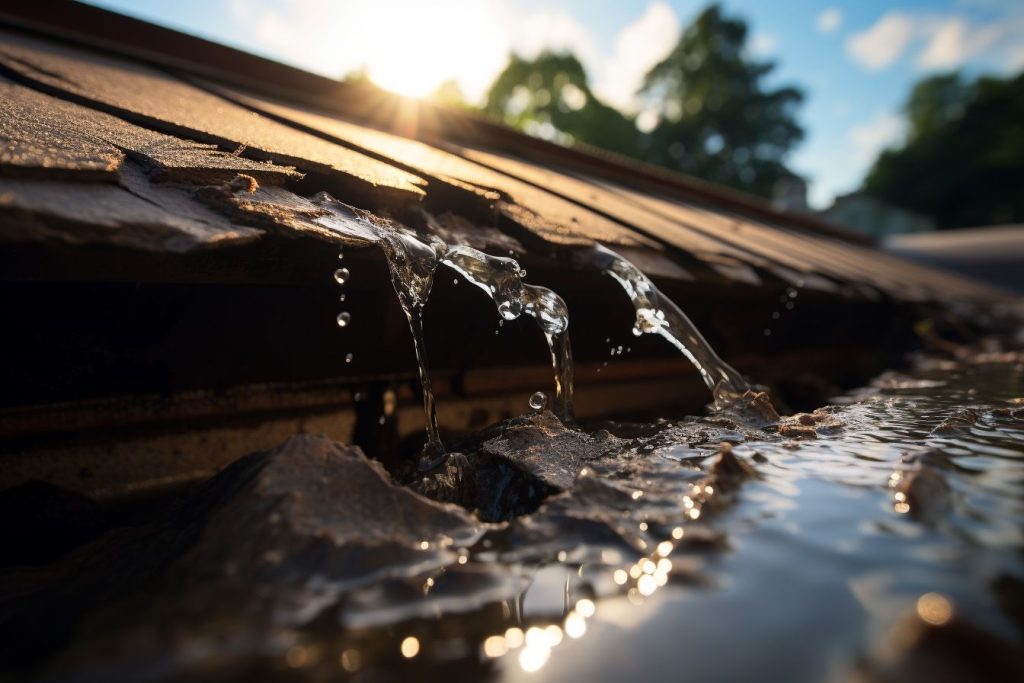
Are you ignoring your ageing or damaged roof? You might not know it, but doing so can lead to serious issues such as water damage and increased utility bills. This article will guide you through the dangers of delaying a roof replacement and provide tips on maintaining your roof’s health.
Keep reading to protect your home and pocket from unnecessary headaches!
Key Takeaways
- Delaying roof replacement can lead to water damage, mould and pest infestations, structural damage or collapse, increased energy bills, and decreased home value.
- Signs that indicate the need for a roof repair include leaks, sagging or warped shingles, and missing or damaged shingles.
- Factors such as the age of the roof, poor installation, and harsh weather conditions can contribute to roof damage. Regular inspections and prompt repairs are essential for maintaining the health of your roof.
The Dangers of Delaying Roof Replacement
Delaying roof replacement can lead to serious consequences, including water damage, mould and pest presence, structural damage or collapse, increased energy bills, and decreased home value.
Water damage
Water damage is a serious consequence of delaying roof replacement. The degradation of shingles often leaves the roof vulnerable, allowing water to penetrate and cause structural damage.
Moisture infiltration can lead to rotting wood in the house’s framework and promote internal flooding and ceiling impairment. Interior water damages are not only visually unappealing but also have potential health hazards due to mould growth.
Ignoring signs of roof deterioration risks more than just property; it also puts your health on the line. This underscores the need for prompt and regular inspections and immediate repairs when needed.
Mold and Pest Presence
Mould growth and pest infestations are two terrifying consequences of delaying roof replacement. Deteriorating roofs often open the gateway for water leaks, providing an excellent environment for mould to thrive.
It’s not just a cosmetic issue; mould can compromise structural integrity and pose serious health hazards.
Rooftop deterioration also welcomes pests into your home. Gaps and openings in a worn-out roof provide easy access points for rodents, termites, and other vermin. These unwanted guests can cause further property damage while posing significant risks to home safety if left unchecked.
I think taking prompt action towards roof repair is essential in preventing such scenarios.
Structural damage or collapse
Neglecting roof repairs can escalate to serious structural damage or even collapse. Severe water leaks, if left unchecked, can weaken the overall structural integrity of your home.
Natural forces such as heavy rain, snow, and extreme heat expedite roof deterioration. A structurally compromised home jeopardises safety and leads to costly repair bills.
Therefore regular and timely maintenance is essential in maintaining the structural stability of your property and preventing avoidable roofing damages caused by prolonged water exposure or mold growth.
Delays may lead to increased roof replacement costs but, more importantly risk life-threatening situations like structure collapse.
Increased energy bills
Delaying roof replacement can have a significant impact on your energy bills. When a roof is damaged or poorly maintained, it can compromise the overall energy efficiency of your home.
Gaps, cracks, and inadequate insulation in the roof can contribute to energy loss, forcing your heating and cooling systems to work harder and consume more energy. This increases heating and cooling costs that could have been avoided with timely roof repairs or replacement.
Furthermore, roof leaks and water damage can further impact energy efficiency by causing additional heat loss or allowing hot air to enter during the summer months. By addressing these issues promptly, you can save money on your energy bills and improve the overall comfort of your home.
Decreased home value
Delaying roof replacement can lead to negative consequences, including decreased home value. When a roof is neglected and left unrepaired for an extended period, it can result in significant deterioration.
Potential buyers may be deterred from purchasing a home with a damaged or old roof, as they would be concerned about the cost and hassle of replacing it. Therefore, if you postpone necessary roof repairs or renovations, you risk decreasing the overall value of your property.
Signs You Need to Schedule a Roof Repair
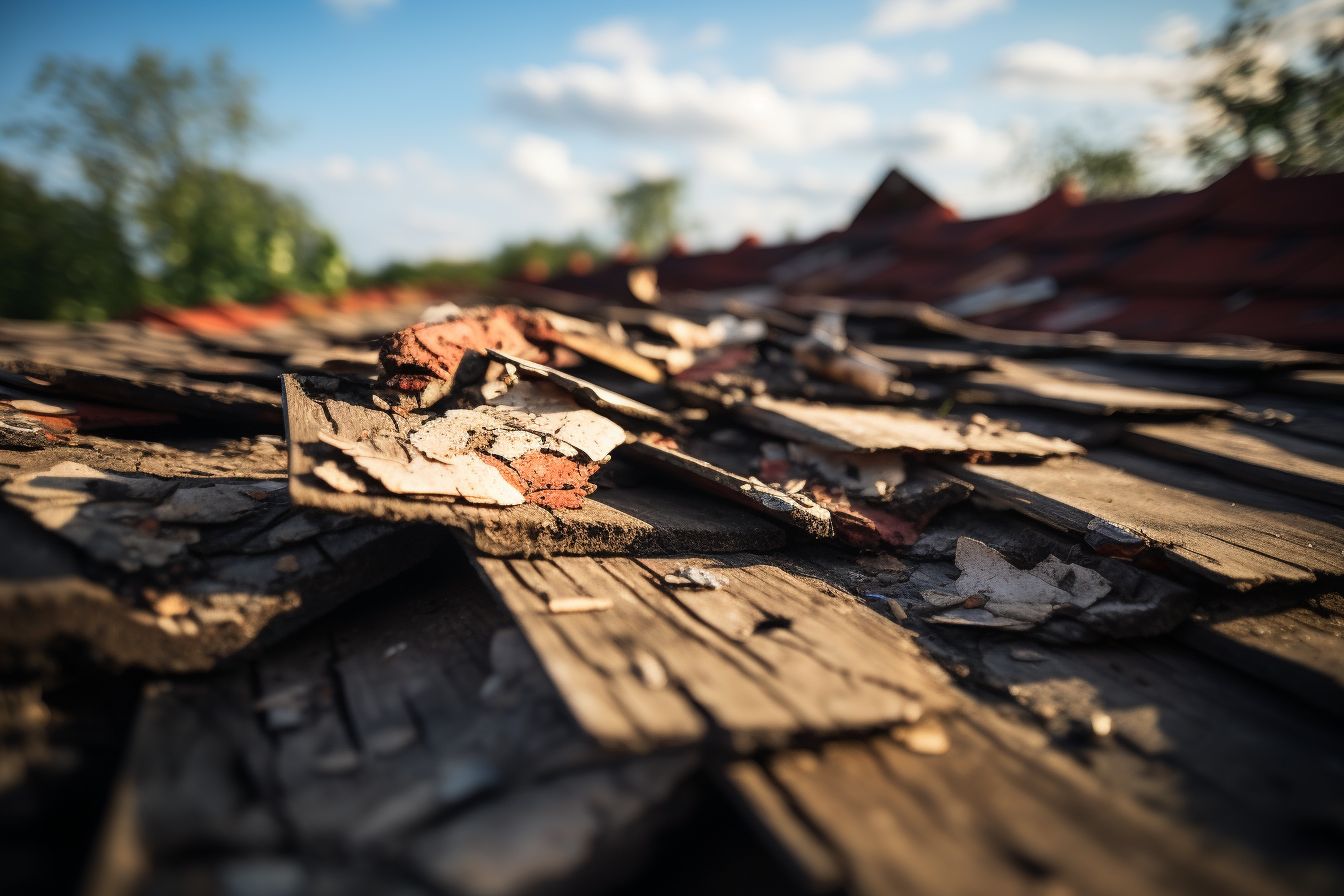
Signs that indicate the need for a roof repair include leaks, sagging or warped shingles, and missing or damaged shingles.
Leaks
Roof leaks can lead to significant problems in your home. Water damage is one of the main risks associated with a leaking roof. If left unchecked, the water can seep into the interior of your building, causing stains on ceilings and walls and potential structural damage or collapse.
Leaks also create an ideal environment for mould and mildew growth, which can lead to health issues for you and your family. Additionally, a leaking roof can attract disease-carrying bugs into your attic, increasing the risk of infestation.
It’s crucial to promptly address any signs of leakage to prevent further damage and maintain a safe living environment.
Sagging or warped shingles
Sagging or warped shingles indicate that your roof needs immediate repair or replacement. When shingles start to sag, they often have deteriorated over time and can no longer provide proper protection for your home.
Not only does this compromise the integrity of your roof, but it also puts your entire structure at risk. Warped shingles, on the other hand, maybe a result from moisture damage or improper installation.
Regardless of the cause, addressing these issues promptly is crucial to preventing further damage and potential collapses. So, if you notice any signs of sagging or warping on your roof, don’t delay – contact a professional roofing contractor immediately to assess the extent of the problem and recommend appropriate solutions.
Missing or damaged shingles
Missing or damaged shingles are clear signs that your roof requires repair. Ignoring these issues can lead to further damage and costly consequences. When shingles go missing, it exposes the underlying layers of your roof to the elements, making it more susceptible to water leakage and potential structural damage.
Damaged shingles can also compromise the integrity of your roof, allowing moisture to seep in and causing leaks. It’s important to address these issues quickly by scheduling a roof repair with a qualified roofing contractor who can replace missing or damaged shingles, ensuring your home’s long-term protection and durability.
Determining When It’s Time for Roof Replacement

Determining when it’s time for roof replacement is crucial to avoid further damage and costly repairs. One important factor to consider is the age of your roof. Typically, a roof can last between 20 to 25 years, depending on the materials used and maintenance performed.
If your roof is nearing or has surpassed this timeframe, it may be time for a replacement.
Another sign that indicates the need for a new roof is deteriorating shingles. Could you check if the shingles are cracked, curled, or missing pieces? These issues can allow water to seep in and cause damage over time.
Additionally, if you notice persistent leaks despite regular repairs, it might indicate that your roof needs replacing rather than just patching up. Leaks suggest underlying structural issues that are beyond simple repairs.
Please take a look at the overall condition of your roof as well. Suppose you see sagging areas or warping along with other signs of damage, such as mould growth or pest infestation due to compromised roofing materials. In that case, a full replacement should be considered.
Consulting a professional roofer will provide valuable insight into whether it’s time for a complete replacement. Combined with these factors, their expertise will help determine if repairing or replacing your roof is necessary to protect your home from further damage and maintain its value over time.
Common Causes of Roof Damage
Age, poor installation, and harsh weather conditions can all contribute to the deterioration of your roof. You can learn more about these common causes and how they can lead to costly repairs or a complete roof replacement.
Age of the roof
An ageing roof poses significant risks to your home’s health and safety. As roofs age, they become more vulnerable to damage from weather conditions, poor installation, and normal wear and tear.
An old roof is more likely to develop leaks, sagging or warped shingles, and missing or damaged shingles. An older roof may also need adequate protection from the elements, increasing the risk of structural damage or collapse.
It’s important to pay attention to the age of your roof and consider scheduling a replacement if it is reaching the end of its lifespan. Delaying roof replacement can lead to costly repairs down the line and jeopardise the integrity of your home.
Poor installation
Poor installation is a common cause of roof damage. When a roof is not installed properly, it can lead to structural issues and deterioration of the roofing materials. This can result in moisture damage to the property and decreased resale value.
Neglecting proper installation techniques can have long-lasting consequences for your roof’s lifespan and overall condition.
Weather conditions
Severe weather conditions, such as storms, windstorms, hurricanes, tornadoes, thunderstorms, hailstorms, and rainstorms can wreak havoc on your roof. These extreme weather events are among the most common causes of roof damage.
High winds can tear off shingles and expose your roof to the elements. Heavy rain can lead to water leaks that deteriorate your roof over time. It’s not just snowy climates that have to worry about winter weather damage – ice and snow buildup can also cause leaks and promote the growth of mould and mildew.
Taking proactive measures to protect your roof against these weather conditions is crucial in maintaining its integrity.
Tips for Maintaining Your Roof
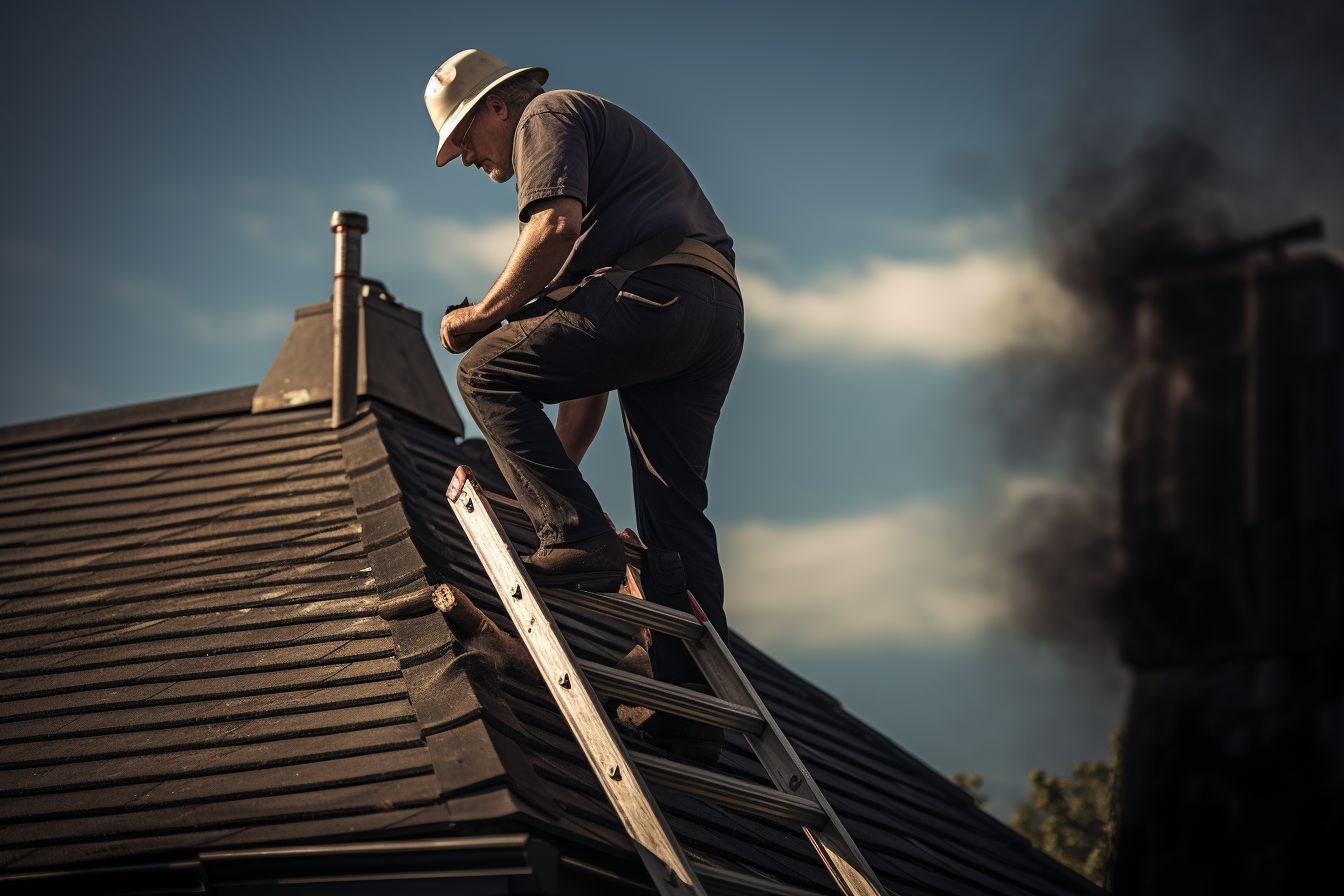
Please look at your roof for any signs of damage or deterioration and quickly address any issues.
Regular inspections
Regular inspections are a crucial part of roof maintenance that can help prevent potential hazards and damage to your property. By conducting regular inspections, you can identify any signs of wear and tear, such as sagging or warped shingles, missing or damaged shingles, or leaks.
Promptly addressing these issues through repairs or replacement can save you money in the long run and prevent further damage to your roof. Additionally, regular inspections allow you to watch for potential problems, like mould growth or pest infestations, that can harm your home’s structure and overall safety.
By staying proactive with roof maintenance through regular inspections, you ensure your roof’s longevity and safeguard against water damage, mould growth, pest intrusion, and expensive HVAC bills.
Prompt repairs
Prompt repairs are crucial when it comes to maintaining your roof and preventing minor issues from becoming worse. By quickly addressing small leaks, damaged flashing, or missing shingles, you can avoid more extensive damage down the line.
Delaying repairs can lead to increased costs from water damage, mould removal, and pest removal. Additionally, prompt repairs help ensure that your roof remains a strong barrier against the elements and retains its ability to protect your home.
Don’t wait until the problem gets out of hand – take action as soon as you notice any signs of damage or wear on your roof.
Cleaning gutters
Cleaning gutters is essential to roof maintenance and is crucial in reducing the risks associated with delaying roof replacement. Clogged gutters can hold moisture, leading to further damage to the roof, such as water seeping into the shingles or overflowing onto the house’s foundation.
Regular gutter cleaning, typically done in the spring and fall, is necessary to prevent clogs and ensure proper watershed. Keeping your gutters clean can help protect your roof from potential water damage and avoid costly repairs.
Trimming nearby trees
Trimming nearby trees is an essential part of maintaining a healthy roof. When trees are close to your home, they can drop debris onto the roof’s surface, slowing down water drainage and de-degrading the shingles.
To prevent potential damage, it is crucial to trim all tree branches that are too close to the roof. Hiring an arborist specialising in tree trimming services is the best option for safely removing overhanging branches near your roof.
By keeping your trees properly trimmed and away from your house, you can help maximise the lifespan of your roof and ensure the safety of your home.
Conclusion
Delaying roof replacement can have serious consequences for homeowners. The risks include water damage, mould and pest presence, structural damage or collapse, increased energy bills, and decreased home value.
It’s crucial to schedule a roof repair at the first signs of leaks, sagging or warped shingles, or missing and damaged shingles. Don’t put off replacing your roof – take action now to avoid costly repairs and protect your property from further damage.
FAQs
1. What are the risks of delaying roof replacement?
Delaying roof replacement can damage your home, such as leaks, mould growth, and structural issues.
2. How do I know if my roof needs to be replaced?
Signs that indicate a need for roof replacement include missing or damaged shingles, sagging or drooping areas, and water stains on the ceiling.
3. Can I repair my roof instead of replacing it?
In some cases, minor repairs may be sufficient. However, replacement is often the best long-term solution if your roof is old or extensively damaged.
4. How long does a roof replacement typically take?
The duration of a roof replacement project depends on several factors, including the size of your home and the job’s complexity. On average, it can take anywhere from a few days to a few weeks.
5. Is investing in a new roof worth even if mine isn’t leaking yet?
Yes, investing in a new roof before any major issues arise is beneficial because it helps prevent costly repairs and ensures better protection for your home against weather elements.