

Installing a commercial roof is quite a challenge without proper guidance. Given that various factors like materials used, design intent, and the installer’s experience significantly affect the process and result, it can be daunting to embark on this task.
This article simplifies the entire procedure by providing a step-by-step guide exclusively designed for successful commercial roof installation. Let’s dive in to ease your roofing journey!
Key Takeaways
- Understand the importance of planning and preparation for successful commercial roof installation.
- Properly remove the old roof to ensure the stability and longevity of the new structure.
- Choose high-quality materials and hire a professional contractor to guarantee a long-lasting and durable commercial roof.
- Regular maintenance and inspections are crucial for identifying issues early on and preventing costly repairs in the future.
Understanding Commercial Roofing

Commercial roofing entails more than just sheltering a building from weather elements. It’s an investment that guarantees the safety of the occupants and protects expensive equipment within the structure.
The process begins with understanding common commercial roof repairs, including leaks, ponding water, punctures or penetrations, and shrinkage or blistering roof membranes.
The installation methods and choice for roof systems differ significantly based on the material used, pricing and labour hours needed. For instance, some buildings might require flat roofing systems due to their design, whereas others could benefit from sloped roofs for efficient drainage.
Furthermore, budget considerations are vital in determining which type of commercial roofing system is chosen.
The selection of new roofing materials should be determined by durability paired with cost-effectiveness rather than initial price to ensure value for money spent over its lifespan.
Experienced contractors are instrumental in ensuring the removal of old roofs is done efficiently while preparing the upcoming surface for proper installation, ultimately leading to successful project completion.
Step-by-Step Process for Commercial Roof Installation
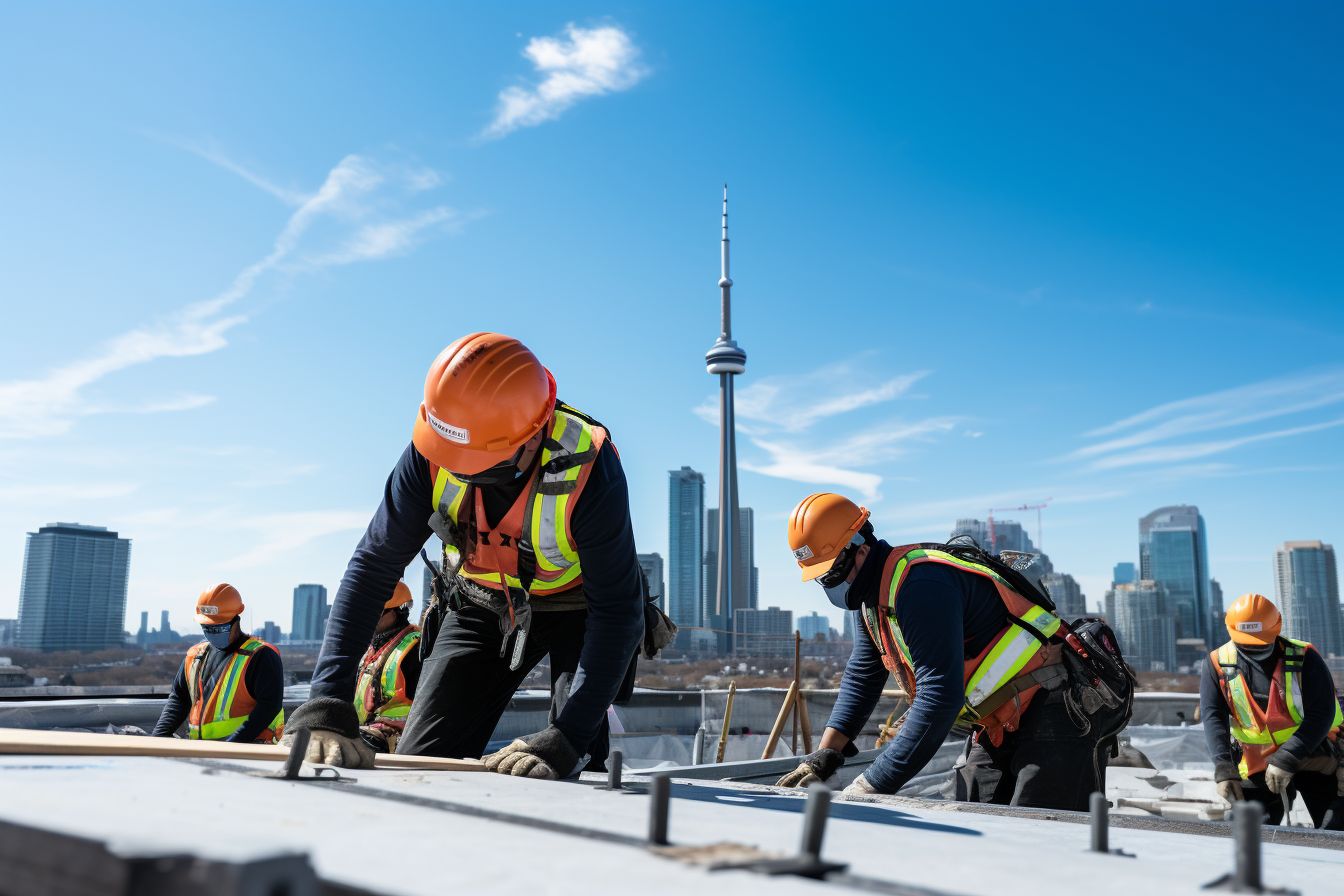
The process begins with planning and preparation, followed by removing the old roof and installing the new one. A final inspection is conducted to ensure quality before clean-up takes place.
Planning and preparation
Detailed planning and preparation form the foundation of successful commercial roof installation. This stage requires a comprehensive understanding of the existing roof’s structure and expertise in commercial roofing to anticipate potential challenges.
It involves crucial steps such as remembering to remove and dispose of old materials properly, necessitating specialised roofing equipment.
Establishing a project budget during this phase is essential to secure services from reliable and reputable commercial roofing contractors.
With careful attention to detail throughout the planning phase, costly errors during installation are avoided, allowing for smooth execution on site. Correctly prepared sites significantly prolong a new roof’s lifespan once installed.
Removing the old roof
Could you start by identifying the type of roof removed, whether shingles, metal, or rubber? Using appropriate safety gear and tools is crucial in this process to prevent accidents.
Disposal of old materials involves recycling or taking them to a waste management site that handles construction debris. Contractors must ensure they properly contain and dispose of all nails and other sharp objects that might pose a risk.
Be sure there are no leftover roofing materials before starting with the new installation, as these could affect the stability and longevity of the new structure. If you’re dealing with a re-roofing project instead of a complete replacement, stripping off the existing roof may not be necessary – understand your project needs for proper execution!
Installing the new roof
Installing a new roof is a crucial step in the commercial roofing process. After removing the old roof, selecting the appropriate roofing material for longevity and durability is essential.
The building’s needs and budget should be considered when choosing a commercial flat roofing membrane. The right roofing system must be selected to ensure it meets all requirements.
Following these steps, you can install a new roof to provide long-lasting protection for your commercial property.
Final inspection and clean-up
The final inspection and clean-up are critical steps in the commercial roof installation. During the inspection, the roofing contractor or professional team will thoroughly assess the roof for any remaining debris, damage, or issues that must be addressed.
This step ensures that the newly installed roof is in top shape and ready for use. Additionally, a comprehensive roof cleaning helps maintain its overall cleanliness and appearance.
The information gathered during this final check allows any concerns or problems to be addressed before considering the roof installation complete.
Tips for Successful Commercial Roof Installation
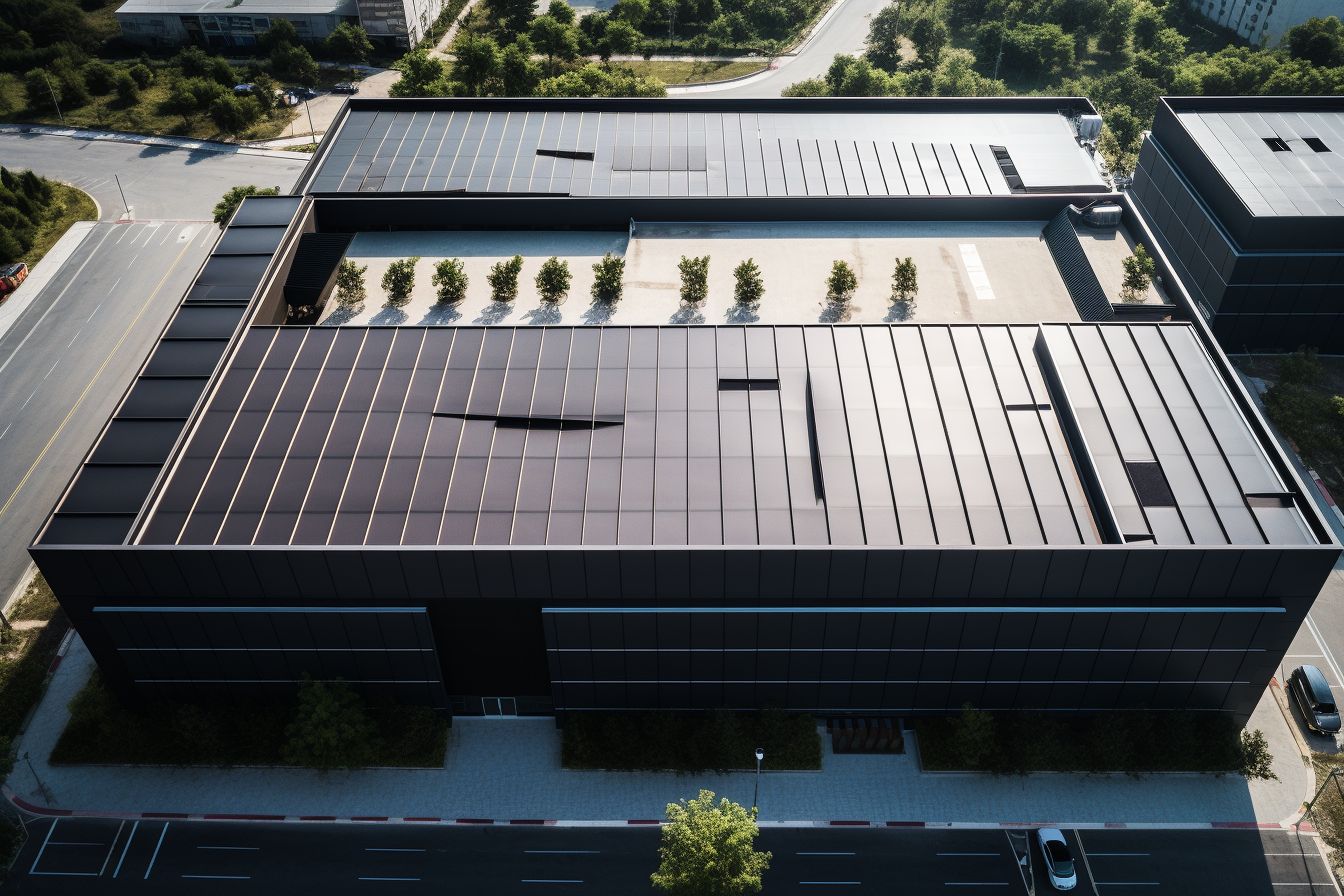
Choose high-quality materials to ensure a long-lasting and durable commercial roof.
Could you make sure the proper design for longevity?
Prioritising proper design is critical in ensuring a commercial roof installation’s longevity. Effective design plays a crucial role in maximising the lifespan of a commercial roof.
By selecting the appropriate type of commercial roof, such as durable metal or spray foam, you can significantly contribute to its long-term durability. Investing in high-quality materials and hiring professional contractors for installation are also necessary steps towards extending the lifespan of your commercial roof.
Thicker and sturdier metal roofs have proven track records of lasting decades on commercial buildings, making them a wise choice for longevity. Careful planning and consideration during the design phase can significantly impact your commercial roof’s length.
Choose high-quality materials
Choosing high-quality materials is crucial for a successful commercial roof installation. Opting for durable and reliable materials will ensure the longevity of your roof and protect your building from potential damage.
Various choices include steel, copper, metal, clay, rubber, or concrete tiles. It’s crucial to select proven materials that have been tried and tested in commercial applications.
By understanding different types of roofing materials and their installation techniques, you can make an informed decision that best suits your needs. Please keep quality high when selecting suitable materials for your commercial roof.
Could you hire a professional contractor?
Hiring a professional contractor with the necessary certifications and experience is crucial to ensure a successful commercial roof installation. A certified roofing company will provide expert roofing services and handle all aspects of the installation process with precision.
By choosing a licensed and insured contractor, you can have peace of mind knowing that the job will be done correctly and any potential issues will be covered. An experienced roofing contractor understands the importance of proper design for longevity and can offer valuable insights into selecting high-quality materials that are proven to withstand harsh weather conditions.
Trusting a reliable contractor with your commercial roof installation guarantees professional installation using quality materials, resulting in a durable roof that requires minimal maintenance and stands the test of time.
Regular maintenance and inspections
Regular maintenance and inspections are crucial for successfully installing a commercial roof. Ongoing inspections can identify any damage or issues early on, allowing for timely repairs to prevent further damage.
This proactive approach helps eliminate surprises and catch minor issues before they escalate into more significant problems. A professional roofing contractor should perform annual roof inspections and make necessary repairs as needed.
By implementing scheduled maintenance and routine upkeep, businesses can ensure the longevity of their commercial roof and avoid costly repairs in the future.
Conclusion
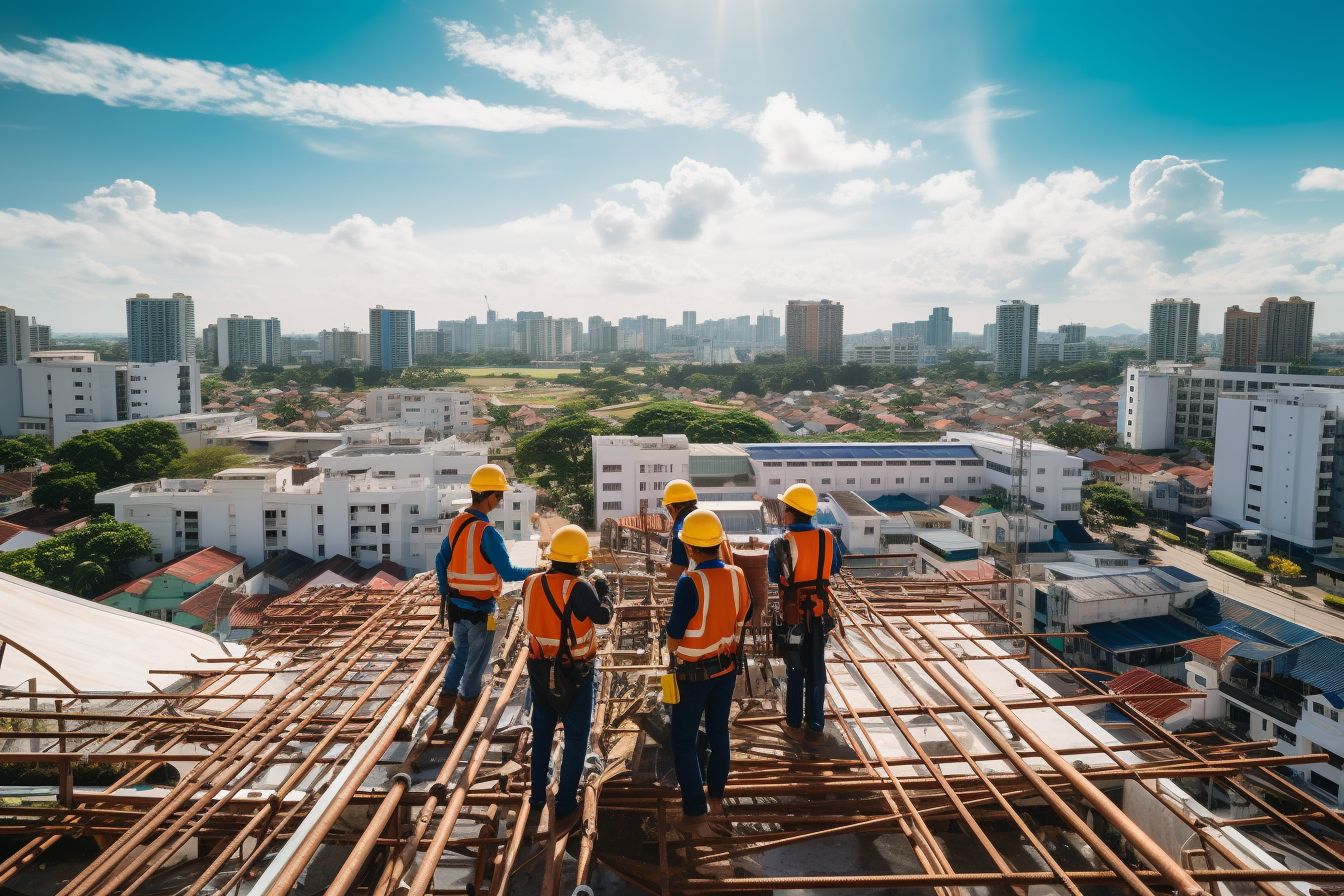
In conclusion, installing a commercial roof requires careful planning and attention to detail. Following the step-by-step process and considering tips for successful installation, you can ensure a long-lasting, high-quality roof for your commercial building.
Please remember to hire a professional contractor and regularly maintain and look at your roof to maximise lifespan. With proper design and quality materials, you can have confidence in the durability and functionality of your new commercial roof.
FAQs
1. What are the steps to install a commercial roof?
The steps to install a commercial roof typically include preparing the surface, installing insulation and underlayment, applying the roofing material, sealing all seams and edges, and conducting a final inspection.
2. How long does it take to install a commercial roof?
The duration of installing a commercial roof varies depending on factors such as the size of the building and the complexity of the project. However, it generally takes several days or even weeks to complete.
3. Do I need permits or licenses to install a commercial roof?
Yes, you may need permits and licenses before installing a commercial roof. It is essential to check with your local authorities or consult with professional contractors who can help you through the requirements.
4. Can I install a commercial roof myself?
Installing a commercial roof requires specialised knowledge, skills, and equipment. Hiring experienced professionals trained in proper installation techniques for safety and quality purposes is recommended.
5. What factors should I consider when choosing materials for my commercial roof?
When selecting materials for your commercial roof, it is crucial to consider factors such as durability, weather resistance, energy efficiency, maintenance requirements, cost-effectiveness, and compliance with building codes and regulations. Consultation with roofing experts can help determine the best options for your specific needs.