

A leaking roof can quickly turn into a homeowner’s nightmare, causing far-reaching damage if not addressed promptly. In fact, untreated roof leaks may cause structural harm to the entire house, escalating repair costs.
This blog post is your manual to handling such pesky leaks — guiding you from identification to resolution and prevention of future occurrences. Dive right in for practical and easy-to-follow steps that will save your home from this bothersome inconvenience!
Key Takeaways
- Roof leaks can cause extensive damage to your home if not addressed promptly.
- Signs of roof damage, such as water spots and missing or damaged shingles, should be taken seriously.
- Taking immediate action to contain the leak and calling a professional roofing company are essential steps in preventing further damage.
- Regular roof maintenance is crucial for preventing roof leaks and protecting the structural integrity of your home.
Understanding Roof Leaks
Roof leaks can be intermittent and are often caused by factors such as damaged shingles or roof flashing. Identifying the source of the leak and recognising signs of roof damage is crucial in addressing the issue promptly.
What are intermittent roof leaks?
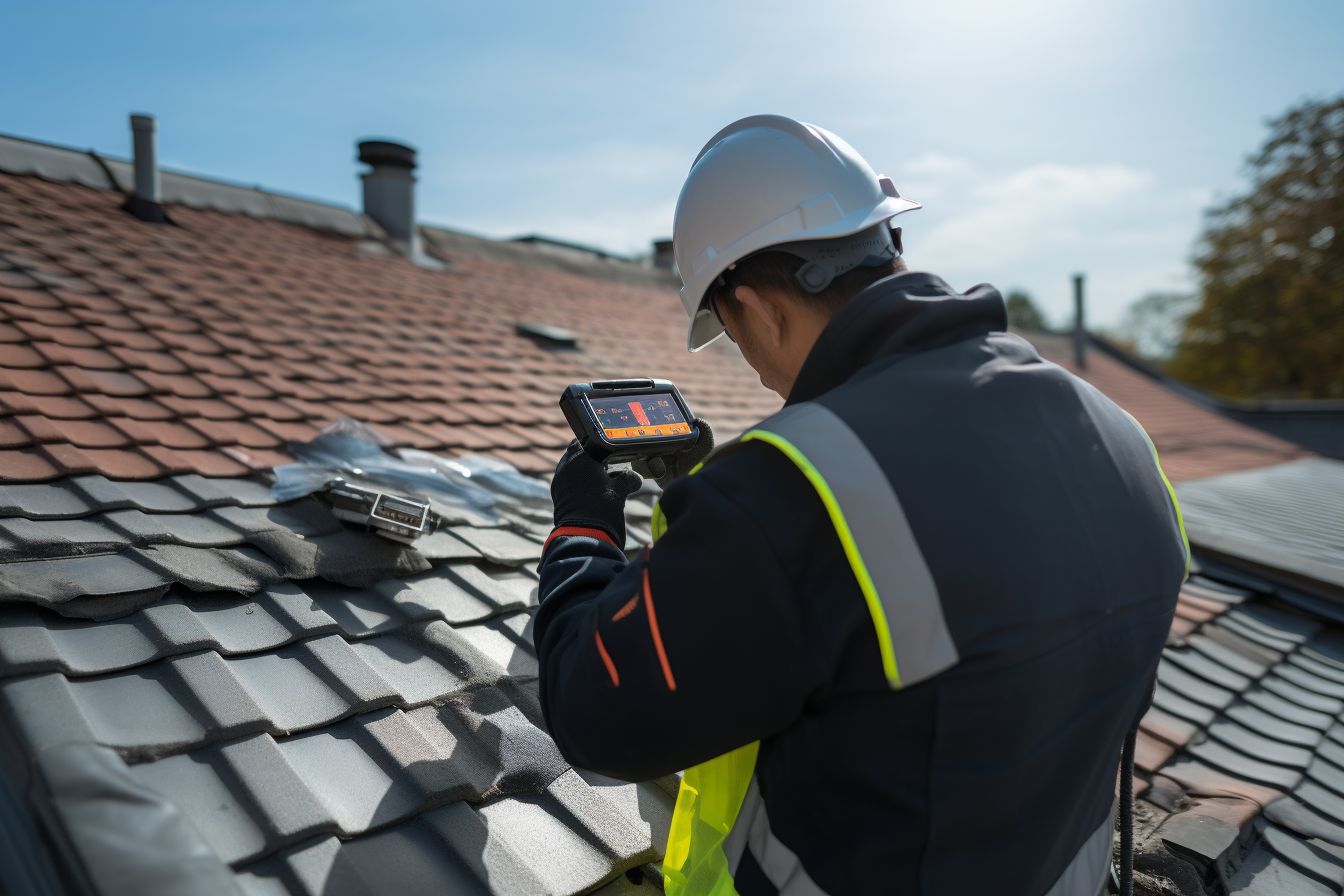
Intermittent roof leaks occur sporadically, typically during heavy or prolonged rainfall. Unlike continuous leaks, they may stop and start unpredictably, making them harder to locate and repair.
These elusive leaks can originate from various sources, such as damaged chimneys, skylights, plumbing fixtures or even seemingly harmless light fixtures. Factors like clogged gutters, compromised roof valleys or incorrect roofing materials for the roof’s pitch also contribute to intermittent leakage problems.
Failures in pipe boots often cause these unpredictable leaks, too.
Common causes of intermittent roof leaks
Roof leaks can occur for a variety of reasons. Over time, even the best-installed roof may show wear and tear due to exposure to harsh weather conditions. Clogged gutters often lead to water seepage and staining on your ceiling.
Gutters filled with leaves, twigs or other debris divert rainfall away from your roof and cause pooling – a prime instigator for leaks.
Damaged shingles are another common culprit of intermittent leaks. Heavy winds and storms can displace shingles, exposing parts of the roof to moisture damage. Improperly sealed roof penetrations such as exhaust vents or fan vents are also key sources of leakage in many homes.
Among all these issues, pipe boot failure is a particularly troublesome source of intermittent leaks. This occurs when the rubber boot around vent pipes cracks or deteriorates over time and fails as waterproofing for this area on the rooftop, causing water infiltration issues during rainstorms.
Sometimes, it’s not about individual elements like shingles or boots failing but more systemic problems at play – compromised valleys where two slopes meet could be susceptible to water intrusion if poorly maintained, creating an entry point for precipitation into homes. Brand-new skylights might look stunning against a blue sky, but their edges become easy targets if not installed correctly during heavy rain. Finally, a damaged chimney is just asking for trouble. Its brickwork needs a special mortar called “crown”, which must always stay crack-free: once fissures appear, rainwater will begin seeping downwards towards living quarters below, causing extensive damage over time.
Identifying the source of the leak
Spotting the origin of a roof leak is critical in resolving the issue. You can expect leaks near roof penetrations like vents, chimneys, and dormers. Examine these areas closely for missing or damaged shingles that may indicate a leak.
Look for telltale signs such as torn, cracked, or curled shingles. Cracks in roof flashings or missing pieces are another common source of leaks. If your ceiling shows water damage, you can be almost certain you’re dealing with a roof leak.
Keep vigilant around these hotspots, but remember that pinpointing the exact location can be tricky because the water travels before it drips down visibly.
Signs of roof damage
Water spots on the ceiling or walls, missing shingles, and cracked or damaged shingles are all signs of roof damage that should not be ignored. These visible indicators can often indicate a roof leak or other potential issues with your roof.
While heavy rainstorms can reveal leaks, it’s important to notice these signs even when it’s not raining. By being aware of these warning signs, you can address roof damage promptly and prevent further harm to your home.
Dealing with Roof Leaks
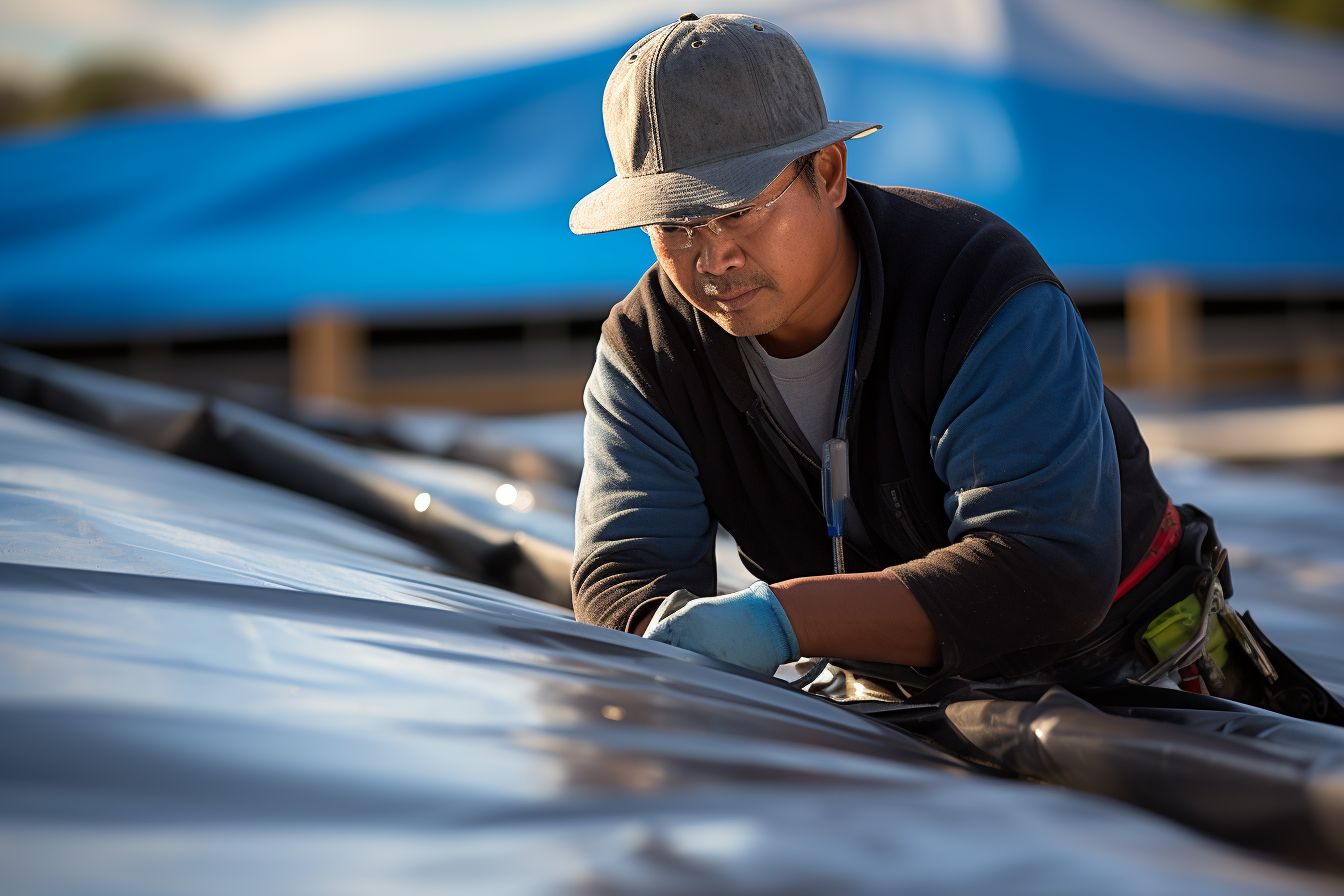
Immediately prevent further damage, relieve water pressure, and install a temporary roof tarp. Don’t wait – handle roof leaks right away!
Taking immediate action to prevent further damage
When faced with a leaking roof, it is crucial to take immediate action to prevent further damage. Water damage can quickly spread and lead to costly repairs if not addressed promptly.
To minimise the leak’s impact, start by clearing any objects from the area and catching the water using buckets or towels. This will help contain the water and prevent it from damaging your home’s interior.
Once you have contained the leak, contact a professional roofing company for assistance. They can assess the situation and provide necessary repairs to avoid further damage.
Temporary containment of the leak
It is crucial to take immediate action and temporarily contain the leak to prevent further damage and water infiltration. One effective method is using a waterproof tarp, which can provide reliable temporary protection for your roof.
Additionally, you can use plywood or extra shingles as temporary patches for minor leaks. By addressing the leak promptly and implementing temporary containment measures, you can minimise potential risks and protect your home from further damage caused by the roof leak.
Relieving water pressure
To relieve water pressure from a roof leak, you can use a screwdriver to puncture the lowest point of the leak. This will help release the trapped water and prevent further damage.
Another option is redirecting the leaking water with a bottle funnel, which can help control the flow and minimise potential harm. By taking these simple steps, you can quickly address the issue and reduce the risk of additional problems.
Temporary roof tarp installation
Roofers can quickly and effectively address roof leaks by installing temporary roof tarps. These tarps can be secured to the damaged area using nails or other fasteners, providing immediate protection against further leaks or damage.
In disaster areas, homeowners may even have access to fibre-reinforced plastic sheeting provided by organisations like the U.S. Army Corps of Engineers. To ensure a tight seal, it is recommended to screw a board onto the roof as an anchor for the tarp, sandwiching it tightly between boards to prevent water from seeping in.
Installing a temporary tarp is crucial in containing and managing a roof leak until professional repairs can be made.
Documenting the leak for insurance purposes
Properly documenting the roof leak is crucial to make a successful insurance claim. When you notice the leak, take immediate action and gather evidence. Take clear photos or videos of the damage, including any water stains on ceilings or walls.
Make sure to capture the source of the leak as well. It’s also important to keep all related documents, such as repair estimates, receipts for materials or services, and communication with your insurance company.
By carefully documenting the leak from start to finish, you can provide strong evidence to support your insurance claim and increase your chances of getting repair coverage. Don’t delay contacting your insurance company about the roof leak – informing them promptly will help streamline the claims process and ensure they are aware of the situation.
Calling a professional roofing company
Calling a professional roofing company is highly recommended when dealing with roof leaks. If you’re unsure where the leak is entering your home, it’s best to leave it to the experts with the necessary knowledge and experience to locate and fix the problem.
Ignoring a roof leak can lead to significant damage, so calling in professionals will not only repair the damaged area but also prevent further issues. Regular maintenance by a professional roofing company can also help identify potential problems before they become costly.
Don’t hesitate to ask for their expertise in handling roof leaks and protecting your home.
Regular roof maintenance for prevention
Regular roof maintenance is crucial for preventing roof leaks and ensuring the longevity of your roof. You can catch potential issues before they escalate into major problems by conducting routine inspections and repairs.
This proactive approach helps reduce wear and tear on your roof, keeping it in optimal condition and minimising the risk of leaks. Additionally, cut back tree limbs that may be touching or rubbing against your roof, as they can cause damage over time.
By investing time and effort into regular roof maintenance, you can protect your home from water damage and prolong the life of your roof.
The Importance of Addressing Roof Leaks
Addressing roof leaks is crucial for preventing further damage to your property and protecting the structural integrity of your roof.
Potential dangers and risks
Ignoring roof leaks can lead to serious dangers and risks for homeowners. One major concern is the potential for further damage to the property. If left unaddressed, even a small leak can escalate into bigger problems.
This includes the growth of mold and mildew, which not only poses health risks but also deteriorates the structure of the home. Additionally, leaky roofs create slippery surfaces that can be hazardous, increasing the risk of falls for residents and visitors alike.
Moreover, excess moisture from roof leaks can cause warping in the home’s framing, putting its overall structural integrity at risk. It is crucial to take immediate action regarding roof leaks to prevent these potential dangers and safeguard your property and well-being.
Preventing further damage to the property
Addressing roof leaks promptly is crucial in preventing further damage to your property. Untreated roof leaks can lead to significant structural damage, as well as the growth of mold and mildew.
It’s important to take immediate action when you notice a leak to minimise the risk of additional harm. Move your belongings to a safe area and clear the affected space to limit water damage and stains.
By proactively addressing roof leaks, you can protect your home and your investment in its upkeep.
Protecting the structural integrity of the roof
Untreated roof leaks can severely compromise the structural integrity of your home. Over time, water infiltration can weaken the foundation, rot wooden supports, and damage insulation materials.
This can lead to costly repairs and even pose a safety risk for you and your family. By promptly addressing any roof leaks you discover, you can protect your property from further damage and maintain a strong and stable roof structure.
Waterproofing the roof is essential in preventing leaks and preserving the integrity of your home’s insulation materials while also improving energy efficiency. Don’t underestimate the importance of protecting the structural integrity of your roof – it’s crucial for maintaining a safe and secure living environment.
Preventing Future Roof Leaks
To prevent future roof leaks, ensure proper attic ventilation. Schedule regular roof inspections and maintain the drip edge. Promptly repair damaged shingles and roof flashing and caulk dormers and walls.
Don’t wait for another leak to occur – take action now to protect your home from costly water damage. Read on to learn more about preventing future roof leaks.
Proper attic ventilation
Proper attic ventilation is essential for preventing roof leaks and maintaining the overall health of your home. It helps regulate temperature and moisture levels in the attic, reducing the risk of mold and mildew growth.
To ensure proper ventilation, it is recommended to have intake vents at the soffit level to allow fresh air into the attic, while outdoor vents near the peak of the roof remove hot air and moisture.
This balanced airflow helps prevent air leaks and water intrusion during severe weather events like hurricanes. Regular inspections can identify deficiencies in roof venting, insulation, or condensation issues that must be addressed promptly to maintain a safe and properly ventilated attic space.
Regular roof inspections
Regular roof inspections are a crucial step in maintaining the longevity and performance of your roof. By having a professional roofing company conduct regular inspections, you can identify any potential issues before they become major problems.
This proactive approach helps prevent minor leaks or damage from turning into costly repairs. Inspections also allow for timely maintenance that can reduce the risk of insulation damage and mould growth due to leaks.
Make sure to schedule regular roof inspections to protect your home and ensure your roof’s structural integrity for years to come.
Maintenance of the drip edge
Regular maintenance of the drip edge is essential to prevent future roof leaks. The drip edge, a metal flashing installed along the roof’s edges, directs water away from the fascia and protects against water damage.
Neglecting its maintenance can lead to water seepage, causing damage to your roof and potentially creating leaks. By ensuring proper installation and regular inspection of the drip edge, you can keep it functioning effectively and prevent water from collecting between shingles or behind gutters.
This proactive approach will help maintain the integrity of your roof and minimise the risk of future leaks.
Prompt repair of damaged shingles and roof flashing
Repairing damaged shingles and roof flashing promptly is crucial for preventing future roof leaks. When shingles are damaged or missing, they create openings for rainwater to seep inside the home, causing water damage and potential mould growth.
Similarly, compromised roof flashing can allow water to infiltrate the roof structure and lead to leaks. By addressing these issues promptly, homeowners can avoid costly repairs down the line and protect the integrity of their roofs.
Regular inspections should be conducted to identify any signs of damage, such as cracked or curled shingles, and prompt repair measures should be taken to ensure a watertight roofing system.
Caulking dormers and walls
Caulking dormers and walls is a critical step in preventing future roof leaks. Dormer walls often have areas where water can seep into the roof if the caulk is old, cracked, or missing.
Applying fresh caulk to these vulnerable spots can create a watertight seal that protects your roof from any potential leaks. Regularly inspecting and maintaining the caulking on your dormers and walls will help ensure your roof stays leak-free and in optimal condition for years.
Don’t overlook this simple yet effective measure in safeguarding your home against roofing issues.
Conclusion
In conclusion, “The Homeowner’s Manual To Handling Roof Leaks” provides practical advice and step-by-step instructions for homeowners to deal with roof leaks effectively. Homeowners can prevent further damage and protect their property by taking immediate action, containing the leak, documenting for insurance purposes, and calling a professional roofing company when necessary.
Additionally, regular roof maintenance and preventive measures can help to avoid future roof leaks. With this comprehensive manual, homeowners can confidently address any roof leak issue that may arise in their homes.
FAQs
1. What are the signs of a roof leak?
Signs of a roof leak include damp spots on ceilings or walls, mould growth, and leaks during heavy rain.
2. How can I locate and fix a roof leak?
Locating a roof leak starts with looking for signs like water stains or paint discolouration in the home’s structure. A temporary fix might be applying sealant to small holes, but remember that it’s usually better to contact professionals for permanent repairs.
3. Why is ignoring a roof leak dangerous?
Ignoring a flat or otherwise leaking roof increases risks, such as structural damage from excessive moisture and the potential growth of hazardous mould over time.
4. When should I consider professional help instead of DIY-ing my roof leak repair?
When quick fixes repeatedly fail, if you notice a significant spread or an increase in leakage during heavy rains, you should consult professional service providers specialising in sealing and handling complex aspects associated with different roofing leaks.