
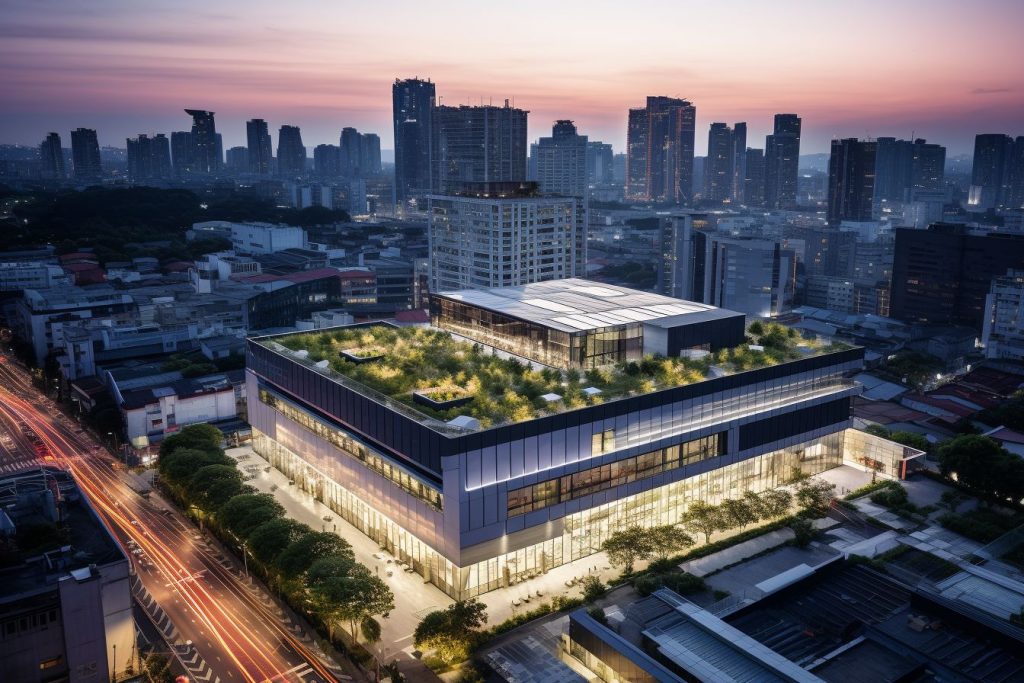
Are high energy bills and uncomfortable indoor temperatures getting you down? Did you know that the roof of a building can reach temperatures above 150°F during summer, but heat-reflective roof coatings can make it over 50°F cooler? This blog post guides you through all you need about these special coatings, their benefits, types, application methods, and maintenance tips.
Let’s dive in and discover how this innovative technology could be your ticket to cool summers and lower energy costs!
Key Takeaways
- Heat-reflective roof coatings can reduce solar heat gain and improve energy efficiency, lowering cooling costs and saving energy.
- These coatings can extend a roof’s lifespan by reducing thermal shock and protecting against UV damage.
- They also enhance overall comfort indoors by maintaining a consistent temperature and promoting well-being for occupants.
Benefits of Heat-Reflective Roof Coatings
Heat-reflective roof Coatings reduce solar heat gain, improve energy efficiency, extend the roof’s lifespan, reduce cooling costs, provide protection from UV damage, and enhance overall comfort indoors.
Reduces solar heat gain
Heat-reflective roof coatings work brilliantly to decrease solar energy absorption. These smart materials reflect more scorching sunlight, limiting the amount your rooftop and home absorb.
This reduced solar heat gain is particularly beneficial for darker-coloured roofs, which generally absorb more heat. Not only does this mean a cooler interior on hot summer days, but it also decreases reliance on air conditioning units, leading directly to energy savings.
The cooling benefits extend beyond just lower electricity bills; they contribute to environmental well-being by reducing air pollution from excessive use of cooling systems. Furthermore, buildings with these reflective coatings have enhanced comfort levels due to their ability to maintain a consistent indoor temperature even during peak hours when the sun is hot.
Remarkably, roofs with higher solar reflectance can decrease daytime heat gain by up to 11% – proving pivotal in keeping homes and offices chill and comfy!
Improves energy efficiency
Cool, reflective roofs significantly cut down energy demands. Their superior solar reflectivity aids in the reduction of heat absorption, diminishing the need for air conditioning and resulting in noticeable energy savings.
The science behind it is simple: less heat enters your space by reflecting sunlight away from your building instead of absorbing it.
Heat-reflective roof coatings also play an integral role in countering the urban heat island effect. Cities often experience higher temperatures due to dense concentrations of heat-absorbing surfaces like conventional rooftops.
With these cool roof coatings applied, buildings can efficiently contribute to thermal regulation at a micro level, profoundly impacting overall city temperatures and further optimizing energy use over time.
Extends the lifespan of the roof
Heat-reflective roof coatings play a significant role in extending the lifespan of your roof. They do this by reducing the heat transfer into the building, thus decreasing thermal shock, which can cause cracks and damage over time.
The coating materials can have high solar reflectance and infrared emissivity, allowing them to release absorbed solar radiation and disperse trapped heat. This process reduces thermal expansion and contraction – a primary contributor to wear and tear on a commercial roof.
The recurring application of these sustainable coating systems helps prolong their effective life, offering an eco-friendly solution with long-term benefits for your roofing system.
Reduces cooling costs
Heat-reflective roof coatings can significantly reduce cooling costs for homeowners. By reflecting a large portion of the sun’s heat away from the roof, these coatings help to keep the interior of the building cooler.
Less energy is needed to cool the space, lowering electricity bills. Studies have shown that heat-reflective roof coatings can reduce cooling costs by 5-30%.
With rising energy prices, investing in an energy-efficient roof coating is cost-effective and environmentally friendly. By reducing power consumption, homeowners can lower their carbon footprint and contribute to a greener future.
Protects from UV damage
Heat-reflective roof coatings not only reduce solar heat gain and improve energy efficiency, but they also provide crucial protection from UV damage. These reflective coatings shield against the chemical breakdown caused by harmful UV rays, preventing premature ageing and roof deterioration.
By minimizing UV-related damage, these coatings help extend the lifespan of your roof and save you money on potential repairs or replacements in the long run. So, when considering a heat-reflective roof coating, don’t overlook its essential role in safeguarding your roof from the damaging effects of the sun’s rays.
Enhances overall comfort indoors
Heat-reflective roof coatings reduce solar heat gain, improve energy efficiency, and enhance overall comfort indoors. By preventing excessive heat from penetrating the building, these coatings help maintain a comfortable temperature inside, regardless of the weather outside.
This means occupants can enjoy cooler living spaces during hot summer days without relying heavily on air conditioning. With reduced heat transfer through the roof, there is less need for constant adjustment of cooling systems, resulting in potential energy savings.
Additionally, by creating a more comfortable indoor environment, heat-reflective roof coatings contribute to thermal comfort and promote wellness among building occupants.
Moreover, enhancing overall comfort indoors has numerous benefits beyond physical well-being. When individuals feel comfortable in their surroundings, they are more likely to be productive and focused.
Heat reduction provided by reflective roof coatings helps create an optimal working or living environment where people can concentrate better and perform tasks efficiently without distractions caused by extreme temperatures.
The Importance and Benefits of Roof Painting
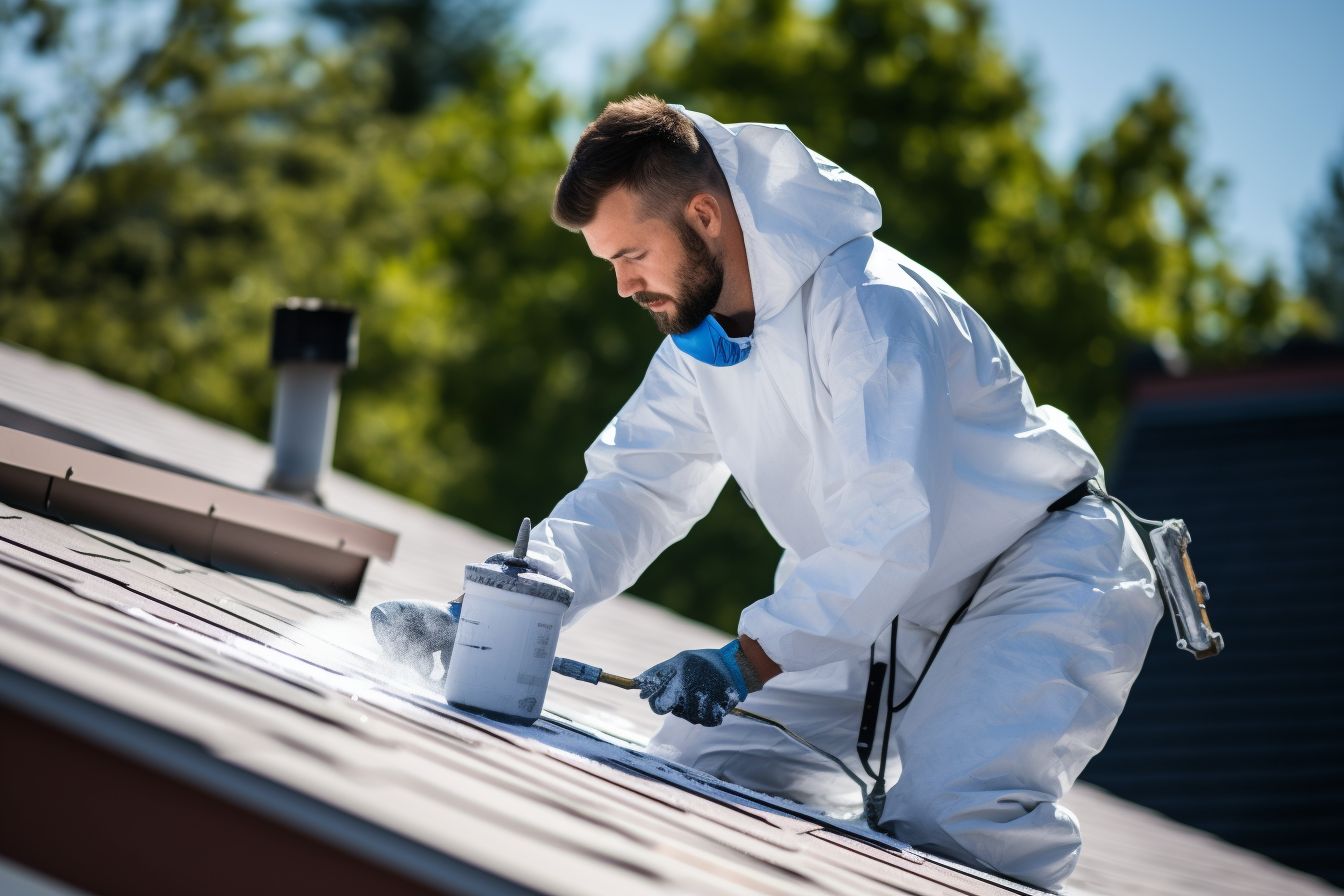
Roof painting plays a crucial role in your roof’s overall maintenance and longevity. Not only does it enhance the aesthetic appeal of your home, but it also provides several important benefits.
First and foremost, roof painting helps to protect your roof from various weather elements, such as rain, snow, and UV rays. This protection prevents damage that can lead to leaks and structural issues over time.
Additionally, a well-painted roof acts as a thermal barrier by reflecting sunlight away from your home. This helps to keep your interior cooler during hot summer months, reducing the need for excessive air conditioning use and ultimately lowering energy costs.
Furthermore, roof painting can extend the lifespan of your roof by preventing premature deterioration caused by weathering and corrosion. Investing in regular maintenance like roof painting ensures the long-term durability of one of the most important components of your home’s structure.
Types of Heat-Reflective Roof Coatings

Various types of heat-reflective roof coatings are available, such as silicone-based, acrylic, asphalt, and elastomeric. Read on to explore the benefits and characteristics of each type.
Silicone-based coatings
Due to their flexibility, reflectivity, and UV stability, silicone-based coatings are popular for heat-reflective roof coatings. These coatings have thermal reflectance levels between 80-90%, making them highly effective at reducing solar heat gain and improving energy efficiency.
Silicone coatings also contain special reflective pigments that protect the roof surface from UV damage and reflect daylight, creating a cooler indoor environment. Additionally, these elastomeric roof sealants provide durable protection against leaks and other forms of roof damage, ensuring the longevity of your roof.
With silicone-based coatings, you can enjoy lower cooling costs while keeping your home comfortable and well-protected.
Acrylic-based coatings
Acrylic-based coatings are widely used in heat-reflective roof coatings. These coatings have several key advantages that make them popular choices for enhancing the performance of roofs.
First, acrylic coatings are highly reflective, helping to reduce solar heat gain and keep buildings cooler. Secondly, they are UV resistant, protecting against damaging ultraviolet rays from the sun.
Additionally, acrylic coatings have strong weathering properties and can withstand various environmental conditions while remaining water-resistant. Lastly, when applied as elastomeric coatings, they create a seamless and fully adhered membrane on the roof surface, offering excellent durability and extending the roof’s lifespan.
Asphalt-based coatings
Asphalt-based coatings are commonly used in heat-reflective roof coatings. These coatings are crucial in reducing heat transfer and improving energy efficiency. By reflecting sunlight and reducing heat absorption, asphalt-based coatings can help keep roofs cooler during hot weather.
This enhances overall comfort indoors and helps extend the roof’s lifespan by minimizing thermal stress and degradation. Additionally, using asphalt-based coatings in heat-reflective roof systems contributes to energy savings by reducing the need for air conditioning and lowering cooling costs.
Elastomeric coatings
Elastomeric coatings are heat-reflective roof coating that offers excellent protection for your roof. These coatings are highly durable and can prevent leaks and other damage to the roof membrane.
They cure into a seamless, flexible, and rubber-like finish, providing long-lasting protection. Water-based elastomeric coatings, particularly acrylic ones, are popular for professional applications and DIY restorations.
Acrylic elastomeric coatings are known for their durability and cost-effectiveness. By reflecting the sun’s heat, these cool reflective roof coatings help create energy-efficient roofs that reduce the need for air conditioning.
Application and Maintenance of Heat-Reflective Roof Coatings
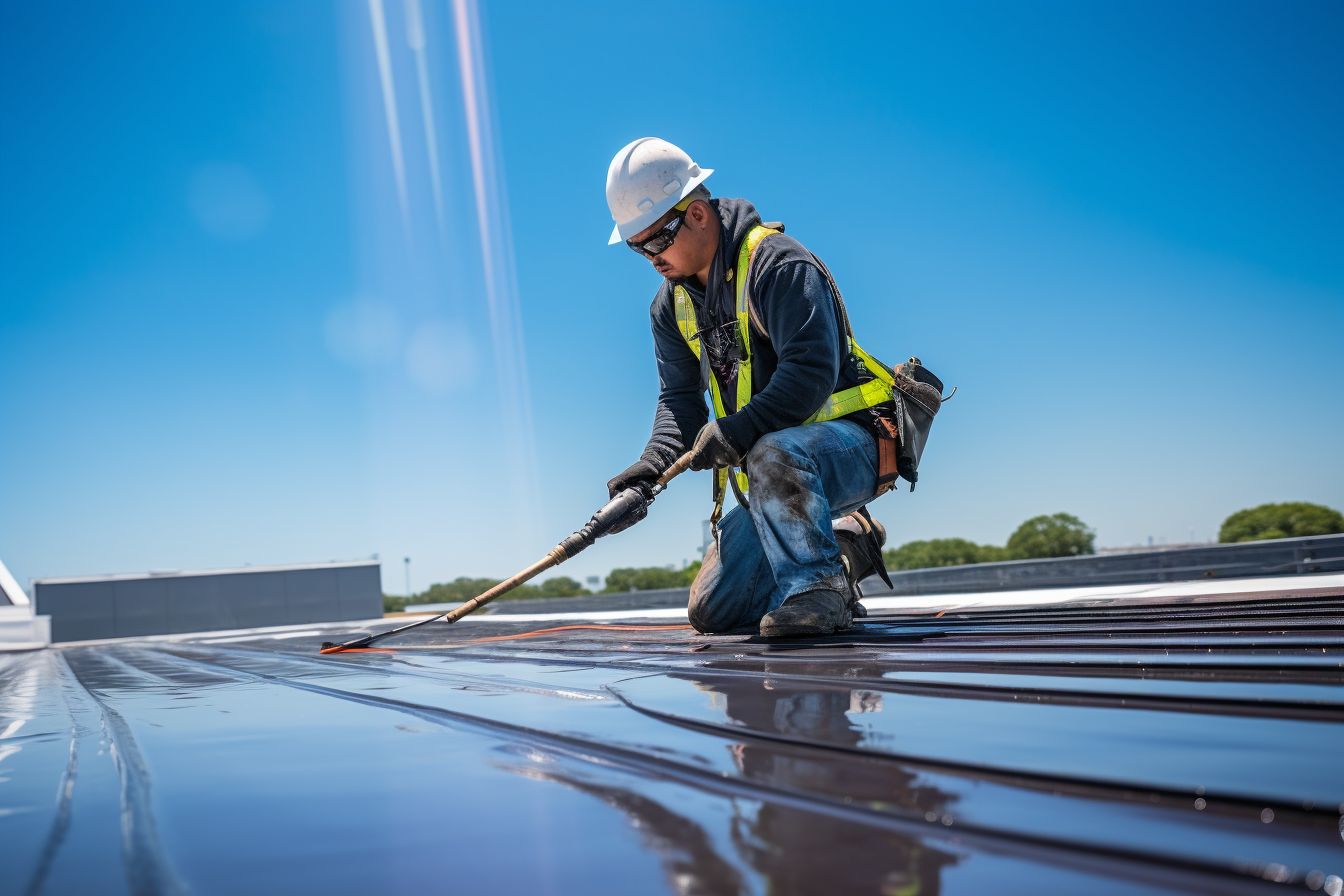
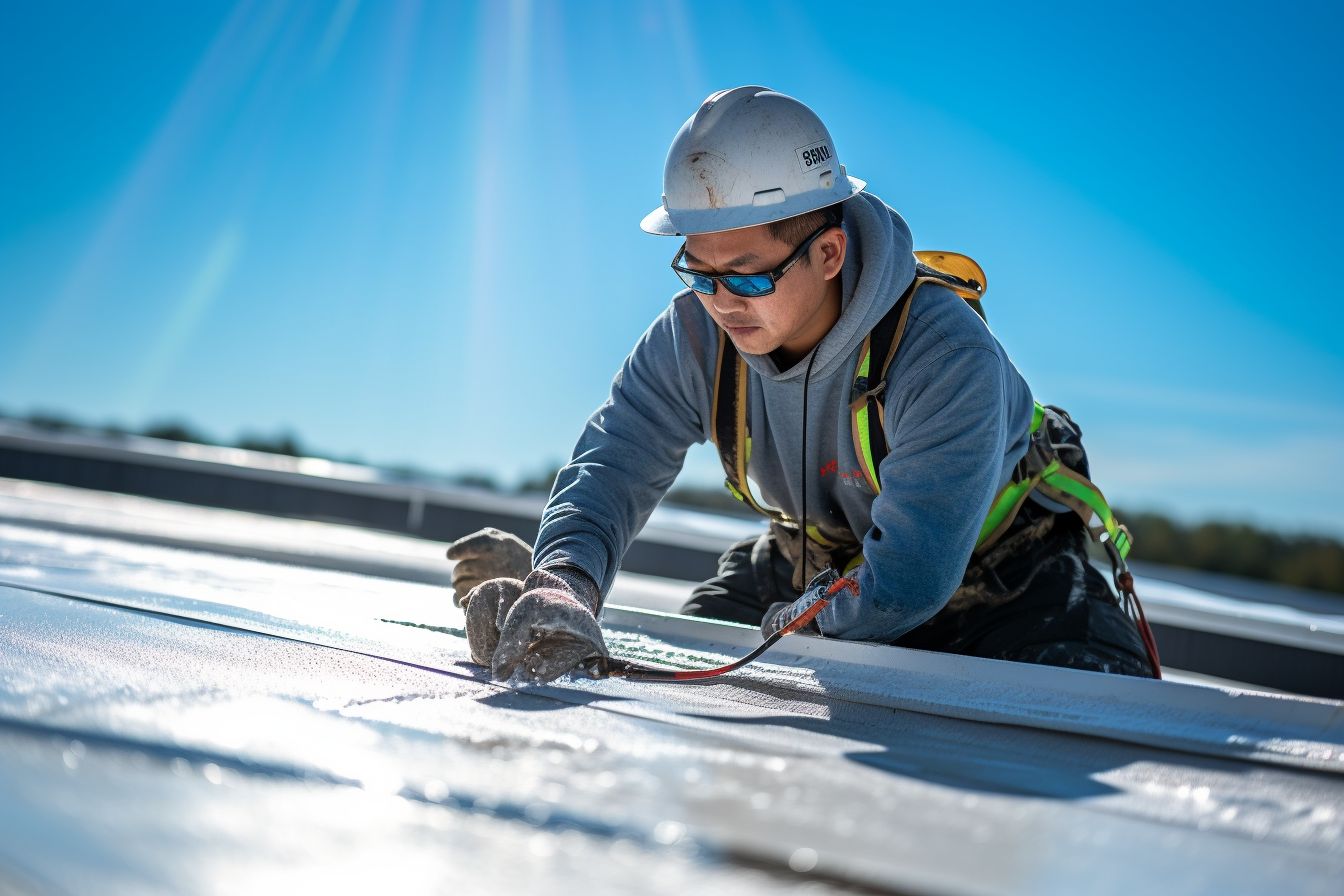
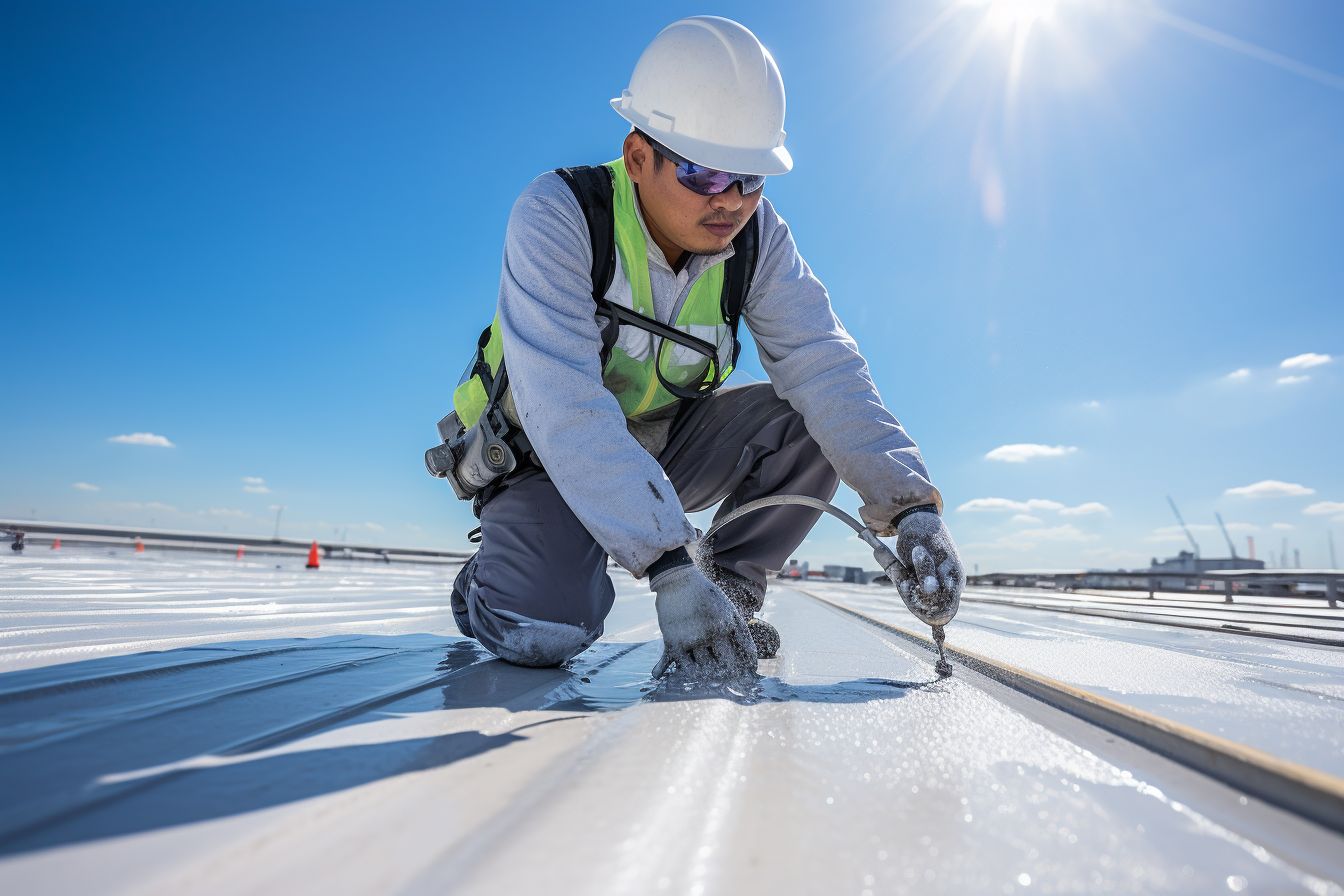
Proper surface preparation is crucial for the successful application of heat-reflective roof coatings.
Proper surface preparation
To ensure the effectiveness and longevity of heat-reflective roof coatings, proper surface preparation is essential. Here are some important steps to follow:
- Clean the roof surface thoroughly by removing dirt, debris, or loose materials.
- Before applying the coating, repair any existing damage, such as cracks or leaks.
- Remove any existing coatings that may interfere with adhesion.
- Check for moisture or water infiltration and address it before coating application.
- Apply a primer to enhance adhesion between the roof surface and the coating if necessary.
- Ensure the surface is dry and free from excess moisture before applying the coating.
Application methods
Reflective roof coatings can be applied using various methods to ensure optimal performance and longevity. These application methods include:
- Rollers: The most common method involves applying the coating evenly onto the roof surface. This method is efficient and allows for precise control over the application thickness.
- Sprayers: Airless sprayers or low-pressure sprayers can be used to apply reflective coatings quickly and evenly. Spraying is especially useful for large commercial roofs or roofs with complex shapes.
- Brushes: Brushes can apply the reflective coating for smaller areas or touch-ups. This method offers greater precision and control, ensuring thorough coverage in hard-to-reach spots.
- Squeegees: Squeegees are commonly used for applying silicone-based coatings. They allow for smooth and even application while ensuring proper adhesion to the roof surface.
- Professional Installation: In some cases, hiring a professional roofing contractor experienced in working with reflective roof coatings may be necessary. They can advise on the best application method based on your roof type and condition.
Regular inspections and repairs
Regular inspections and repairs are essential for maintaining the effectiveness of heat-reflective roof coatings. They help identify and address any damage or wear that may occur over time, ensuring the coating reflects heat and sunlight effectively. Regular maintenance also helps prolong the roof’s lifespan by preventing further deterioration. By conducting routine examinations and fixes, homeowners can enhance the durability of their roofs and enjoy the benefits of a cooler, energy-efficient living space.
Cleaning and maintenance guidelines
Regular cleaning and maintenance are essential to ensure the effectiveness and longevity of heat-reflective roof coatings. Here are some important guidelines to keep in mind:
- Remove debris: Remove leaves, branches, and other debris from the roof surface using a broom or leaf blower. This will prevent the clogging of drains and gutters.
- Gentle cleaning solutions: Use mild detergents or specially formulated cleaners recommended by the coating manufacturer to clean the roof surface. Avoid harsh chemicals that can damage the coating.
- Soft-bristle brush: When scrubbing the roof surface, use a brush or mop to avoid scratching or damaging the coating.
- Rinse thoroughly: After cleaning, rinse the roof surface thoroughly with water to remove any residue from cleaning solutions.
- Inspect for damage: Regularly inspect the roof for any signs of damage, such as cracks, peeling, or blistering in the coating. Promptly repair any damaged areas to maintain the integrity of the coating.
- Professional inspection: Consider having a professional roofing contractor inspect your roof annually to identify any potential issues and provide necessary maintenance recommendations.
Conclusion
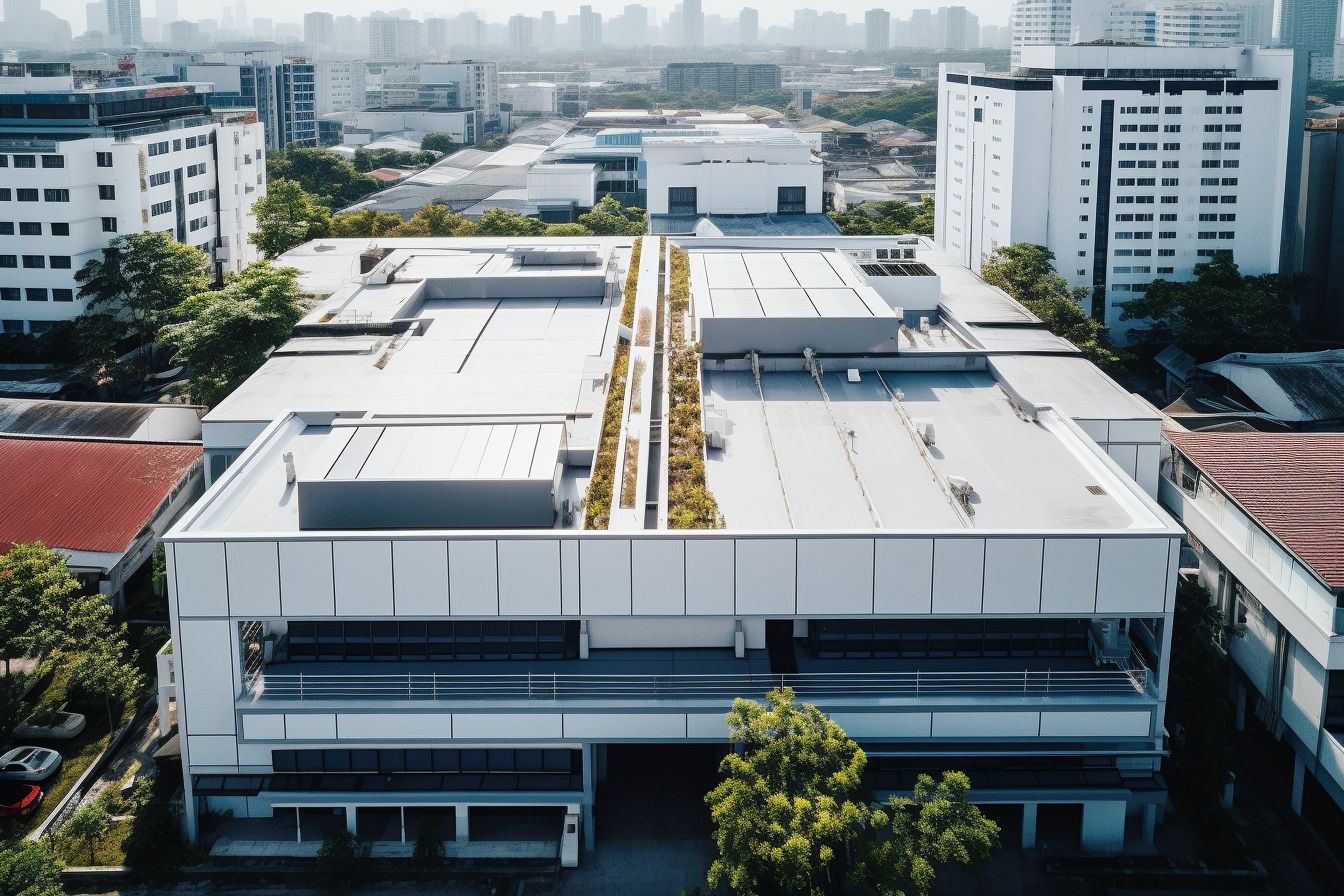
Heat-reflective roof coatings offer a range of benefits that can improve energy efficiency, extend the roof’s lifespan, and reduce cooling costs. They protect against UV damage and create a more comfortable indoor environment.
By choosing heat-reflective roof coatings, you can make your home or building more environmentally friendly while enjoying lower energy bills and increased comfort.
FAQs
1. How do heat-reflective roof coatings work?
Heat-reflective roof coatings reflect sunlight and reduce the amount of heat absorbed by the roof, thus keeping the building cooler.
2. Can I apply a heat-reflective roof coating myself?
You can apply a heat-reflective roof coating yourself with proper preparation and application techniques. However, it is recommended to hire a professional for best results.
3. What are the benefits of using heat-reflective roof coatings?
Using heat-reflective roof coatings can help reduce energy consumption, lower cooling costs, extend the lifespan of your roof, and create a more comfortable indoor environment.
4. Are there different types of heat-reflective roof coatings available?
Yes, different types of heat-reflective roof coatings are available, such as elastomeric acrylic or silicone-based coatings. Each type may have specific advantages depending on your roofing material and climate.
5. How long does a heat-reflective roof coating last?
The lifespan of a heat-reflective roof coating depends on various factors like product quality, weather conditions, and maintenance. Generally, these coatings can last 10 to 15 years before reapplication is needed.