

Is your roof looking old and worn out? It might be time to consider giving it a new life with a fresh coat of paint. This blog post will guide you through the essential steps of preparing your roof for painting, from initial inspection to final touches.
Would you be ready for a roofing transformation? Keep reading!
Key Takeaways
- Conduct a thorough roof inspection to identify any damage or issues that must be addressed before painting.
- Clean and sterilise the roof surface to remove dirt, debris, and other unwanted residues for better paint adhesion.
- Apply sealant to protect the roof from extreme weather conditions and prevent leaks and damages.
- Protect non-paintable areas such as vents, gutters, and flashing with plastic sheeting or painter’s tape during the painting process.
Understanding the Process of Roof Painting
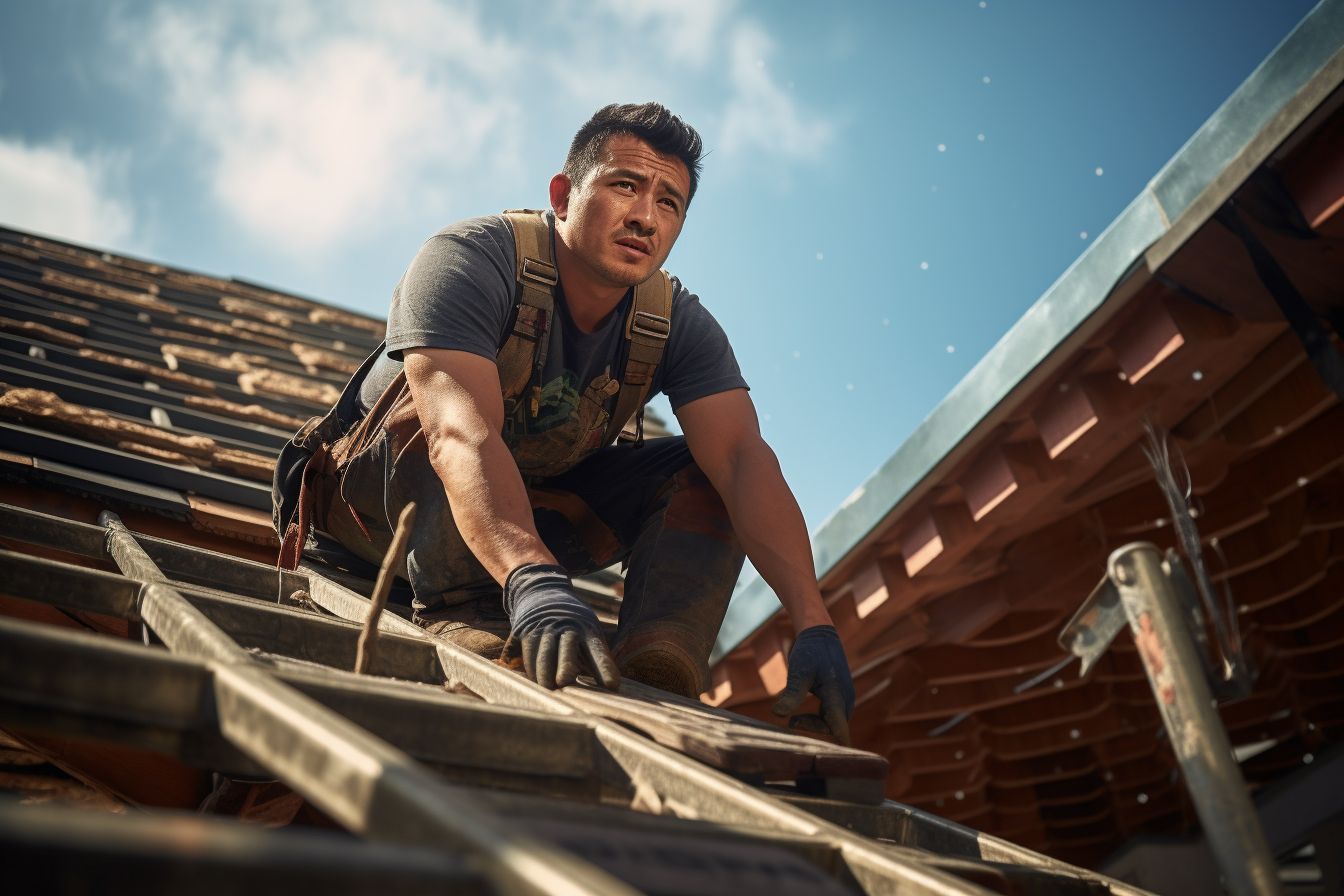
Roof painting involves several intricate steps to ensure a long-lasting finish. The process usually starts with a detailed roof inspection to look over the existing condition of your structure.
Each shingle is examined meticulously, identifying and replacing damaged or missing sections.
Next, roof cleaning takes precedence, ensuring that dirt, debris, moss, and other growths are entirely eradicated. This step contributes significantly to the uniform application of paint on the surface.
Following this critical cleansing phase, a sealant application becomes essential in preventing potential leaks and enhancing durability.
The next decisive task is choosing the right paint based on your specific needs and your home’s environmental conditions. Professional painting techniques adopted for applying these coats of paint evenly across every nook and corner of your roof’s surface area ensure a well-rounded finish lasting 10 to 15 years with regular maintenance checks.
In conclusion, understanding each step in the process helps you make informed decisions about materials used during roof restoration or even when hiring professionals for this specialised task.
https://www.youtube.com/watch?v=iexZow00dLs
Steps to Prepare Your Roof for Painting
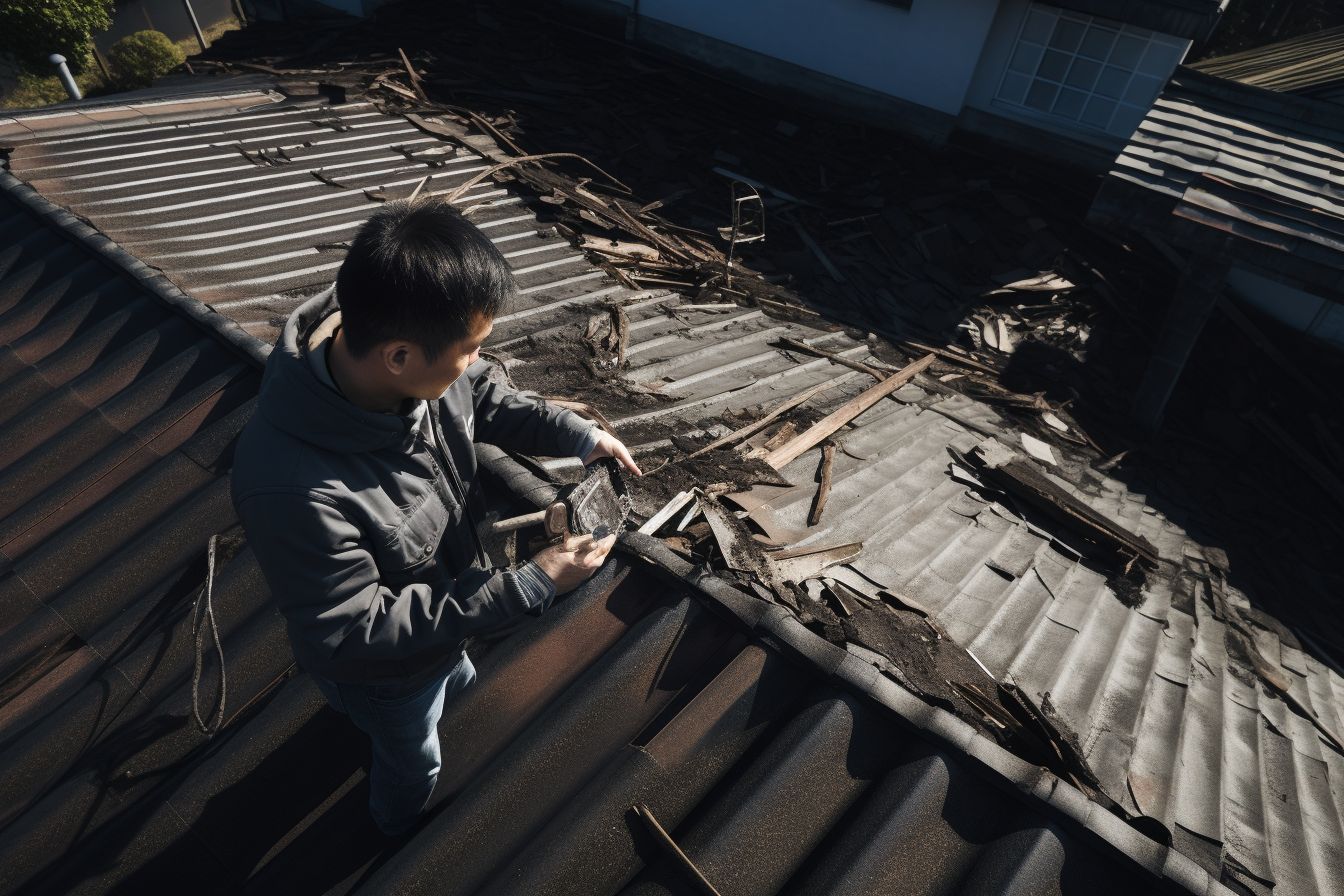
The first step is to thoroughly inspect your roof for any damage or issues that must be addressed before painting.
Roof Inspection
A thorough roof inspection is the first vital step in preparing your roof for painting. Professional roofing inspectors diligently investigate any signs of water infiltration and damage.
They possess the necessary skills to carefully examine shingles without causing harm — a delicate task not everyone can master.
Moreover, safety precautions are strictly followed during this process due to potential exposure hazards such as asbestos and paint fumes. This preparatory stage includes an extensive review of prior inspection reports, photographs, and construction documents.
This method ensures that roof maintenance preparation is scrutinized before the actual work begins. Following proper roof inspection guidelines, it becomes possible to prevent major issues down the line, making your new paint job last longer with minimum repairs needed.
Roof Cleaning and Sterilizing
Roof cleaning and sterilising are essential in roof maintenance and preparation for painting. Using a pressure washer has proven effective for efficient stain removal, especially for new or well-constructed roofs.
Another popular method is soft washing, which incorporates low-pressure water and soap solutions to rid the roof surface of dirt and other unwanted residues. A simple solution of water and mild detergent can effectively clean painted metal roofs before re-applicating paint designed specifically for metal surfaces.
It’s not just about cleanliness; this process also ensures better adhesion of sealants, primers, and coatings that protect your roof against weather elements while enhancing its longevity.
Sealant Application
Sealant application is a crucial step in preparing your roof for painting. It helps to protect the roof from extreme weather conditions and improve its longevity. Before applying the sealant, please thoroughly clean the area, removing any old caulk, moisture, loose particles, asphalt, tar, paint, wax, or rust.
The sealant acts as a protective coating that prevents leaks and other damages. Acrylic roof coatings are commonly used for this purpose. Properly applying the sealant ensures that your roof remains waterproof and durable for years to come.
Protecting Non-Paintable Areas
Protecting the non-paintable areas is crucial in preparing your roof for painting. These areas include vents, gutters, flashing, and other surfaces that should not be painted.
To prevent accidental paint application on these surfaces, it is important to cover them with a protective barrier such as plastic sheeting or painter’s tape. I want you to know that doing so ensures these areas remain untouched while the rest of your roof gets its much-needed makeover.
This extra precaution helps to maintain the functionality and appearance of these non-paintable areas and avoids any potential damage or moisture infiltration caused by paint.
Applying Primer and Paint
Choosing the right primer for your roof is crucial to ensure proper adhesion and longevity of the paint.
Choosing the Right Primer
The choice of primer is a crucial step in any paint project. The right primer can greatly enhance the success and durability of your final coating. When selecting a primer, there are several essential factors to consider.
First, choose a primer compatible with your painting surface, such as metal or wood. Additionally, opt for a primer that provides good adhesion to ensure the paint sticks properly.
Another important consideration is whether you need a water-based or oil-based primer. Water-based primers are often preferred for their low odour and ease of cleanup, while oil-based primers offer excellent stain-blocking properties.
Selecting the Appropriate Paint
Choosing the right primer and paint is crucial for a successful roof painting project. It’s important to have exterior-grade latex paint with an acrylic base on hand for roof shingles.
This type of paint is durable and weather-resistant, providing long-lasting protection for your roof. Selecting the appropriate paint is even more essential when painting a metal roof.
Clean, repair, and prime the metal surface before applying the paint to ensure proper adhesion and durability. You should consider using acrylic latex paint specifically formulated for metal roofs to achieve the best results.
Proper Application Techniques
To ensure a successful roof painting project, it is crucial to use proper application techniques when applying primer and paint. Could you start by cleaning the surface thoroughly, removing any loose paint or corrosion?
If there is rust on the roof, treat it with metal paint before proceeding. When choosing a primer, choose one suitable for your specific roofing material and condition.
Also, could you consider using water-based primers that can be applied to damp surfaces? To apply the primer and paint, you can use various methods, such as brushes, rollers, or sprayers, depending on your preference and the size of the area to cover.
Maintenance and Final Checks
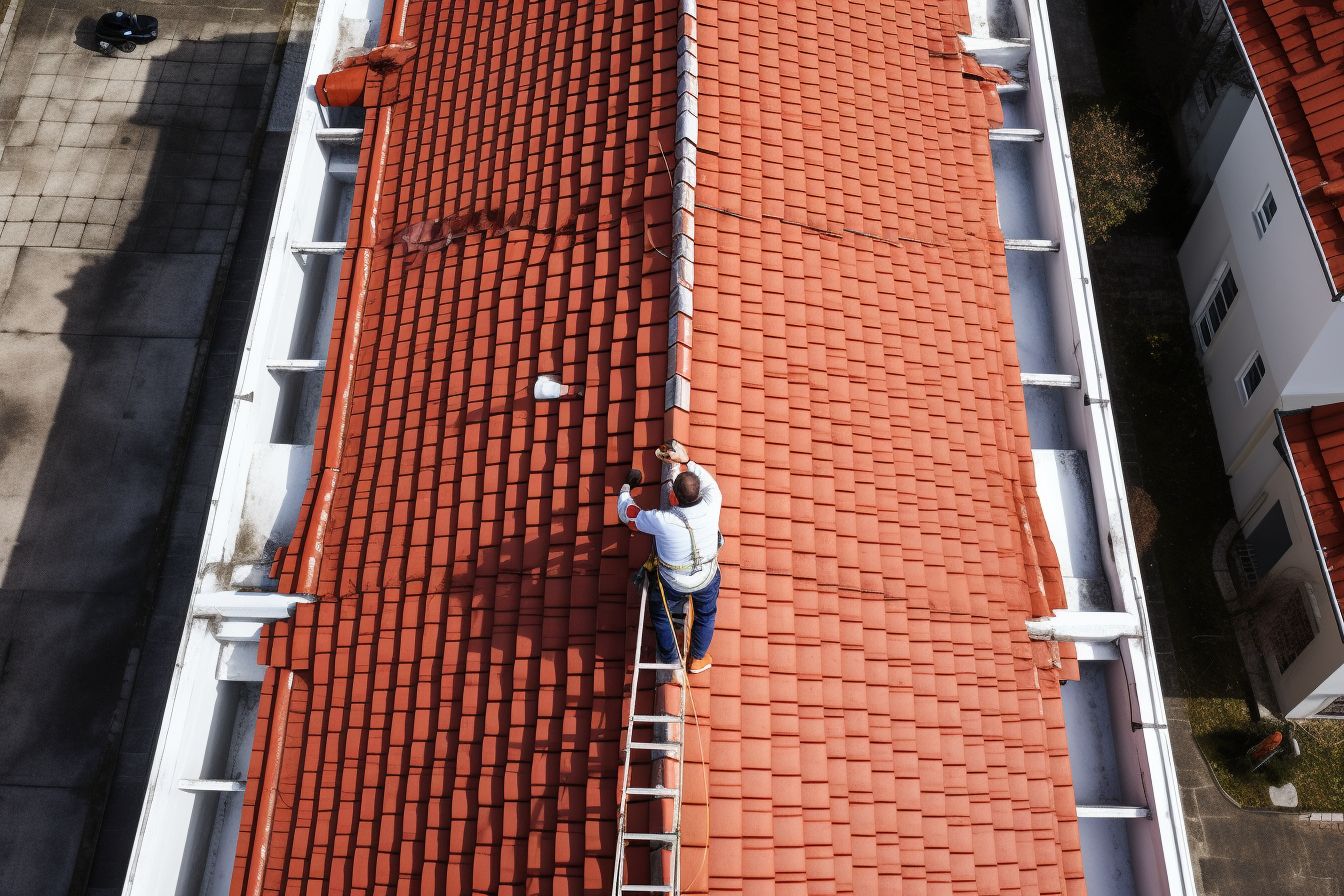
After completing the roof painting process, inspecting the painted roof surface thoroughly is important. Look for any imperfections or areas that may need touch-ups.
Also, regular maintenance should be done to ensure the longevity of your newly painted roof.
Inspecting the Painted Roof
Inspecting the painted roof is crucial in maintaining its longevity and appearance. A qualified roofing inspector will assess the condition of your roof, checking for any signs of water damage, such as stains or mould growth.
They will also inspect the shingles to ensure they are intact and in good condition. Structural integrity will be evaluated to identify any potential issues that could compromise the safety of your roof.
The interior of your home may also be inspected for any signs of damage caused by leaks or other roofing problems. Additionally, surface damage on the painted roof, such as chips or peeling paint, will be examined for necessary touch-ups or repainting.
Touching Up Any Imperfections
To achieve a flawless and professional-looking painted roof, touching up any imperfections before considering the job complete is essential. By regularly inspecting the painted surface, you can identify areas that need fixing, such as small cracks or paint mistakes.
These imperfections can be easily rectified by applying touch-up paint or using specially designed pens for scratches on metal roofs. Taking the time to address these minor flaws will ensure that your painted roof looks its best and maintains its longevity over time.
Properly preparing the substrate for paint is crucial in avoiding future imperfections, so please follow the necessary steps to avoid any potential issues.
Regular Maintenance for Longevity
Regular maintenance is crucial for ensuring the longevity of your roof. You can proactively preserve your roof’s condition and prevent costly repairs by implementing routine upkeep and consistent servicing.
Performing periodic inspections and yearly checkups allows you to identify potential issues early on, such as loose or broken shingles or signs of wear and water damage. With timely repairs and preventive maintenance, you can extend the lifespan of your roof and protect the investment made in your home.
Remember, regular monitoring and proactive upkeep are key to keeping your roof in good shape year after year.
Conclusion
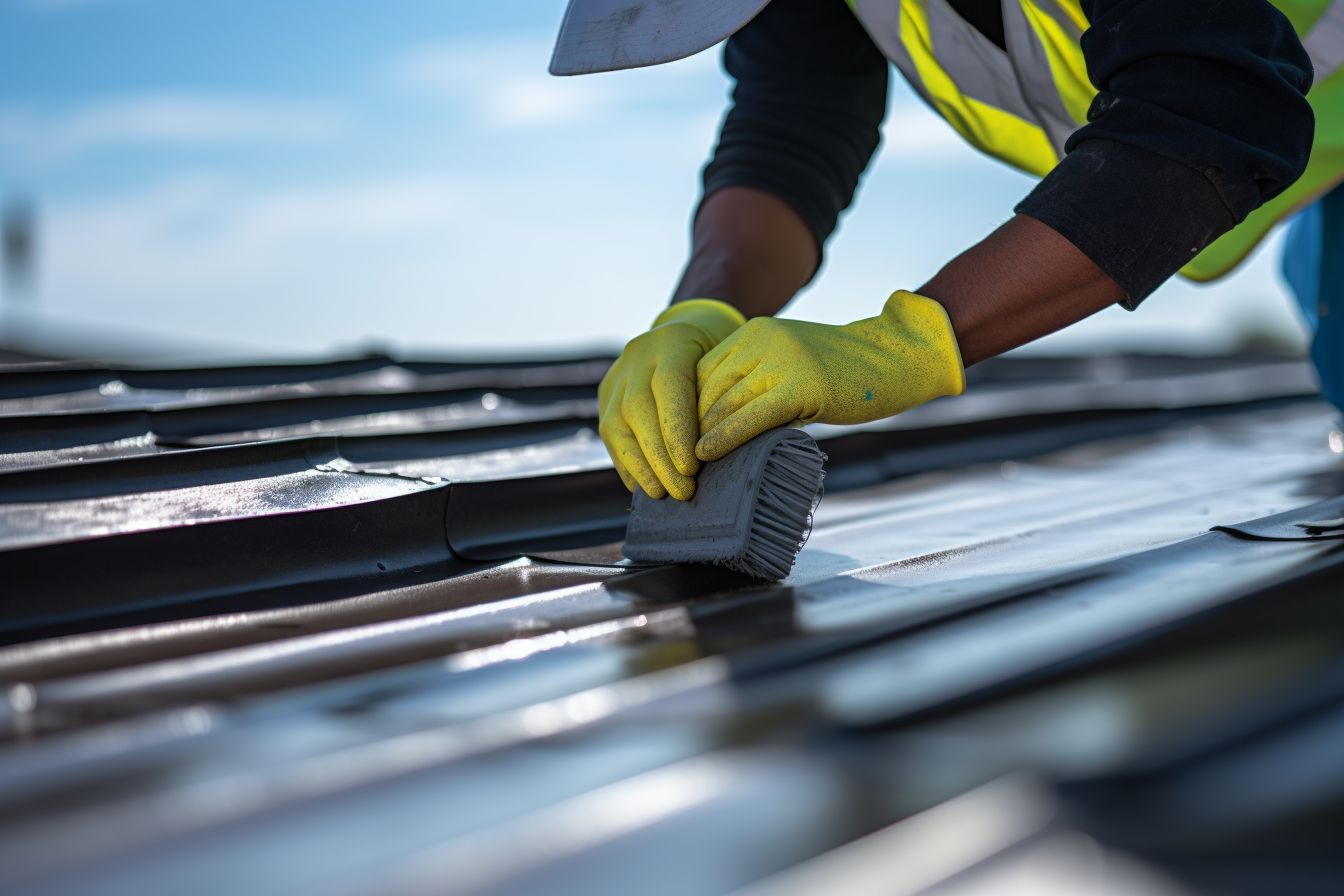
In conclusion, preparing your roof for painting is crucial to ensure a successful and long-lasting result. By conducting a thorough inspection, cleaning the surface, applying sealants, and protecting non-paintable areas, you can create the ideal foundation for painting.
Please remember to choose the right primer and paint, use proper application techniques, and perform regular maintenance for the best results. Now, you’re ready to transform your roof with a fresh coat of paint that enhances its appearance and protects against the elements.
FAQs
1. Do I need to clean my roof before painting it?
Yes, cleaning your roof before painting is important to remove any dirt, debris, or mould that could affect the paint’s adhesion.
2. How do I clean my roof in preparation for painting?
You can clean your roof using a pressure washer or a scrub brush with water and mild detergent. Could you be sure to rinse off any soap residue thoroughly?
3. Can I paint over existing peeling or flaking paint on my roof?
No, removing any loose or peeling paint from your roof is recommended before applying new paint. This will ensure better adhesion and a longer-lasting finish.
4. Should I apply a primer before painting my roof?
Using a primer is highly recommended as it helps the paint adhere better and provides an even surface for the topcoat. Could you make sure to choose a primer suitable for your roofing material?
5. Should I consider anything else when preparing my roof for painting?
Before starting the painting process, please look over your roof for any damaged areas that require repairs. Choosing the right type of paint specifically designed for roofs and weather conditions in your area is also important.