

Is your roof showing signs of wear and tear? Did you know that an average asphalt shingle roof lasts around 20 years? This blog post will outline the key indicators for replacing those shingles, guiding you through when and how to undertake this essential home maintenance task.
Ready for a crash course in roof care? Dive in!
Key Takeaways
- The age of the shingles plays a significant role in determining when to replace them, with asphalt shingle roofs typically lasting around 20 to 25 years.
- Premature failure, often caused by faulty installation or poor attic ventilation, is another key indicator that replacing roof shingles is time.
- Storm damage, including high winds and hailstorms, can cause immediate damage and create a need for roof repairs or replacement.
Signs that indicate it’s time to replace roof shingles

The age of the shingles, premature failure, and storm damage indicate that it’s time to replace roof shingles.
Age of the shingles
The age of the shingles plays a substantial role when it comes to roof maintenance and replacement. Generally, asphalt shingle roofs have a lifespan of 20 to 25 years. However, if there’s an old layer beneath the new one, replacing it becomes necessary after just 20 years.
The roofing material can also affect longevity, with clay tile roofs lasting up to 100 years. On the other hand, metal roofs offer a duration between these two extremes of around 40 to 80 years.
Such variations underscore why knowing your shingle’s age is crucial in identifying signs of wear and deciding on timely replacements for optimal roofing health.
Premature failure
Premature failure of roof shingles tops the list of reasons for early roof replacement. Faulty installation processes and poor attic ventilation hugely contribute to this issue. Asphalt roofs, particularly the old-style ones, typically show signs of failure after about 14 years.
Please pay attention to these red flags; it may lead to more expensive repairs in the future. Water damages interiors and threatens structural integrity if neglected over time. Regular maintenance and timely replacements can significantly extend your shingle roof’s lifespan and save you from unnecessary expenses in the long run.
Storm damage
Storm damage wreaks havoc on roof shingles, leaving visible signs that might require replacement. High winds rip off shingles with existing cracks or peeling layers, creating an immediate need for roofing repairs.
Even intact shingles are not immune to the destructive power of hailstorms, as they can rapidly dislodge them from your roof.
Dents, distortions, fractures and circular asphalt patterns are scattered across the eavestroughing and rooftop due to these intense weather conditions. Debris, such as tree branches and rocks from high winds, crack the shingles or blow them off completely.
Severe storm damage also includes more pronounced issues like water leaks infiltrating your home’s interior and loose debris littering your yard post-storm. Spotting missing or damaged shingles early aids in minimising further damages while staying ahead with proactive roof maintenance.
Process of Replacing Roof Shingles

Replacing roof shingles involves several steps to ensure a successful installation. Here is an overview of the process:
- Remove the existing shingles: Start by removing all the old shingles from the roof. This requires careful removal of nails and any adhesive used to secure them.
- Inspect the roof deck: After removing the shingles, inspect the roof deck for any signs of damage or rot. If any issues are found, they should be repaired before installing new shingles.
- Install underlayment: Apply a layer of underlayment over the roof deck to provide an additional barrier against moisture. This helps protect your home from potential leaks.
- Begin installing new shingles: Start at the bottom edge of the roof and work your way up, overlapping each row of shingles as you go. Use roofing nails to secure each shingle in place.
- Replace flashing and vents: While replacing shingles, it’s also important to inspect and replace any damaged or deteriorating flashing and vent boots. These components help prevent water infiltration around your roof’s chimneys, skylights, and other openings.
- Clean up and finalise installation: Once all the new shingles are installed, clean up any debris from the job site. Could you double-check that all nails are secured properly and make necessary adjustments to ensure a neat, professional-looking finish?
Factors to consider when replacing roof shingles
Consideration must be given to factors such as selling your house, budgeting for replacement, and seeking multiple opinions and educational resources on roof replacement. Please read more and make sureure you’re well-informed before making any decisions.
Selling your house
Replacing your roof before selling your house could lead to a higher sale price. Sellers typically recoup around 60% of the cost of replacing a roof when selling their home.
According to a Zillow Group Consumer Housing Trends Report, about 18% of sellers reported replacing or repairing their roof before putting their house on the market. Adding a new roof can also increase the overall value of your home and positively impact its resale value.
It’s not uncommon for buyers to request that sellers pay for a new roof as part of the negotiation process, so investing in this upgrade could be beneficial when it comes time to sell.
Budgeting for replacement
Replacing your roof shingles is a significant investment, so it’s essential to budget accordingly. The cost of a roof replacement can vary depending on factors such as the size and slope of your roof, the type of roofing material you choose, and any additional repairs that may be required.
On average, you can expect to pay between $12,000 to $15,000 for a new roof. Remember that opting for repairs instead of a full replacement can be more affordable, with costs ranging from $150 to $7,000.
Please be sure to look for multiple opinions and estimates from reputable roofing contractors before deciding.
Seeking multiple opinions
Consulting with experts and seeking multiple opinions is crucial when replacing roof shingles. You can get the best deal by contacting various roofing contractors and comparing their quotes.
Considering different opinions and perspectives will help you make an informed decision about the replacement process. This will allow you to consider roofing best practices and provide valuable advice on choosing the right materials for your specific needs and preferences.
This way, you can have peace of mind knowing that you’ve explored all options before making a final decision.
Educational resources on roof replacement
Learn all about roof replacement and the factors to consider before replacing your shingles with the help of these educational resources:
- Understand the signs for roof shingle replacement and the benefits of a full roof replacement.
- Discover how to assess minor roof damage and determine if a complete replacement is necessary.
- Learn about the different types of roofs and their varying lifespans, maintenance needs, and repair approaches.
- Find out how to budget for a roof replacement and consider factors such as selling your house or seeking multiple opinions.
- Access educational resources that provide valuable information on roof replacement and enhance your understanding of the process.
- Ask roofing contractors important questions before deciding on roof replacement.
Conclusion
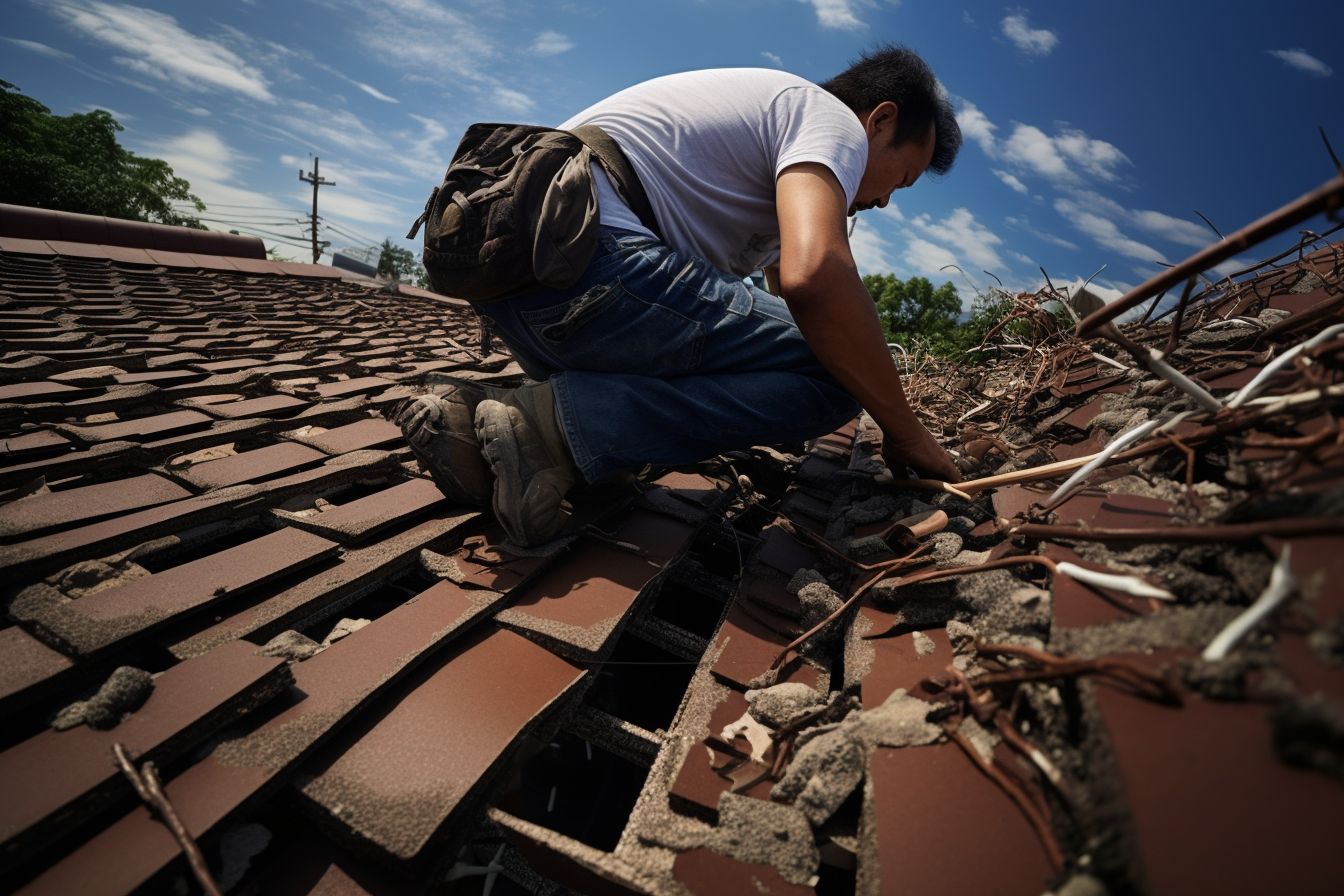
Knowing when to replace your roof shingles is crucial for maintaining the integrity of your home. Signs such as cracked or bald shingles, storm damage, and the age of the shingles are clear indicators that it’s time for a replacement.
By looking for these warning signs and addressing them promptly, you can ensure that your roof stays in good condition and protects your home from water damage. Don’t overlook these signs – schedule a professional inspection today to determine if it’s time to replace your roof shingles.
FAQs
1. How do I know when to replace my roof shingles?
You can tell it’s time to replace your roof shingles if you notice missing or damaged shingles, leaks in your attic or ceiling, or signs of wear and tear, such as curling or cracking.
2. What is the average lifespan of roof shingles?
The average lifespan of roof shingles varies depending on the material used. Asphalt shingles typically last around 20-30 years, while metal and slate shingles can last much longer, up to 50 years or more.
3. Can I repair individual damaged shingles instead of replacing the entire roof?
Yes, you can repair individual damaged shingles if only a few isolated areas need attention. However, replacing the entire roof may be more cost-effective if widespread damage or multiple sections are affected.
4. Should I hire a professional to replace my roof shingles?
It is recommended to hire a professional roofing contractor to replace your roof shingles as they have the expertise and experience needed for proper installation and to ensure the longevity of your new roofing system.
5. Are there any warning signs that indicate immediate replacement of roof shingles?
Some warning signs that indicate immediate replacement include severe water damage inside your home, extensive mould growth on walls or ceilings near the attic area, or sagging sections in the roof structure – all pointing towards serious underlying issues requiring urgent attention and replacement of your roof shingles.