
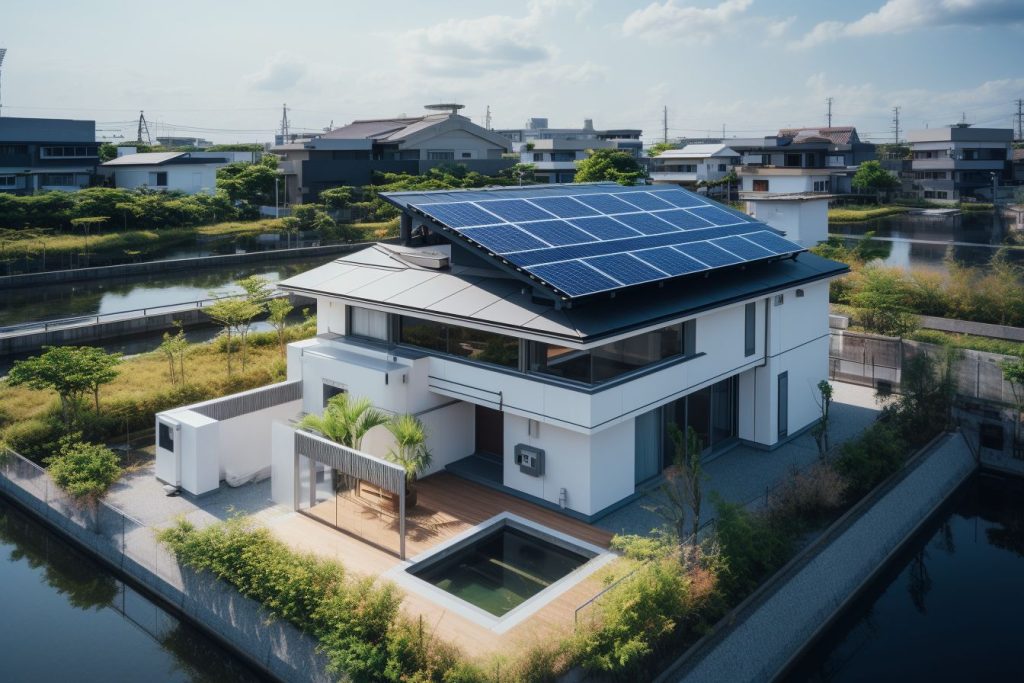
Controlling the temperature within your home can be quite challenging when elements like roofing are overlooked. Did you know, for instance, that a dark roof in direct sunlight can be 10 to 15°F hotter than the wood beneath its surface? This article will guide you on how different roofing materials and configurations influence your home’s interior temperature.
Please stick with us to learn about energy-efficient options that make your home comfortable and reduce cooling costs significantly.
Key Takeaways
- Different types of roofing materials have varying effects on a home’s temperature, with traditional dark-coloured asphalt roofs absorbing excess heat from the sun.
- Advancements in roofing technology, such as cool roofs and walls, can significantly reduce heat gain in homes by reflecting sunlight and lowering interior temperatures.
- The colour of your roof also impacts home temperature, with lighter colours like white reflecting more sunlight and keeping the roof cooler than darker colours.
- Proper attic ventilation is crucial for controlling moisture levels and preventing excessive heat build-up in your home.
Factors Affecting Home Temperature
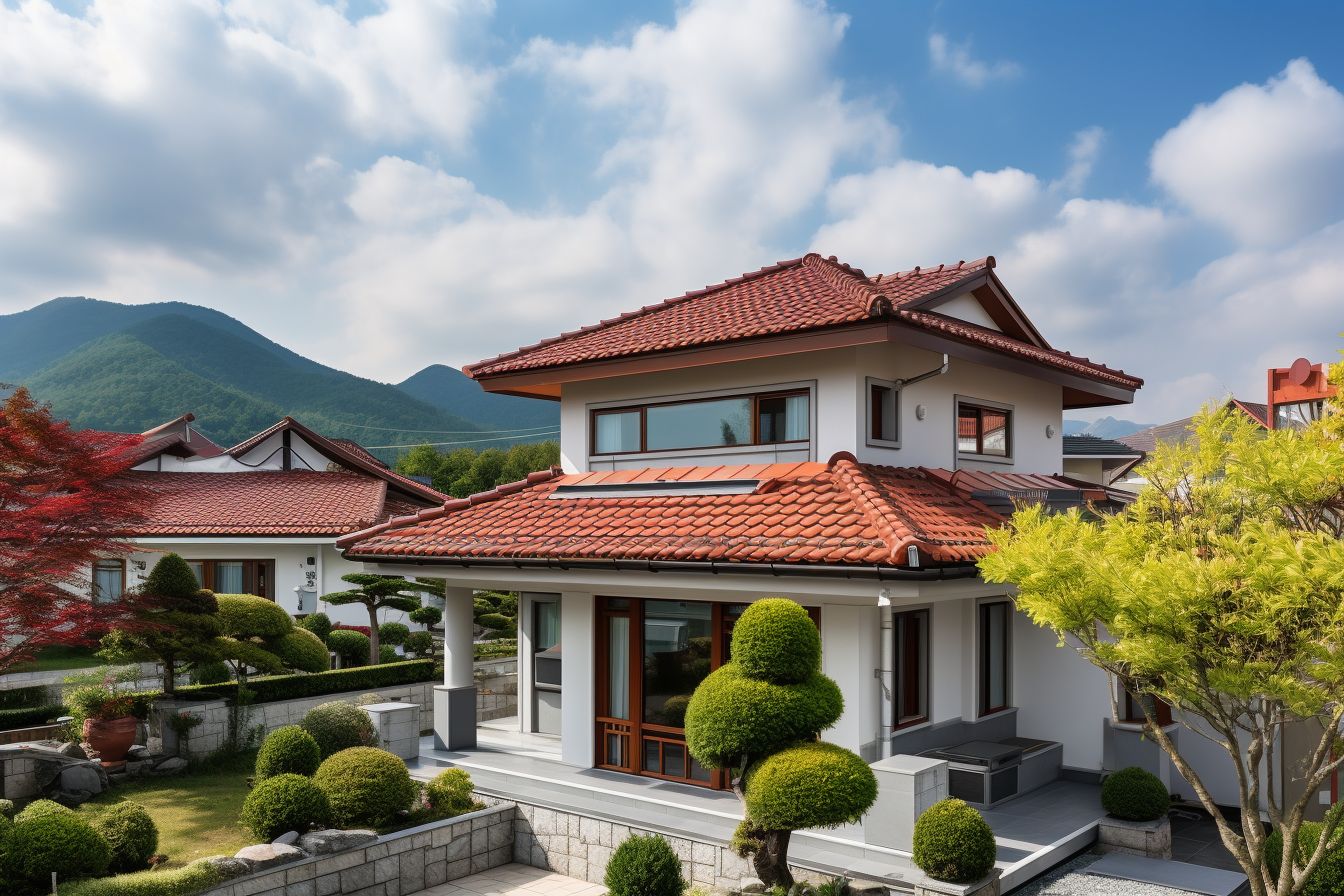
The factors that influence home temperature include the type of roofing material used, the technology employed in the roofing, the colour of the roof, and the construction and ventilation of both the roof and attic.
Roofing Material
Different types of roofing materials have varying effects on a home’s temperature. For instance, a traditional, dark-coloured asphalt roof can absorb excess heat from the sun. This increase in solar radiation absorption often leads to temperatures soaring beyond 170°F.
On the other hand, metal roofs reflect sunlight away from your house instead of absorbing it, resulting in a cooler interior and more energy efficiency. Also worth considering is cool roofing technology that combines high solar reflectance with excellent thermal emittance capabilities to keep homes significantly cooler than conventional roofs would allow.
So clearly, making a smart choice about your roofing material directly impacts indoor comfort and energy consumption levels in your home.
Roofing Technology
Advancements in roofing technology have significantly impacted how a home absorbs heat. Materials such as asphalt and metal are seen to absorb more heat, while cool roofs reflect sunlight, keeping interior temperatures lower.
These technological developments help manage heat absorption and reflection depending on your roof’s colour and material. More intricate designs even reduce heat islands while saving energy and achieving comfortable indoor temperatures.
Cool roofs and walls offer an effective method to limit the amount of heat gain in homes by using these roofing technologies.
Colour of Roof
The colour of your roof significantly impacts home temperature and energy efficiency. Light-coloured or white roofs, for instance, can drop indoor temperatures by a surprising 20-30 degrees Celsius in hot climates like Arizona.
White roofing products reflect about 60 – 90% of sunlight, keeping the roof cooler under the sun’s rays. Choosing a grey roof offers versatility as it absorbs more heat than lighter colours but doesn’t overheat like black roofs.
Hence, achieving energy efficiency becomes feasible when choosing light greys, beiges or white to ensure sunlight reflection and lower heat absorption.
Roof Construction & Attic Ventilation
Roof construction plays a crucial role in managing home temperature. The materials used, such as asphalt or metal, influence how much heat the house absorbs or reflects. For example, homes with cool roofs and walls of high solar reflectance and thermal emittance materials experience less heat gain.
This type of roof is energy efficient as it mirrors sunlight away from the building and absorbs less solar warmth.
In addition, attic ventilation systems are significant in controlling moisture levels in the home. Properly ventilated attics prevent problems like mould growth and structural damage caused by damp conditions.
However, poor attic ventilation can result in excessive heat build-up in your loft space, leading to increased internal house temperatures. Therefore, efficient roof construction techniques and effective attic ventilation contribute largely to maintaining ideal home temperature levels.
Energy-Efficient Roofing Options

Several energy-efficient roofing options are available for homeowners seeking to reduce their energy consumption and create a more temperature-regulated indoor environment.
| Energy-Efficient Roofing Option | Description |
|---|---|
| Metal Roofs | Metal roofs are known to reflect most of the sun’s light and heat, resulting in a cooler and more energy-efficient home. They are durable, low maintenance, and come in various styles and colours. |
| Cool Roofs | Recommended by the Department of Energy, cool roofs are designed to reflect more sunlight and absorb less heat, which helps to reduce energy consumption and maintain lower temperatures inside a home. Their implementation also aids in reducing the heat island effect in urban areas. |
| ENERGY STAR-certified Roofs | Investing in an ENERGY STAR-certified roof can significantly reduce a home’s peak cooling demand. This type of roof can reflect the sun’s radiation away from the house, reducing heat transfer to the attic and interior spaces and saving energy. |
Remember, the best choice for your home will depend on various factors, including your local climate, budget, and personal preferences. It is always worthwhile to weigh the benefits of each option against these considerations.
Impact of Roofing on Home Temperature
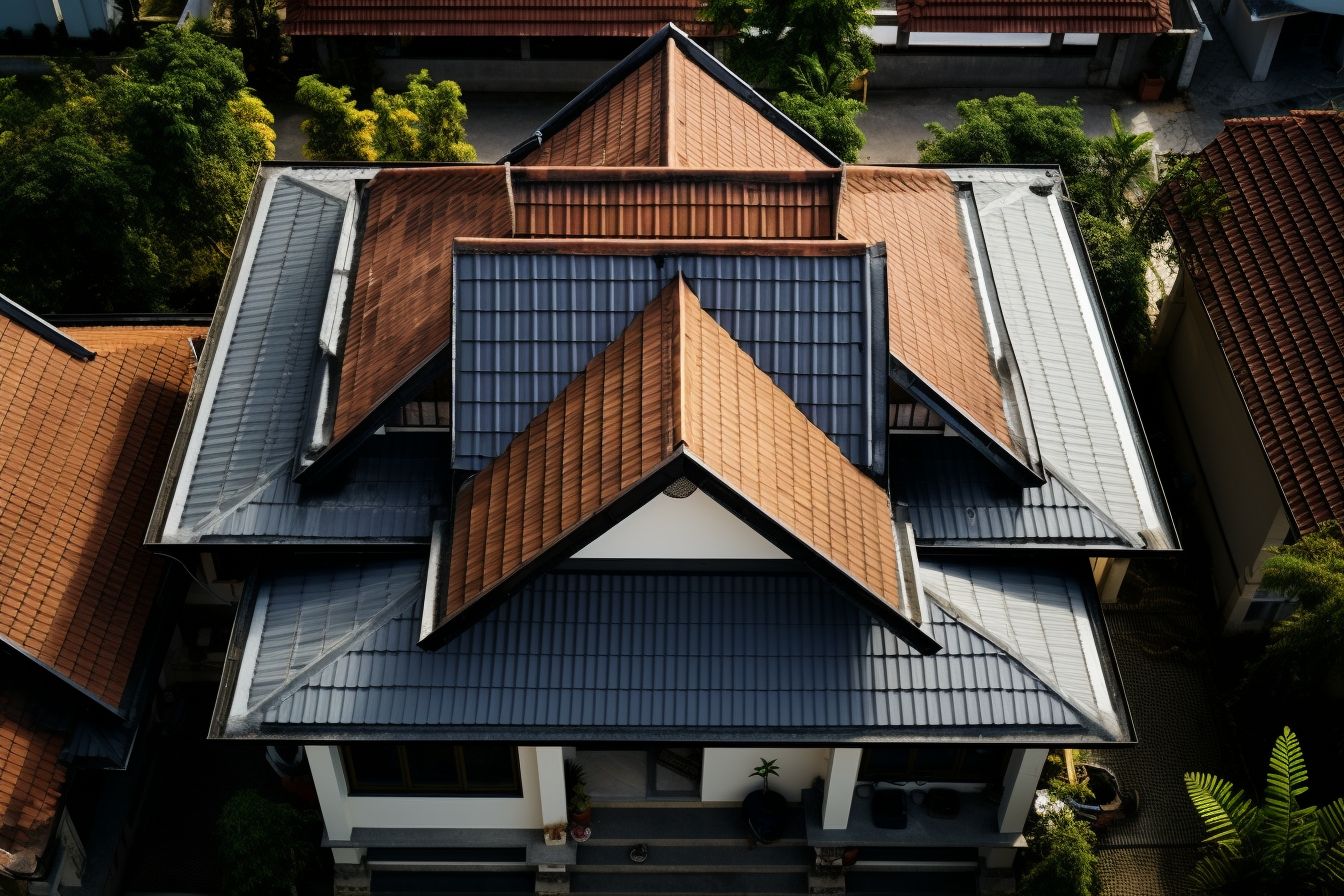
The choice of roofing material plays a crucial role in absorbing or reflecting heat, directly affecting your home’s interior temperature. For instance, conventional roofs can easily reach scorching temperatures of over 150°F on hot summer days, creating an uncomfortable living environment by raising indoor temperatures to unbearable levels.
Metal roofing offers no respite, either. It tends to amplify indoor warmth to such extremes that occupancy becomes hard for residents. On the other hand, going with reflective roofs could be a game-changer – these remain significantly cooler than their counterparts under similar conditions.
The difference can go beyond 50°F! Colour also influences how much solar heat your roof gains – dark-coloured surfaces are prone to reaching a staggering 170°F during sunny periods due to high heat absorption rates.
Selecting energy-efficient and sustainable roofing solutions enhances thermal insulation and improves home temperature regulation. They offer increased resistance against the sun’s radiant energy, leading to less solar heat gain and thus contributing immensely towards maintaining a consistent interior comfort level throughout the year.
Conclusion

Choosing the right roofing significantly influences a home’s temperature. A well-ventilated and reflective roof reduces heat absorption, offering cool spaces during hot days. Moreover, energy-efficient roofing options maintain a comfortable indoor climate and contribute to substantial savings on cooling costs.
So, your choice of roofing material and colour should balance aesthetics and functionality for an optimally controlled home temperature.
FAQs
1. How does roofing affect home temperature?
The type and condition of roofing materials can impact home temperature by absorbing or reflecting sun heat.
2. Which roofing material is best for maintaining a cooler home temperature?
Roofing materials with high reflectivities, such as white or light-coloured roofs, are generally better at keeping homes cooler by reflecting sunlight away.
3. Can I reduce my energy bills by choosing the right roofing material?
Choosing an energy-efficient roofing material can help reduce your energy bills by minimising heat transfer into your home during hot weather.
4. How often should I inspect and maintain my roof to ensure optimal insulation and temperature control?
Regular inspections and maintenance are recommended to ensure your roof remains in good condition for effective insulation and temperature control.
5. Are there any additional measures I can take to improve the cooling effects of my roof?
Installing proper attic insulation ventilation systems or using reflective coatings on your roof can further enhance its ability to keep your home cool.