

Are you wondering why your energy bills are soaring? It’s likely that the colour of your roof is contributing more to this than you realised. This blog will delve into how different roof colours impact energy consumption and ways to optimise it for cost-efficiency.
Stay tuned, because what comes next could save you a significant amount on your electricity bill!
Key Takeaways
- Dark roof colors absorb more heat, leading to higher energy bills.
- Light – colored roofs reflect sunlight and reduce the need for air conditioning.
- Lighter shades of roof colors are considered the most energy – efficient.
- Choosing an energy-efficient roof color can lead to long-term cost savings.
How Roof Color Affects Energy Bills
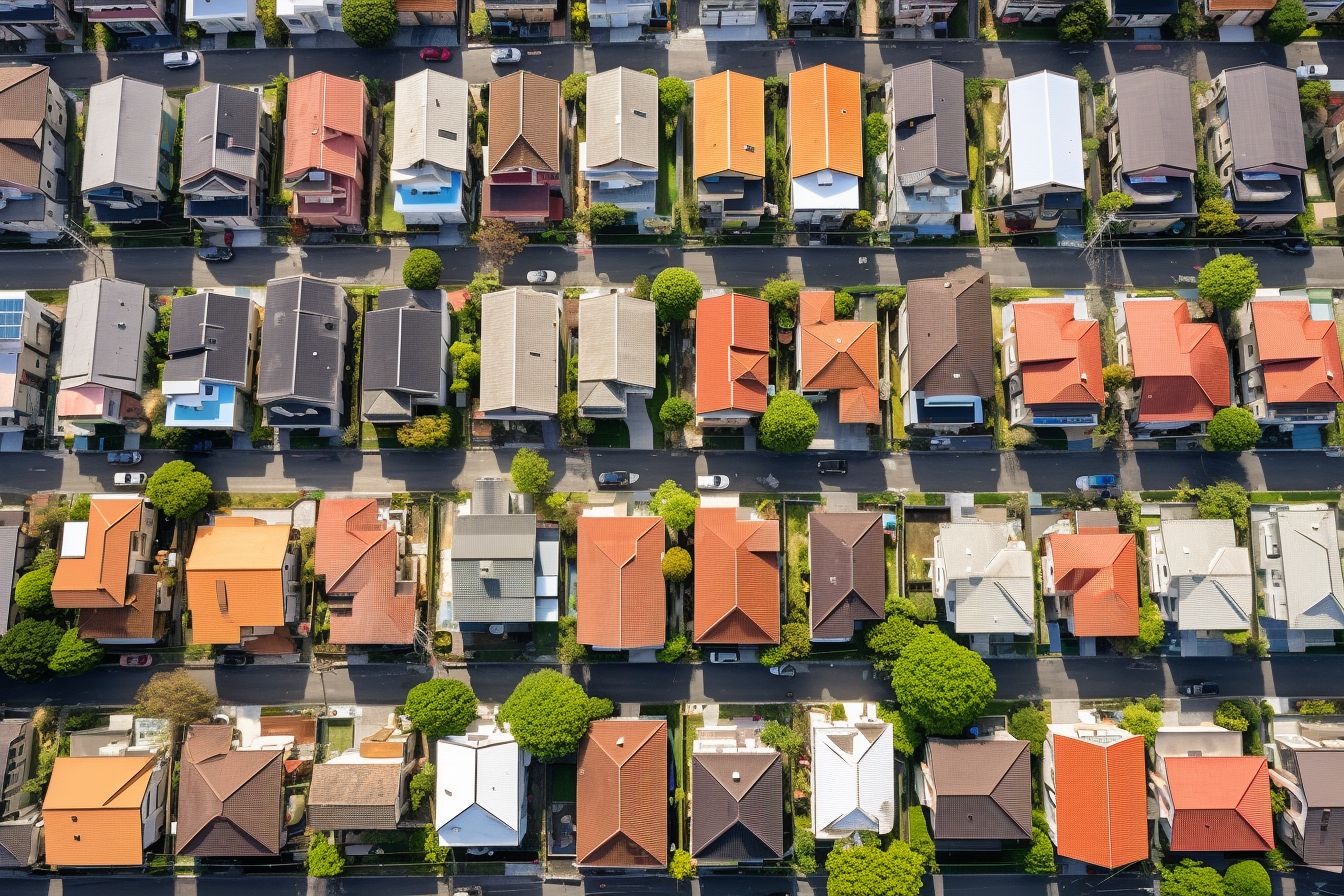
The color of a roof has a significant impact on energy bills, with darker roofs absorbing more heat and increasing cooling costs.
Dark vs. Light Roof Colors
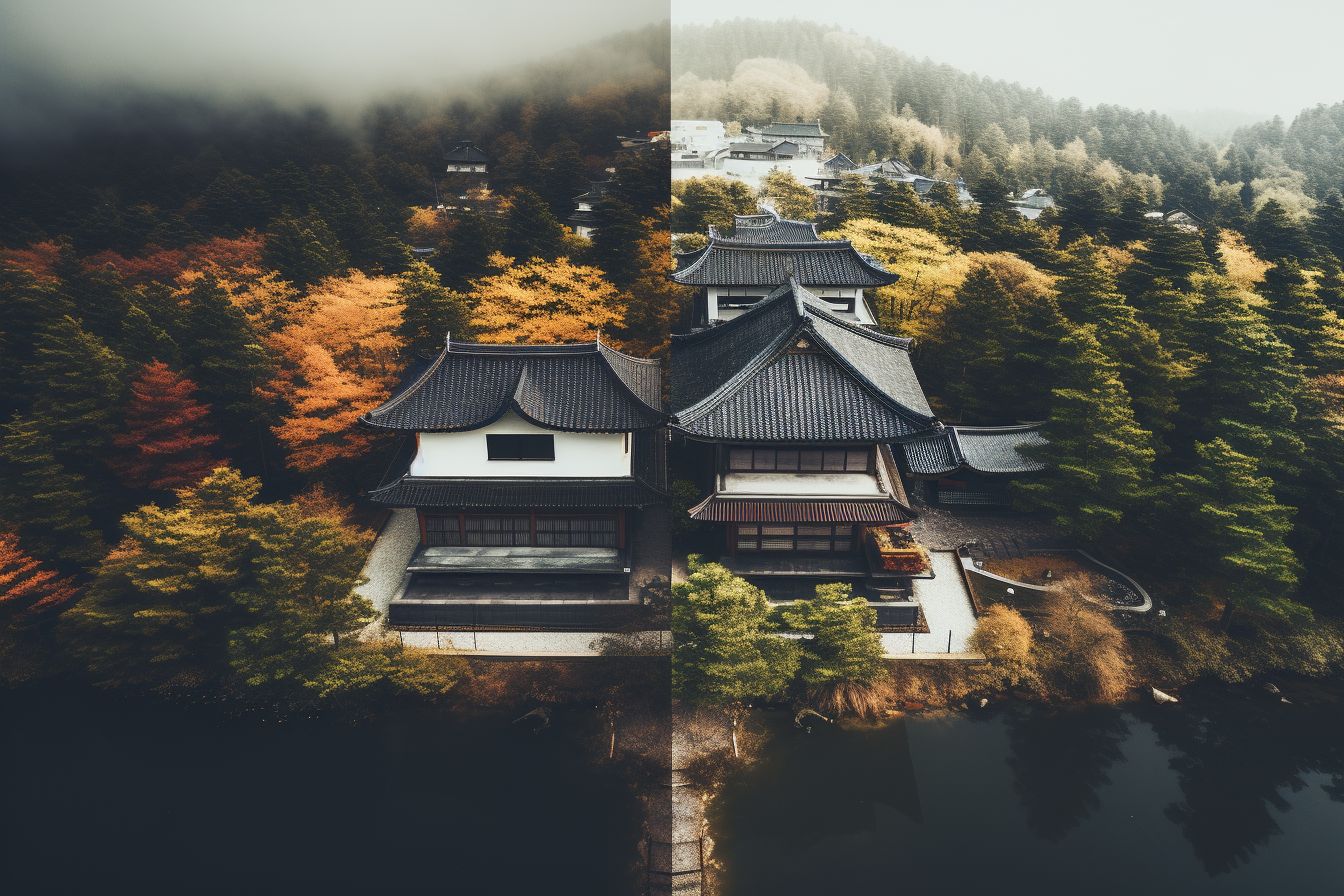
When considering roof colours, it’s crucial to understand the impact of dark and light shades on energy bills.
| Dark Roof Colors | Light Roof Colors |
|---|---|
| Darker roof colors absorb more heat, raising the temperature of the building and leading to higher energy bills due to increased cooling requirements. | Light-colored roofs reflect more sunlight, which keeps the building cooler and reduces energy costs by decreasing the need for air conditioning. |
| Dark-shingled roofs have a higher surface temperature, contributing to the urban heat island effect. | Lighter shades conserve energy better by reflecting heat, solar radiation, and light, keeping the surface temperature lower and the building cooler. |
| Dark-colored roofs may create a sleek color design, but the benefits are primarily aesthetic and come at the cost of higher energy consumption. | Choosing a lighter metal roof color can help keep the home cooler, reducing energy bills. White roofs are especially popular in commercial properties due to their superior energy efficiency. |
Reflectivity and Heat Absorption
Cool roofs illustrate the concepts of reflectivity and heat absorption perfectly. Designed to reflect more sunlight than traditional roofs, they absorb less solar energy. This design leans heavily on the colour of your roof.
Lighter shades and reflective materials cut down solar heat absorption significantly, cooling both the building and surrounding air. Dark shingles push up temperatures by absorbing more heat, making any structure noticeably hotter in summer months when compared with buildings sporting lighter-coloured roofing options.
Preference for light or reflective coloured-roofs can contribute to reduced energy wastage and consequently lower energy bills as well as ease off the urban heat island effect – a common situation in densely-populated areas where dark surfaces trap heat but white or light-colored ones repel it.
The Most Energy-Efficient Roof Colors
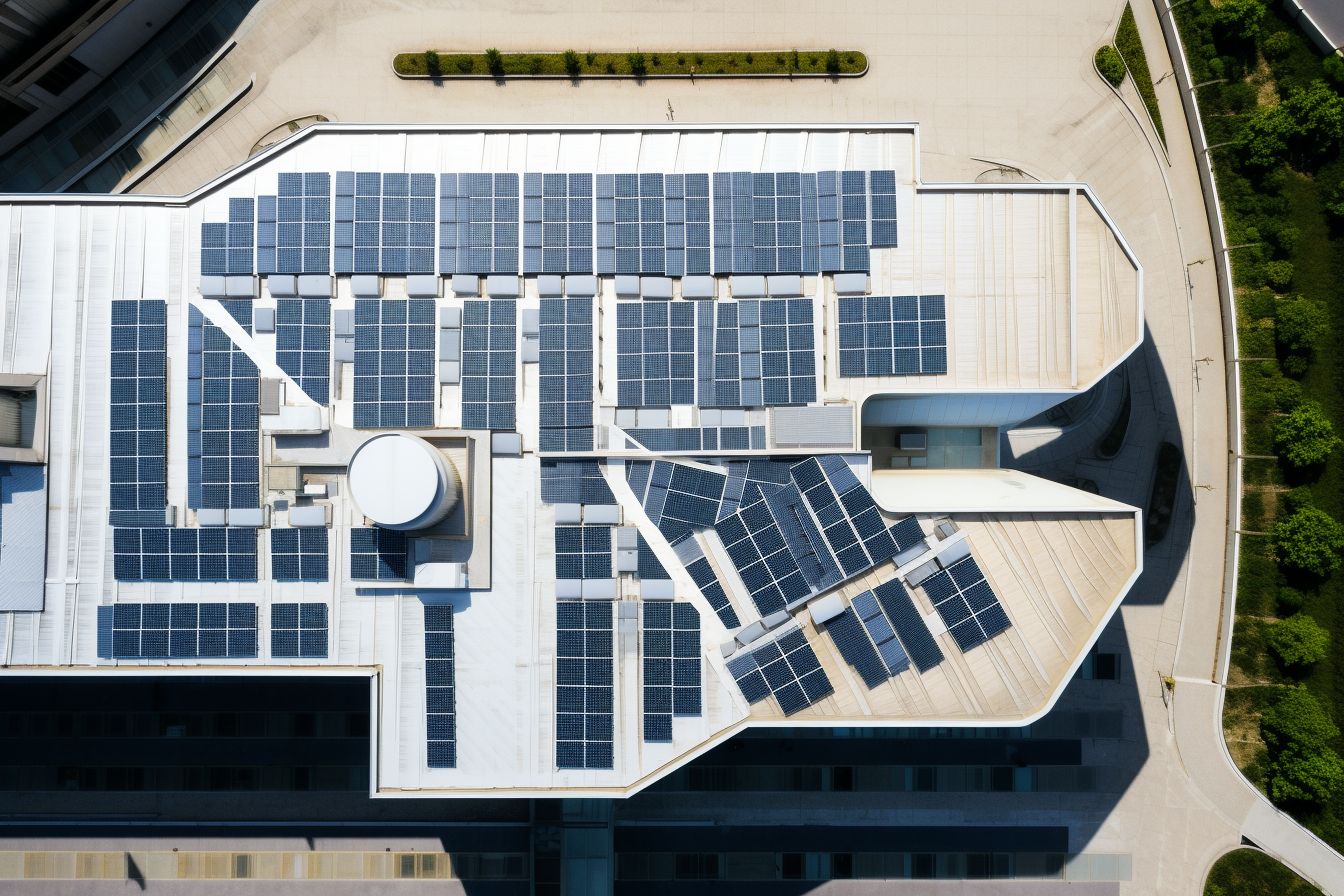
Lighter shades of roof colors are considered to be the most energy-efficient, as they reflect more sunlight and reduce heat absorption compared to darker colored roofs.
Lighter Shades for Cooling
Lighter roof shades, including white and light grey, excel at reflecting solar radiation. More sunlight gets bounced back into the atmosphere instead of being absorbed by your roof.
This leads to lower heat gain in your house, reducing the demand on air conditioning systems during hot weather. Take for instance light-coloured asphalt shingles coated with cool-coloured granules – they’re an excellent choice for a more energy-efficient home.
Solar heat reduction roofing is another popular option within lighter coloured selections. Such options help maintain a cooler interior environment while contributing to significant energy savings over time.
Light-toned roof coverings are not only aesthetically pleasing but also serve as practical elements that promote sustainability and efficiency in homes across various climates.
Benefits of Cool Roofs
Cool roofs come with a slew of advantages, contributing significantly to energy efficiency.
- They increase solar reflectance, enabling the roof to bounce back more sunlight than traditional roofs. This reduces solar energy absorption.
- These roofs play a crucial role in maintaining comfortable building temperatures. With less heat absorption, they limit the need for air conditioning.
- Cool roofs are a wise choice as they offer considerable energy savings. Single – story buildings can enjoy savings of up to 15% on their usual energy bills.
- Lighter colour cool roofs provide superior results as compared to darker shades. They boast the highest level of solar reflectance and thermal emittance.
- The effect of cool roofs extends even within your home. Such roofing solutions keep attics and ducts cooler, further reducing energy costs.
- Apart from individual benefits, cool roofs contribute to larger environmental factors as well. By absorbing lesser sunlight and heat, they facilitate cooler outside air temperature – an effective way to mitigate the urban heat island effect.
How Roofing Affects Home Temperature
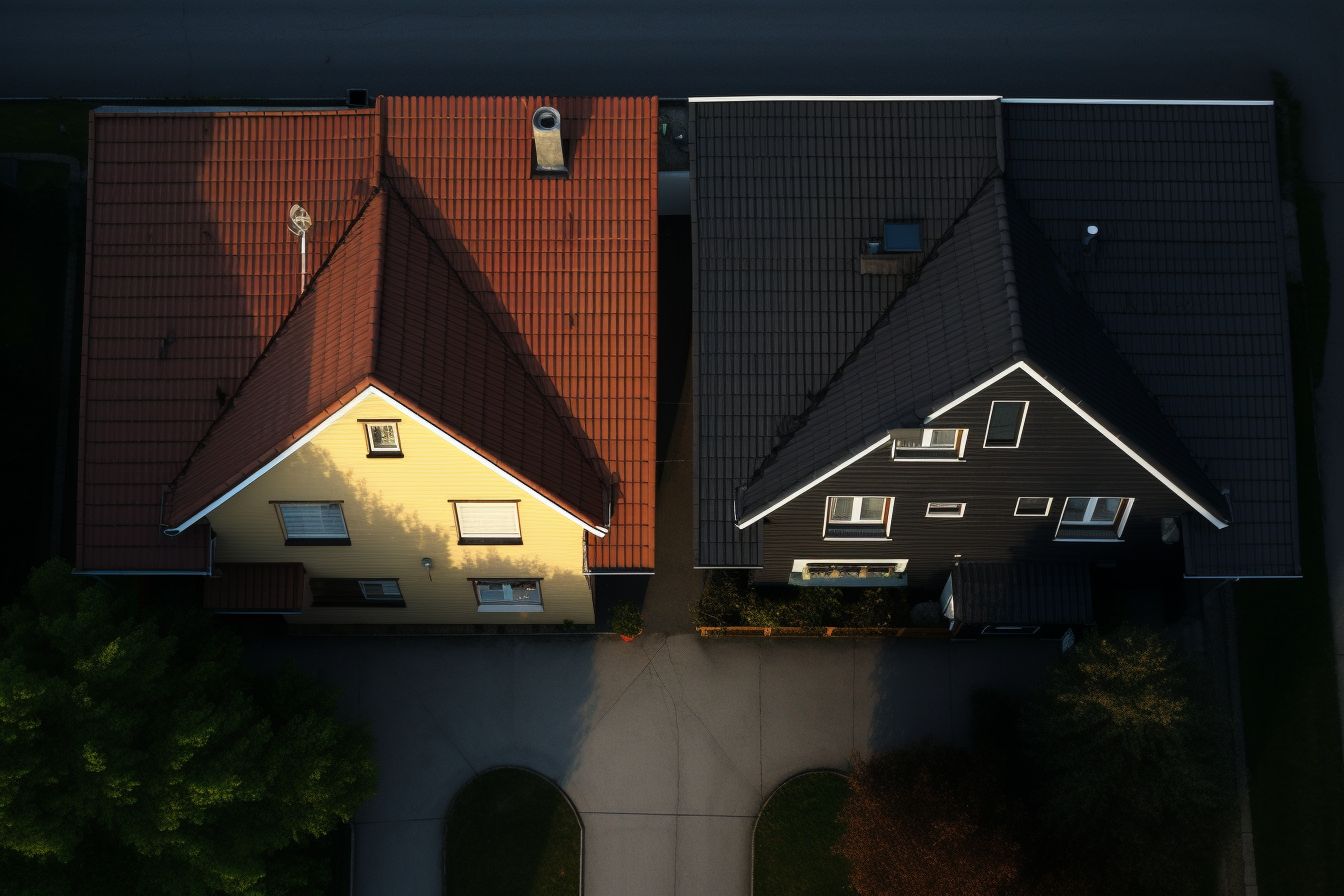
The color of your roof has tremendous influence on the temperature inside your home, as dark colors tend to absorb more heat from sunlight and light colors reflect it. This disparity in solar reflectance may result in a massive temperature difference of up to 20-40 degrees within your household! Light colored roofs can limit thermal absorption, lowering the temperature that would directly impact your indoor comfort.
Choosing lighter shingle colors can lead to cooler temperatures indoors during hot weather. Meanwhile, darker shingles are better for colder climates because they aid in the collection of heat.
Also important is ventilation efficiency – if well implemented along with efficient home insulation, even dark-colored roofing couldn’t cause significant heating issues or overwork HVAC systems despite their characteristically high levels of heat gain from sunlight.
Yet another reason why making informed choices about our roofing materials matters greatly towards achieving optimal energy efficiency at home.
Considerations for Choosing Roof Color
Consider regional climate factors and the implementation of other energy-saving measures when selecting a roof color for optimal energy efficiency.
Climate and Regional Factors
In regions with a warm climate, green roofs and cool roofs become important due to their ability to address energy issues. They reduce heat exchange and building energy consumption, making them an efficient solution for high-temperature areas.
The popularity of these roof types has soared in the United States because they’re designed harnessing lighter shades that reflect about 30-60% of sunlight.
In contrast, traditional dark-colored roofs tend to absorb more heat which is not ideal for warmer climates as it can contribute to creating heat islands. From this perspective, the choice of roof color should carefully consider the local climate alongside its potential impact on indoor temperature and overall energy efficiency.
Hence, optimising your roof color depending on regional factors can lead you towards substantial savings on your energy bills over time.
Other Energy-Saving Measures
Aside from considering roof color, homeowners can also apply other energy-saving measures to maximise their property’s overall efficiency.
- Insulation: Proper insulation in your attic can prevent heat loss in cold weather and ward off heat during summer periods.
- Window Treatment: High-quality window treatments can block unwanted sunlight.
- Ventilation: Proper ventilation promotes air circulation, helping regulate temperature and control energy consumption.
- Landscaping: Strategically planting trees or vines around your home can provide shade and decrease the impact of the sun’s heat.
- Solar Panels: Solar panels transform captured sunlight into electricity which lowers reliance on traditional power sources, significantly cutting down energy bills.
- Energy Efficient Appliances: Using appliances with high energy efficiency ratings reduces power usage further contributing to cost savings.
- Low-energy Lighting: Transitioning to low-energy light bulbs like LEDs contribute to lowered energy consumption and costs.
Conclusion
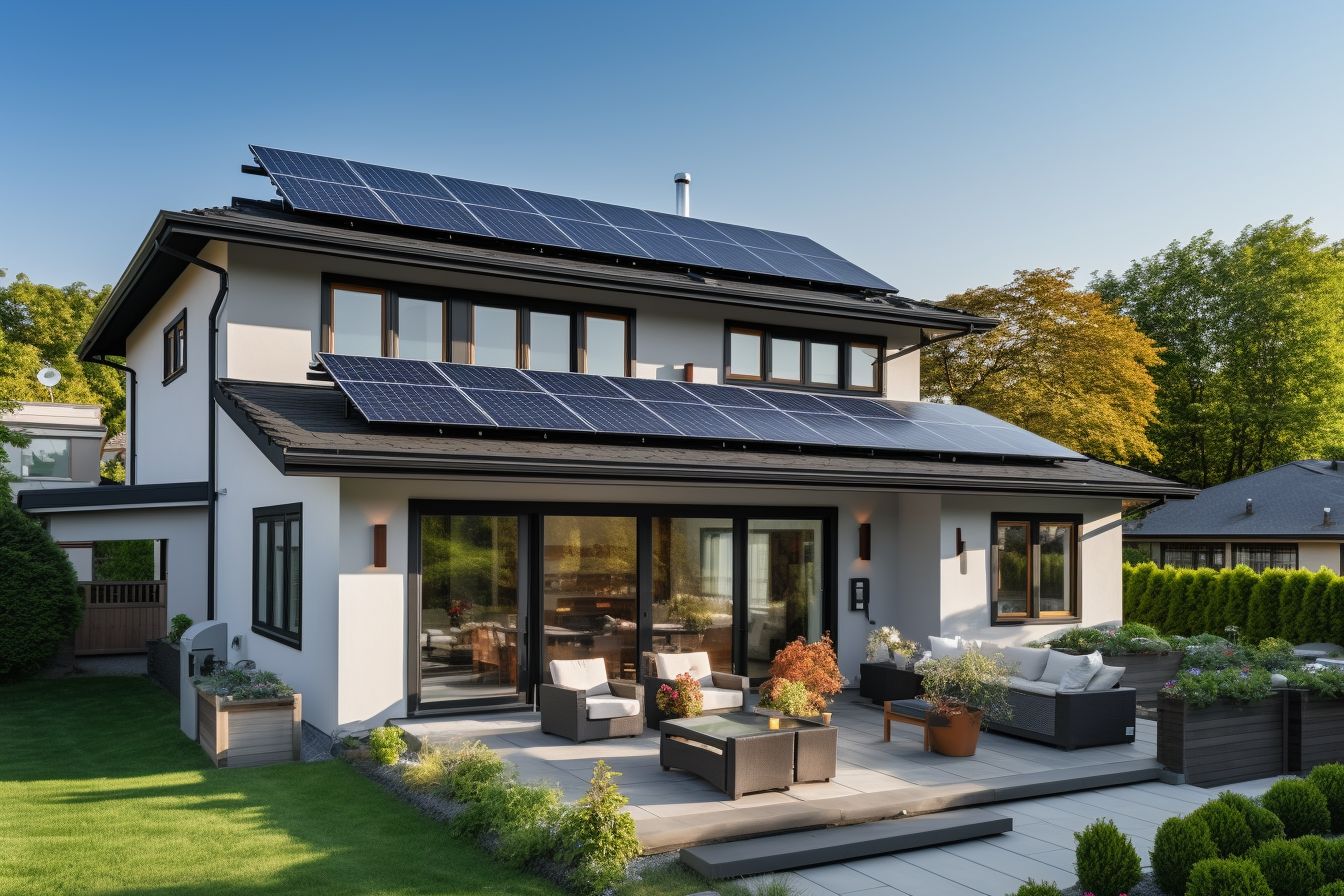
Roof color has a significant impact on energy bills. Darker roofs absorb more heat, increasing energy consumption and raising electricity bills. On the other hand, lighter-colored roofs reflect more heat, keeping the home cooler and reducing energy usage.
Considering roof color when selecting roofing materials can have long-term benefits for energy efficiency and cost savings.
FAQs
1. Does the color of my roof affect my energy bills?
Yes, the color of your roof can have an impact on your energy bills.
2. Which roof color is best for reducing energy costs?
Light-colored roofs, such as white or light gray, are generally more effective at reflecting sunlight and reducing heat absorption, thus helping to lower energy costs.
3. Can a dark-colored roof increase my energy bills?
Yes, dark-colored roofs tend to absorb more heat from the sun, which can lead to higher indoor temperatures and increased cooling needs, resulting in higher energy bills.
4. Are there any other factors besides roof color that affect energy savings?
Other factors that can affect energy savings include insulation levels, ventilation systems, and overall building design and orientation.
5. Can I change the color of my existing roof to save on energy costs?
If you have an asphalt shingle or metal roof, it may be possible to apply a reflective coating in a lighter color to help reduce heat absorption and potentially lower your energy bills