
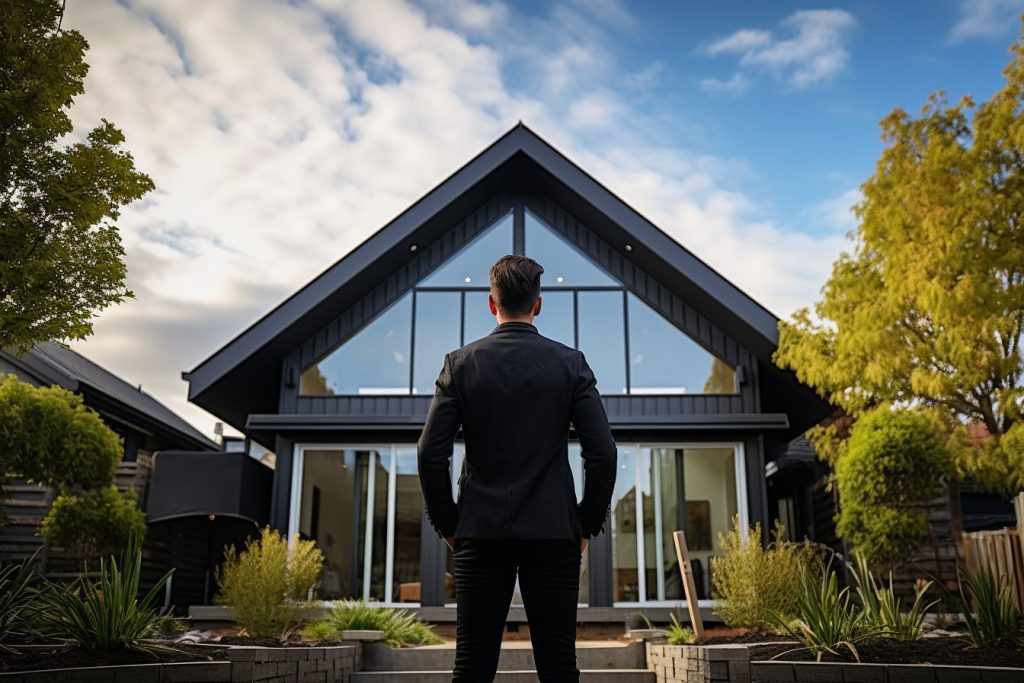
Choosing the right roofing material can be daunting, especially with the variety of options available. One option that has gained popularity is metal roofing, known for its durability and longevity.
This blog offers an unbiased assessment of the pros and cons of metal roofs to help you make an informed decision. Keep reading to discover if metal roofs are suitable for your home!
Key Takeaways
- Metal roofs are durable and long-lasting, making them a cost-effective choice for homeowners.
- They are environmentally friendly, reducing carbon footprint and reducing energy costs.
- Metal roofs offer a stylish appearance with various styles and colours.
Pros of Metal Roofs
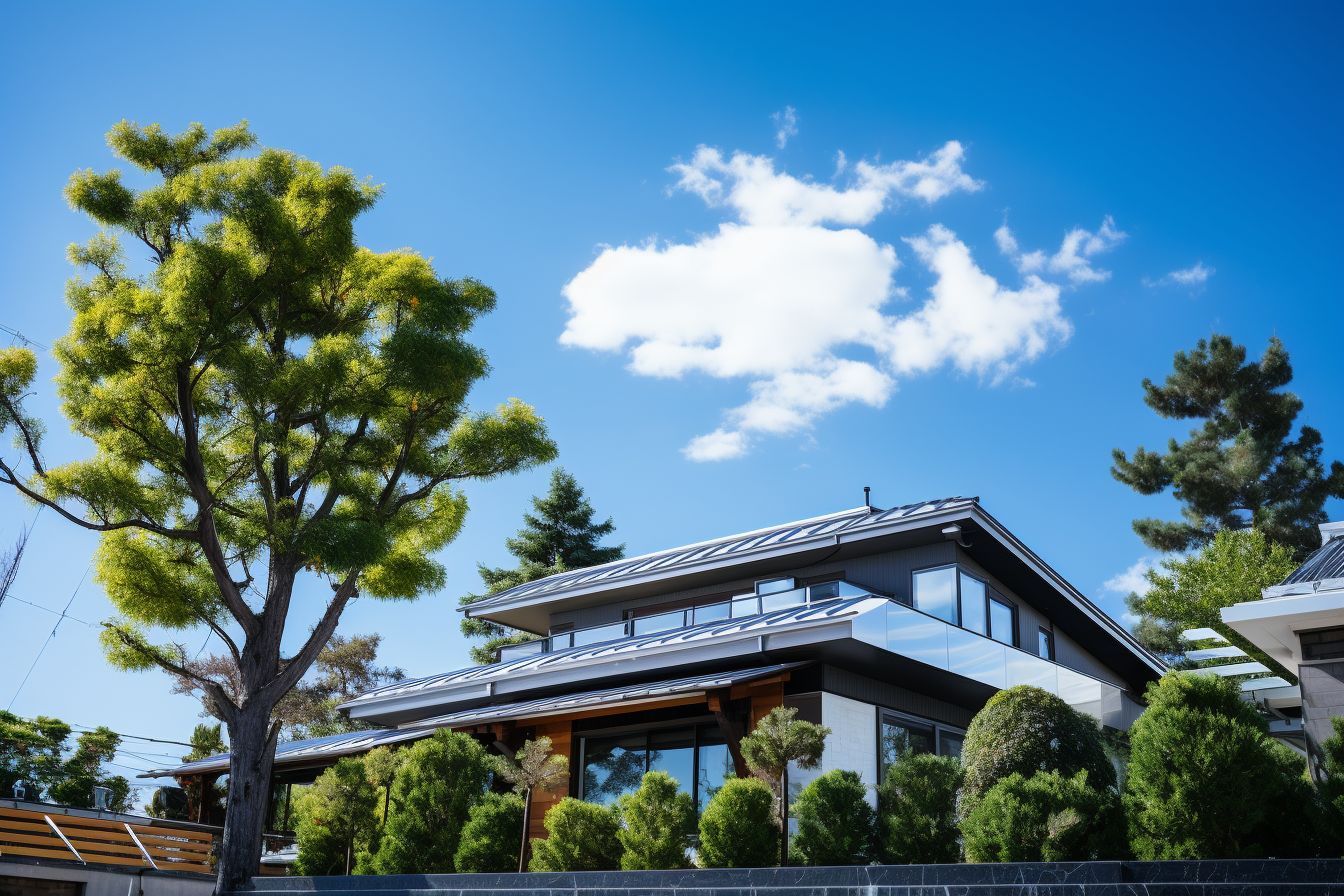
Metal roofs are known for their durability and longevity, making them a cost-effective choice for homeowners.
Durability and longevity
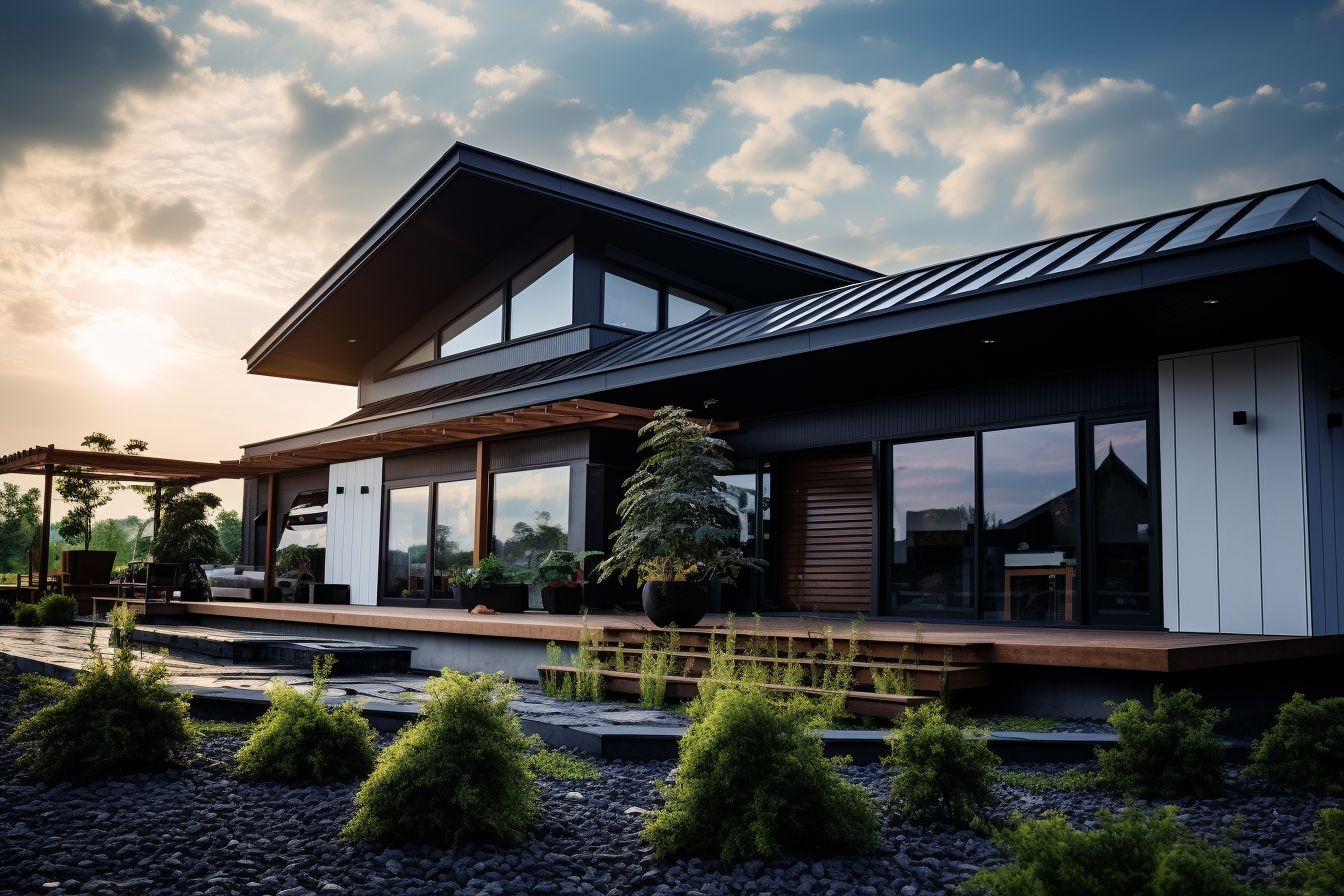
Metal roofs are a prime example of durability and longevity in the roofing industry. They stand resilient even under heavy weather conditions, offering robust protection for your home.
Not only are they tough and sturdy, but these roofs are also known to last from 40 to 70 years, significantly longer than traditional asphalt roofs that usually require replacement every 20 to 30 years.
Their endurance largely depends on strong materials like tin and aluminium that make them highly reliable over time. With proper installation, a metal roof can outlive its counterparts by decades while maintaining its quality with minimal maintenance.
Environmentally friendly
Metal roofs are leading the way in environmentally friendly roofing options. Labelled as sustainable and green, these materials are helping building owners reduce their carbon footprint.
Due to the high recycled material content, metal roofs offer a more eco-conscious choice than traditional non-metal shingle options.
Using such environmentally conscious roofing materials is not just about being kinder to our planet but also about energy efficiency. Cool metal roofs can reduce interior cooling costs by up to 20%, decreasing peak demand cooling by 15%.
These recyclable roofing materials are easy to install and remove without causing much harm or waste, making them an excellent choice for those looking for green building materials.
Energy efficiency
Metal roofs shine brightly in the area of energy efficiency. Their unrivalled ability to reflect the sun’s UV rays prevents excess heat from entering your home, firmly establishing them as a cool roofing solution.
Traditional shingles, on the other hand, trap solar heat and indiscriminately ramp up energy costs.
This advantageous feature of reflective surfaces on metal roofs lowers energy consumption drastically by keeping homes cooler during sweltering summers. Hence, metal roofs clearly aid in critical energy conservation by reflecting heat away from buildings instead of absorbing it – as many alternative roofing materials often do.
The use of such excellent energy-efficient building materials results not only in a sustainable choice but also potentially significant savings on utility bills over time.
Stylish appearance
Metal roofs surpass traditional roofing materials in terms of aesthetics. They are available in various styles, colours and finishes, catering to the diverse preferences of homeowners.
Their modern and sleek design enhances the overall visual appeal of any home. This trendy roof solution mimics the appearance and emulates other desirable properties like shingles, slate or tile durability.
The aesthetic value and its long-lasting nature make metal roofs an attractive choice for those aiming for a stylish yet practical facade in their dwelling place.
Cons of Metal Roofs
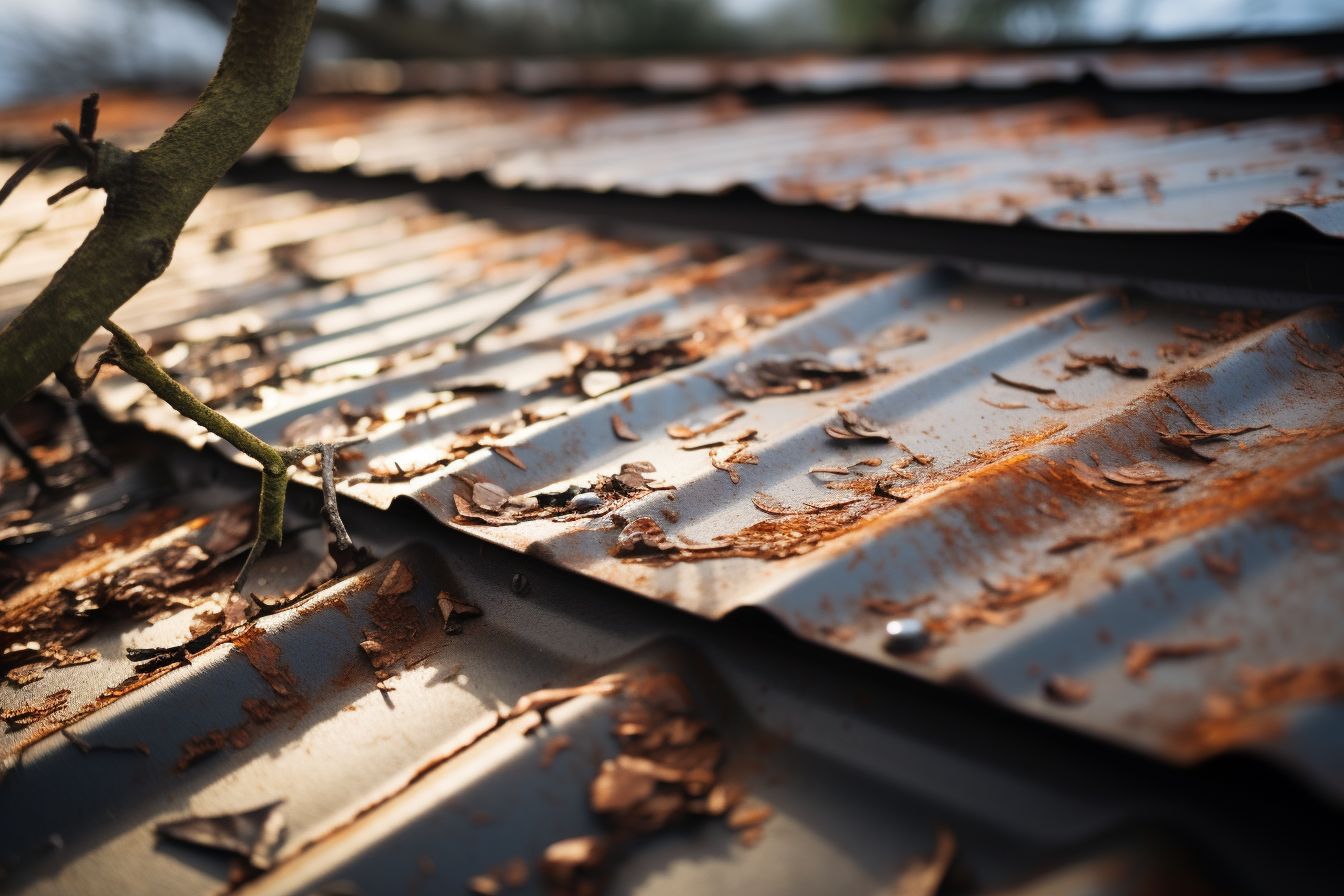
Metal roofs can be expensive upfront and have the potential for denting, but read on to discover more drawbacks of this roofing option.
Expensive upfront cost
The upfront cost of installing a metal roof requires a high initial investment. The steeper upfront fees can make potential buyers apprehensive compared to materials like asphalt shingles.
The materials for metal roofs come with a costly upfront price tag that may be two or three times more expensive than other roofing options.
Moreover, alongside these elevated upfront charges is the expense of installation. Workers skilled in this installation process are not as numerous as those known for handling traditional materials, leading to increased labour costs.
This greater expense at the onset might seem overwhelming, but when weighed against long-term benefits, many homeowners find it an acceptable trade-off.
Potential for denting
Metal roofs, while known for their durability and long life span, are vulnerable to denting. This susceptibility increases, especially under the onslaught of larger hailstones.
It’s critical to note that the size and quantity of these icy projectiles can significantly heighten the likelihood of your metal roof sustaining dents. Despite Myth #4 suggesting that metal roofing materials succumb easily to such weather damage, this is not always the case.
The level of dent resistance in different types varies greatly. Regular maintenance can keep potential dents at bay and enhance roof durability against harsh weather conditions.
Noisiness during rain or hail
Metal roofs exhibit a unique feature during weather changes. As rainfall intensity increases, so does the noise level produced by these roofing materials. This is due to the characteristics of metal that allow it to amplify sounds more than other roofing options, such as asphalt shingles.
Indeed, studies indicate that the noise level for rain on a metal roof is about 46 dBA compared to its counterpart.
This characteristic can be magnified even further during hail or when debris like fallen branches impact the roof’s surface. However, solutions are available to mitigate this noisiness factor in metal roofs.
Soundproofing options range from foam insulation panels installed underneath to modern materials designed specifically for noise reduction. Such measures can significantly improve your living comfort without compromising the durability and lifespan benefits of metal roofing.
Expansion and contraction
Metal roofs are designed to expand and contract with temperature changes. However, this can sometimes cause issues. The expansion and contraction of metal panels over time can lead to loose panels and warping.
It can also result in gaps appearing between the panels or put additional stress on the entire roof system. Repairing standing seam metal roofs, which are more prone to these problems, can be challenging compared to other roofing materials.
Another common issue related to expansion and contraction is oil canning, where over-production and frequent stress from coil slitting cause visible waviness or ripples on the metal roof’s surface.
The Process of Metal Roof Replacement
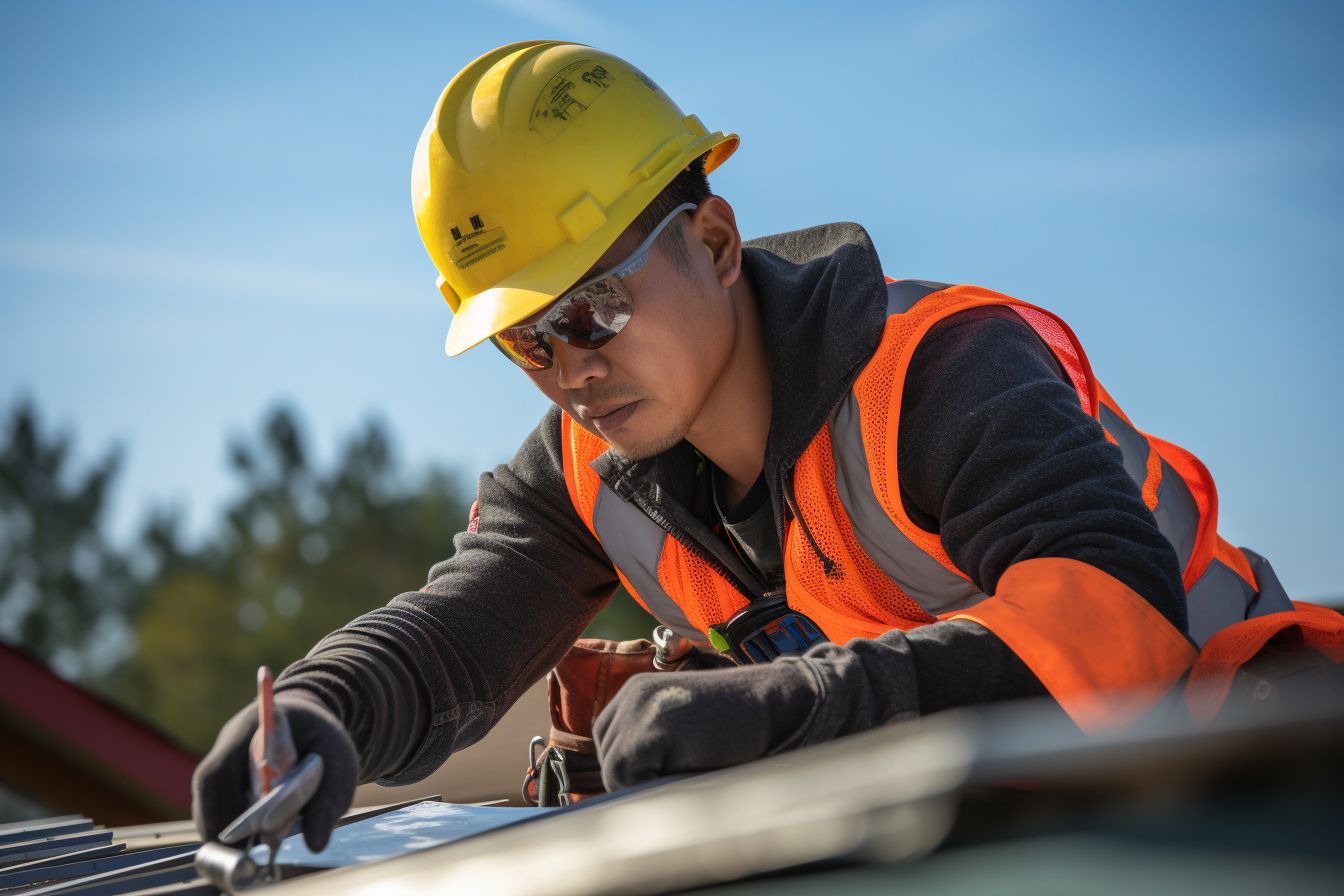
Metal roof replacement is a straightforward and efficient process. Here’s what you can expect:
- Inspection of the existing roof to determine its condition and any necessary repairs.
- Removal of the old roofing materials, including shingles or tiles.
- Installation of a protective underlayment to ensure proper waterproofing.
- Placement of the metal panels or sheets on top of the underlayment, secured with screws or clips.
- Sealing and caulking of any gaps or seams to prevent leaks.
- Optional addition of insulation for improved energy efficiency.
- Final inspection to ensure the new metal roof is properly installed and meets all standards.
Conclusion
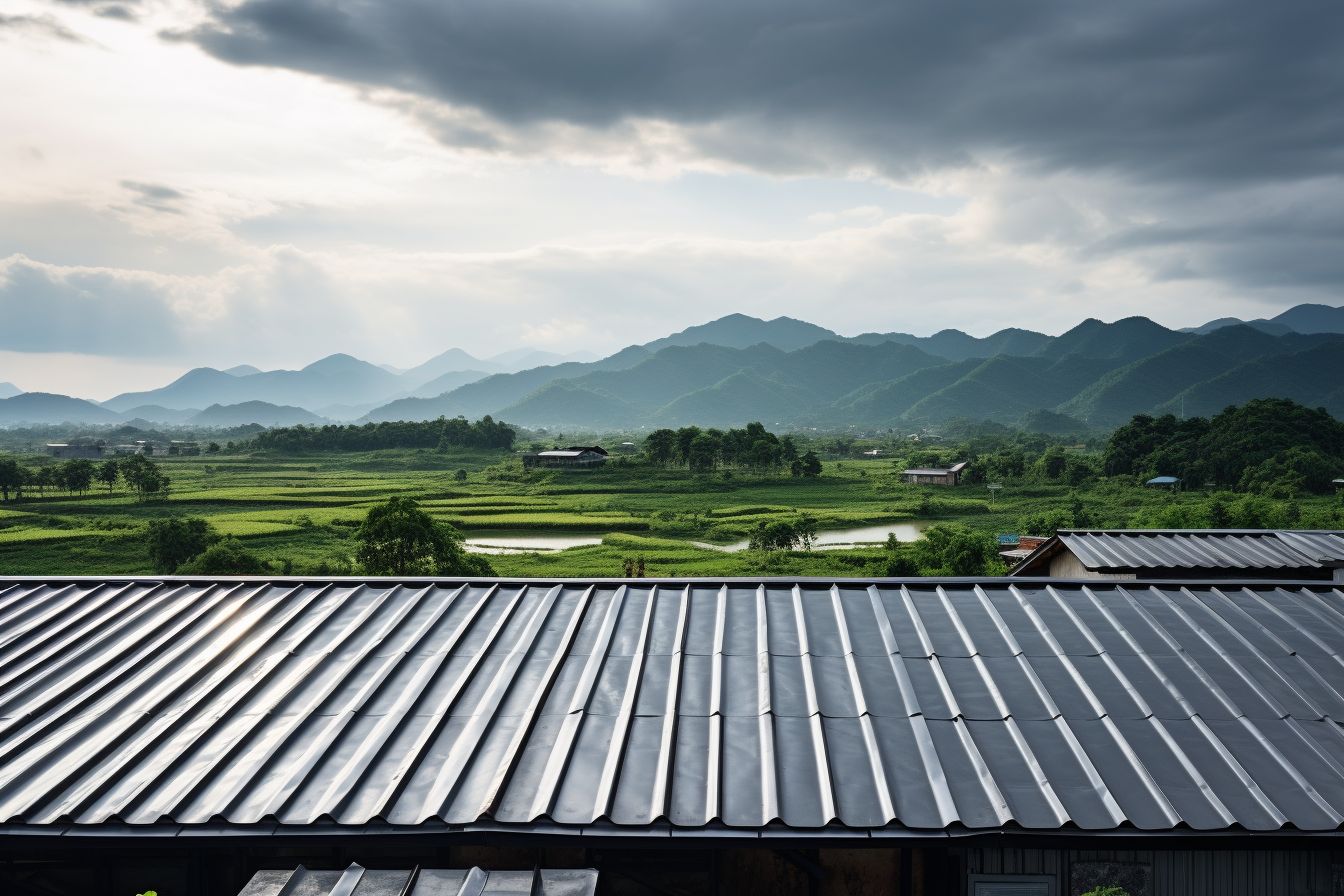
In conclusion, metal roofs offer a range of advantages, such as durability, energy efficiency, and a stylish appearance. However, they come with drawbacks like higher upfront costs and the potential for noise during rain or hail.
Overall, weighing the pros and cons can help homeowners decide whether metal roofs are the right choice for their homes.
FAQs
1. Are metal roofs more durable than traditional roofs?
Yes, metal roofs are generally more durable than traditional roofs as they can withstand harsh weather conditions and have a longer lifespan.
2. Do metal roofs require a lot of maintenance?
No, metal roofs require minimal maintenance compared to other roofing materials. Regular inspections and cleaning are recommended to ensure their longevity.
3. Will a metal roof make my house hotter in the summer?
Contrary to popular belief, metal roofs reflect sunlight instead of absorbing it, which helps keep your home cooler during hot summer months.
4. Can I install solar panels on a metal roof?
Yes, solar panels can be installed on a metal roof without issues. The smooth surface of metal makes it easier to mount and secure solar panels.
5. Are there any disadvantages to having a metal roof?
While there are many advantages to having a metal roof, such as its durability and energy efficiency, some potential disadvantages include higher initial cost and noise amplification during heavy rain or hail storms.