

Is your roof needing a makeover, but you’re hesitant about the environmental impacts? You’ll be surprised to know that roughly 11 million tons of waste asphalt roofing shingles are discarded annually in the US.
This article unlocks the exciting world of recycled roofing materials – an eco-friendly revolution sweeping homes and industries. Ready to make a difference with your home’s dome? I think we should go ahead and get started.
Key Takeaways
- Recycled roofing materials, such as metal roofs and biodegradable tiles, are gaining popularity due to their eco-friendliness and energy efficiency.
- These materials reduce the need for virgin raw materials, decrease waste in landfills, offer increased durability without added weight, and achieve an authentic look with a sustainability focus.
- Companies like GAF and Owens Corning are leading the way in promoting recycled shingles and reducing waste in the roofing industry.
Definitive Guide to Eco-Friendly Roofing
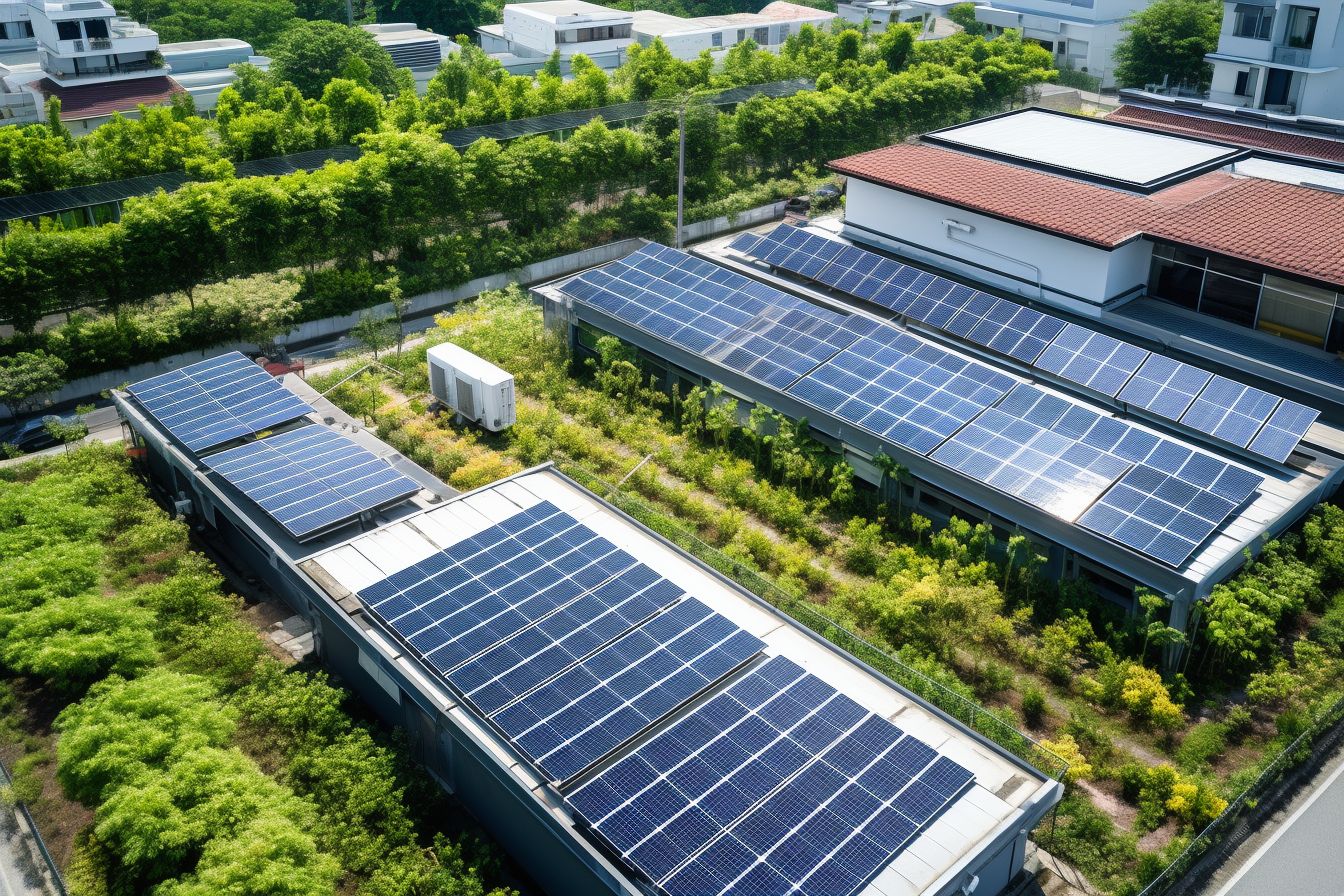
Choosing the right material for your roof plays a significant role in making it eco-friendly. For instance, metal roofs, often made from recycled materials, are gaining popularity due to their energy efficiency.
They reflect sunlight instead of absorbing heat and help reduce energy consumption and costs.
Sustainable roofing options extend beyond traditional materials like concrete or clay tiles, which have been used because of their natural availability and minimal impact on nature.
Recycled-content roof shingles come into play here; they significantly reduce waste in landfills by reusing raw materials that would otherwise be discarded.
On another note, aluminium emerges as an ecologically friendly alternative with its recyclable properties, making it ideal for sustainable roof installation. Biodegradable roof tiles are also rising; these renewable resource-based tiles align perfectly with any green construction project’s goals.
Many environmentally friendly roofing alternatives exist today thanks to modern technology advancements combining durability and sustainability. So whether you choose recycled roofing materials or biodegradable options, rest assured there is a perfect fit that matches your environmental consciousness while ensuring optimal performance.
Benefits of Recycled Roofing Materials
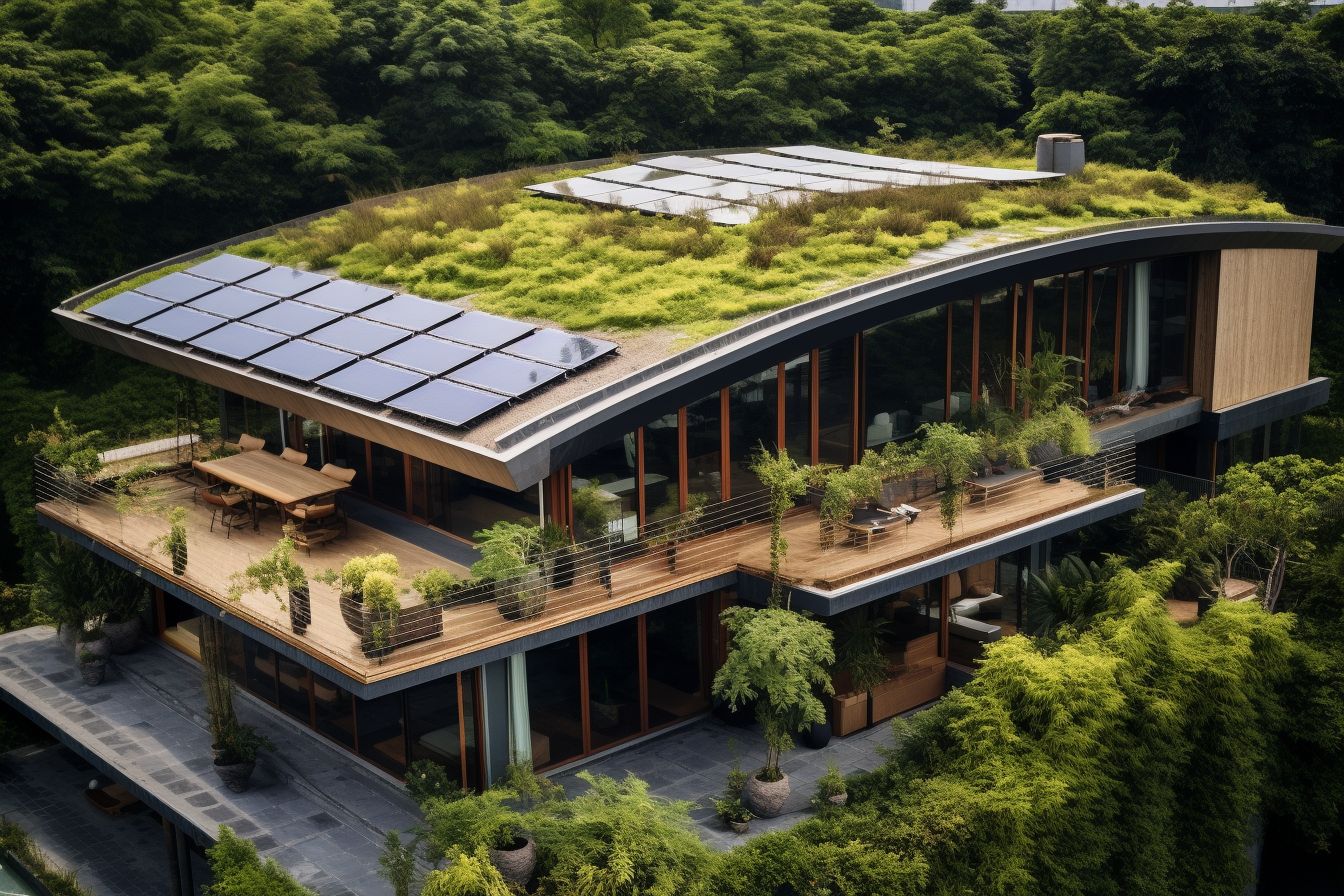
Recycled roofing materials reduce the need for virgin raw materials, decrease waste in landfills, provide increased durability without added weight, and offer an authentic look with a sustainability focus.
Reduces the amount of virgin raw materials needed
Recycled roofing materials have become a game-changer in the construction industry due to their immense advantages, one of which is reducing the demand for virgin raw materials. Virgin raw materials are natural resources extracted from the earth to be refined for production purposes.
By opting for recycled roofing products, we lessen the strain on these essential yet finite resources and significantly reduce energy usage typically spent during processing.
Adopting recycled roofing contributes to resource conservation in an era where sustainability has become a global concern. Manufacturing new building materials often requires considerable fresh raw material inputs.
However, with advancements in recycling technology now offering high-quality output, there is an alleviating shift from this dependence on virgin resources to more eco-friendly alternatives like recycled shingles.
This not only bolsters the principles of a circular economy but also limits the environmental impact of excessive extraction and milling activities associated with virgin material processing.
Reduces waste in landfills
Recycling roofing materials proves crucial in reducing landfill waste and managing our environment more effectively. The construction industry can considerably reduce its environmental impact through various recycling programs by diverting waste from landfills.
For example, reusing clay and concrete roof tiles reduces reroofing needs and landfill space used to discard old material. Similarly, asphalt shingles – often replaced during home improvement projects – find a new lease of life through recycling instead of ending up as excess waste, further minimising strain on our already packed landfills.
In all these ways, recycled roofing materials offer sustainable solutions that significantly improve environmental sustainability.
Increases durability without added weight
Using recycled roofing materials significantly boosts roof longevity. Metal roofs, renowned for their high recycled content, stand as a testament to the durability of such materials.
Recycled shingles and metal roofing resist wear and tear without burdening your home with additional weight. Durable yet lightweight, these eco-friendly options offer robust resistance to extreme weather conditions – from scorching heat waves to icy winter storms.
They maintain this high performance over an extensive period, reducing the need for constant repairs or replacements. This makes them not just sustainable choices but also cost-effective solutions in the long term compared with traditional roofing alternatives such as composition roofing or tile systems.
Enjoy peace of mind knowing you’re making an environmentally conscious choice that doesn’t compromise strength or resilience.
Achieves an authentic look with a sustainability focus
Transforming your roof with recycled materials showcases an impressive commitment to sustainability and provides a visually appealing aesthetic. Advancements in eco-friendly roofing materials mean you can maintain style and quality to be environmentally conscious.
Companies like Authentic Roof lead the way by using 100% post-consumer recycled materials, sculpted into stunning slate roofing designs that exude authenticity and devotion to green construction practices.
Metal options also boast high recyclability levels, contributing further charm while maintaining a steadfast focus on environmental preservation. Whether slate or metal, choosing these sustainable roofing options forges a perfect blend between design elegance and eco-conscious responsibility.
How Shingles are Recycled
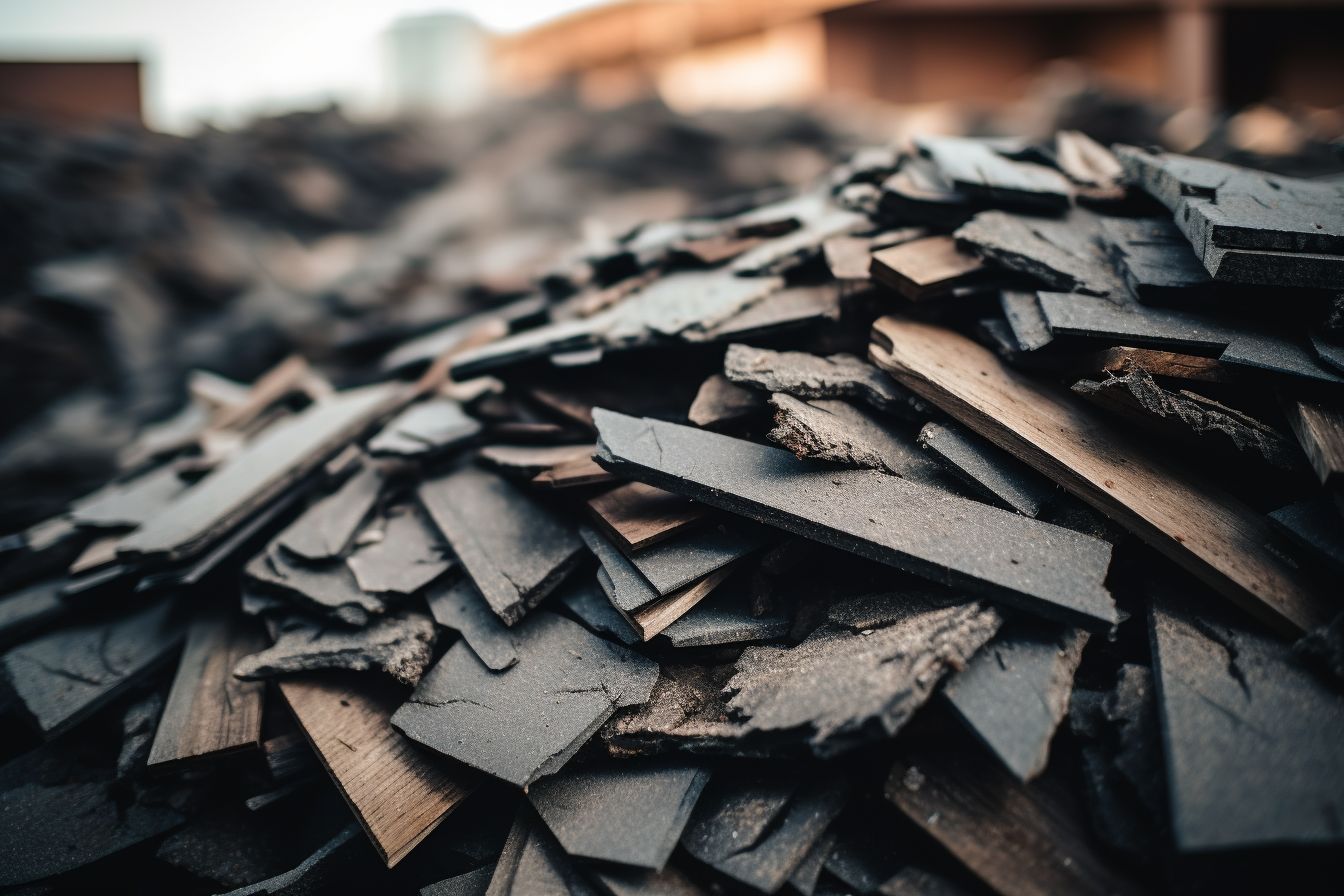
Shingles are recycled by grinding them into small pieces, separating the different components, and then repurposing them for various applications.
Process of recycling shingles
Shingle recycling becomes a straightforward process that transforms roofing waste into valuable resources. Here’s how it occurs:
- Roofers start by removing the old shingles from the roof, creating what we refer to as shingle tear-off waste.
- Collection centres accept this shingle waste and begin to sort the material, discarding nails and other non-recyclable debris.
- The cleaned shingles move on to a grinding machine, which crushes them into small particles.
- These particles undergo a heating process, transforming them into an additive for hot-mix asphalt or cold patch.
- This recycled substance joins the asphalt pavement industry, where it helps fill cracks in roads and pavements.
Use of recycled plastic and rubber
Recycled plastic and rubber are now increasingly used to create roofing shingles, providing a sustainable and innovative solution for buildings. This exciting shift in construction waste management has positive environmental impacts, significantly reducing waste headed to landfills.
Being 100% recyclable, these alternative roofing materials create a circular economy within the building industry. The U.S., which generates over 11 million tons of roof-related debris annually, benefits greatly from this landfill diversion method.
Not only is this beneficial for resource conservation, but it also lessens the dependency on new raw materials – driving better sustainability practices within construction firms across the globe.
The Rise of Recycled Roofing Materials
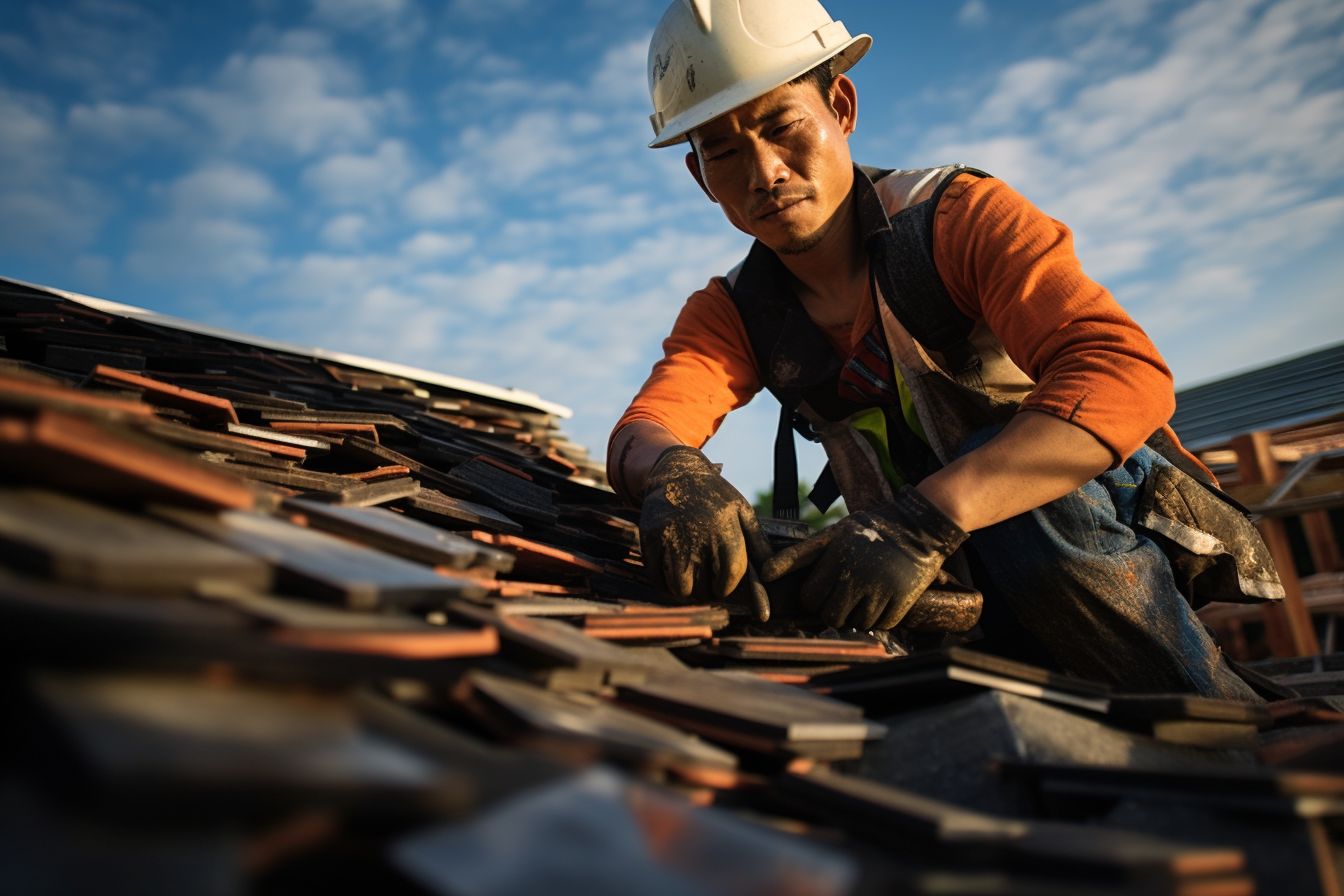
Companies like GAF and Owens Corning are leading the way with initiatives to increase the use of recycled shingles, contributing to the growing popularity of sustainable roofing options.
Initiatives by companies like GAF and Owens Corning
GAF and Owens Corning, two leading companies in the roofing industry, have taken significant initiatives to promote using recycled roofing materials. GAF has developed groundbreaking shingles using recycled asphalt shingle (RAS) technology, reclaiming more than 90% of waste shingle material by weight for reuse in manufacturing new shingles.
On the other hand, Owens Corning is committed to recycling 2 million tons of shingles annually in the U.S. by 2030 and has introduced a new recycling program to divert asphalt shingles from landfills.
These initiatives demonstrate their dedication to sustainability and reducing roofing waste.
The efforts made by GAF and Owens Corning reflect the growing popularity of recycled roofing materials as homeowners become more aware of their environmental impact. With sustainable practices becoming increasingly important, these companies are leading the way with innovative solutions prioritising durability and eco-friendliness.
Growing popularity of recycled shingles
Recycled shingles are gaining popularity as homeowners and contractors embrace sustainable roofing options. With the increasing focus on environmental preservation and waste reduction, recycled shingles offer a solution that reduces the demand for virgin raw materials while minimising landfill waste.
Companies like GAF and Owens Corning have promoted these eco-friendly alternatives, making them more accessible to consumers. This growing popularity signifies a shift towards greater sustainability in the roofing industry, where durability and an authentic look can now be achieved with a focus on conservation.
Conclusion
The rise of recycled roofing materials has seen a tremendous increase in popularity. Companies like GAF and Owens Corning are leading the way with their initiatives to produce eco-friendly shingles made from recycled content.
With the growing focus on sustainability and waste reduction, more homeowners and businesses are choosing these environmentally friendly roof options. The future of roofing lies in using recycled materials, helping to create a circular economy and minimise our environmental impact.
FAQs
1. What are recycled roofing materials?
Recycled roofing materials are made from discarded or repurposed materials such as plastic, rubber, metal, or wood that have been transformed into durable and eco-friendly options for building roofs.
2. Are recycled roofing materials as durable as traditional roofing materials?
Yes, recycled roofing materials can be as durable as traditional ones when properly installed and maintained. They undergo rigorous testing to ensure their longevity and resistance to weather conditions.
3. How do recycled roofing materials benefit the environment?
Recycled roofing materials help reduce the amount of waste in landfills by repurposing items that would otherwise be discarded. They also save energy and resources by reducing the need for new raw materials during production.
4. Can I get a warranty with recycled roofing materials?
Yes, many manufacturers offer warranties on recycled roofing materials to provide peace of mind and guarantee quality and performance.
5. Are there any financial benefits to using recycled roofing materials?
Using recycled roofing material can qualify you for tax credits or incentives local governments or utility companies offer to promote sustainable building practices. Additionally, they may require less maintenance over time, resulting in long-term cost savings.