

Navigating the world of energy-efficient roofing can be perplexing. Did you know choosing an Energy Star-rated roof can not only lower your energy bills but may also qualify for tax credits? This article will guide you through understanding various roofing options and key factors to consider when selecting an Energy Star roof.
Ready to jump into the cool world of eco-friendly roofing? Let’s dive in!
Key Takeaways
- Energy Star roofs can lower energy bills and may qualify for tax credits.
- Understanding different roofing options is essential in selecting an Energy Star roof.
- Factors to consider include climate, roof type, reflectivity, solar reflectance index, insulation, and ventilation.
- Benefits of Energy Star roofing include increased energy efficiency, cost savings, and environmental sustainability.
Understanding Energy-Efficient Roofing Options
Energy-efficient roofs are a powerful tool for lowering energy consumption and significantly reducing utility costs. These roofing options range from metal roofing, with its high reflectivity index, to materials that meet the stringent Energy Star rating.
The primary function is to absorb less heat by reflecting more sunlight than standard roofs. Cool roof technology leverages this principle efficiently and proves most effective in hot, sunny climates with low roof insulation.
The concept behind an energy-saving roof isn’t just about limiting heat absorption; it’s also about reducing the workload on your heating, ventilation and air conditioning (HVAC) system.
Low-sloped roofs need a Solar Reflectance Index (SRI) ranking of at least 65 to qualify for Energy Star certification. It underlines the capacity of such surfaces to reject solar heat illustrated through comprehensive measures such as temperature rise difference during peak sun hours and overall thermal emittance capability.
Finding suitable high-reflectivity roofing options may seem challenging initially, but understanding these aspects can lead you much closer to making greener choices while selecting building materials for your home or office setup.
Factors to Consider When Choosing an Energy Star Roof

Consider the climate and environment, roof type, reflectivity and solar reflectance index, insulation, and ventilation.
Climate and environment
Cool roofs are a top consideration in hot, sunny climates like the Southern United States. These Energy Star-certified roof materials aid in lowering air temperatures around buildings, proving most effective on structures with minimal roof insulation.
This carefully engineered design not only cools down your property but also contributes positively towards reducing energy consumption.
Climate change is closely tied to our roofing choices. The idea of sustainable roofing options plays a significant part in discussions around environmental impact and energy conservation.
Green roofs enhance energy efficiency by mitigating the heat island effect prevalent in urban areas. Besides enhancing your home’s ecological footprint, cool roofs decrease reliance on air conditioning systems, leading to substantial cost savings and reduced greenhouse gas emissions.
Roof type
The type of roof you select plays a crucial role in your home’s energy efficiency. Metal, tile, asphalt, slate and green roofs are the most efficient energy-saving.
For instance, metal roofs reflect sunlight, thereby keeping your house cooler. Adding reflective coatings further boosts this effect. On the other hand, green roofs with vegetation cover help insulate your home, leading to less heat loss during winters and reduced need for air conditioning during summers.
Similarly, asphalt and tile roofs can gain enhanced energy performance through cool roof coatings application. A deliberate selection of such roofing materials supports cost-effective energy conservation efforts while simultaneously tailoring to climatic needs.
Reflectivity and solar reflectance index
Reflective properties play a crucial role in the performance of energy-efficient roofs. High reflectivity increases a roof’s ability to repel sunlight rather than absorbing it as thermal energy.
This attribute minimises heat build-up, resulting in lower building temperatures and helping achieve significant cooling benefits.
Further aiding temperature reduction is the Solar Reflectance Index (SRI), an integral standard for measuring a roof’s “coolness”. It gauges reflectivity and thermal emittance – how efficiently absorbed heat gets released into the atmosphere.
Raising your roof’s SRI means maximising its sunlight reflection while reducing absorption rates. Roofs demonstrating high SRI values offer exceptional saving potential during hot summer, making them ideal for energy-conscious homeowners.
Insulation and ventilation
Consider insulation and ventilation critical factors to ensure your house is energy efficient. Quality insulation is integral in curbing greenhouse gas emissions by improving a building’s energy efficiency.
In addition to insulating from the foundation up, prioritising roof insulation significantly reduces overall energy consumption while enhancing indoor comfort. However, not all types of insulation deliver equal benefits, so please look out for ENERGY STAR-certified products for better quality assurance.
On the other hand, good ventilation prevents air leakage that could compromise your home’s cosiness and increase utility bills. Correctly installed vents facilitate consistent airflow within the attic space, helping maintain an optimal temperature throughout different seasons.
Benefits of Energy Star Roofing
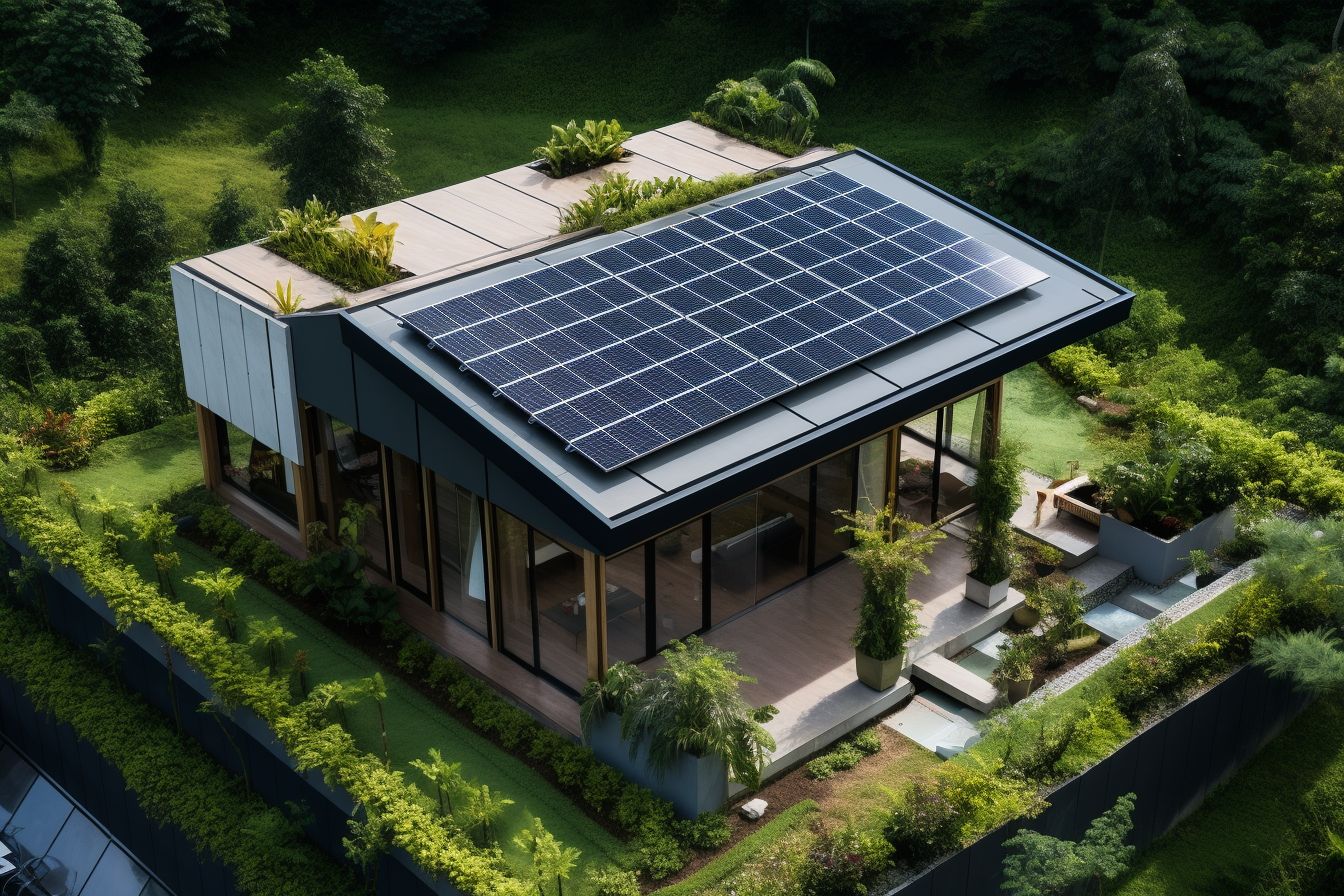
Energy Star Roofing offers increased energy efficiency, cost savings, and environmental sustainability.
Increased energy efficiency
Energy Star roofing boosts your home’s energy efficiency, making it a smart choice for homeowners. Its reflective properties significantly reduce heat absorption, keeping homes cooler in warm weather.
This decreased demand for air conditioning lowers electricity consumption and helps you save on energy bills. Not only does an Energy Star-rated roof increase indoor comfort, but it also contributes to wider environmental sustainability by reducing carbon footprint and enhancing overall building efficiency.
Considered a form of cool roof solution, these types of roofs can potentially qualify you for insurance incentives and tax benefits due to their sustainable qualities. Investing in such roofing systems is not just about optimising home comfort—it’s about making an environmentally responsible choice.
Cost savings
Energy-efficient materials in roofing systems offer substantial cost savings. An Energy Star Roof can reduce utility costs by up to 25 per cent by lowering electricity bills. This translates into potential savings of roughly $300 for the average home each year.
Cool roof technology further enhances these savings, potentially adding $0.64 per square foot or more to your pocket through energy conservation and improved insulation benefits that increase energy efficiency throughout all seasons.
This sustainable solution offers a cost-effective roofing option that saves money and improves overall home comfort while contributing towards environmental sustainability.
Environmental sustainability
Energy Star roofing plays a crucial role in promoting environmental sustainability. By reducing energy consumption and carbon emissions, these roofs contribute to the conservation of resources and the mitigation of climate change impacts.
Cool roofs with a high solar reflectance index help lower building temperatures and minimise heat island effects. Additionally, green roofs provide numerous benefits, such as lowering surface and air temperatures, decreasing energy demand, managing stormwater runoff, and extending the roof’s lifespan.
With Energy Star roofing, you can save money on energy bills while positively impacting the environment.
Finding an Energy Star Roof Installer

Research and compare options, request quotes and references, and verify certifications and warranties when looking for an Energy Star roof installer.
Research and compare options
To find the best Energy Star roof installer, it is crucial to research and compare your options. Please look for companies specialising in energy-efficient roofing and have experience installing Energy Star roofs.
Compare their services, certifications, warranties, and customer reviews to ensure you choose a reputable and reliable installer. By taking the time to research and compare different options, you can make an informed decision about who will install your Energy Star roof effectively and efficiently.
Request quotes and references.
You must request quotes and references to find an Energy Star roof installer. This step allows consumers to compare prices and evaluate their options within their budget. By requesting references, customers can verify the quality of work and the satisfaction levels of previous clients.
These important steps help consumers make an informed decision and avoid potential scams or poor-quality installations. So, please ask for quotes and references before choosing your Energy Star roof installer to ensure it meets your needs and expectations.
Verify certifications and warranties.
To ensure that you choose a reliable and trustworthy Energy Star roof installer, it is crucial to verify certifications and warranties. Please look for certified roof installers participating in third-party verification testing through the ENERGY STAR program.
The Environmental Protection Agency (EPA) recognises Certification Bodies for roof products in this program, so make sure your chosen installer meets these standards. By verifying certifications and warranties, you can have peace of mind knowing that you’re working with knowledgeable contractors and that your roofing materials meet recognised energy efficiency standards.
Feel free to ask for proof of certification and warranty information before deciding.
Conclusion
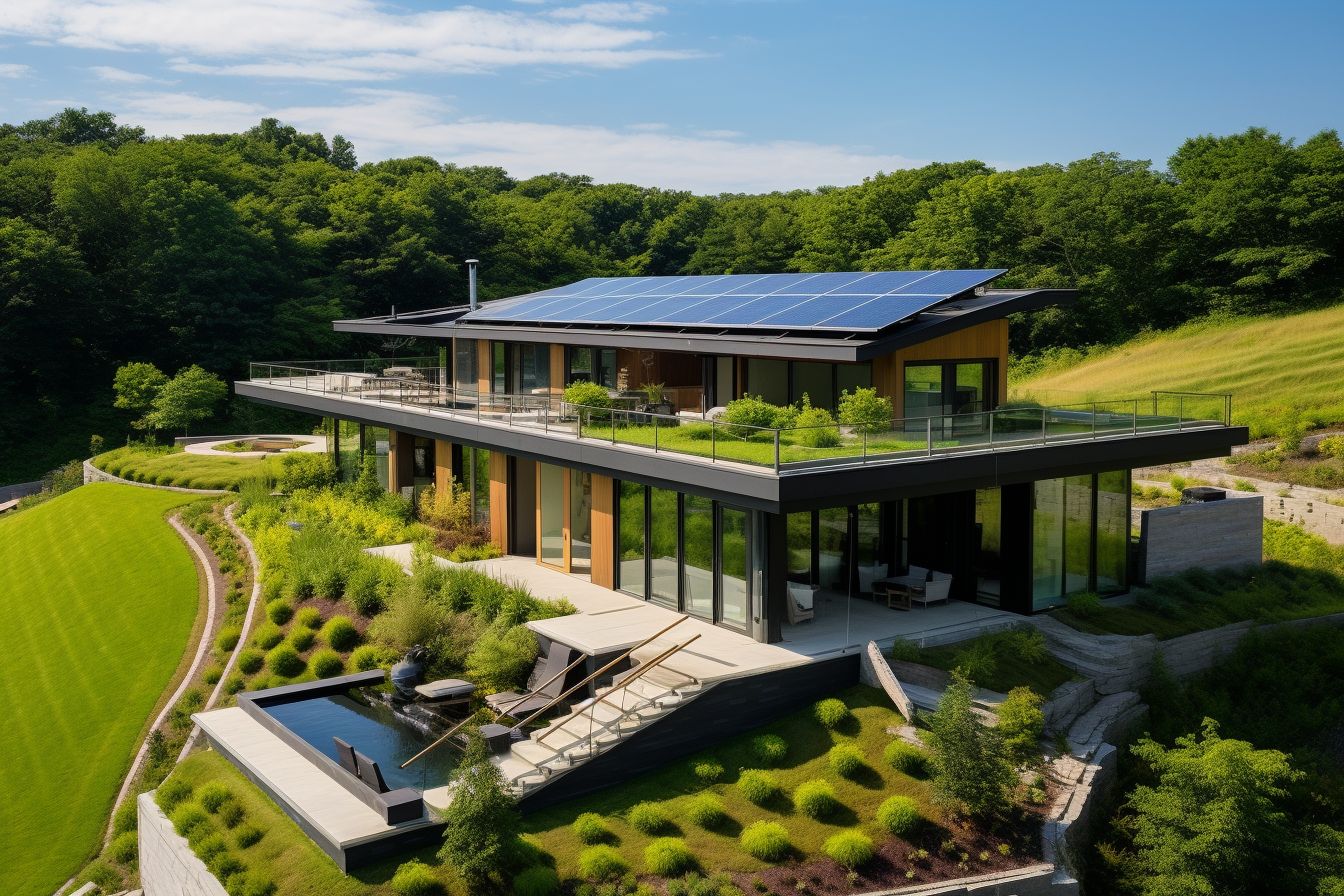
When choosing an Energy Star roof, consider factors like your climate and roof type, as well as the reflectivity and insulation of the material. Installing an energy-efficient roof can increase energy savings, cost reductions, and environmental sustainability.
To find a reliable installer, research and compare options, request quotes and references, and verify certifications and warranties. Upgrade your home with an Energy Star roof for a cooler, more efficient living space while reducing your carbon footprint.
FAQs
1. What is an Energy Star roof?
An Energy Star roof is a roofing system that meets the energy efficiency standards set by the Environmental Protection Agency (EPA), helping to reduce energy consumption and lower cooling costs.
2. How do I choose an Energy Star roof for my home?
To choose an Energy Star roof, look for products with the Energy Star label or consult roofing professionals who can recommend suitable materials and designs based on your specific needs and climate conditions.
3. What are the benefits of choosing an Energy Star roof?
Choosing an Energy Star roof can help save money on energy bills, increase comfort in your home, reduce environmental impact by lowering greenhouse gas emissions, and potentially extend the lifespan of your roofing system.
4. Are there different types of Energy Star roofs available?
Yes, various options for Energy Star roofs are available, including asphalt shingles, metal roofs, tile roofs, and more. The best choice depends on budget, aesthetic preferences, and local weather conditions.
5. Is it worth investing in an Energy Star roof?
Investing in an Energy Star roof is worth considering as it can provide long-term energy-saving savings while reducing carbon footprint and contributing to a more sustainable environment.