

Are you considering a roof upgrade that has less environmental impact? Research shows that eco-friendly roofing options not only lessen your carbon footprint but can also reduce energy costs.
This blog post will guide you through different sustainable roofing materials and their benefits, helping you to make an informed decision when buying. Stick around – it’s time to take the green route!
Key Takeaways
- Eco-friendly roofing options reduce your carbon footprint and lower energy costs.
- Metal roofs reflect sunlight, reducing heat absorption and energy costs.
- Clay or tile roofs offer durability against harsh weather conditions.
- Solar panels can significantly reduce utility bills and carbon emissions.
- Recycled minerals make resilient roofing materials like composite shingles.
- Asphalt shingles are affordable but have limited recycling practices.
- Wood shingle and shake roofs are durable and add rustic charm to homes.
- Metal roofs are the most sustainable option with high recycled content and recyclability.
- Tile roofs are cost-effective, energy-efficient, and made from raw materials that don’t deplete natural resources.
- Slate offers a distinctive, durable look but comes at a premium cost.
Understanding Eco-friendly Roofing: A Definitive Guide
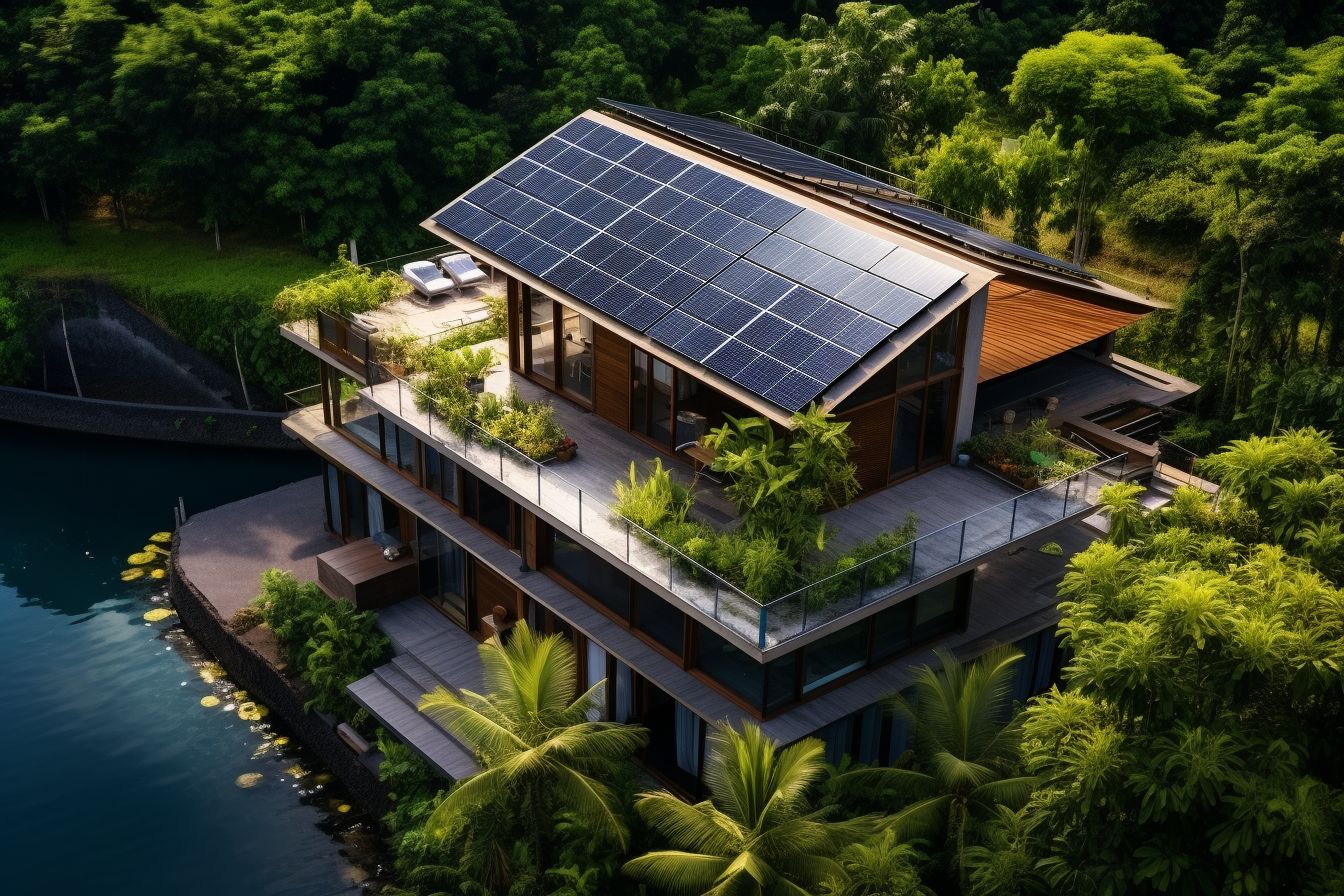 solar panels.”
Eco-friendly roofing has come a long way in the past few years, offering just as much variety and quality as traditional materials. Green roofing materials are an excellent choice for homeowners seeking to lower their environmental impact while ensuring their home’s protection from the elements.
They range from recycled plastic to wood fibres, each presenting unique benefits.
Metal roofs reflect more sunlight than regular asphalt or tiled roofs, reducing your home’s heat absorption and energy costs during hot seasons. Clay or tile roofs offer durability that surpasses most other materials, standing up against harsh weather conditions for decades without requiring replacement.
Some eco-conscious options include reclaimed clay tiles or even synthetic slates made from recycled rubber – they provide the same aesthetic appeal as natural slate but at a fraction of the cost and weight.
Solar panels are becoming an increasingly popular addition to many eco-friendly roof designs because they convert sunlight into electricity for use inside your house. This can significantly reduce utility bills over time while contributing positively towards reducing carbon emissions on a larger scale.
Recycled minerals make great components in resilient, low-maintenance roofing materials like composite shingles with rock-hard toughness yet aesthetically resembling traditional wooden shakes or slates.
Likewise, those opting for asphalt shouldn’t feel left out — new methods of producing this classic material using post-consumer waste present fewer ecological risks thanks to improved recycling practices.
Types of Sustainable Roofing Materials
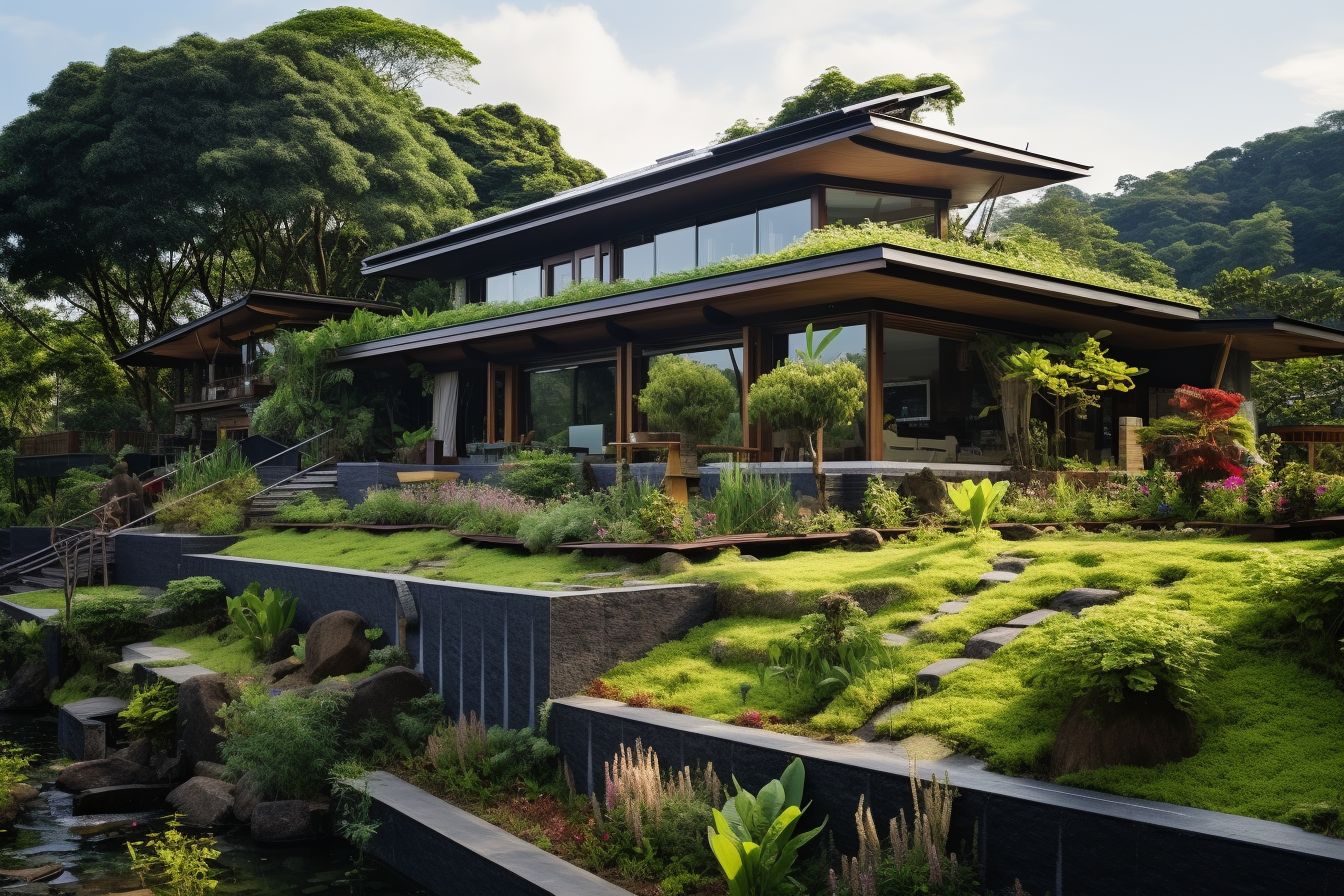
Several types of sustainable roofing materials are available, including asphalt shingle, wood shingle and shake, metal, tile, slate, and synthetic roofing.
Asphalt ShingleAsphalt shingles are a common choice for North American roofing due to their affordability and wide availability. These versatile roofing options are made of resilient materials, such as fibreglass sandwiched between layers of asphalt and a top layer of ceramic granules, offering excellent weather resistance.
Despite the popularity of asphalt shingles, recycling practices for this type of material are rare. They often end up in landfills once their service life is over, contributing to environmental concerns.
This makes them less favourable compared to other sustainable roofing alternatives today.
Wood Shingle and Shake
Wood shingles and shakes add a unique home touch with their rustic charm. Known for being durable, these eco-friendly roofing materials are sawn on both sides. They sport a thinner butt end, giving them a natural-looking finish distinct from other sustainable building materials.
High-quality wood shakes are more costly than machine-made wooden shingles due to their handmade craftsmanship. However, it is often considered a cost-effective roofing solution over time, owing to its durability.
Their distinctive country-style appearance perfectly suits traditional or countryside architecture styles, ensuring your home stands out beautifully while being environmentally conscious.
Metal
Metal roofing sets itself apart by being the most sustainable among other types. These incredibly durable and long-lasting roofs have a lifespan of over 60 years, significantly reducing construction waste over time.
Metal is also an eco-friendly choice due to its high recycled content, ranging from 25-95%. Once these roofs end their lives, you need not worry about contributing to landfill waste as they are 100% recyclable.
The variety of economical steel roof products offers solidified metal as a popular choice for those committed to using sustainable construction materials and building practices.
Tile
Tile roofs, often made from ceramic materials, offer an eco-friendly alternative for sustainable construction. Being wholly composed of raw materials that don’t deplete our precious natural resources makes them a top choice for green building projects.
Several advantages come with tile roofs, including cost-effectiveness, energy efficiency and durability. They outlast many other roofing options, making them a long-lasting investment.
However, it is important to note they can be heavier than other alternatives and may be more fragile, which could result in higher maintenance costs over time.
Slate
Slate offers a distinctive and charming look as a roofing material. Known for its high durability and weather resistance, slate is one of the toughest materials available for roofing.
Despite its robust nature, homeowners should know that it may only be suitable for some budgets due to its premium cost.
The water absorption index of slate is impressively low at 0.4%. This property makes it highly resistant to potential damage from dampness, enhancing the overall longevity of your roof.
However, this attribute comes with certain prerequisites, such as extra framing, because of the heavyweight nature of slate roofs. Hence, considering factors like weight requirements and costs remains essential in decision-making before selecting a slate.
Synthetic Roofing
Synthetic roofing is a durable and environmentally conscious solution for homeowners, reflecting a fusion of sustainability and modern technology. Crafted from petroleum-based products such as rubber, plastic, and polymer, this type of roof mimics the aesthetics of traditional materials like slate or wood shake without depleting natural resources.
Synthetic slate roofs add visual appeal and boast eco-friendly features with their low carbon footprint. Furthermore, synthetic roofing’s inherent durability aids longevity, while its energy efficiency reduces household utility costs.
This unique combination positions synthetic roofing materials among popular choices for those seeking sustainable roof options.
Factors to Consider in Choosing Sustainable Roofing
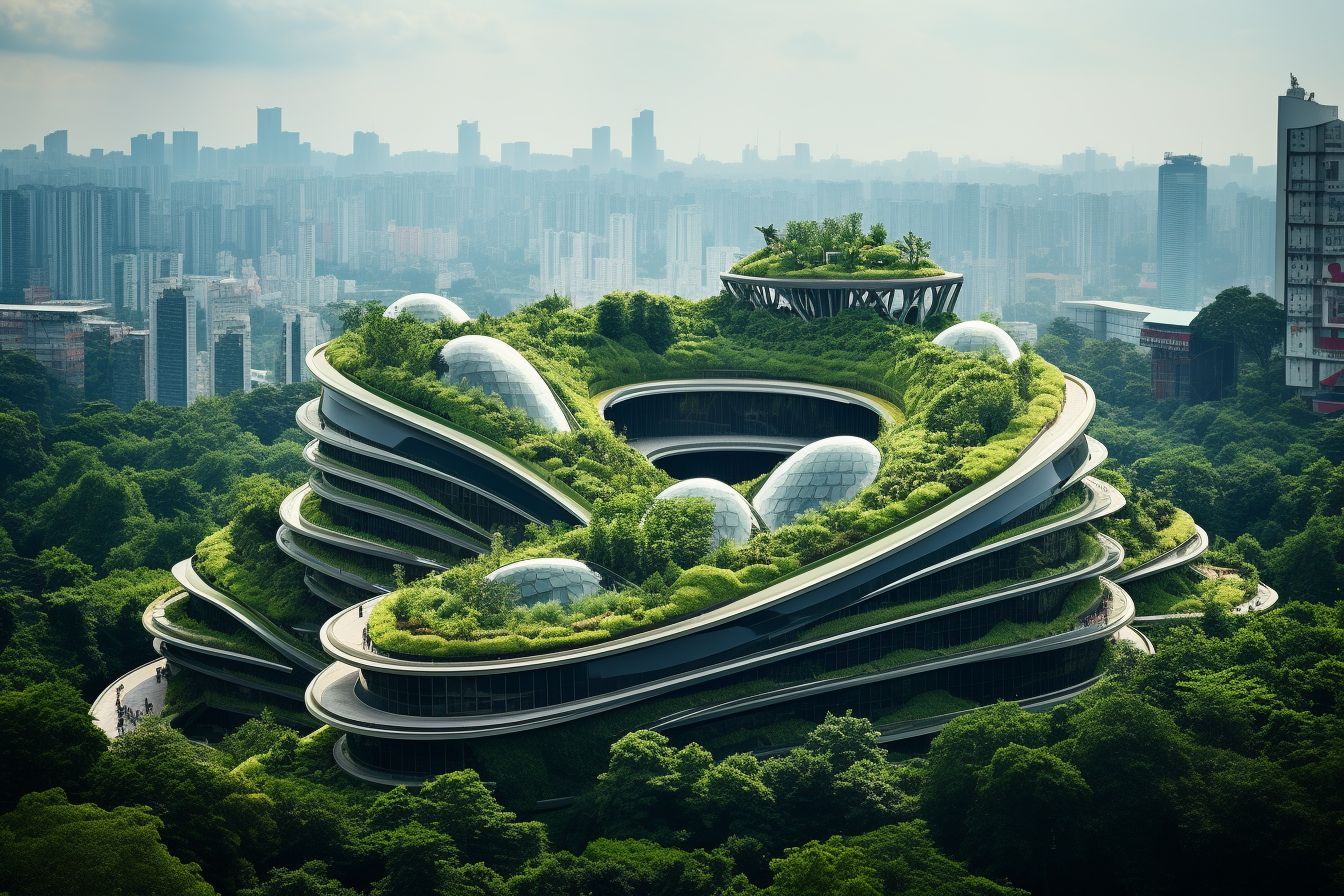
Consider longevity, energy efficiency, and recycling practices when choosing sustainable roofing. Read on to find out more.
Longevity
Choosing a roofing material with good longevity is essential for ensuring your roof’s long-term performance and durability. The roofing material is crucial in determining how long a roof will last.
Some materials, such as metal, tile, and slate, have a longer lifespan than others, like asphalt shingle or wood shake. Additionally, certain materials are more heat-resistant and energy-efficient, which can contribute to increased longevity.
It’s important to consider these factors when deciding to invest in a sustainable roofing option that will provide lasting protection for your home without requiring excessive maintenance or replacement.
Energy Efficiency
Energy efficiency is a crucial factor to consider when choosing sustainable roofing materials. An energy-efficient roof can help reduce expenses and benefit the environment. Homeowners can save hundreds of dollars every year on their energy bills by opting for energy-saving roofing materials.
Cool roof technology, such as roll roofing, membranes, shingles, and tile, is highly energy-efficient. Additionally, green roofs are not only environmentally friendly but also durable.
They require structurally sound materials and long-lasting sheathing to ensure longevity and energy savings. Metal roofs are another excellent option as they are highly efficient in saving up to 40% in energy costs for homeowners.
Efficiency plays a significant role in making sustainable roofing choices that are both cost-effective and eco-friendly. Installing an energy-efficient roof has numerous benefits, like reducing utility bills while minimising environmental impact.
Recycling Practices
Recycling tear-off asphalt shingles is a crucial practice in sustainable roofing. By diverting these materials from landfills, we can greatly reduce waste and minimise our environmental impact.
Metal, shingle, and EPDM roofs also have the potential for recyclability, making them excellent choices for eco-friendly construction projects. To ensure sustainable roofing practices, adopting strategies that reduce, reuse, and recycle construction and demolition materials is important.
We can contribute to a circular economy while conserving valuable resources by implementing proper waste management techniques and leveraging recycling infrastructure. The increasing focus on the recyclability of roofing materials reflects the growing importance of sustainability in the construction industry.
Choosing a Sustainable Roofing Manufacturer
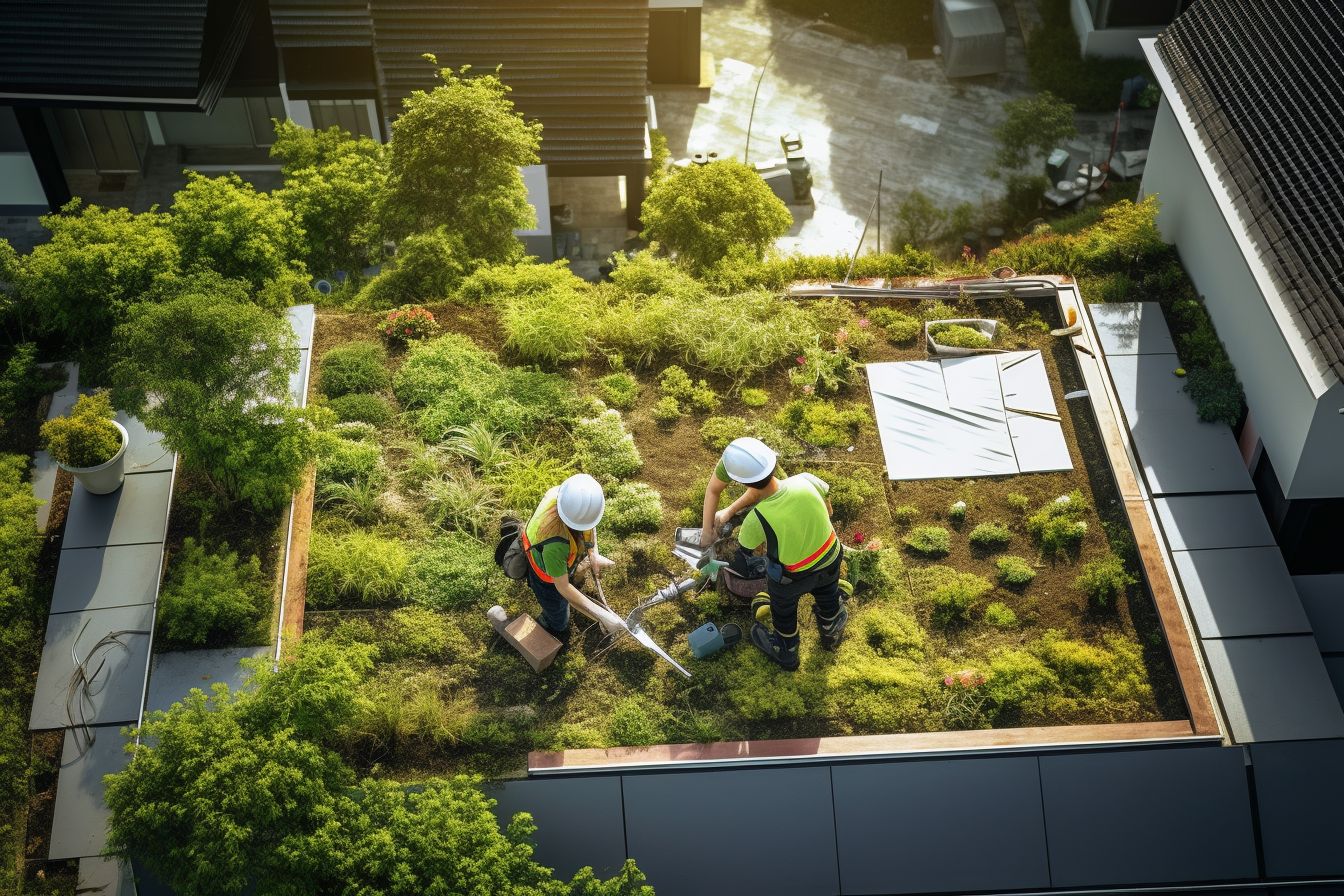
- Research reputable roofing manufacturers that specialise in sustainable and eco-friendly materials
- Look for manufacturers that have a strong commitment to recycling practices and reducing waste
- Consider the longevity of the manufacturer’s roofing materials to ensure they will last for many years without needing frequent replacement
- Evaluate the energy efficiency of the manufacturer’s products, as this can contribute to lower heating and cooling costs over time
- Read reviews and testimonials from other customers who have used the manufacturer’s products to gauge their satisfaction levels.
Conclusion
In conclusion, this comprehensive buyer’s guide offers valuable insights into eco-friendly roofing options and manufacturers. Homeowners can make informed decisions about sustainable roof materials by considering longevity, energy efficiency, and recycling practices.
With the information provided in this guide, choosing a reliable and environmentally responsible roofing system has always been challenging. So, make your home more sustainable with a long-lasting and energy-efficient roof.
FAQs
1. What are the benefits of choosing sustainable roofing?
Choosing sustainable roofing can help reduce energy consumption, lower utility bills, and minimise the environmental impact by using renewable materials and improving insulation.
2. How long does a sustainable roof typically last?
A sustainable roof can have a longer lifespan than traditional roofs, with some options lasting up to 50 years or more, depending on maintenance and weather conditions.
3. Are there any tax incentives or rebates for installing a sustainable roof?
In some cases, tax incentives or rebates may be available for installing a sustainable roof as they contribute to energy efficiency goals. It’s recommended to check with local government or utility programs for eligibility.
4. Can I install solar panels on a sustainable roof?
Many types of sustainable roofs are compatible with solar panel installations, making it easier to harness clean energy and reduce reliance on non-renewable sources.
5. How do I choose the right type of sustainable roofing material?
When choosing a sustainable roofing material, factors like climate suitability, durability, affordability, and aesthetic preferences should be considered. Consulting with a reputable contractor can help identify the best option for your needs.