

When choosing roofing materials, many homeowners wonder about the eco-friendliness of asphalt shingles. Despite being made from refined petroleum, a crude oil byproduct, they can be recycled and used in road construction or patchwork.
This article sheds light on the environmental impact of these popular roofing materials while offering greener alternatives for those looking to reduce their carbon footprint.
Would you be ready to explore more? Let’s delve into it!
Key Takeaways
- Asphalt shingles have a significant environmental impact due to crude oil extraction and production, long decomposition time, and waste generation.
- Eco-friendly roofing alternatives include metal roofing, slate roofing, clay tile roofs, wood shakes and shingles, concrete tile and fibre-cement roofing, and green roof systems.
- These alternatives offer benefits such as recycling potential, energy savings, durability, sustainability, and lower carbon footprint.
- Homeowners can make sustainable choices by considering nontoxic materials and opting for recycled or renewable roof resources.
Environmental Impact of Asphalt Shingles
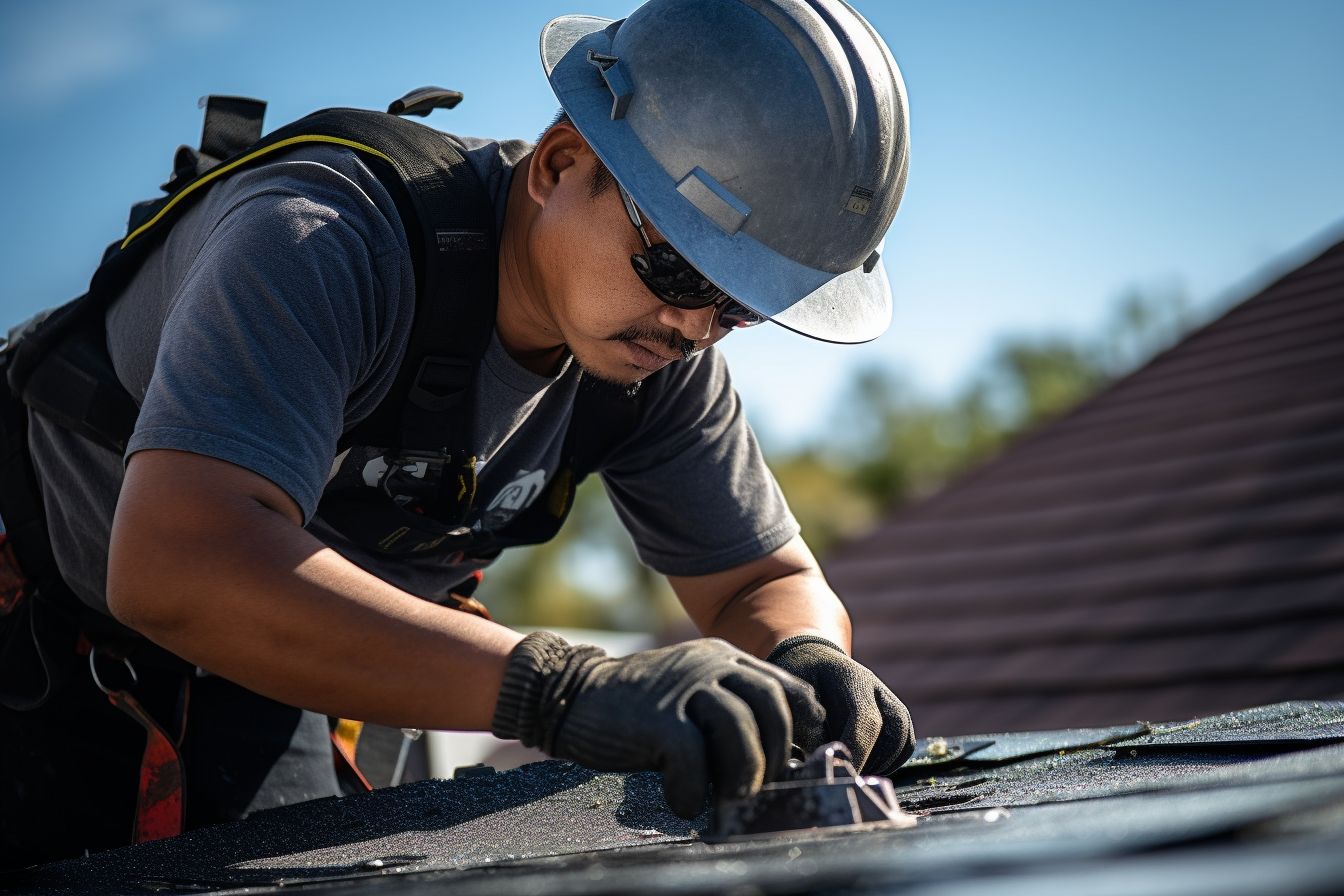
Asphalt shingles have a significant environmental impact due to the production and extraction of crude oil, their long decomposition time, and waste generation.
Production and extraction of crude oil
Crude oil serves as the primary raw material in the production of asphalt shingles. Oil wells pump out barrels of black gold, with a single well in the US churning out up to 15 barrels daily.
The harsh reality is that extracting this fossil fuel has an environmental cost. Massive energy is required, and carbon emissions are released during extraction, contributing to global warming.
Furthermore, accidents during drilling procedures can result in devastating oil spills which pollute our rivers and oceans. This entire process underscores the Environmental Impact of Asphalt Shingles due to crude oil extraction and production.
Long decomposition time
The environmental impact of asphalt shingles remains high due to their long decomposition time. These popular roofing materials take between 300 and 400 years to fully break down in landfills, significantly negatively affecting waste management and landfill pollution.
This greatly contrasts with the average lifespan of an asphalt shingle roof, which typically lasts around 20 years.
This protracted period of material decomposition contributes significantly to environmental degradation in both the short and long term. The problem is common to asphalt shingles; other common roofing options persist for centuries before disintegrating completely.
Instead, sustainable construction practices are moving towards using eco-friendly roofing materials such as steel with a lower overall environmental impact.
Generation of waste
Our planet grapples with a staggering amount of waste from asphalt shingles yearly. Estimates suggest that an alarming 11 million tons of asphalt shingle waste is generated annually in the US alone.
These discarded materials often end up in landfills, adding to the approximately 20 billion pounds of asphalt shingles dumped there yearly. The consequences of these actions are not limited to overflowing landfill sites.
They also implicate serious environmental impacts as sustainable materials management becomes more challenging. As one solution, energy conversion has been suggested for dealing with the roofing industry’s immense contribution to global waste.
This approach involves turning used asphalt roofing shingles into energy – a process that could promote more sustainable practices and significantly reduce waste throughout the industry.
Definitive Guide to Eco-Friendly Roofing
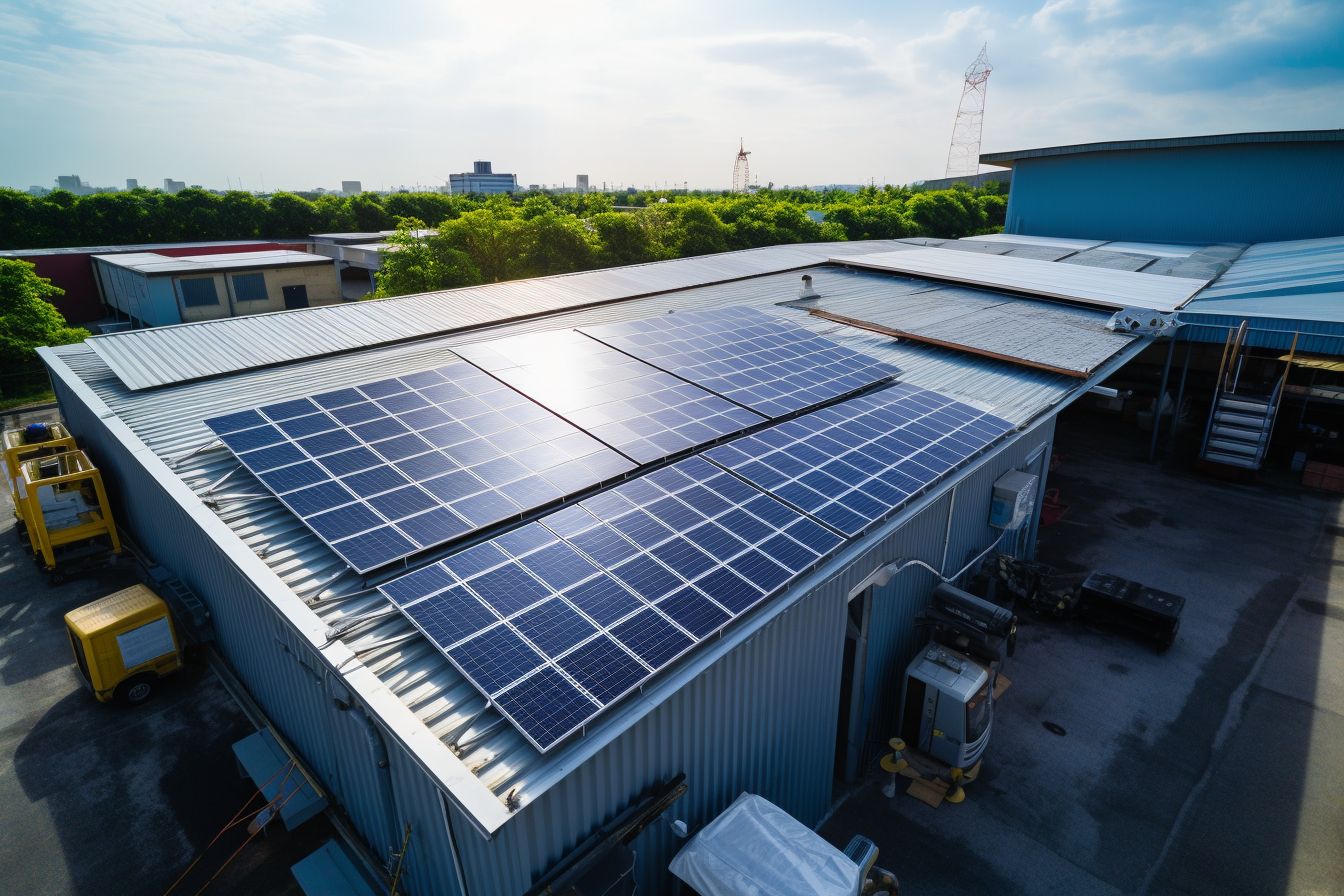
Transitioning to eco-friendly roofing is an investment that yields both environmental and financial returns. Here is the definitive guide to help you make sustainable choices:
- Consider Nontoxic Roofing Materials: Some materials, like asphalt shingles, might contain harmful substances such as asbestos, lead, cadmium and polycyclic aromatic compounds. Other eco-conscious roof solutions are available.
- Opt for Recycled Roofing Materials: Many manufacturers utilise recycled materials in their production process. For instance, metal roofing options often contain high amounts of recycled content.
- Embrace Green Roofing Alternatives: This includes vegetation grown on your rooftop, which acts as insulation and improves air quality.
- Reduce Waste with Responsible Roofing Choices: Despite most asphalt shingles being recyclable, they often end up in landfills. Choose materials that are easily recyclable to reduce waste generation.
- Invest in Renewable Roof Materials: Wood shakes are a fully renewable option made from all-natural and renewable materials.
- Prioritise Energy Efficiency: Certain materials can enhance energy efficiency by reflecting heat away from home. Metal roofing is regarded as an excellent choice for this purpose.
Benefits of Asphalt Shingles
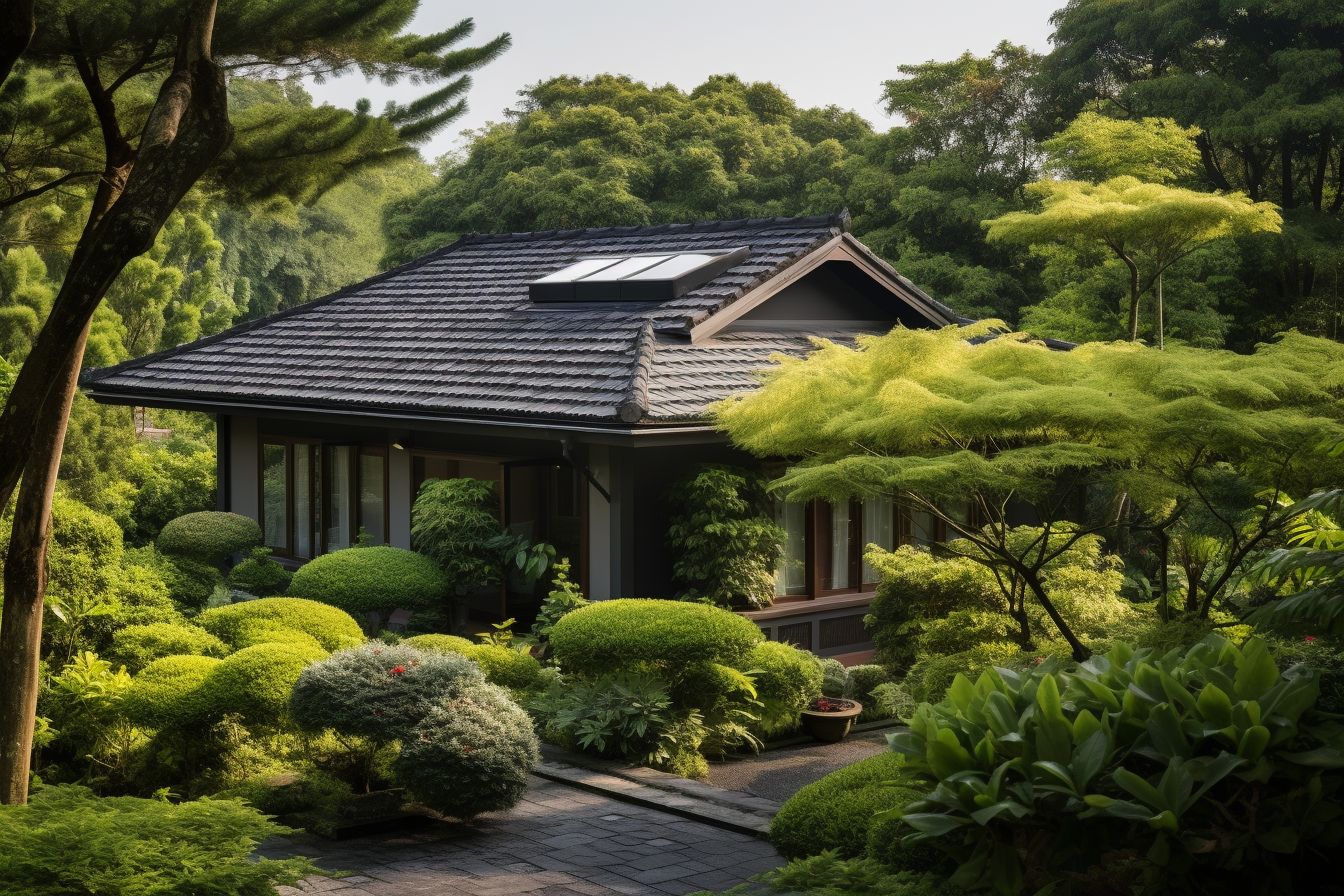
Asphalt shingles offer several benefits, including using recycled materials, energy savings, and the potential for recycling. Please read on to discover why they can be a sustainable choice for your roof.
Use of recycled materials
Modern asphalt shingles often incorporate reclaimed materials like old tires and plastic bags. This strategy supplements the manufacture of these popular roofing options, providing a sustainable twist to traditional methods.
Recycled materials enhance the eco-friendliness of asphalt shingles and promote a circular economy in roofing.
In an even wider context, recycled asphalt shingles have also found a niche within road construction. Here, they function to reduce waste while creating robust infrastructure – a true testament to recycling’s potential in making constructive strides towards environmental consciousness.
Such practices showcase how repurposed resources can significantly reduce waste in construction and conserve valuable landfill space.
Energy savings
Asphalt shingles are a boon to energy efficiency. They are noteworthy for their ability to lessen the burden on home appliances during hot summers by absorbing less solar energy and reflecting more sunlight.
This feature drastically reduces indoor temperatures, boosting the overall thermal performance of your home. Furthermore, significant advancements in ‘cool’ technology have promoted even greater energy savings with asphalt roofing alternatives.
Metal roofs, for instance, provide superior sustainable building attributes with up to 25% energy savings, aligning perfectly with today’s growing eco-friendly and energy saving technologies movements in construction.
Potential for recycling
Asphalt shingles hold a wealth of recycling potential. Immense quantities of these roofing materials enter the construction and demolition waste stream each year, with figures reaching up to 10 million tons from roof installations alone.
Through innovative recycling technology, it is feasible to convert this waste into valuable resources again, substantially impacting waste reduction in the construction industry.
This process also presents an economic advantage by saving disposal or landfilling costs, creating job opportunities, and promoting resource conservation. Thus, the successful development of tear-off shingle recycling could herald a more sustainable future for the roofing industry.
Alternatives to Asphalt Shingles
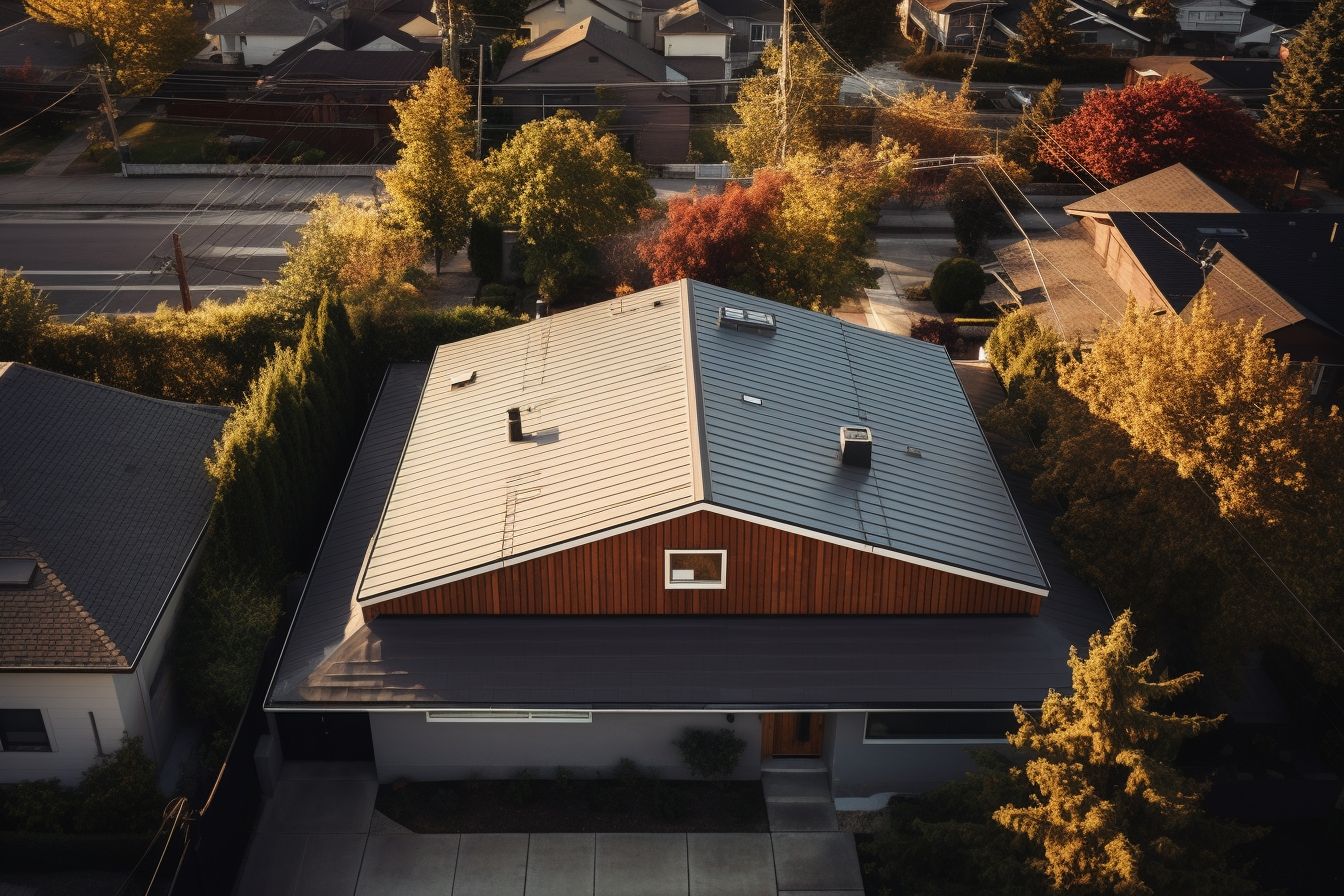
Metal roofing, slate roofing, clay tile roofs, wood shakes and shingles, concrete tile and fibre-cement roofing, and green roof systems are all durable alternatives to asphalt shingles.
Metal roofing
Metal roofing is a popular alternative to traditional asphalt shingles. It is known for its sustainability and eco-friendliness. One of the key advantages of metal roofing is that it can be recycled, making it an environmentally responsible choice.
In addition, metal roofs have a reflective surface, which helps to reduce heat absorption and lower energy costs. They are also highly durable and long-lasting, often outlasting asphalt shingles for years.
Metal roofs are designed to withstand extreme weather conditions, providing homeowners peace of mind during storms or other severe weather events. With their sustainability, energy efficiency, and durability combination, metal roofs are a top choice for those seeking an eco-friendly roofing option.
Slate roofing
Slate roofing is a sustainable and environmentally friendly option for those looking to replace their asphalt shingles. It can be recycled and reused, reducing waste and promoting sustainability.
In addition, slate roofs are resistant to fire and insect infestation, making them a durable choice that can last up to four times longer than asphalt shingles. With its long lifespan and eco-friendly properties, slate roofing offers a reliable and sustainable alternative for homeowners seeking an environmentally conscious option.
Clay tile roofs
Clay tile roofs are a sustainable and eco-friendly alternative to asphalt shingles. They are not only beautiful but also incredibly durable. These resilient clay tiles can withstand extreme temperatures, including high heat, making them ideal for any climate.
Made from natural clay sourced from the earth, these roof tiles are an environmentally conscious choice. Additionally, clay tile roofs have a long lifespan and can last up to 100 years, making them a cost-effective and long-lasting roofing solution for any home or building.
Wood shakes and shingles
Wood shakes and shingles are roofing materials made from real wood, making them a sustainable and renewable option for eco-conscious homeowners. These authentic wood products are considered more environmentally friendly than asphalt shingles because they have a lower carbon footprint and are biodegradable.
However, it is important to note that wood shakes and shingles may not be as durable as other roofing alternatives. To address this concern, synthetic cedar shake roofing is now available as an alternative that offers the same aesthetic appeal while being more long-lasting.
With their natural beauty and renewable nature, wood shakes and shingles provide homeowners a durable and environmentally sensitive choice for their roofs.
Concrete tile and fiber-cement roofing
Concrete tile and fibre-cement roofing are excellent alternatives to asphalt shingles. These roofing materials offer durability, weather resistance, and thermal efficiency. Concrete tiles are heavier than asphalt shingles, which means they can withstand strong winds and impact from debris.
They also have a longer lifespan compared to other roofing options. Fibre-cement roofing is made from a mix of cement and cellulose fibres, providing the same benefits as concrete tiles.
Both concrete tile and fibre-cement roofs are known for their longevity, making them a great choice for homeowners looking for a long-lasting solution that requires minimal maintenance.
Green roof systems
Green roof systems, also known as living roofs or vegetated roofs, offer an eco-friendly alternative to traditional asphalt shingles. These roofs cover neglected areas with plants, providing natural insulation that helps lower energy costs and improves air quality.
Green roofs are primarily cooled through the evaporation of water from plant surfaces, providing additional insulation through the soil layer. With three primary types – intensive, extensive, and semi-intensive – green roof systems contribute to sustainable roof options and create aesthetically pleasing spaces that benefit both the environment and building occupants.
Conclusion
In conclusion, when considering the eco-friendliness of asphalt shingles, it is important to weigh both their environmental impact and potential benefits. While these shingles’ production and decomposition processes may have negative consequences, there are also advantages, like the use of recycled materials and energy savings.
Homeowners looking for more sustainable options can explore alternatives like metal roofing, slate roofing, or green roof systems.
FAQs
1. Are asphalt shingles eco-friendly?
Asphalt shingles are not considered environmentally friendly as they are made from petroleum-based materials and contribute to landfill waste when replaced.
2. Can asphalt shingles be recycled?
Some asphalt shingles can be recycled into new products such as pavement or roofing materials.
3. Are there alternative eco-friendly roofing options to asphalt shingles?
Several eco-friendly roofing options are available, including metal roofs, clay tiles, slate roofs, and even roofs made from recycled materials like rubber or plastic.
4. How long do asphalt shingles typically last?
On average, asphalt shingle roofs have a lifespan of about 20-30 years before they need to be replaced.
5. What are the potential environmental impacts of using asphalt shingles for roofing?
Production of asphalt shingles requires extracting and processing non-renewable resources like crude oil. Additionally, when old shingles end up in landfills after being replaced, they contribute to environmental pollution and waste accumulation.